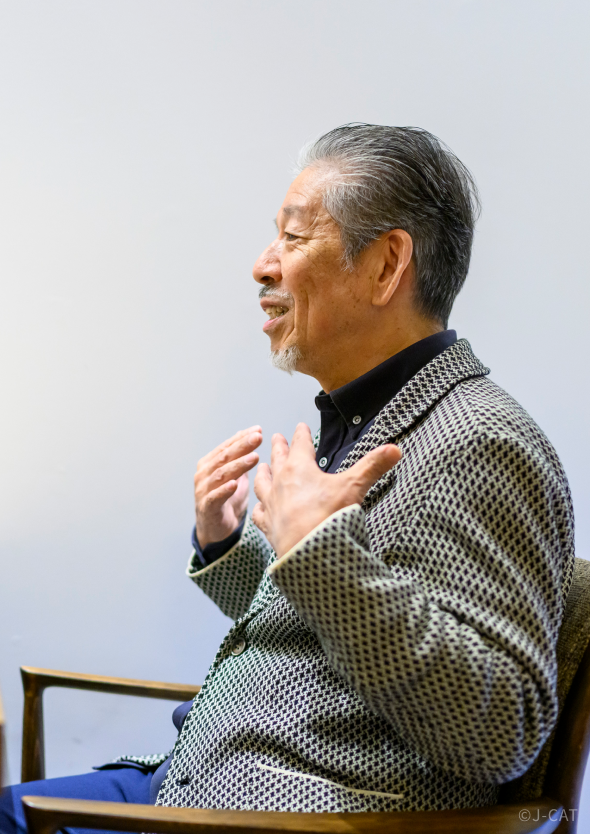
A Childhood Rooted in the Joy of Hospitality
Born into a seventh-generation rice farming family dating back to the Edo period (1603-1867) in Nanto City, Toyama Prefecture, Yamamoto grew up surrounded by tradition. During Obon and New Year holidays, his home came alive with relatives, homemade dishes lovingly prepared by his mother and grandmother, and conversations stretching late into the night.
“Looking back, I think I discovered the joy of hospitality without even realizing it,” Yamamoto reflects.
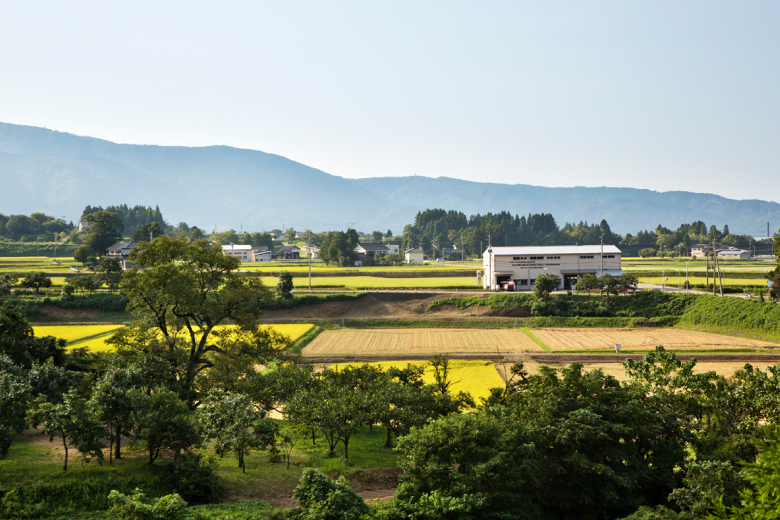
The satoyama in Nanto City, Yamamoto's hometown, is near the World Heritage sites of Gokayama and Shirakawa-go
In his 30s, while working at a town hall and managing his family’s rice farming business, Yamamoto took part in launching a hotel as part of a local revitalization project. His competitive drive pushed him to create a hotel anyone could be proud of, and as he learned from top hospitality experts, he became deeply passionate about the industry.
Over time, this passion sparked a dream of building his own hotel. In 2005, he realized that dream by opening Satoyama Auberge Maki no Oto at the site of his childhood home, offering an intimate stay with only three groups welcomed per day.
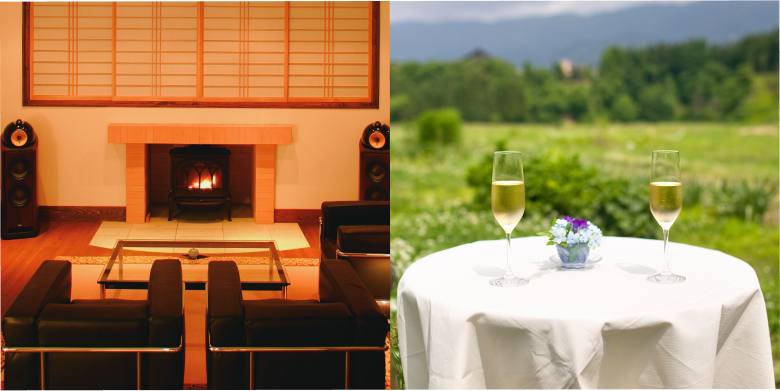
At Satoyama Auberge Maki no Oto, every guest room offers a view of the satoyama landscape
Though many were skeptical about the idea of an inn, it quickly gained popularity with its fresh, seasonal dishes, including rice cooked over a wood fire.
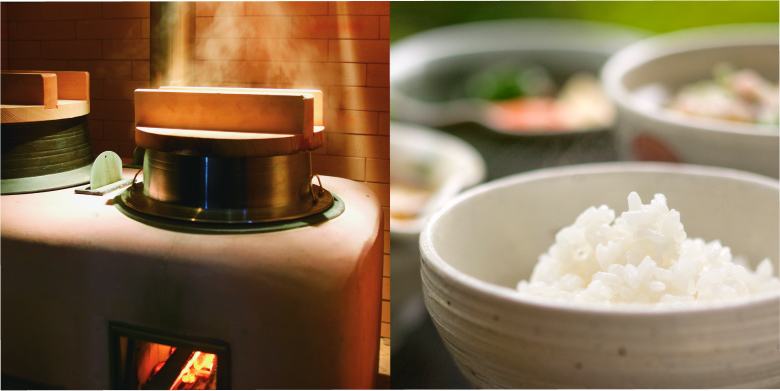
Yamamoto's daily routine is to cook rice from his own farm in a wood-fired oven
“Some locals self-deprecatingly call Nanto City a ‘desolate land with nothing,’ but to city dwellers, it might seem like a different world, blessed with natural beauty and resources,” Yamamoto says. In 2016, he opened his second inn, Auberge Maki no Oto Kanazawa, in Kanazawa.
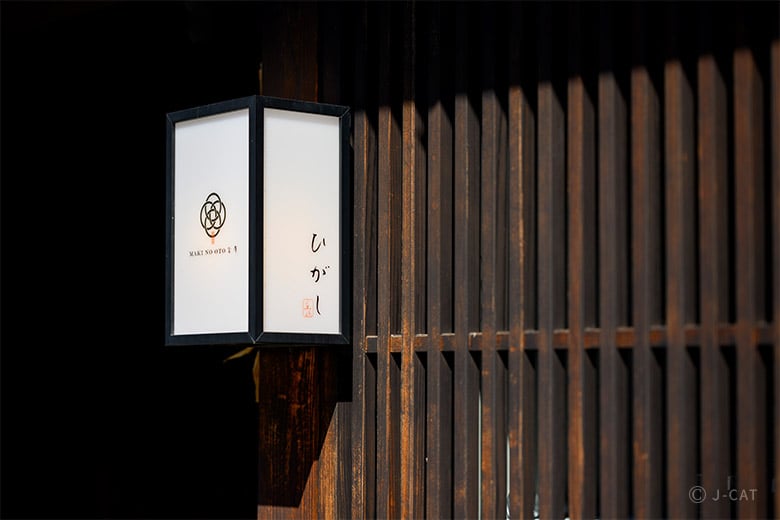
Maki no Oto Kanazawa has the charm of a traditional townhouse
Drawn to the Depth of Kanazawa, a Historic Castle Town
Nanto and Kanazawa are just an hour’s drive apart, and Yamamoto always envisioned running two inns in these distinct but connected locations.
“While they’re now in different prefectures, Nanto and Kanazawa were both part of the Kaga domain during the Edo period, with strong economic ties. I felt that experiencing the rural charm of Nanto alongside the sophistication of Kanazawa’s castle town would add depth and variety to a trip of the Hokuriku region,” Yamamoto explains.
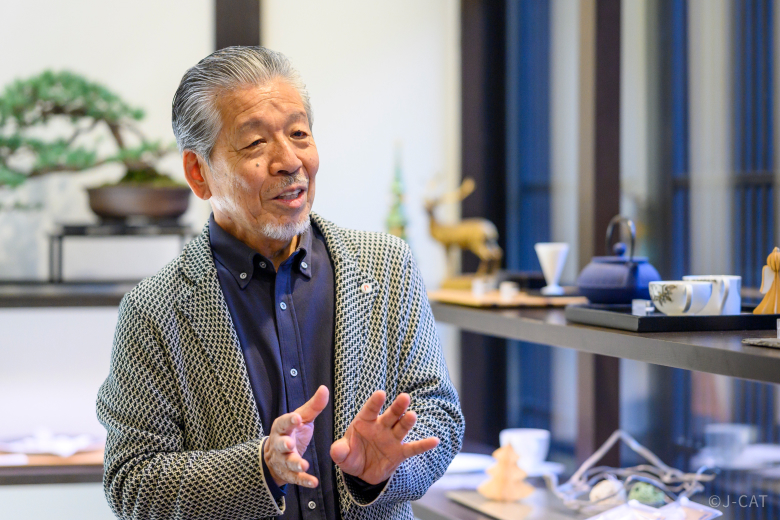
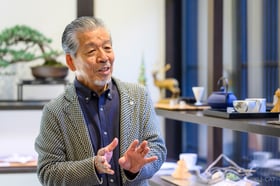
Yamamoto-san speaks inside a shop at Maki no Oto Kanazawa
Kanazawa, named one of National Geographic's "Best of the World 2025" travel destinations, continues to capture global attention. When asked about its allure, Yamamoto explains, “Kanazawa’s appeal is hard to sum up in one word. It has preserved its traditions, with many historic streetscapes untouched by war. Once a leading castle town in the Edo period, it remains a hub of diverse arts and culture nurtured by generations of feudal lords.”
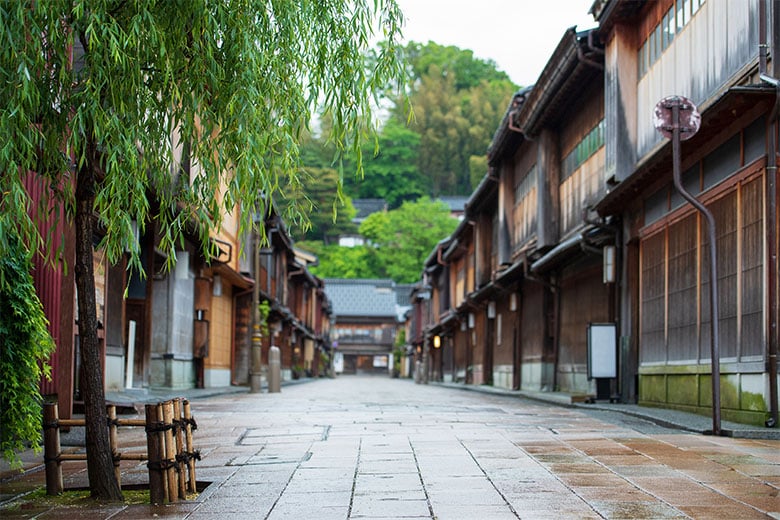
The Higashi Chaya District, designated an Important Preservation District for Groups of Traditional Buildings
Kanazawa’s culture bridges past and present, offering a timeless charm. With its castles, gardens, temples, shrines, and art museums, the city has no shortage of attractions. To help his guests fully experience Kanazawa’s appeal, Yamamoto chose the Higashi Chaya District as the inn’s location.
Experience the Colors, Sounds, and Atmosphere of the Chaya District
Teahouses are refined social spaces where adults enjoy elegant entertainment by geisha. Kanazawa’s three historic teahouse districts, established by the Kaga Domain in the late Edo period, still preserve their original charm.
Yamamoto recalls his first visit to a teahouse in his 20s, guided by a senior who knew how to enjoy the experience. “The thrill of seeing light spill through the latticed doors and hearing the shamisen and drums is as vivid to me now as it was then,” he says.
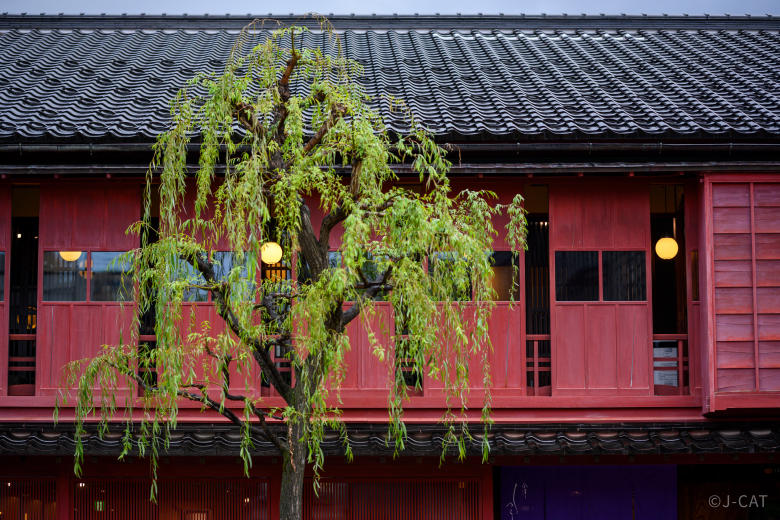
The Chaya District buildings are marked by their red bengara (clay) color
Teahouses, built on trust with regulars, typically don’t accept first-time visitors. However, due to his strong ties with the Chaya District, Yamamoto takes guests to his favorite teahouses, introduces them as special "regulars," and joins in the ozashiki-asobi entertainment with geisha. "The performances and dances of the elegant geisha will leave you with lasting memories of your time in Kanazawa," he says.
Featured Experiences
・Dine at an Auberge in Kanazawa’s Higashi Chaya District and Enjoy an Elegant Evening With Geisha
・[1 Night] Stay at an Inn in Kanazawa’s Higashi Chaya District and Enjoy an Elegant Evening With Geisha
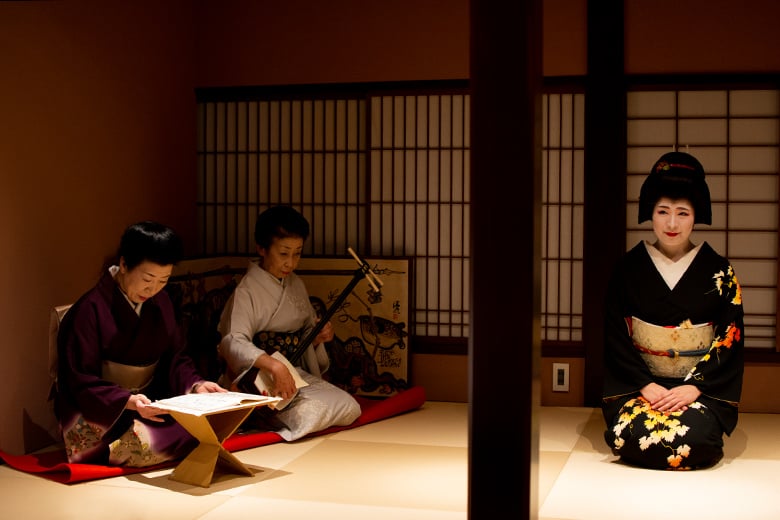
Beautiful geishas in traditional attire perform their refined arts
Across the Asano River from Higashi Chaya District lies Kazuemachi Chaya District, offering easy access to both historic teahouse areas. Maki no Oto Kanazawa is perfectly located for enjoying teahouse experiences.
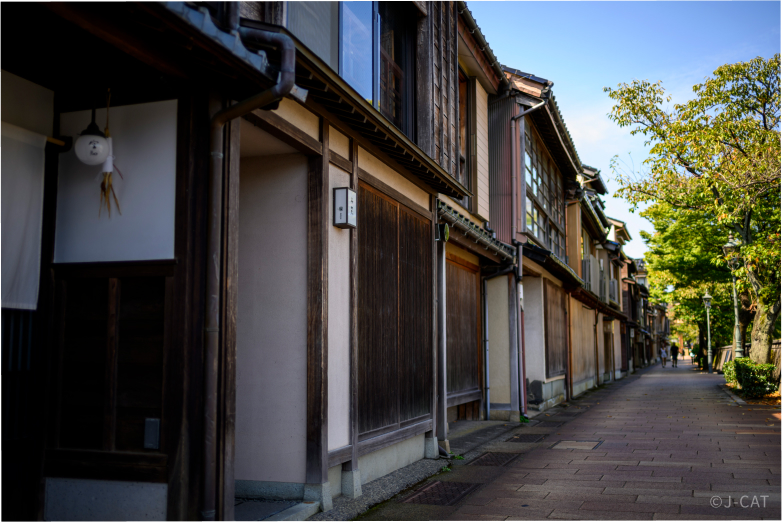
The Kazuemachi Chaya District runs alongside the Asano River
When asked how to enjoy the Chaya District, Yamamoto suggests, "To experience it during the day, I recommend strolling through the maze-like alleys."
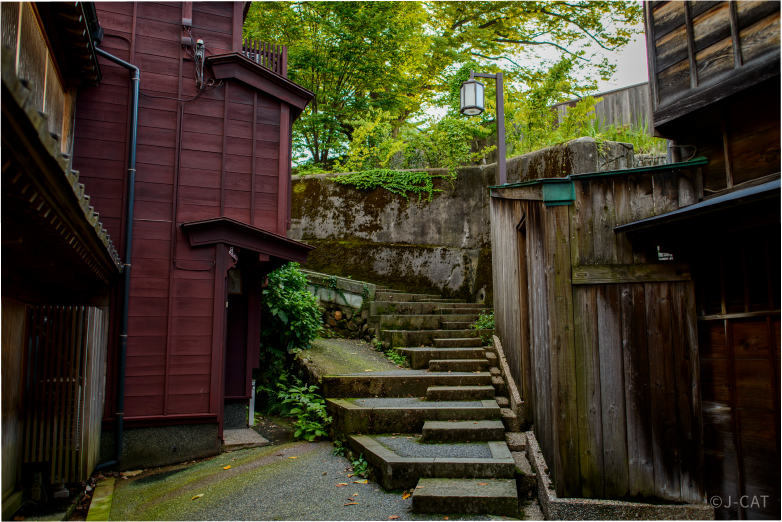
A maze of alleys in the Chaya District, just like in the Edo period
Walking through the streets that feel like a step back to the Edo period, you may make curious discoveries—like an old temple with a storied past or corn hanging from eaves (a custom called "kadomori") to ward off evil and bring prosperity. "In the Chaya District, you'll find not just teahouses but also bars run by teahouses, where you can unwind late into the night," Yamamoto explains.
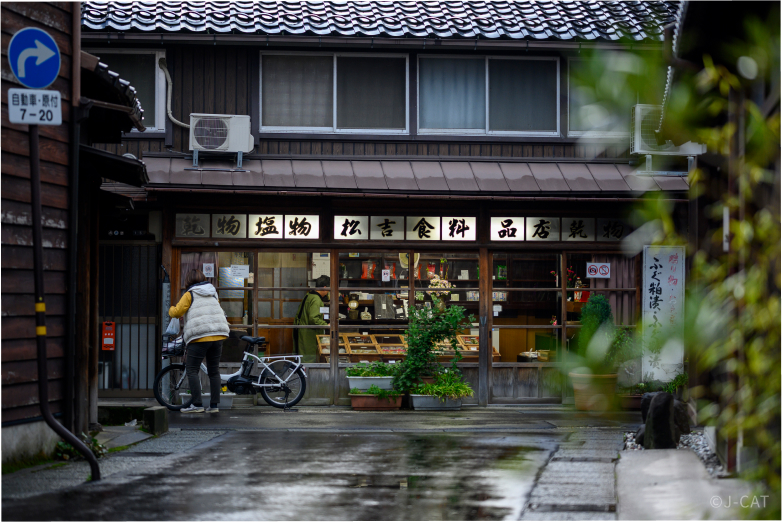
The Chaya District is lined with old shops and houses—perfect for a stroll
Savor the Best Flavors in a City Known for Fine Cuisine
Food is a must in Kanazawa, the gourmet capital. Few places offer such a high concentration of renowned restaurants in such a compact city.
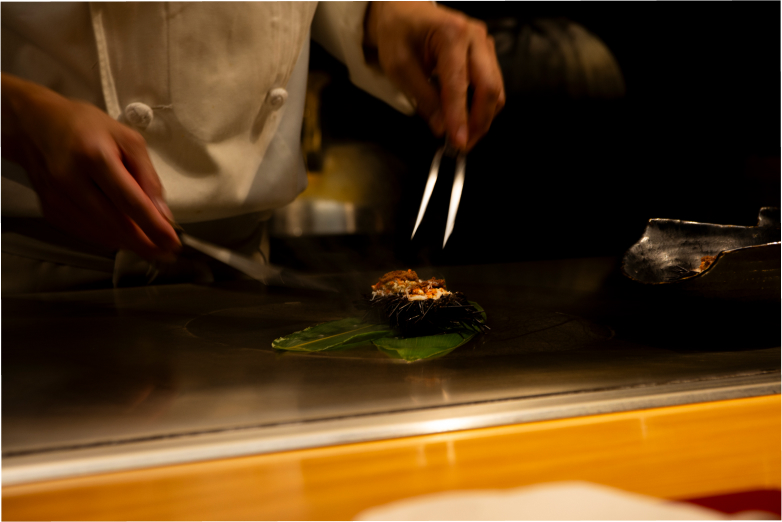
High-end restaurants serve both Japanese and Western cuisine
Kanazawa’s rich food culture is partly due to the influence of "ryotei." Blessed with mountain and sea bounty, the city also saw the growth of tea ceremonies and crafts under the Kaga domain. As a result, everything related to food—tableware, setting, and hospitality—became highly refined, with ryotei at the center.
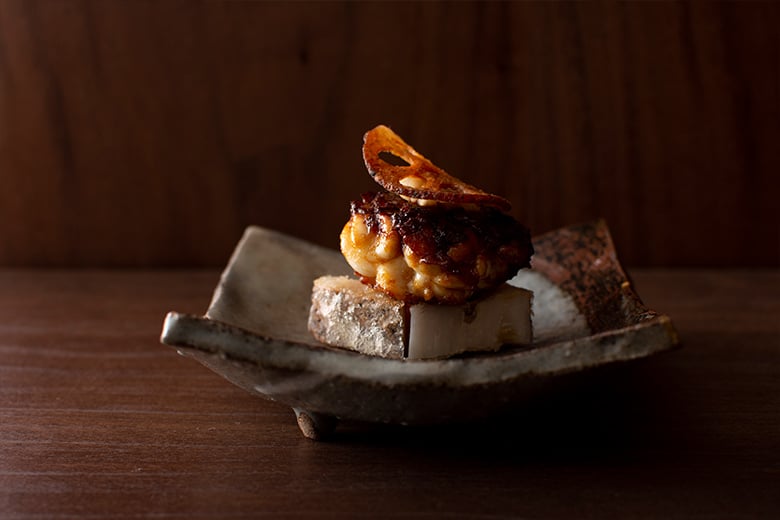
Higashiyama Wakon offers an exquisite blend of seasonal ingredients
Chefs in Kanazawa compete across genres, delivering exceptional performances. At Higashiyama Wakon, the innovative Japanese cuisine crafted by top chefs at Maki no Oto Kanazawa has earned high praise.
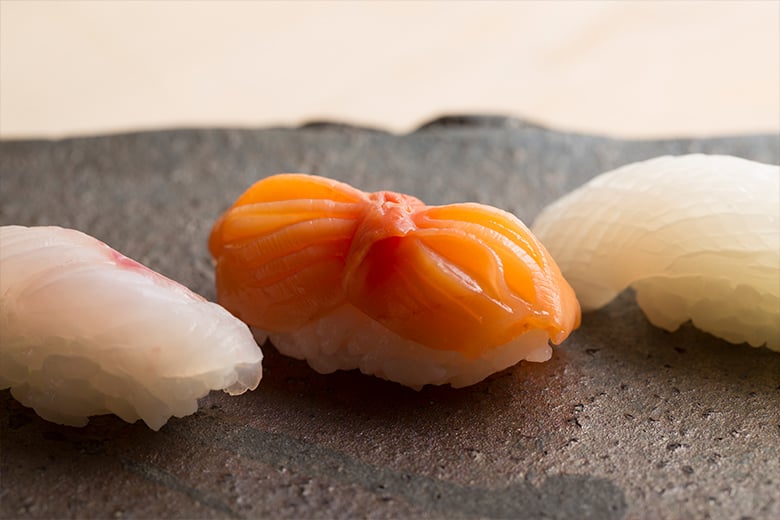
Kanazawa's sushi is renowned nationwide for its quality
Maki no Oto Kanazawa carefully partners with top restaurants to ensure they always offer the best dining experiences. Its selection includes renowned spots serving sushi, kaiseki, soba, teppanyaki, French, and Western cuisine.
Featured Experiences
・[1 Night] Stay at an Inn in Higashi Chaya District, Enjoy Kanazawa's Fine Cuisine and Bonsai Making
Sharing the Charm of the Hokuriku Region from Kanazawa
Kanazawa is a small city full of charm, with nearby areas rich in nature and other attractions. Recently, more travelers are enjoying unique activities and exploring neighboring destinations, like the World Heritage Site Shirakawa-go in Gifu and the head temple of the Soto sect, Eiheiji in Fukui.
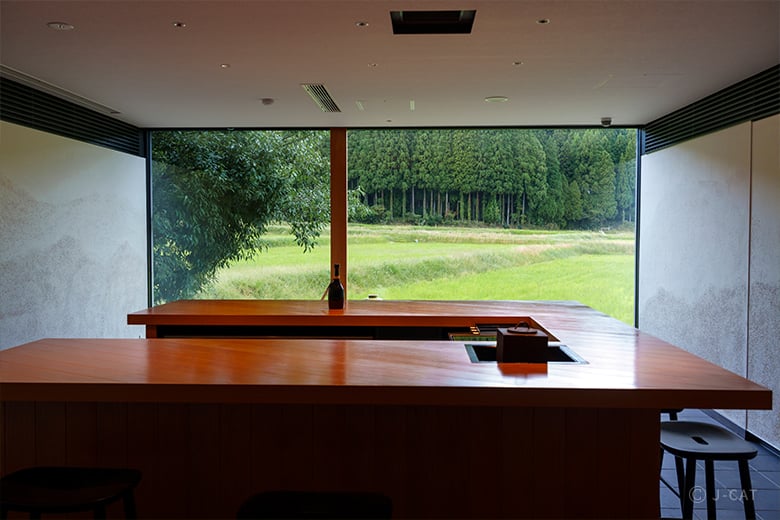
Experiences unique to Hokuriku's sake-producing region are also available
Featured Experiences
・[2 Nights] A Journey of Fine Wine and Food at Maki no Oto Kanazawa Inn—With Private Tour of Noguchi Naohiko Sake Institute
・Private Sake Tasting and Gallery Tour at the Brewery of Noguchi Naohiko, the “God of Sake Brewing”
A recent guest at Maki no Oto Kanazawa shared, "I had the experience of being a falconer." In Nanto, where Maki no Oto's main location is, visitors can try woodcarving in Inami, a town known for the craft, and explore nearby sake breweries, wineries, and whiskey distilleries. Yamamoto also recommends staying in Kanazawa for a few nights to fully enjoy the area.
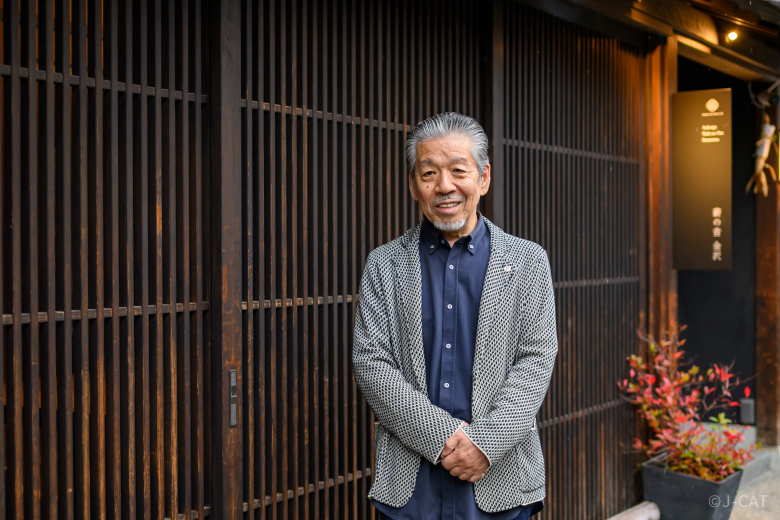
“I want people to experience Hokuriku as a journey, not just a destination,” says Yamamoto
The Hokuriku region, including Kanazawa, is full of attractions. "Eventually, I'd like to use Kanazawa as a hub to offer packages that let people explore the entire Hokuriku area, rather than just a single activity. I’d be happy to help revitalize the region by leveraging the network I've built to promote the whole area."
Seiichi Yamamoto, Owner of Maki no Oto
Born in 1954 in Nanto City (formerly Johana Town), Toyama Prefecture. After working in industrial promotion and urban development at Johana Town Hall, Yamamoto became involved in planning a third-sector (public-private) hotel. In 2003, after nearly 30 years of service at the town hall, he left to open Satoyama Auberge Maki no Oto in Nanto City in 2005 and Auberge Maki no Oto Kanazawa in Kanazawa City in 2016.