An Onsen Haven, Welcoming the World
Hakone’s onsen flourished during the Edo period, when weary travelers along the Tokaido road sought rest between present-day Tokyo and Kyoto. Founded in 1662, Matsuzakaya Honten has stood in Ashinoyu ever since, its natural spring—celebrated as “beautiful skin water”—continuing to soothe generations of guests.
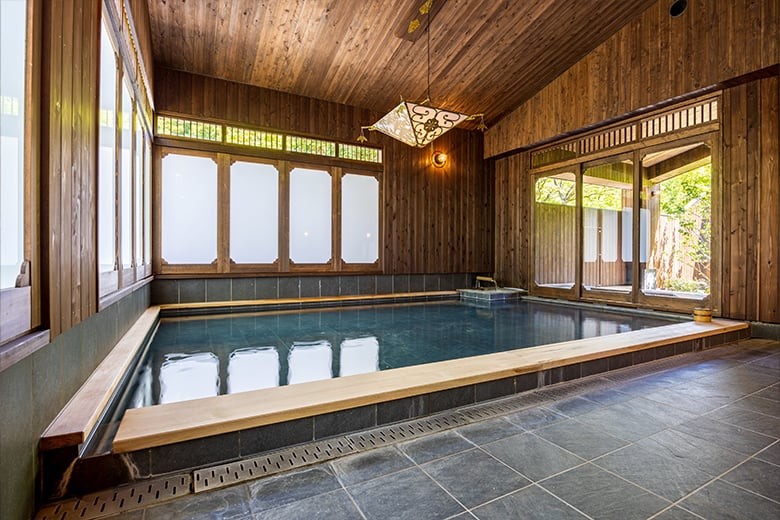
The large public bath at Matsuzakaya Honten was renewed in 2023. Its clear, emerald-green waters are known as “beautiful skin water”
From the late 19th century, Hakone began drawing international visitors, a tradition that Matsuzakaya Honten embraced. Even during the turbulence of World War II, the ryokan welcomed German soldiers who could not return home, fostering unexpected exchanges between locals and foreigners.
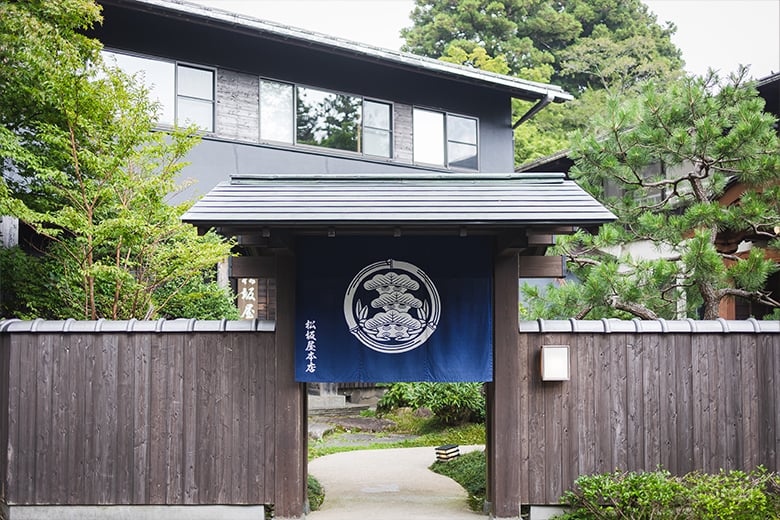
Matsuzakaya Honten, a legacy since 1662
For Makino, this openness remains central to Hakone’s spirit. “Hakone’s appeal lies in its long history of welcoming people from both Japan and abroad, each arriving for their own reasons,” she reflects. Born into a ryokan family in nearby Atami, Makino grew up immersed in the culture of hospitality before carrying the legacy forward in Hakone.
Growing Up In a Ryokan, Guided by a Mother’s Example
“I had a home inside a ryokan. It wasn’t until much later that I realized how unusual that was,” Makino recalls with a smile. Beyond the walls of her childhood home stood the family ryokan, where she often watched her mother moving gracefully through her role as okami. The sight of her mother, dressed in her kimono for work and preparing meals for her children left a lasting impression on the young Makino.
“No matter how busy she was, she always cooked for us. Now that I’m an okami myself, I understand how hard that balance must have been, and I’m deeply grateful to her,” Makino reflects.
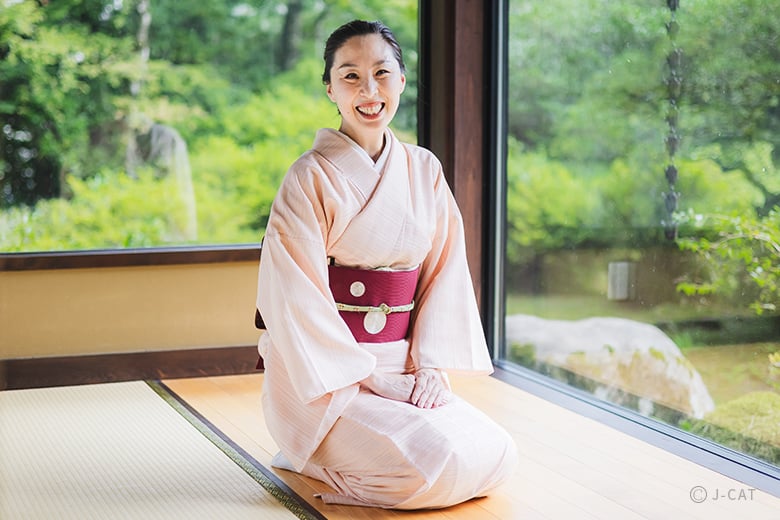
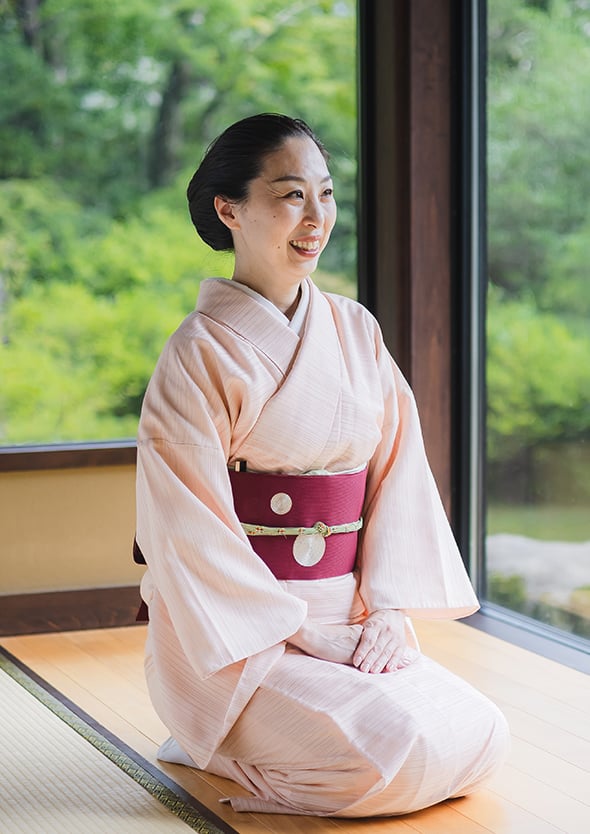
Fumie Makino, okami of Matsuzakaya Honten, with a smile as warm as sunlight
In Japan, the okami—the female proprietor of a ryokan—is both its public face and its heart, embodying the spirit of omotenashi (hospitality). Many family-run ryokan are passed down through generations, yet Makino’s mother never pushed her to follow the same path. Instead, she encouraged independence. “So I decided to try something I wanted to do,” Makino says. She left her hometown of Atami and moved to Tokyo to continue her studies.
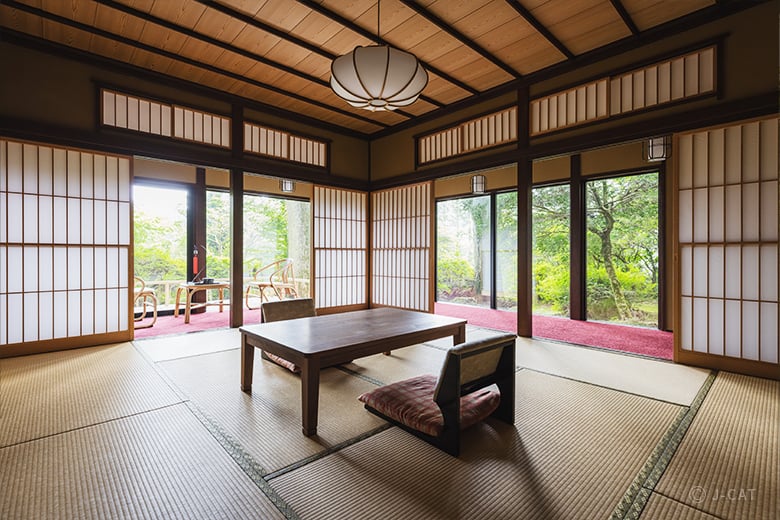
The popular guest room Senshintei. From its wide windows and balcony, guests can take in the rustic garden and the Hakone mountains
From Atami Beginnings to a New Chapter in Hakone
While considering a career in Tokyo, Makino found herself drawn back to her roots. She returned to her family’s ryokan in Atami, stepping into the role of young okami. Most of what she learned came from watching her mother, but one lesson was passed down directly: “Always show the utmost respect to the professionals in their fields—the head chef, the storekeeper, every member of the staff.”
That principle continues to guide Makino today. She values the individuality of her team and sees their dedication as the true foundation of hospitality.
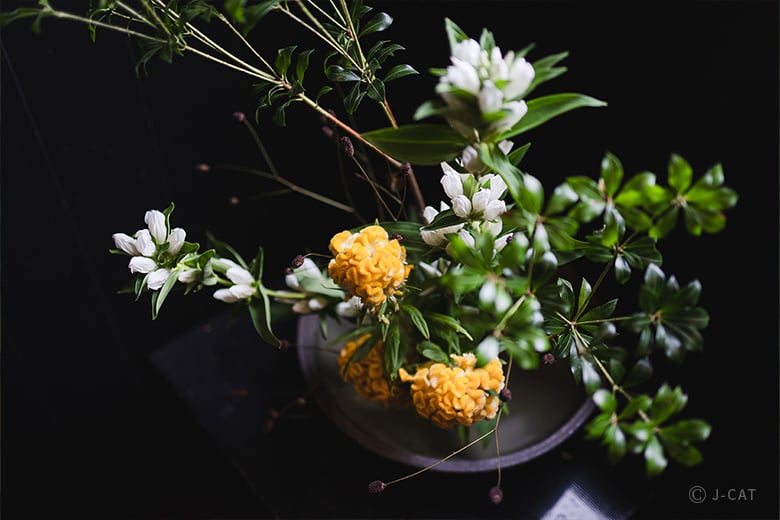
Arranging seasonal flowers is among the traditional skills of an okami. Makino prepares ikebana displays that grace Matsuzakaya Honten’s interiors
Makino served as okami of her family ryokan from 2000 until its centennial celebration in 2017, when she chose to step away. Yet almost immediately, another opportunity called. Matsuzakaya Honten, one of Hakone’s most storied ryokan, was seeking a new okami. Within two months of closing the doors in Atami, Makino found herself welcoming guests once again—this time in Hakone, beginning the second chapter of her career.
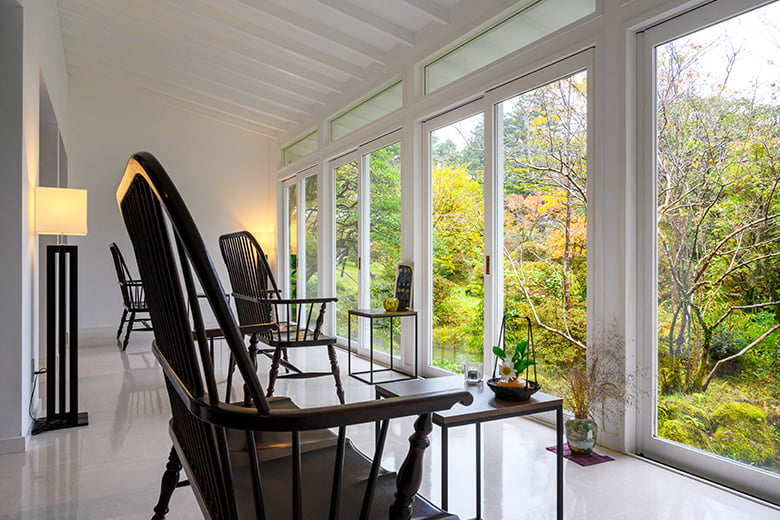
While close to the popular Lake Ashi, the ryokan offers an atmosphere of calm, apart from the bustle outside
A Ryokan Embracing the Spirit of Hakone
Set on more than a hectare of lush grounds, Matsuzakaya Honten is composed of five distinct buildings, each with its own atmosphere, and 21 guest rooms. From each building, guests can enjoy views of a 6,000-square-meter garden. The ryokan’s private onsen baths, among Hakone’s finest, are sourced directly from the spring and have drawn travelers for centuries.
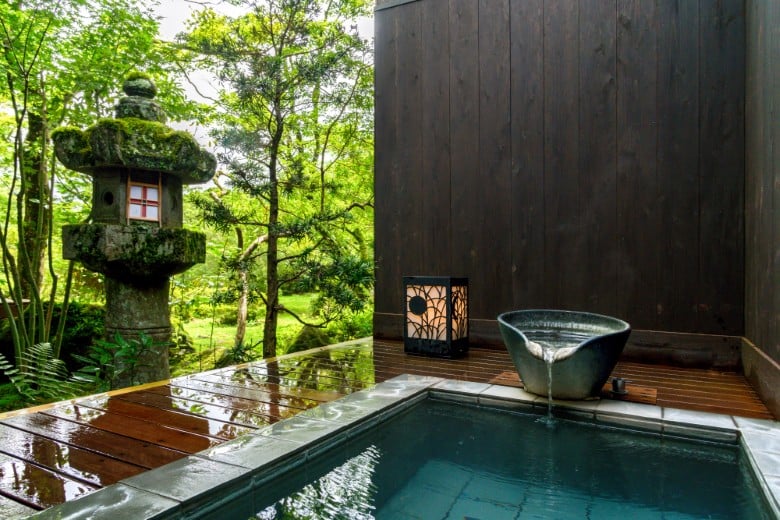
Some rooms feature private open-air baths, ideal for guests new to Japan’s public bath culture
One of Makino’s favorite spaces is the lounge. “The harmony between the stately ryokan atmosphere and the Western-style lounge creates something truly unique. Watching guests relax and enjoy conversations here always brings a smile to my face,” she says.
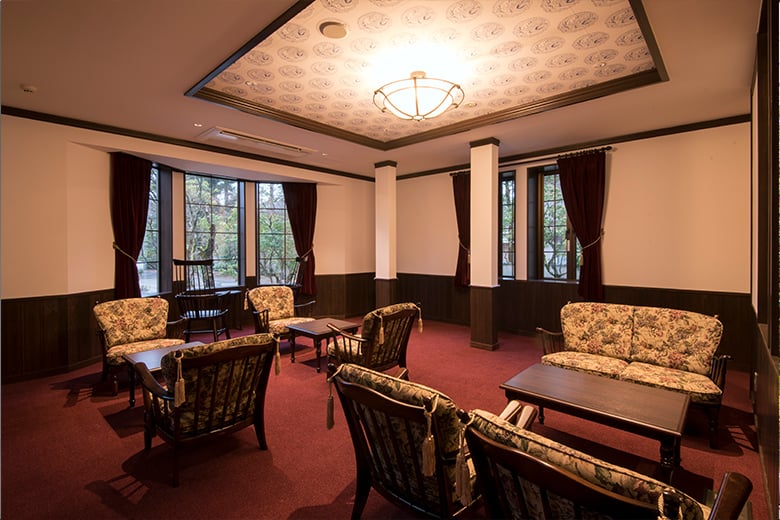
A lounge inspired by Meiji-era Western architecture, complete with a bar
In 2024, Matsuzakaya Honten introduced a new cultural program called “Ryocance,” offering guests a chance to engage with Japanese traditions during their stay—whether trying on armor or yukata, practicing tea ceremony and calligraphy, or folding origami. “For Japanese, origami feels so ordinary,” Makino notes. “But for international guests, even something so simple can feel fresh and surprising. When they exclaim ‘Amazing’ it reminds us of how special our culture truly is.”
A Modern Hospitality Guided by Shared Values
One of Makino’s greatest challenges as okami has been building a new approach to hospitality with an international team. Staff from diverse countries, cultures, and languages required patience, understanding, and experimentation. Makino met this challenge by working closely with each team member, fostering both trust and autonomy.
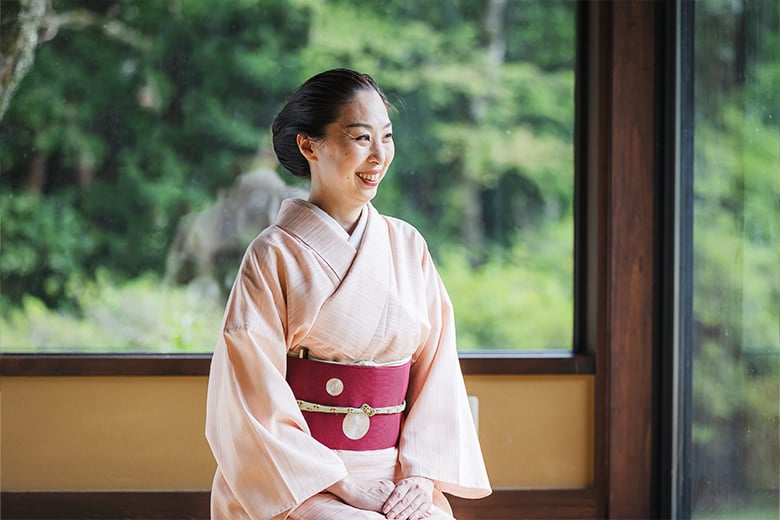
By sharing detailed guest information with her staff, she ensures consistent and attentive hospitality
“There is no single correct way to practice omotenashi,” she explains. “Japanese culture often values subtlety and unspoken intention, which can be difficult for foreign staff to grasp. Yet over time, each member has learned to make their own decisions and provide thoughtful hospitality, smoothly using both Japanese and English. As an okami, I want to serve on the front lines, but also support my staff quietly from behind the scenes.”
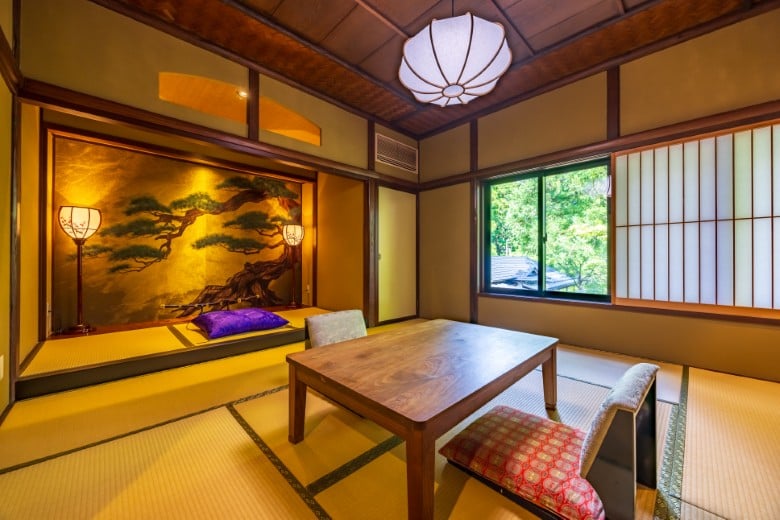
The spirit of hospitality resonates in every corner of the ryokan’s guest rooms
The Spirit of Hakone, Where Every Guest Finds Their Own Way
Hakone’s rich history and welcoming charm mirror the hospitality at Matsuzakaya Honten. “Hakone offers a variety of experiences, from authentic hotels and long-established ryokan to casual and budget accommodations,” Makino explains. “Food tours start at Hakone-Yumoto Station, Sengokuhara presents breathtaking highlands, and Gora and Lake Ashi are perfect for immersing yourself in nature.”
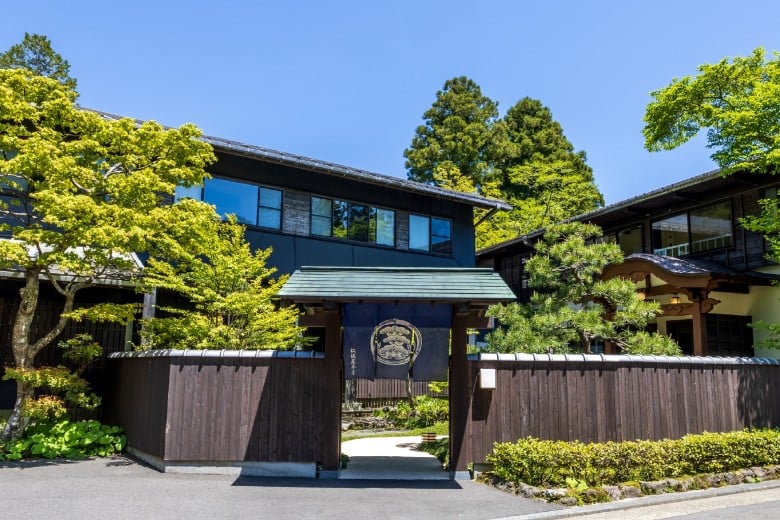
Behind the elegant dark blue noren curtains lies a space full of warmth and tradition
“Anyone, regardless of nationality or background, can fully enjoy what Hakone has to offer. That’s the charm of this small town,” she adds. In Hakone, each visitor can discover their own way to experience its beauty, history, and culture.
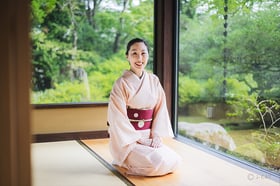
Fumie Makino, Okami of Matsuzakaya Honten
Born in Atami to a ryokan family, Makino began her career as a young okami before assuming full responsibility in 2000. After stepping away in 2017, she embraced a new chapter as okami at Matsuzakaya Honten, a long-established ryokan founded in 1662 in Ashinoyu, Hakone. Together with her international staff, she continues to welcome guests from around the world, offering a close encounter with Japanese culture and the art of omotenashi.


