A Chance Encounter, and a Spiritual Homecoming
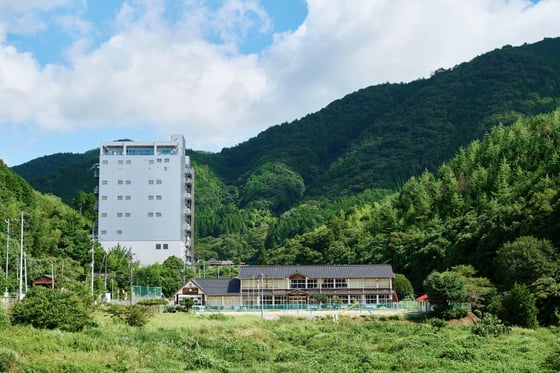
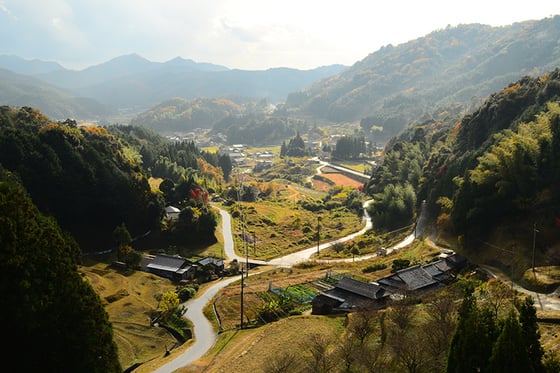
Dassai’s home brewery is situated in the nature-rich mountains of Yamaguchi Prefecture’s Iwakuni city. As its current head, Kazuhiro Sakurai, did not immediately join the family business upon graduating from university as one might expect. Instead, he began his career in human resources in a completely different industry. His father – now the company’s chairman – deliberately sought not to pressure him to follow in his footsteps, feeling that a career in sake brewing was a life’s work only possible through genuine love of the craft.
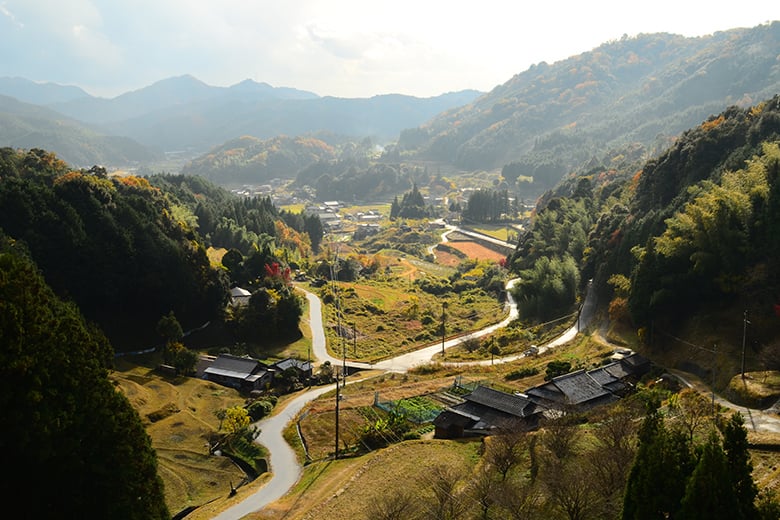
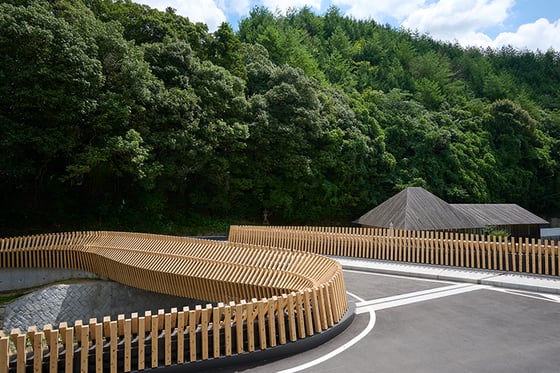
Iwakuni, Yamaguchi Prefecture, blessed with pure water
However, Sakurai found himself looking unexpectedly homeward while working in the glitzy metropolitan milieu of Japan’s capital and largest city. Happening upon his family’s sake in a Tokyo restaurant gave him the opportunity to taste it from an objective point of view, shoulder to shoulder with all the best the competition had to offer. And in that moment, Sakurai had a personal epiphany: he wasn’t the son of a family of sake brewers. He was, he now felt, the son of the best sake brewers in Japan.
Human resources is a field that involves designing criteria and evaluations, which inevitably creates a certain quantitative distance from employees as people. In an environment where joyful human connection was hard to come by, the first conceptual seeds took root of what became Sakurai’s motto: “Deliciousness delights.” And a new passion burst forth, to find meaning in work that actually brings joy to human beings. It was then that Sakurai resolved to return to the family business.
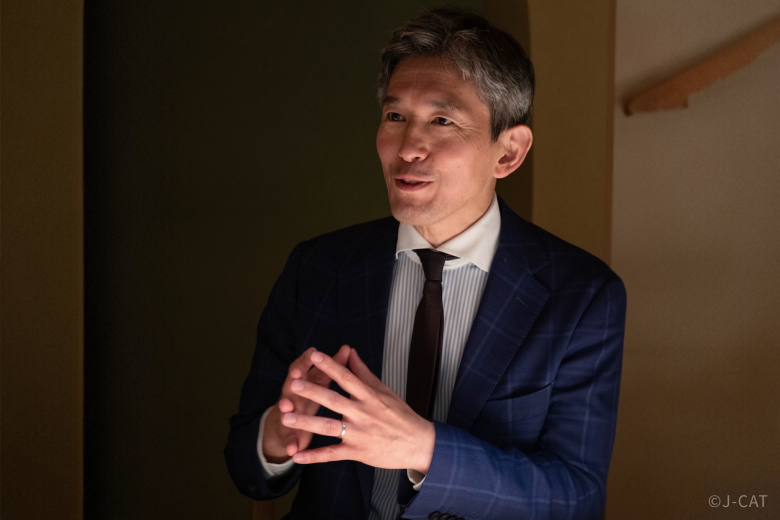
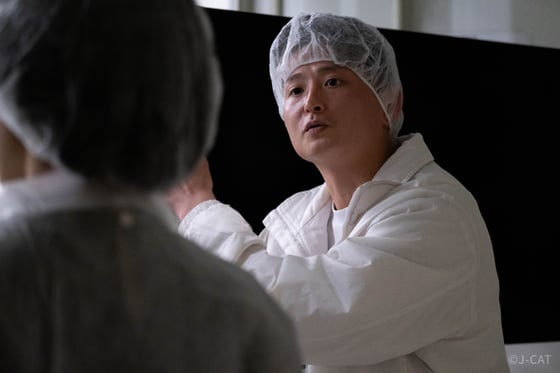
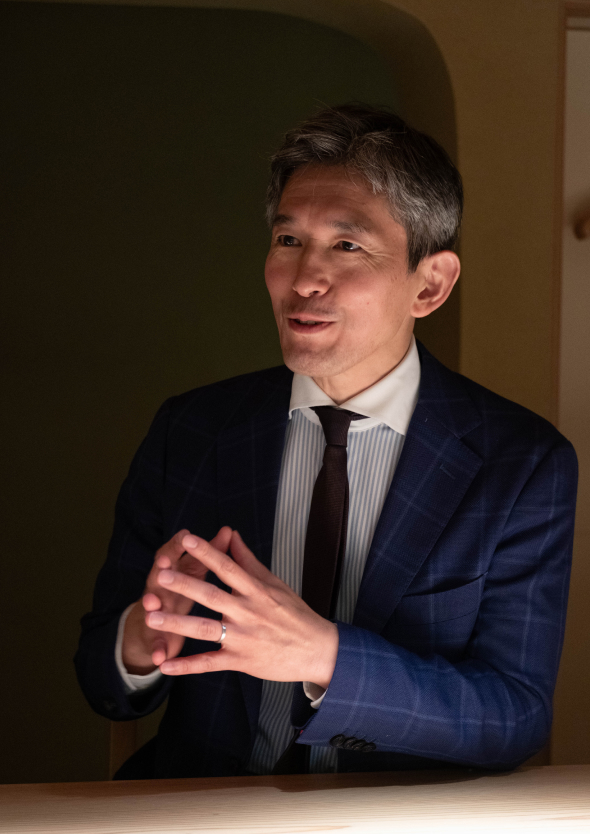
Kazuhiro Sakurai, head of Dassai
Still, in those early days of helming the brewery, Sakurai found brewery management a daunting challenge. The company was about one-twentieth of its current scale, he recalls, with a skeleton staff and no greater aspiration than simply not going under.
That Sakurai made it through these days is a testament to just how firmly his new vision had taken root. He had found his purpose – the love for the craft that his father had always known was vital to running a brewery – and that was simple: to make sake that brought joy.
Dassai’s Commitment to Junmai Daiginjo
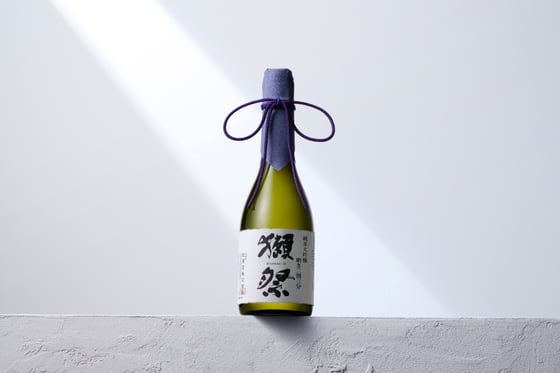
As a brand, Dassai is synonymous with junmai daiginjo. This is a high grade category of sake made with rice grains polished down 50% of their original size or smaller, and without the use of distilled alcohol added to other brews to improve yield with reduced costs. This was a quality commitment born of Dassai arrived at in pursuit of a philosophy of sake to be savored – not simply to sell or get tipsy on. This path to fruition was not at all clear at the very beginning: the brewery’s production was originally centered on ordinary table sake. It was repeated trial and error in pursuit of elevating joy in sake that led Sakurai to his commitment junmai daiginjo.
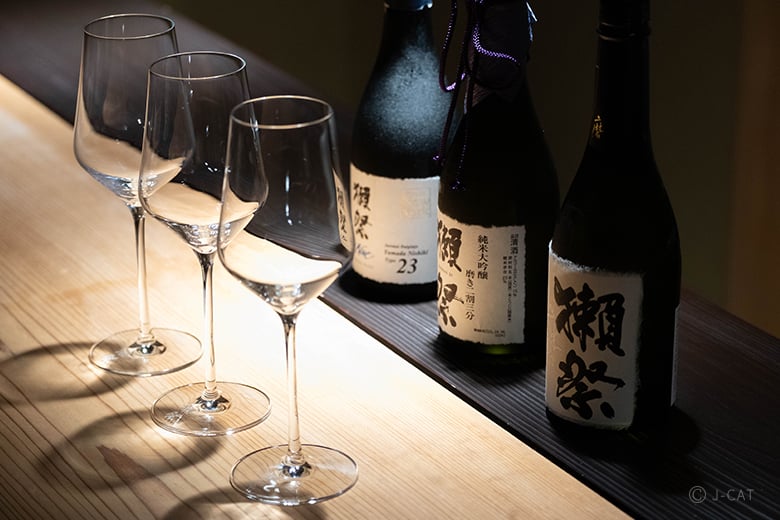
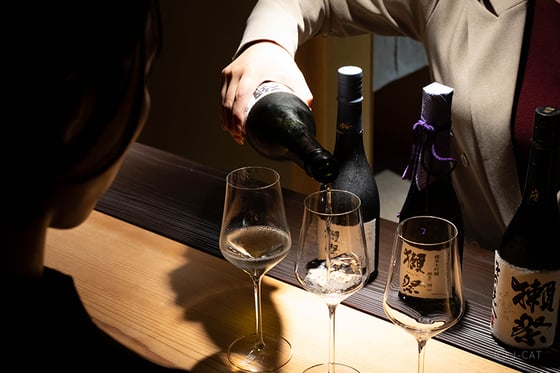
Dassai’s junmai daiginjo combines the quality and cool factor of a rare brew with the availability of a mass-produced sake
At the time, the sake industry’s mainstream ideal was “high-quality sake made in small batches.” Dassai, however, strived to not only achieve top quality, but to deliver it to a broad base. It transitioned away from the hierarchical seasonal brewing system of traditional breweries into a year-round system in which employees themselves took on the brewing process. This made it possible to pursue perfection while ensuring a stable supply throughout the year.
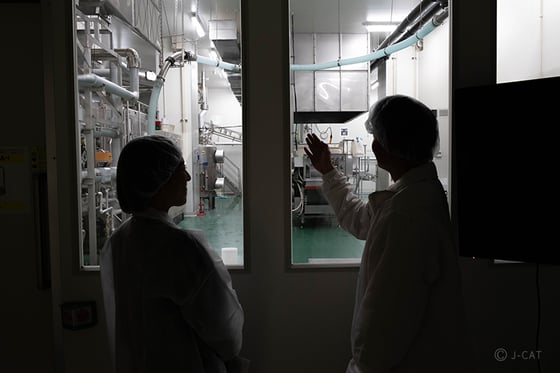
Still, Dassai did not go all-in on mass production. “The higher the quality you seek,” Sakurai explains of his insight, “the more human labor is required.” The brewery uses high tech measurements and data to achieve cost-effective consistency, but leaves the final judgment to the refined senses of the kurabito – the brewery workers themselves.
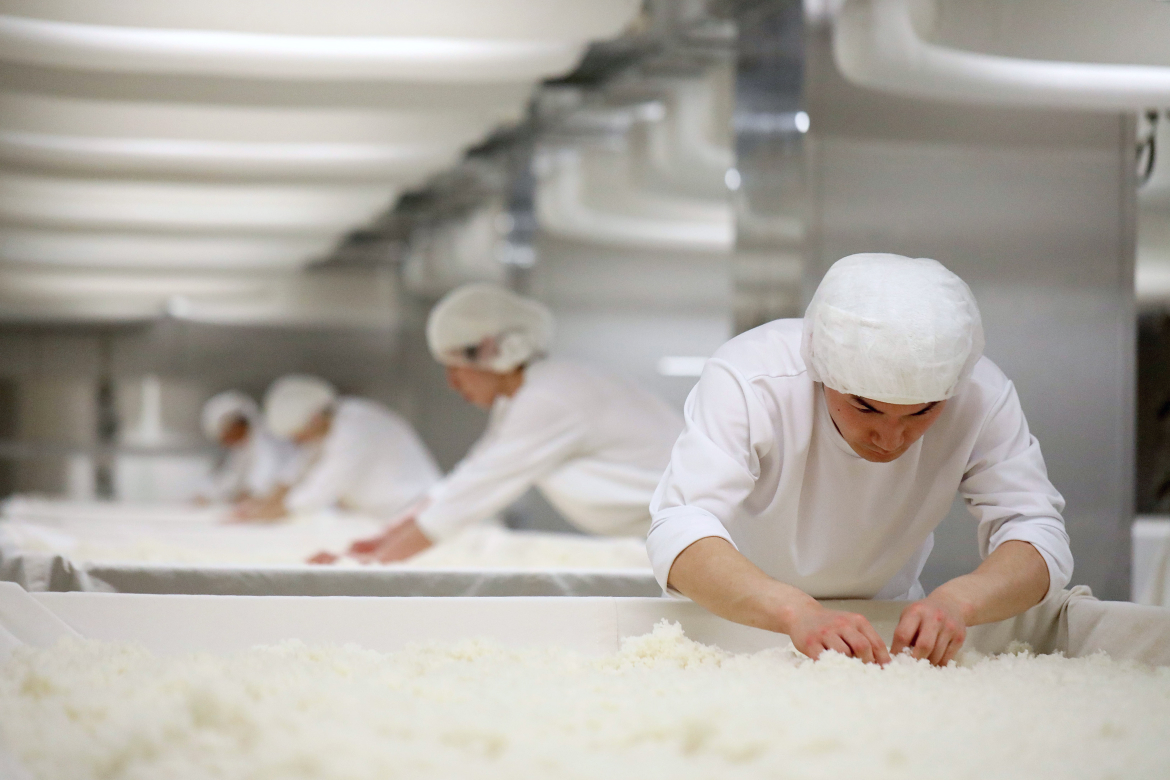
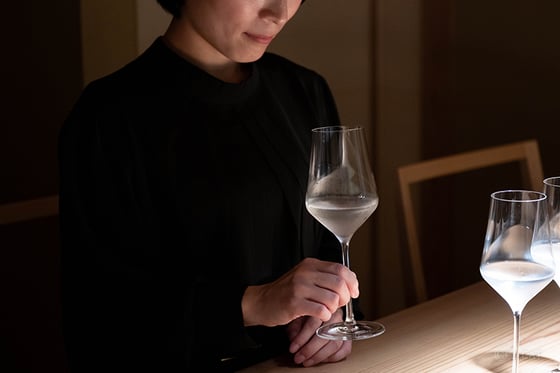
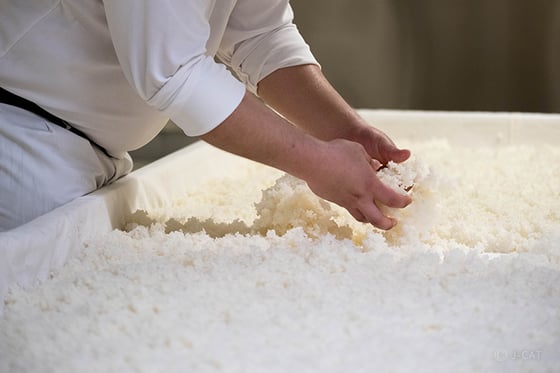
Brewers use all five senses to check the changing state of fermentation each day
“Getting data while brewing is like going for a health checkup,” Sakurai says. “You get a quantified snapshot, but that doesn’t mean you never need a doctor’s insights. I really believe that there are aspects of human labor which are irreplaceable, and it’s important that mechanization should complement that labor, not try to replace it.”
That’s why at Dassai, what cannot be gleaned from numbers alone is judged by humans, through all five senses. It is this synthesis of the best of both worlds that underpins Dassai’s quality.
“Watch the Customer” – The New York Lesson
It is through such unrelenting pursuit of greatness that Dassai has garnered acclaim the world over, and has now expanded sales to more than 40 countries. But Sakurai himself was not necessarily enthusiastic about this in the beginning. During a visit to New York as a student, he had been dismayed to see Japanese sake handled and served in ways that suggested it was not really being understood or appreciated. He fell into doubt about whether it would be possible to develop a genuine connoisseur-level enthusiasm for the drink. That impression, however, changed dramatically as he actually began to undertake sake sales in the city.
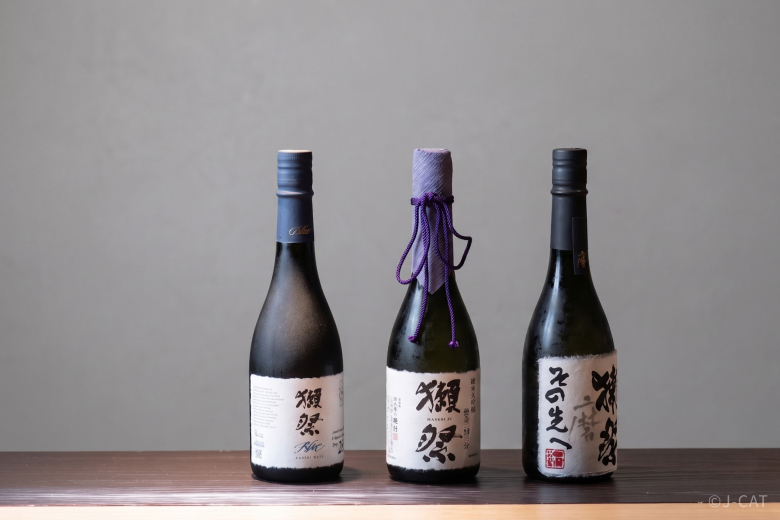
Dassai gradually built trust and support through repeated on-site dialogue
This was something Sakurai jumped into without any confidence in his English abilities – or sales experience. Even when he visited restaurants together with salespeople from Japanese food wholesalers, there were days when he couldn’t even get people to taste his sake. But Sakurai’s inability to rely on language turned out to be a blessing in disguise. The way he tells it now, it forced him to observe customers’ expressions with great care. Their expressions the moment the glass met their lips, and the way their smiles, tones of voice, and body language changed in their conversations with one another. It was through this observation at a more instinctive level that he learned to read what brought joy.
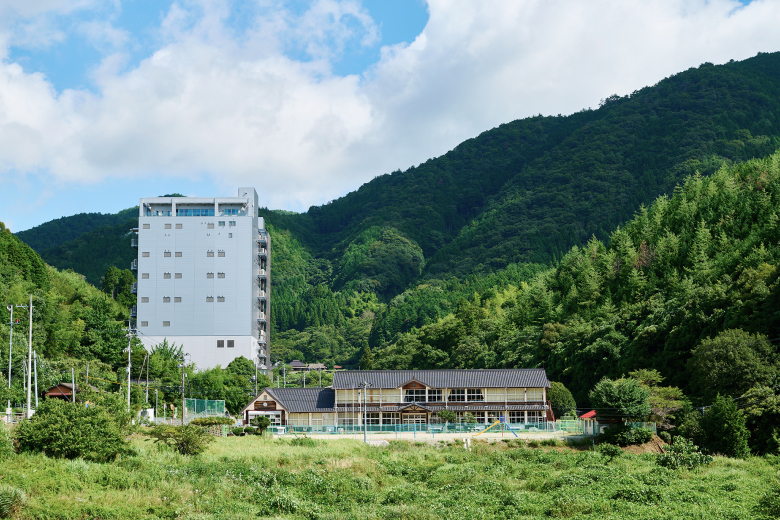
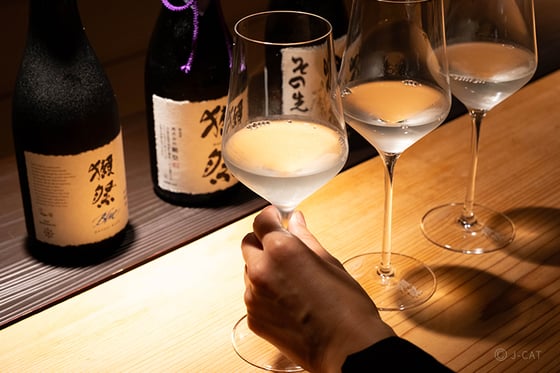
From a brewery surrounded by the mountains of Yamaguchi, Dassai built a brand that speaks to sake lovers around the world
This experience had a major impact on Dassai’s overseas expansion. Sakurai learned not to rely on references to famed water sources or awards, which are cornerstones of sake marketing in Japan but do not necessarily resonate overseas. Instead, he focused on concrete descriptions of flavor notes like “green apple” or “young mango” to help customers understand the sake. In short, Sakurai shifted his focus from what he wanted to say to what the receiver wanted to know. This change in perspective saw Dassai reborn as a global brand.
The Legacy of Meticulously Hewn Craft
Sakurai credits Japanese culture’s allure to its meticulousness, its generosity with time and effort in pursuit of craft. Modernity prizes streamlining and efficiency, whereas traditional craftsmanship in Japan prizes refined techniques and the patient layering of diligence and attention.
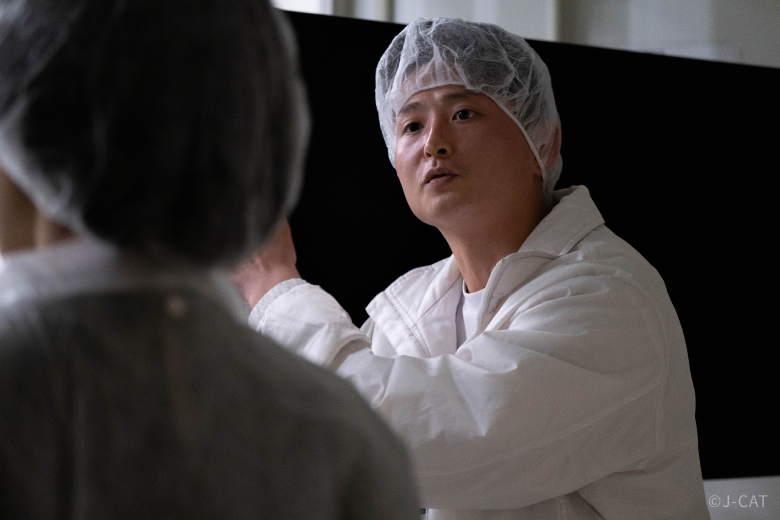
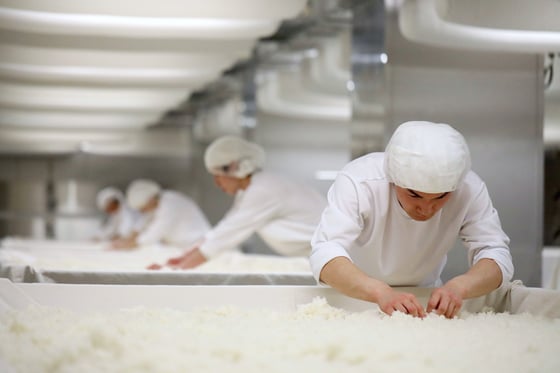
What cannot be gleaned from numbers alone is judged by people using all five senses
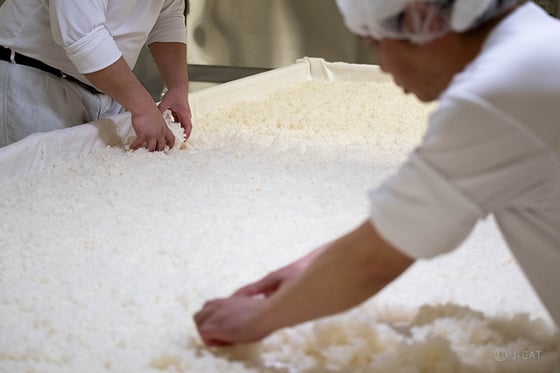
As its operations grow, Sakurai has begun to pour more energy into Dassai’s focus on employee development. Greater production volume means increased staffing, all the more so thanks to a focus on teaching and passing on the craft – developing sensibilities and nurturing mastery rather than just training workers. The way Sakurai sees it, sake brewing isn’t a job for interchangeable laborers following a manual. It requires real knowhow born from on-site experience, and sensibilities developed through all five senses. Dassai’s young brewers learn by moving across the various stages of the brewing process. Dassai is doing more than just teaching brewing here – it’s also nurturing a philosophy of care and meticulous craft that it hopes will live on to the benefit of future generations.
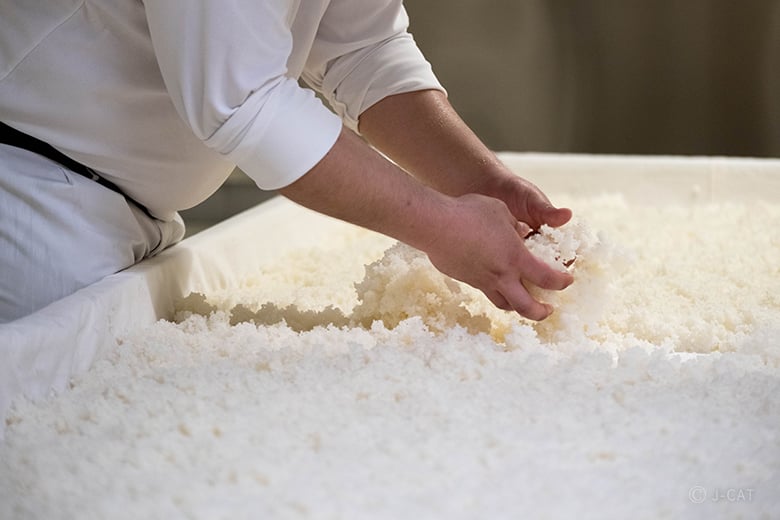
Quality born from meticulous handwork
Experiencing Japanese Aesthetics Through Sake and Fugu
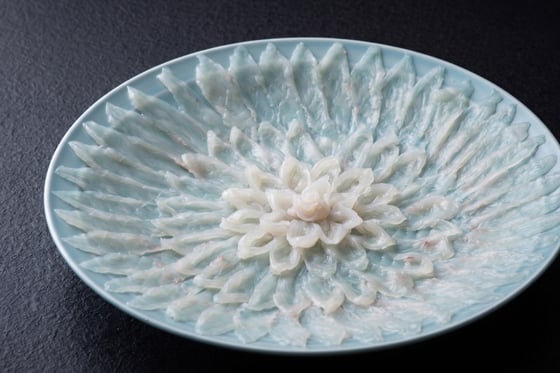
Wabunka's exclusive experience combines a visit to Dassai's brewery with an exploration of Japan's refined fugu cuisine. Sakurai describes this as “a chance to enjoy the distinctly Japanese aesthetic of subtraction.” Fugu – or blowfish, as it is sometimes known – has little fat and a clean, refreshing flavor. Dassai pursues a similarly crisp flavor by polishing rice down to its essence. Both reveal purity in taste by paring away excess, and resonate with an aesthetic sensibility shared across Japanese culture.
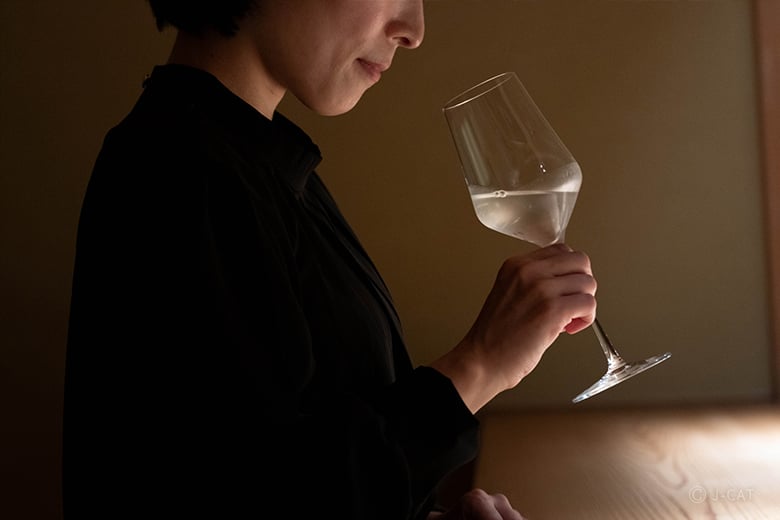
Discovering the philosophies behind fugu cuisine and Dassai
With a visit to the actual production site of Dassai sake, Wabunka guests can deepen their understanding of the meticulous craft and philosophy that goes into each bottle. Going beyond learning to taste yields new insights on the narrative of meaning behind the brew. “Rather than relying on abstract theories of culture, I would be happy if people could just feel the spirit of Japan for themselves as something delicious and fun,” says Sakurai. And as a man with his own experiences learning to understand a foreign country at a level beyond language, it’s hard to imagine a better-suited ambassador for this experiential approach to discovering Japan.
Dassai
A sake brand based out of its brewery in Yamaguchi Prefecture’s Iwakuni City along the mountainous coast of the Seto Inland Sea, Dassai specializes in junmai daiginjo (pure rice sake brewed from highly-polished grains) brewed exclusively from Yamada Nishiki rice through a combination of skilled handcraft and advanced technology. Highly regarded across Japan and beyond, Dassai continues to connect Japan’s own sake culture with the wider world.