A Ryokan that has Inspired Film Actors, Writers, and Dignitaries from Around the World
As one of Kyoto’s best known ryokans with over 200 years of history, Hiiragiya has acquired fame worldwide in spite of its humble origins in the seafood and cargo transport trade. By 1861, however, Hiiragiya’s owners had decided to focus on the ryokan itself as their primary business. “Even in those days, transportation was quite good, making this area quite convenient as a place to stay,” explains Akemi Nishimura. “They began by offering the ryokan to friends and acquaintances.” During the transitional Bakumatsu period (1853-1867) that saw the fall of the Tokugawa shogunate, important leaders of the Meiji Restoration stayed at Hiiragiya, as did many writers, artists, and members of the Imperial Family.
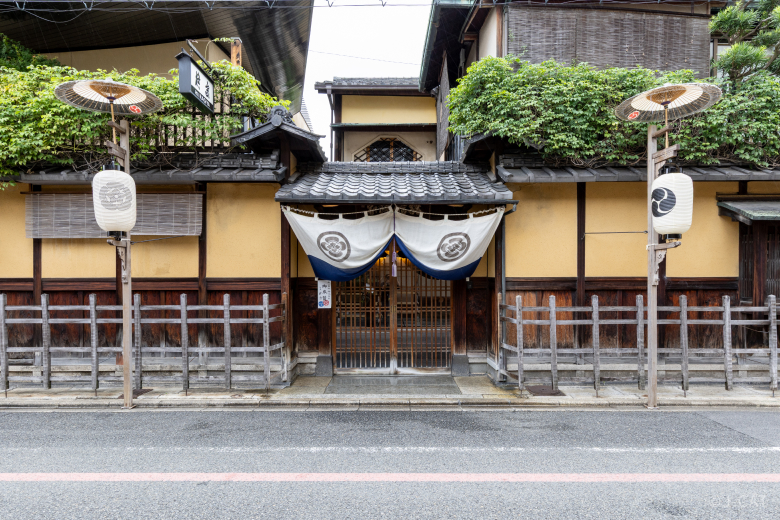
Hiiragiya at the corner of Fuyacho and Oike, an ideal location in Kyoto that is home to many long-standing ryokan inns
Hiiragiya also moved quickly to open its doors to international visitors. “Even in the time of the Emperor Taisho in the early 1900s, the ryokan was already producing English pamphlets to welcome guests from overseas,” says Mai Nishimura. “Back then, Hiiragiya had a branch in Tokyo, and many travelers began to make long journeys from Tokyo to Atami, Mt. Fuji, and Kyoto.” Notable politicians and business leaders stayed at Hiiragiya, as well as early film actors like Charlie Chaplin and Alain Delon.
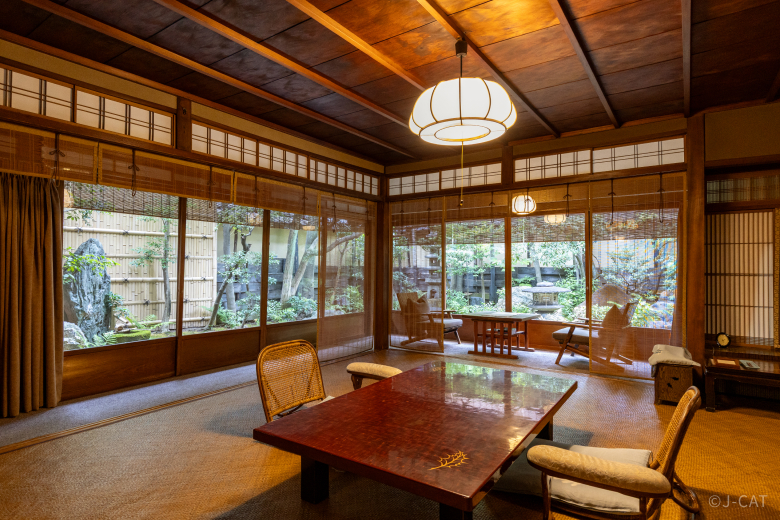
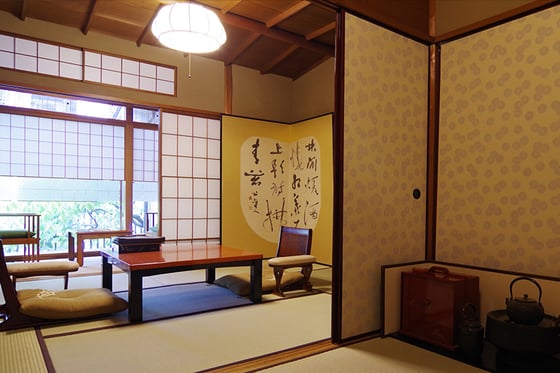
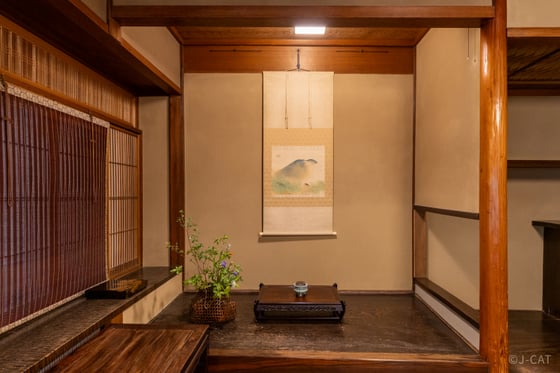
The ryokan’s guest rooms include architecture and design elements that remain from the 1800s and 1900s
The Comforts of Hiiragiya Make the Ryokan a Home Away from Home
“Ever since Hiiragiya was first founded, the spirit of rai-sha-nyo-ki – helping guests to feel at home away from home – has been valued above all,” explains Akemi Nishimura with a calm smile. “This means that some of our Japanese guests have kept coming back to stay with us for three generations, sometimes even all together.”
The secret to the success of this approach is the Japanese approach to hospitality known as omotenashi, which holds comfort and peace of mind for guests above all else. At Hiiragiya, this ancient tradition is expressed with genuine warmth that makes guests feel special yet completely at home.
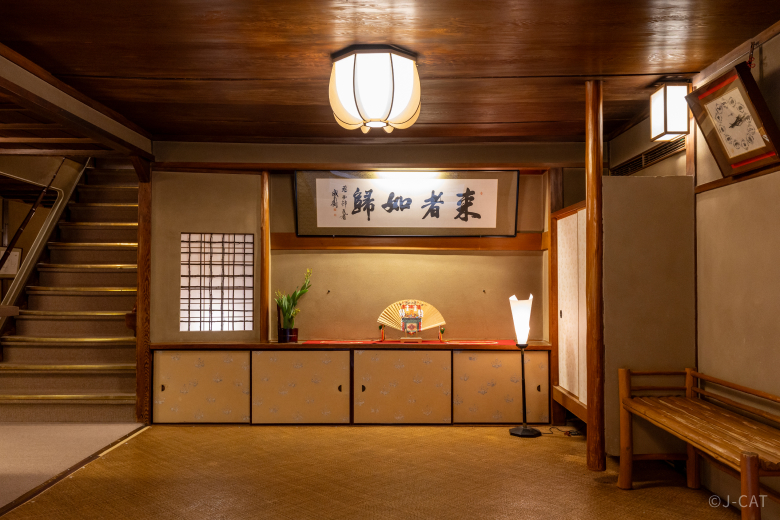
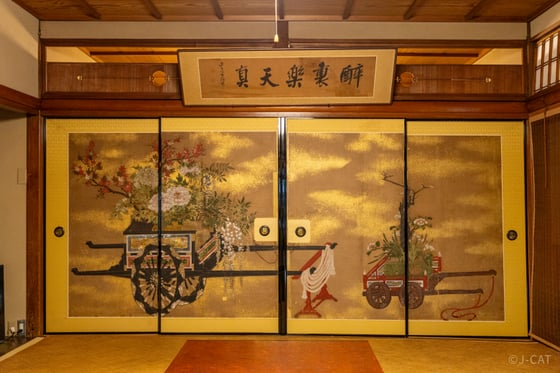
Four Japanese kanji characters spell out rai-sha-nyo-ki (“as if returning home”) above the entrance of Hiiragiya as the ryokan’s guiding principle
Mai Nishimura’s apprenticeship as future proprietress of Hiiragiya began with the study of ikebana, the Japanese art of flower arrangement that welcomes guests with flowers that speak to the soul. The flowers are chosen to provide harmony with their surroundings as well as evoking Japan’s natural beauty in each season. This dedication to hospitality permeates every aspect of Hiiragiya, from the design and decor of the rooms themselves to the food and customer service.
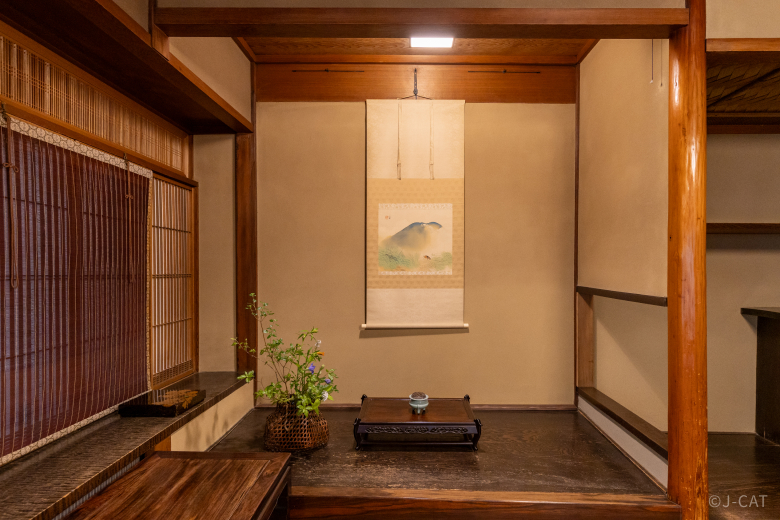
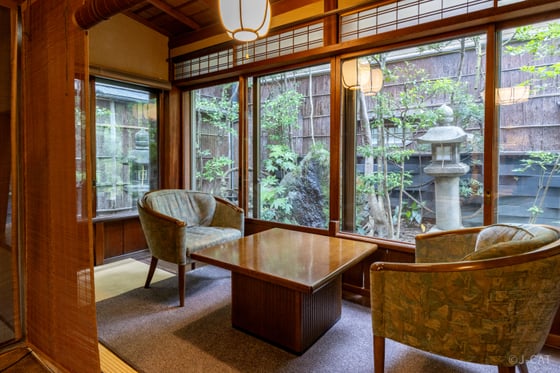
Flower arrangements throughout the building provide subtle hints of the beauty of the changing seasons
Yasunari Kawabata, winner of the Nobel Prize in Literature, once wrote about the ryokan. “Everything at Hiiragiya is calm and welcoming, imbued with understated charm.” Mai Nishimura adds her own thoughts to the great writer’s sentiments. “We want to care for the needs of each and every guest, so that their stay at Hiiragiya is always one of ultimate comfort.”
Two Women Carrying on the Legacy of a Historic Ryokan with Pride and Determination
For Akemi Nishimura, inheriting her post as proprietress of Hiiragiya was a natural progression in her life that she never really questioned. She says that her predecessor, who had actually married into the family from outside the hospitality industry, was inspirational, continuing to work into her mid-nineties. “Unfortunately, with her advanced age, she eventually suffered a serious injury, but guests still came to visit her. I’ll always be grateful that I knew her and can continue the legacy of our close friendship.”
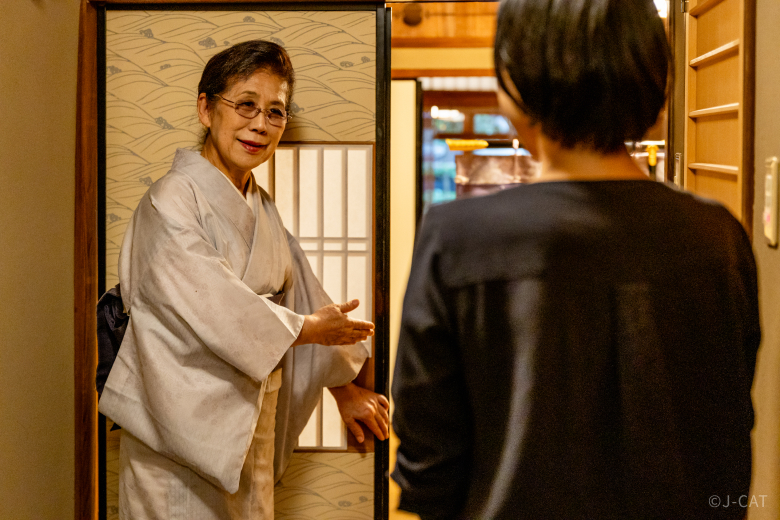
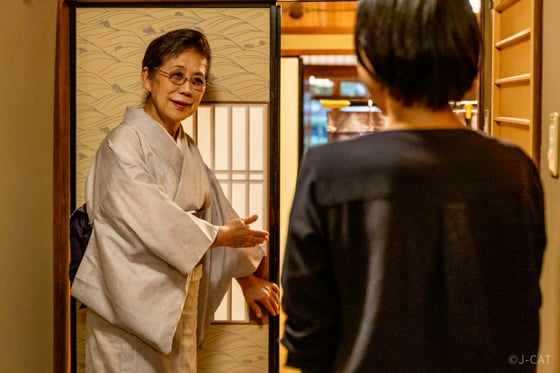
Sixth-generation proprietress Akemi Nishimura has a wonderful way with guests, helping them to feel immediately at home
Mai Nishimura did not immediately choose to follow into the ryokan business. After graduating from university, she worked in public relations for about three years. “But I always thought I would return to Hiiragiya in some capacity,” she says.
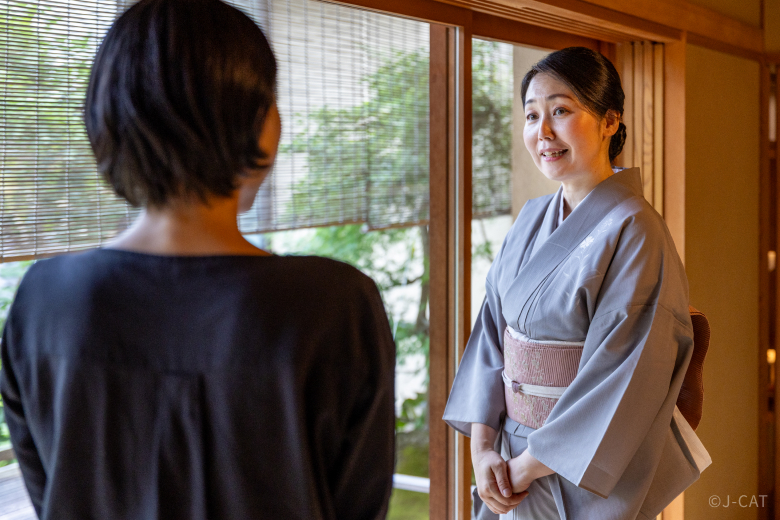
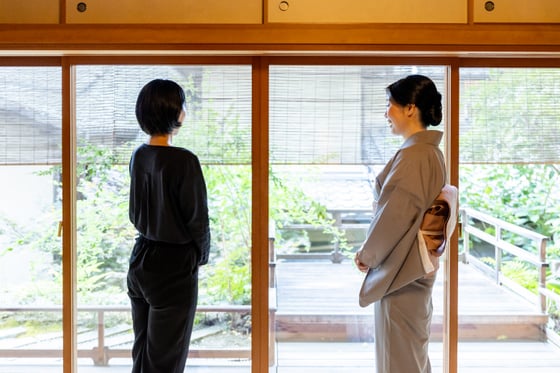
Mai Nishimura enjoys engaging in conversations with her guests
The experience that she gained in her previous profession has contributed greatly to Hiiragiya’s ongoing success. Her efforts have helped the business to evolve, particularly in terms of its website and online presence. She has also increased endeavors to collaborate with traditional artisans and craftspeople through selling their original works of art. At the heart of everything she does is the Japanese concept of kokoro, which guides her to protect the values that Hiiragiya holds dear.
The Future of Hospitality in Kyoto Requires Innovation
When asked what is the true essence of Kyoto, Akemi Nishimura has quite a lot to say. “People here wish to live long and fulfilling lives in harmony with nature—that’s the foundation of everything that Kyoto stands for as a city. As residents of Kyoto, we believe that we must not only cherish the best things of our past but also find ways to pass them on to future generations. As for our guests here, I hope we can encourage them to fully experience the profound and unique charms of Kyoto, a city that has a fascinating political and economic history but that has also done so much to nurture the arts.”
With the future in mind, she is also devoting considerable efforts towards educational programs for local communities and schools. Based on the many charms of Kyoto and their historical context, she is striving to provide opportunities for young people to learn about Japanese culture through direct experience.
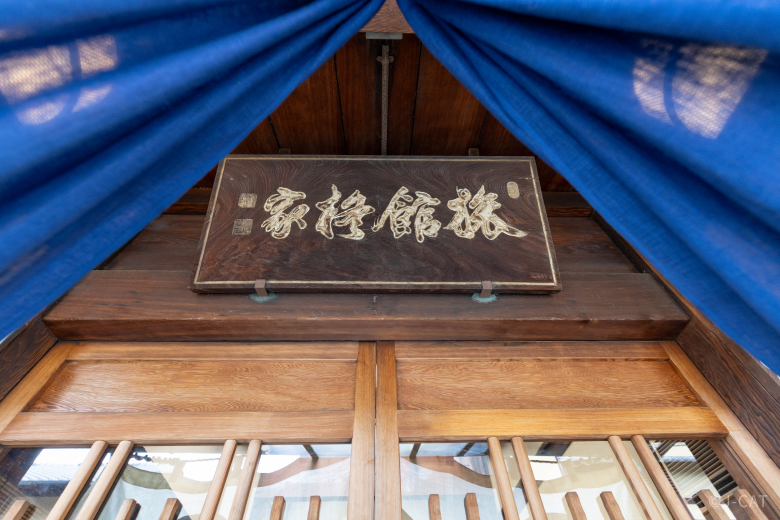
Beyond the entrance of Hiiragiya with its historic wooden signboard lies a tranquil world of refined Kyoto hospitality
Mai Nishimura believes that efforts to preserve tradition can lead to new innovations that create added value. “For example, maintaining older wooden buildings is a difficult task. And even with materials like tile or glass, which help maintain a sense of authenticity, techniques used to create them can be lost if not passed on. The buildings of our ryokan exist because of the work of traditional artisans and craftspeople, so we feel a deep responsibility to help them pass their knowledge and skills on.”
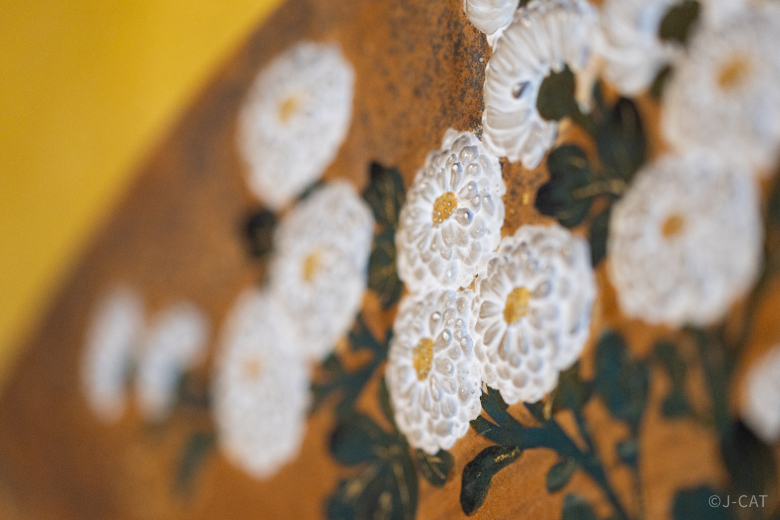
Some features of the ryokan can be difficult to repair, such as this textured gofun painting on a sliding door depicting a fan of chrysanthemum flowers, believed to date back to the Edo period (1603-1867)
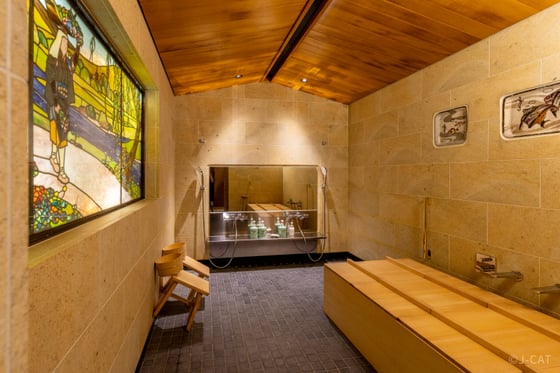
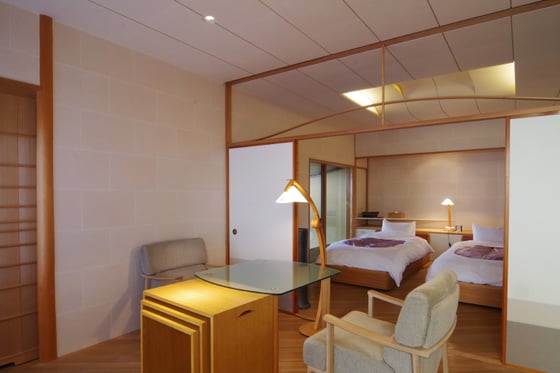
Within Hiiragiya’s newest building, which was completed in 2006, each guest room includes features made using traditional techniques in order to showcase artisanal skills in a way that guests can appreciate. “Every time I encounter the intricate works that the artisans create, I think of the incredible techniques required,” says Mai Nishimura. “It makes me want to share this with more people.” It is through carrying on such traditions that new opportunities for innovation and expression at Hiiragiya can continue to arise.
Celebrating Kyoto’s Tradition of Ryokan Hospitality as a Cornerstone of Japanese Culture
“A ryokan is not a hotel,” says Akemi Nishimura. “Unlike a hotel, a ryokan has a room attendant to make sure that you have everything you need during your stay. Staff at Hiiragiya are trained to be responsive to their customers yet unobtrusive in order to avoid making them uncomfortable. While this may be a bit different for some of our international guests, we hope that they will find something to cherish in Japan’s unique tradition of ryokan hospitality.
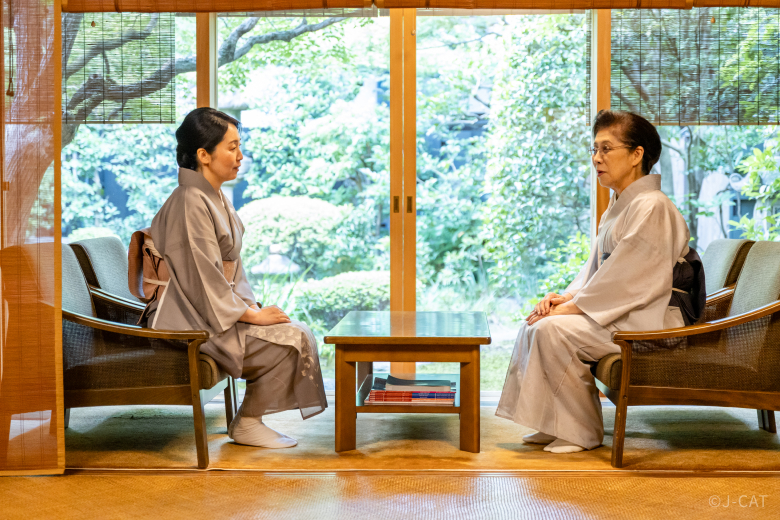
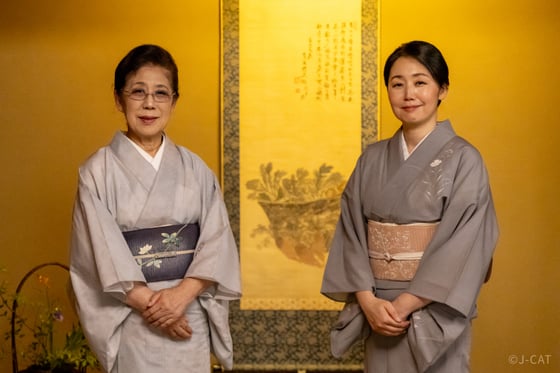
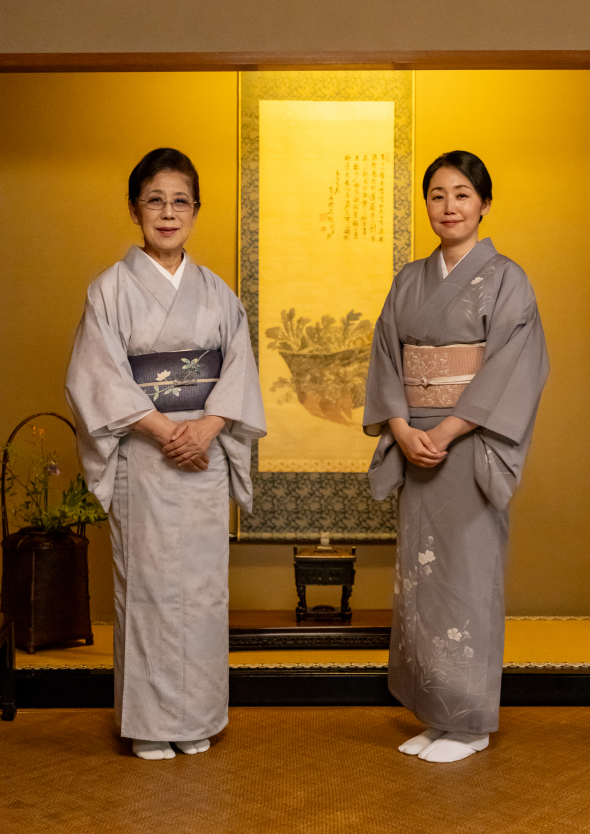
Both Akemi and Mai Nishimura wish to pass on the legacy of Hiiragiya, and traditional ryokan hospitality, to future generations
Of course, the seasonal patterns of traditional life can seem at odds with the pace of modern life. “When summer comes, we let down the bamboo blinds and lay out mats of rattan mesh,” explains Mai Nishimura. “In autumn, we take the blinds down and remove the mesh, then put the sliding doors in again. This ongoing rotation allows us to live in harmony with nature through adapting to the changing of the seasons in much the same way that we enjoy seasonal delicacies and flowers. Along with the basics of food, clothing, and shelter, these are all crucial parts of Kyoto’s tradition of ryokan hospitality that we hope will endure long into the future to give our guests a sense of peace and belonging whenever they visit Hiiragiya.”
HIIRAGIYA
Founded in 1818, this classic Kyoto ryokan is widely known for consummate hospitality based on its philosophy of rai-sha-nyo-ki (“as if returning home”). Both its main building, a traditional two-story wooden sukiya, and its newer building, opened in 2006, offer views of its inner garden. Offering Kyoto-style kaiseki meals that make use of seasonal ingredients, Hiiragiya is an oasis of comfort and tradition—the perfect choice for a memorable Kyoto stay.