Junichi Ueno of Sekitei, Preserving a Beloved Local Landmark
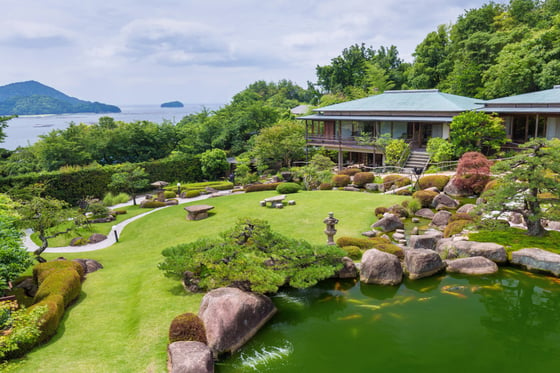
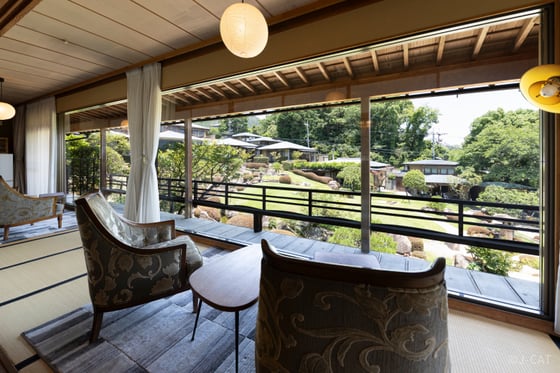
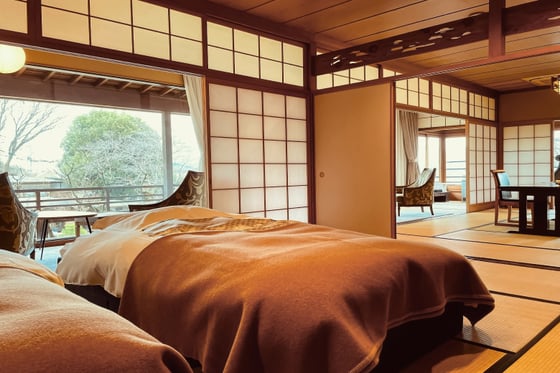
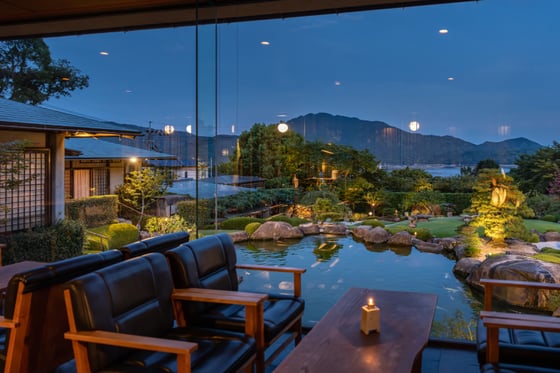
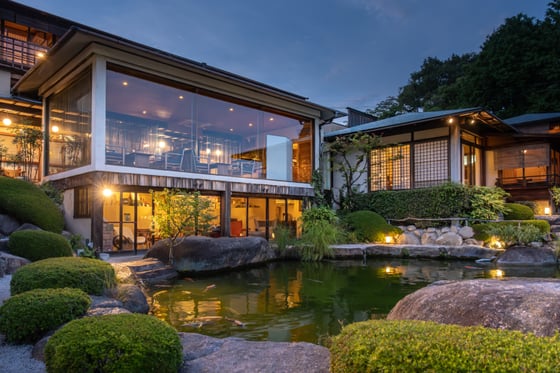
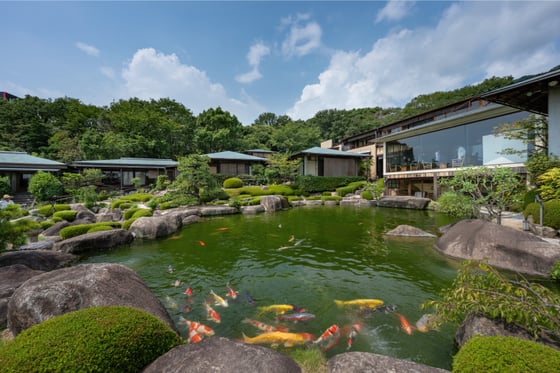
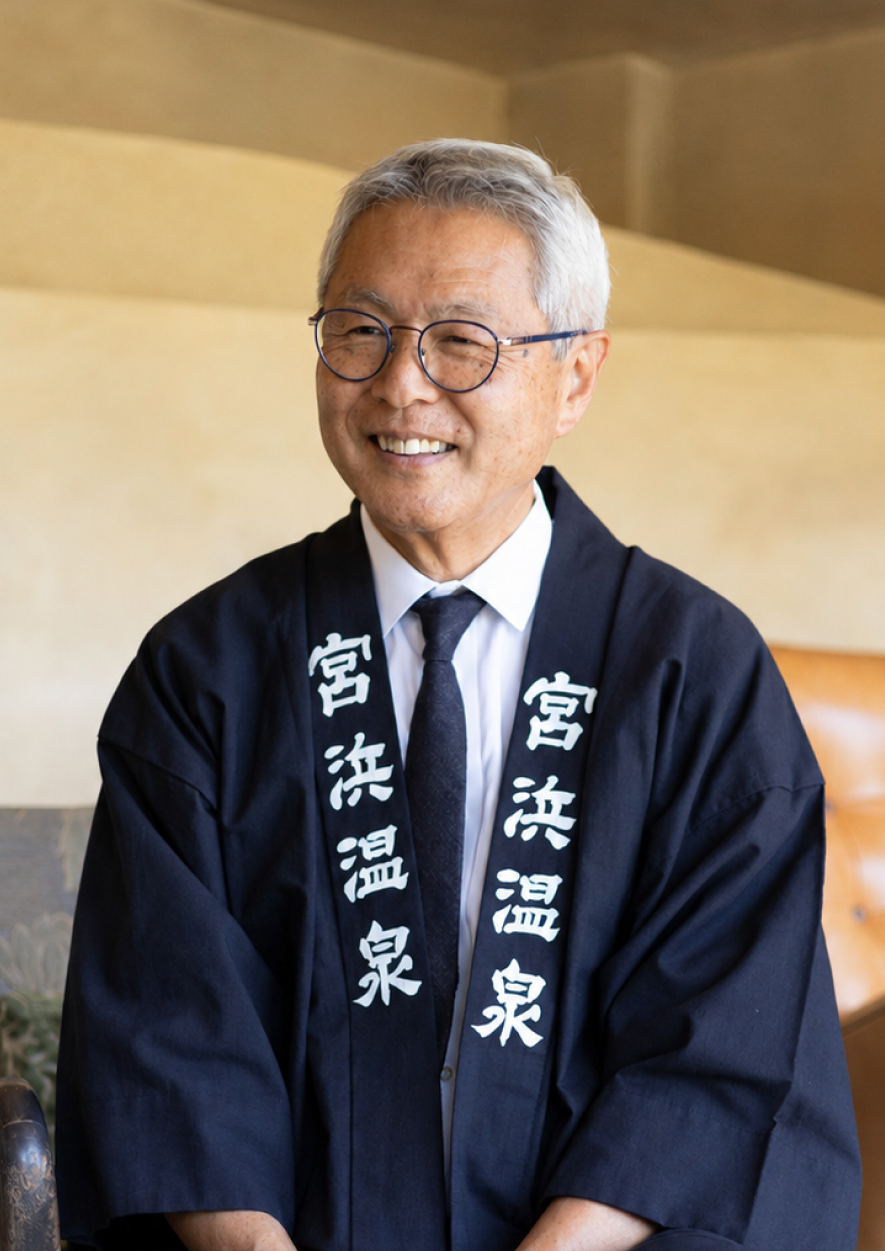
Garden Inn Sekitei overlooks the Seto Inland Sea and the island of Miyajima. Located in Hiroshima Prefecture’s Hatsukaichi City, it has garnered acclaim across Japan and beyond as one of the country’s most distinguished inns. Sukiya-style guest rooms, beautifully manicured gardens, and cuisine showcasing the bounties of the Seto Inland Sea are revealed to guests in sumptuous depth and crystal clarity through the slow-flowing time that permeates the property. Behind all of this beautiful preservation and presentation of Sekitei is current proprietor Junichi Ueno.
“I want guests to explore the inn and its grounds rather than simply staying inside their rooms,” Ueno says. At the heart of his approach to fostering this exploration is a philosophy of discovery.
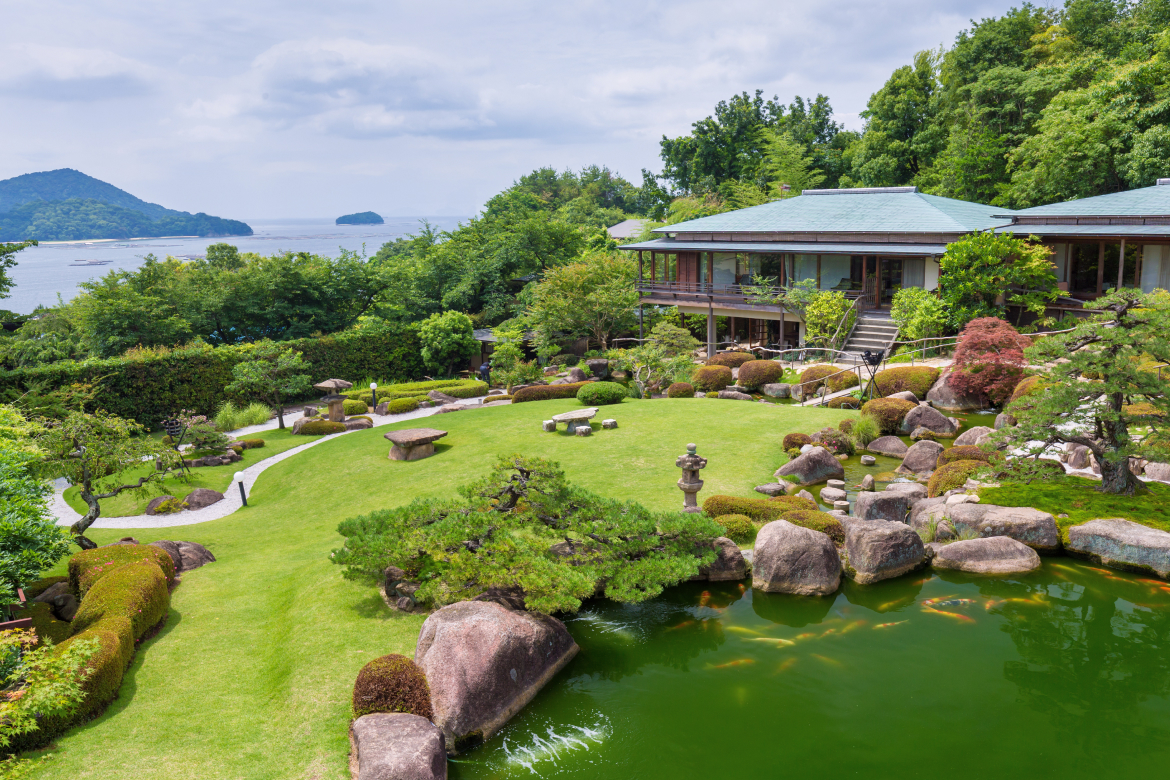
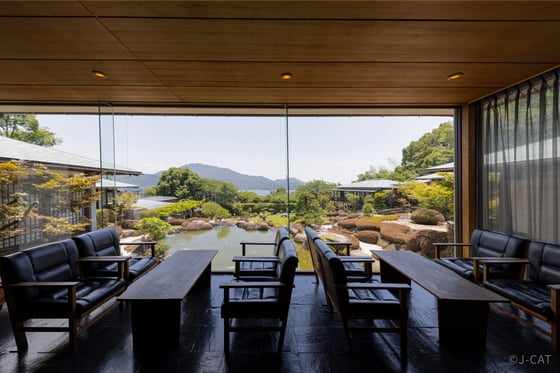
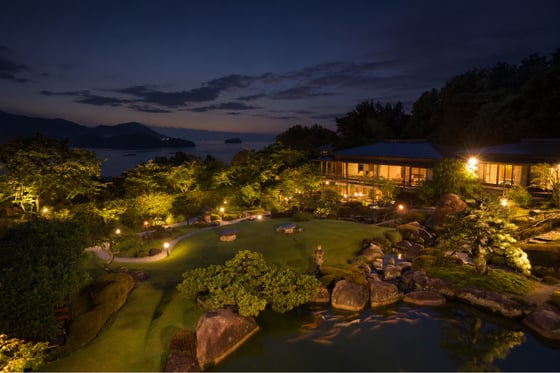
Arresting views of Miyajima and the Seto Inland Sea serve as backdrop to the inn’s lush garden
Ueno was born into the family behind Anagomeshi Ueno, a restaurant which has maintained a presence in Miyajimaguchi, Hiroshima for over a century and a quarter. After his marriage, his wife took over the restaurant’s operation, while Ueno and his architectural specialist younger brother focused on running Sekitei together. Looking back, Ueno recalls that the two shaped the inn through a gradual process of sometimes intense debate.
“Of course, it wasn’t always an easy road. There were periods when we renovated guest rooms but didn’t see as many guests as we’d anticipated.” As they continued searching for the answer to what makes an inn truly special, Ueno began building relationships with other inn proprietors across Japan.
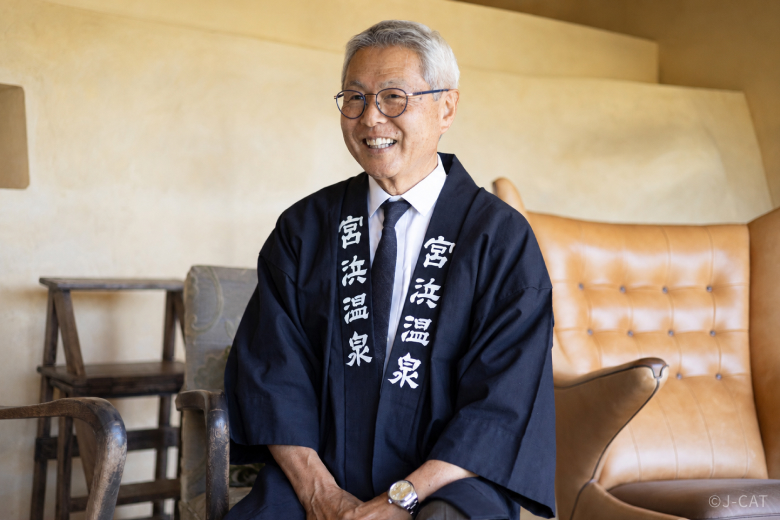
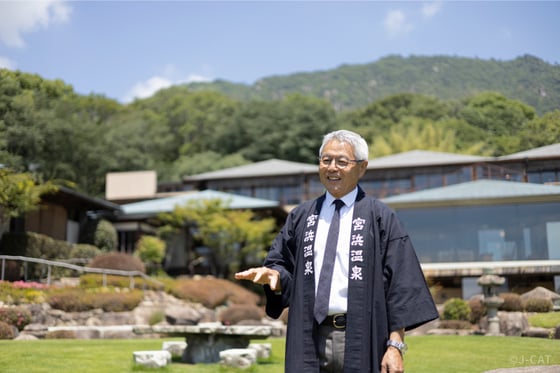
Sekitei Proprietor Junichi Ueno
A turning point came approximately 30 years ago, when Ueno established the World Inn Culture Research Association – also today known as “The Exquisite Ryokans”. “Surprisingly, wine was what prompted us to start it. Inn proprietors from around Japan would gather over wine to talk. It was just a small unofficial gathering at first.”
The group eventually developed into an official forum connecting proprietors of some of Japan’s most distinguished inns. Leading establishments from across the country linked up to discuss their initiatives and challenges. Critical elements of innkeeping – such as lighting, bedding, baths, cuisine, and architecture – were frequent topics of discussion, and prompted deeper exploration of just what makes an inn exceptional.
The Aesthetics of Care at the Heart of Innkeeping
Looking back on the time when the World Inn Culture Research Association was founded, Ueno recalls a five-syllable Japanese mnemonic used to describe the key elements of the inn experience – “Ha-hi-fu-he-ho” – where each syllable respectively serves as an abbreviation for one of five elements: 1. Ephemerality, 2. Lighting, 3. Baths, 4. Beds, and 5. Books. There was also much discussion about the importance of design, with the belief that design would become increasingly important for the inns of the future.
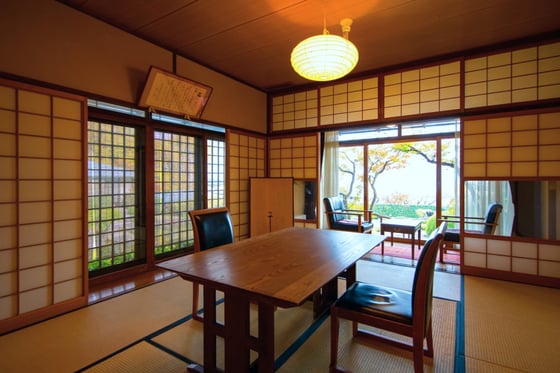
Of course, buildings age. Mold develops. When working with older structures, maintaining the facilities inevitably becomes a challenge. Yet this too is addressed with meticulous care at Sekitei. Walking through it reveals historic architecture and tableware that retain their natural vintage charm.
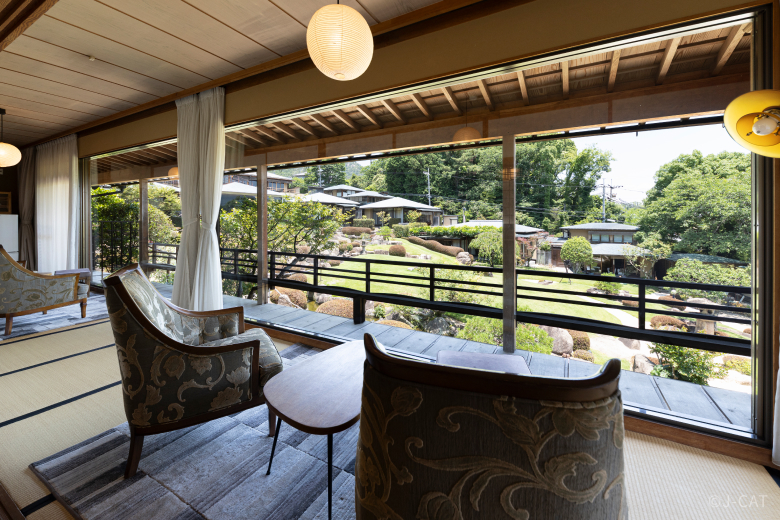
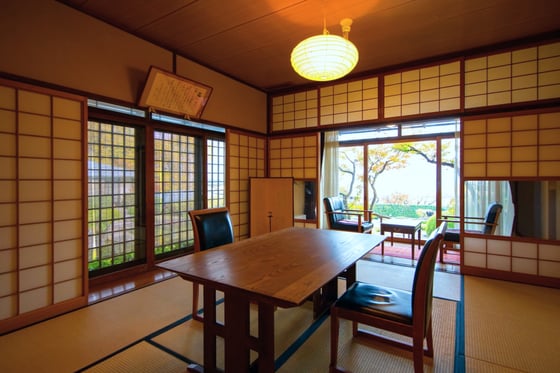
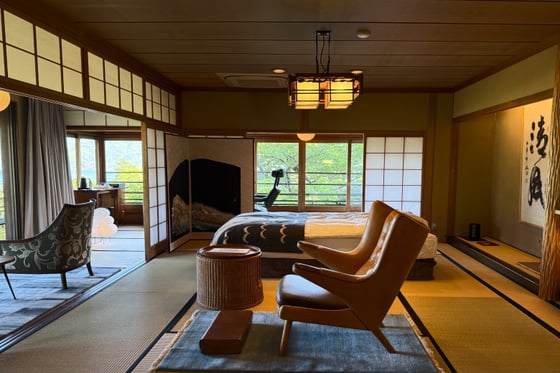
Traditional sukiya-style architecture is a defining feature of Sekitei
Restoring historic structures to look brand new can often come at the cost of their vintage appeal. A delicate dance is required to maintain the balance between aged character and cleanliness, historicity and comfort. But this careful balance lies at the heart of Sekitei’s approach to maintaining the inn.
Ueno says that such a fine balance comes only from taking responsibility for the care into one’s own hands. “There are things you simply cannot see if you leave gardening or building renovations entirely to others. It is only by being there yourself, on site, that you really understand areas you can improve.”
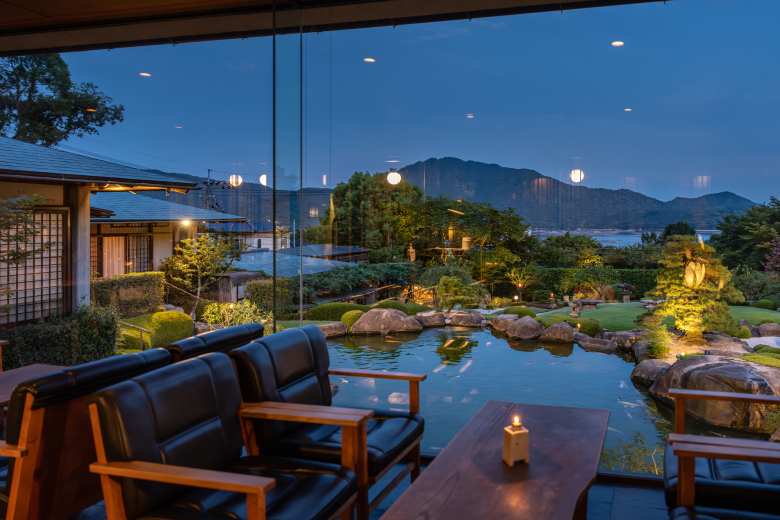
The beauty of the space is the product of meticulous care
Japanese Aesthetics Revealed in a Once-in-a-Lifetime Encounter
When asked what makes an inn “good,” Ueno pauses for a moment. “Being beautiful,” he answers finally. Elaborating, he notes that a sense of natural harmony throughout – from the hearts of those who work within, to the architecture, design, and furniture – is what creates a truly beautiful and comfortable environment.
“Beauty is ephemeral. It does not last; rather, it resides in that which is gradually fading away.” The flame of a candle. A fragrance. The moment water sprinkled over a garden evaporates. Plants, animals. Even buildings. And especially encounters between people.
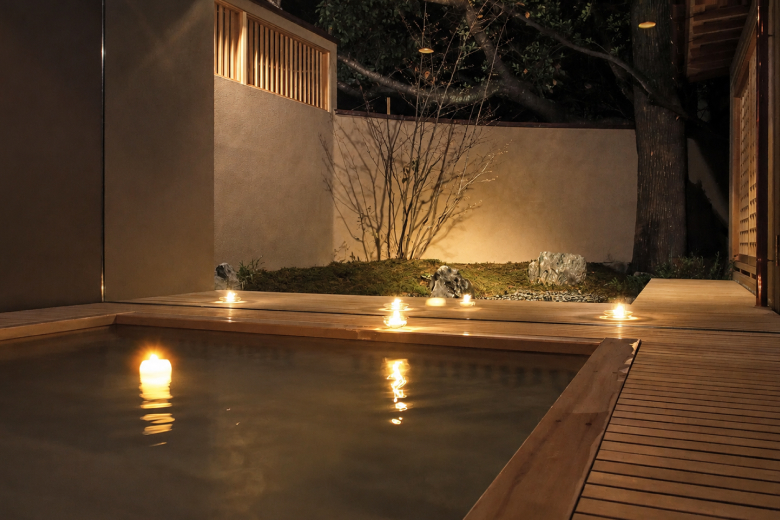
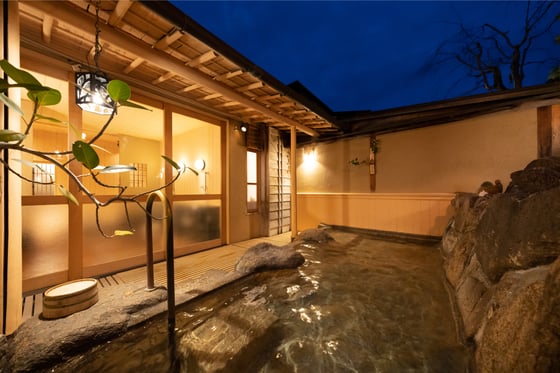
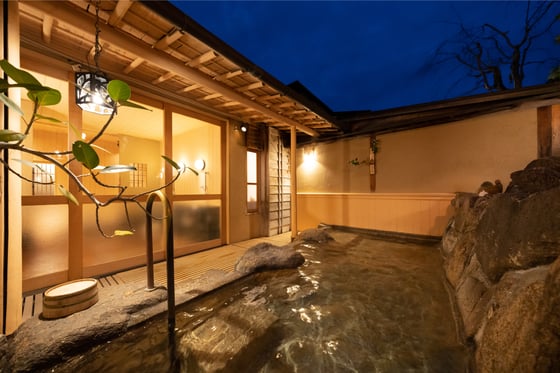
Guest room baths are designed to comfort the body and mind
Even the simple greeting of welcome that inn guests receive is but a fleeting moment – and that is precisely why it is precious. To Ueno, an inn’s appeal lies in its ability to create moments when guests can relish this ephemerality. As evening falls and the lights come on and the garden reveals a new face; as guests savor dishes of fresh ingredients available only on that day: these, too, are encounters never to be repeated.
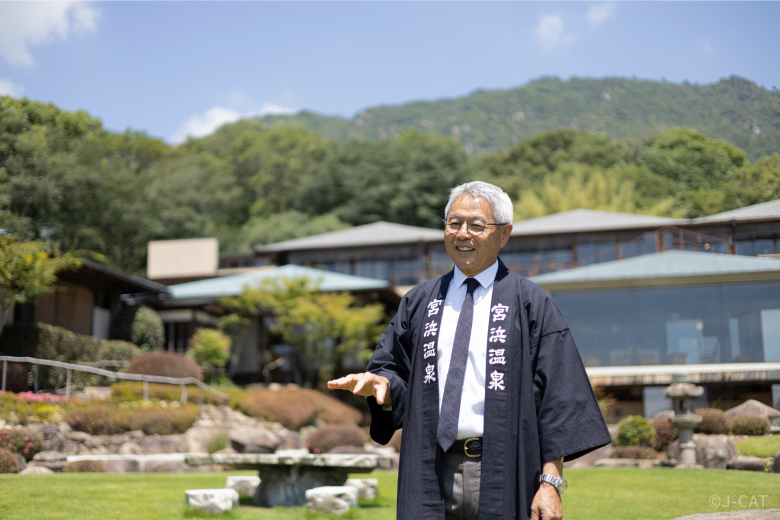
Ueno is an innkeeper with the philosophy of once-in-a-lifetime hospitality
Looking Ahead as an Inn Specializing on Japanese Cuisine
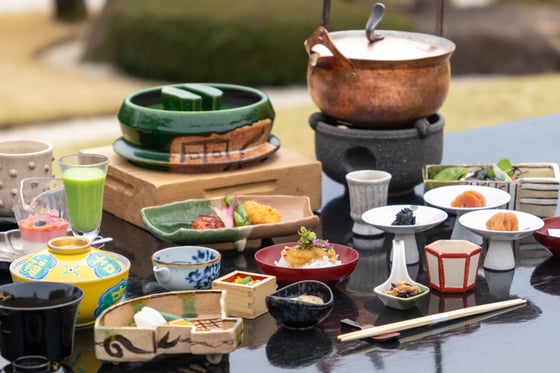
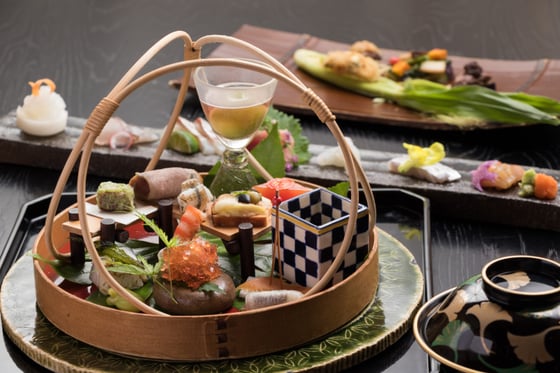
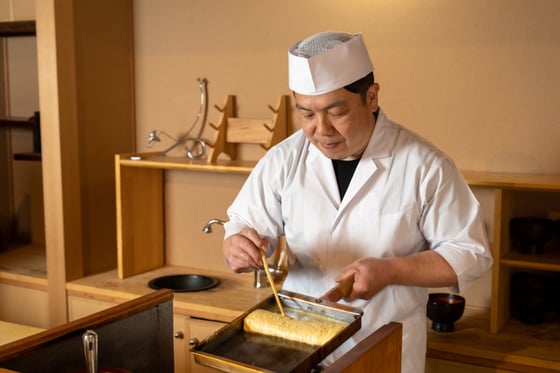
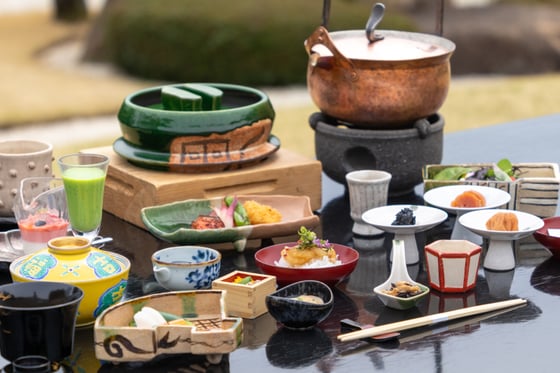
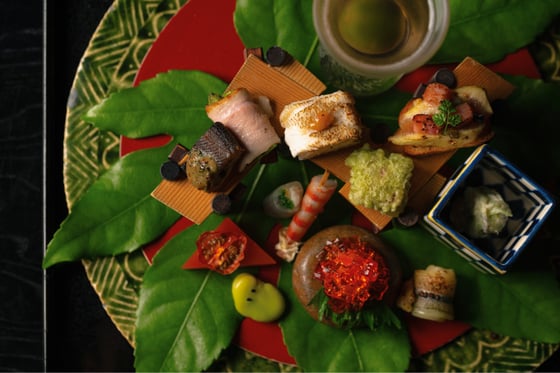
Today, Sekitei counts its cuisine as one of its standout strengths. Dinner consists of eight courses, whereas the hassun course features some 15 individual dishes. The dining experience is the product of an entire team led by the head chef and sommelier. Ueno describes this culinary mastery as “Sekitei’s secret weapon.”
Sekitei has described itself as an inn specializing in Japanese cuisine for more than 20 years. It strives to be more than simply a place to stay in luxury, offering a place where guests fully enjoy its fine cuisine. Dedicated to this ideal, Ueno continues to refine the inn’s appeal together with its chefs, service staff, sommeliers, and other members of the team.
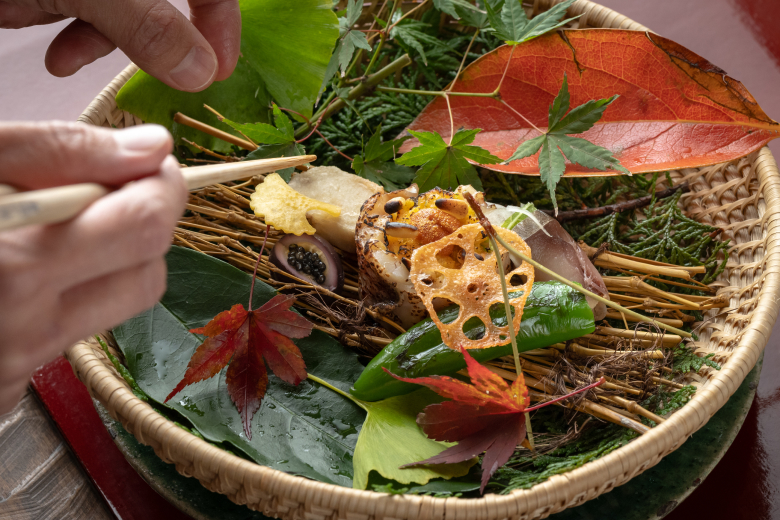
Sekitei’s culinary experience is crafted by its head chef and sommelier
Looking back, Ueno says, “The most difficult time wasn’t when guest numbers were low. It was when the kitchen team couldn’t come together.”
“An inn is not sustained by its architecture or food alone. Only if the people behind it are all moving in the same direction can we truly provide guests with an exceptional experience.” Through this insight, Ueno came to believe that building the human organization and nurturing its members was also vital to innkeeping.
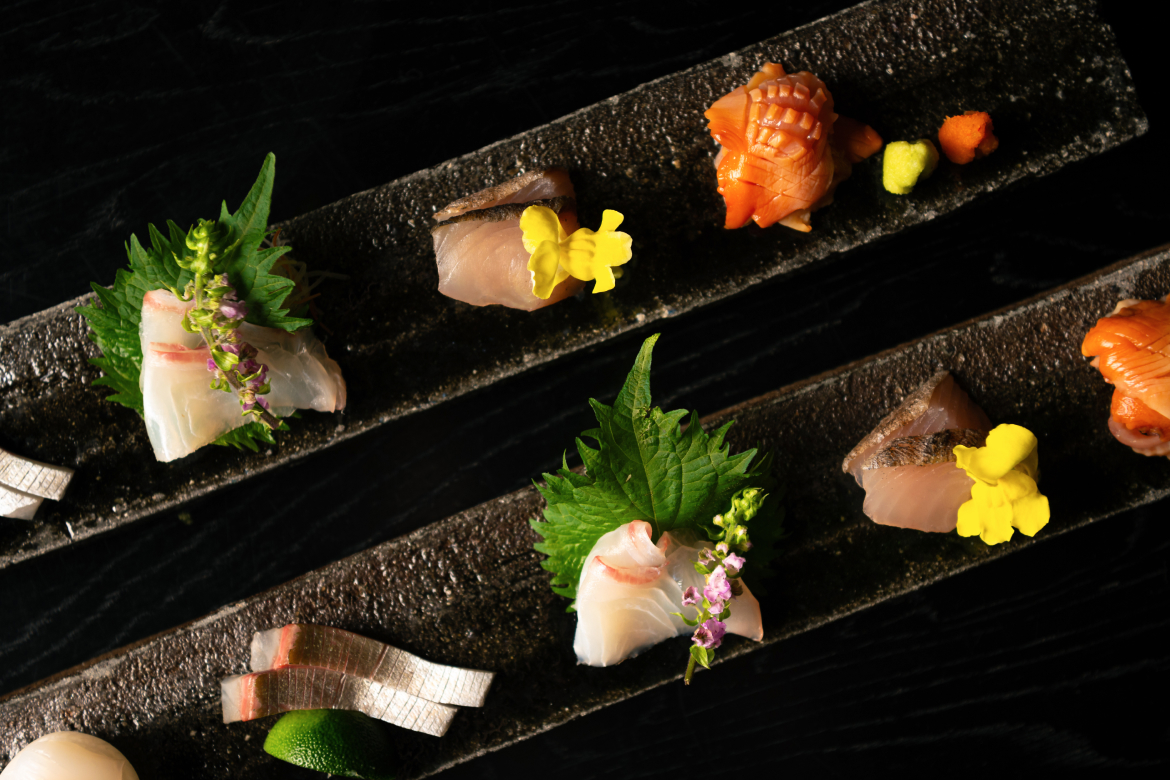
Cuisine built on the pleasure of dining, on discovery, and on continual forward striving
“I like to think we are building a place where young chefs can develop skills, move on to gain experience in the wider world, and eventually return to work as masters,” says Ueno.
An inn is something that must be continually nurtured and refined. This is just as true of its cuisine. Ueno has always run Sekitei with a constant drive to explore, constantly asking himself how it could be improved. Architecture, gardens, cuisine, and people: he believes that refining the inn’s quality element by element is what brings it to life and creates an experience that guests want to return to.
An Experience of Discovery and Newfound Interest in the Culture of Japan
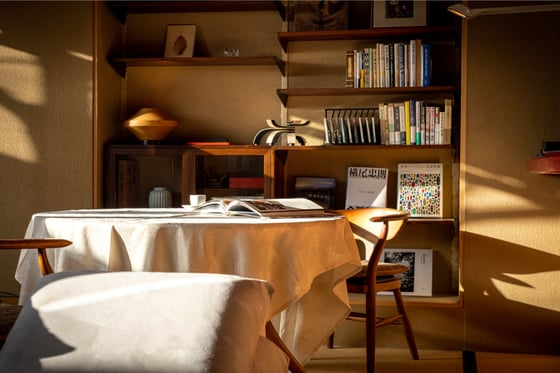
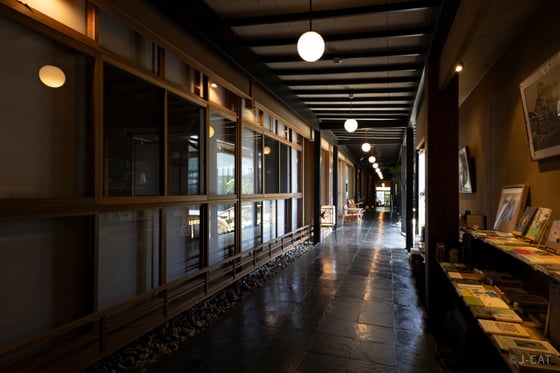
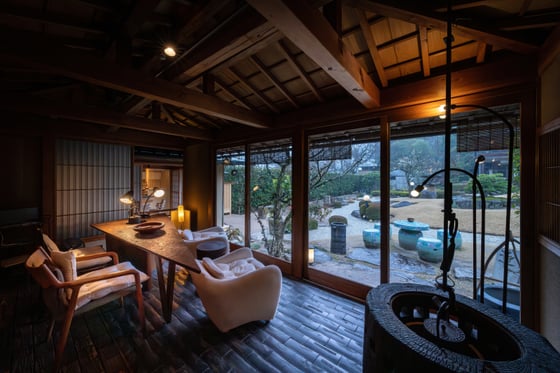
Sekitei embodies the playfulness that Ueno holds dear. It embodies his desire to leave room for them to explore, to discover things for themselves, and to be moved by what they encounter. Throughout the inn, unexpected discoveries await: a library, a secluded salon tucked away beyond the garden. Guests are not given detailed directions to these places. Ueno believes that discovering nooks and crannies for themselves is precisely what fosters meaningful, memorable, joyful social experiences.
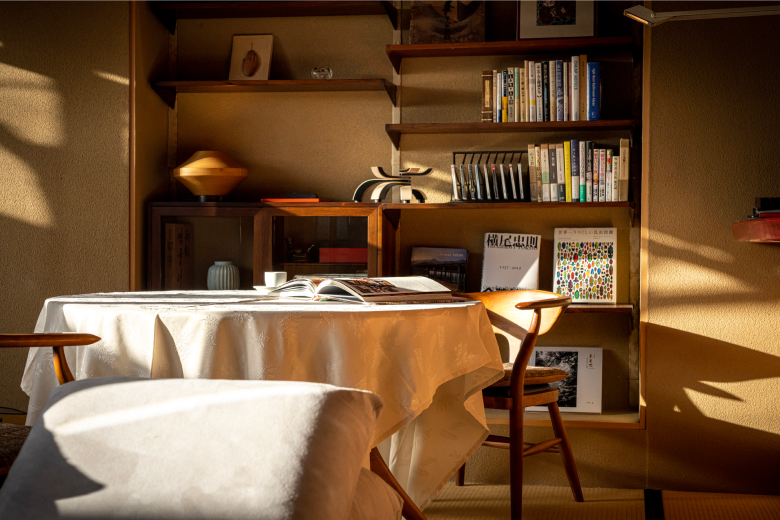
Books and furnishings thoughtfully arranged throughout the inn
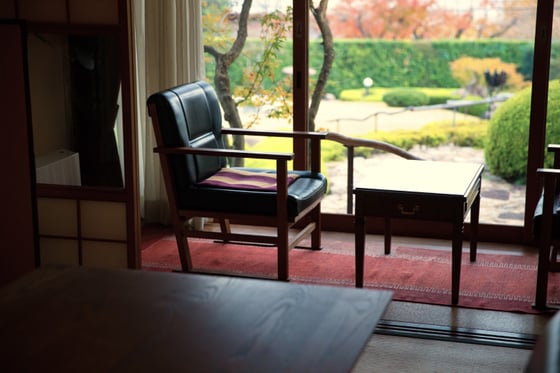
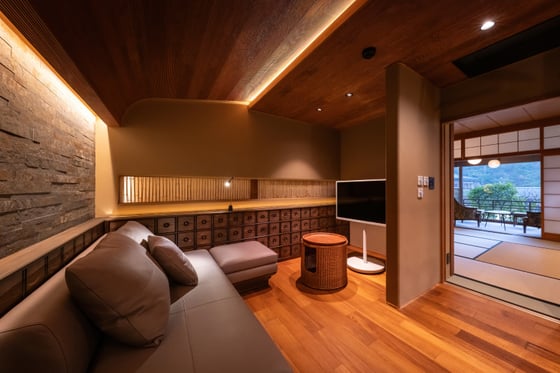
“Guests can leave the garden and make their way to the salon, where they can then sit down on a comfortable sofa. As they settle in and take a moment to relax, a magnificent garden unfurls before them, ready to be noticed and taken in at their own pace of attention.” Noting the power of this approach in practice, Ueno adds: “We even have a guest from New York who was so captivated by that very experience that they now visit us every year.”
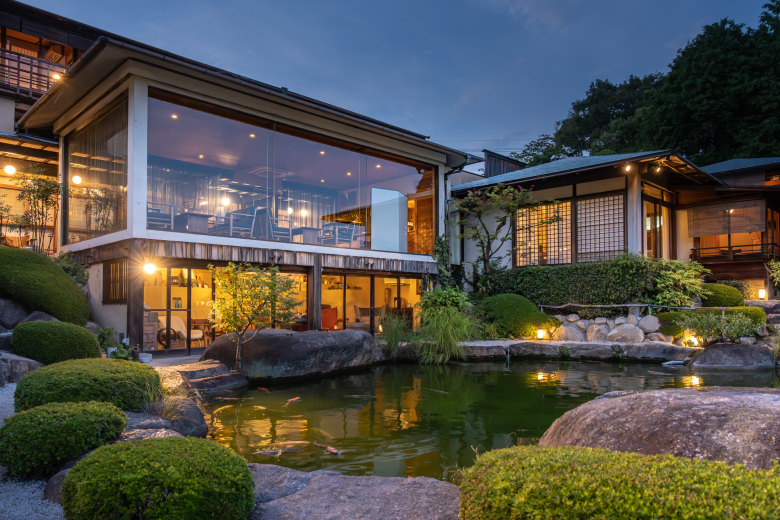
A must-see salon, accessible only from the garden
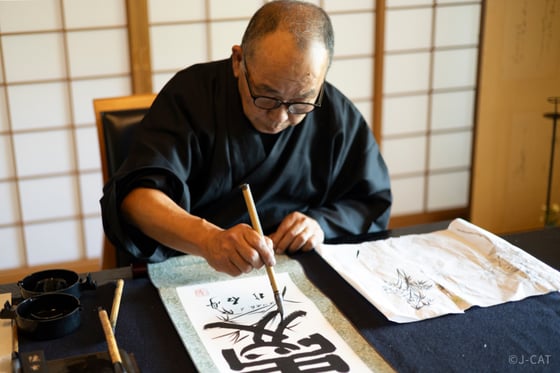
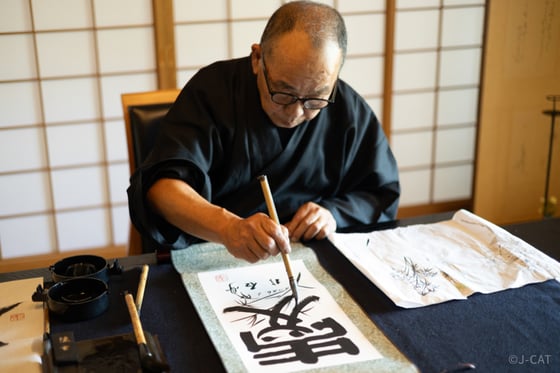
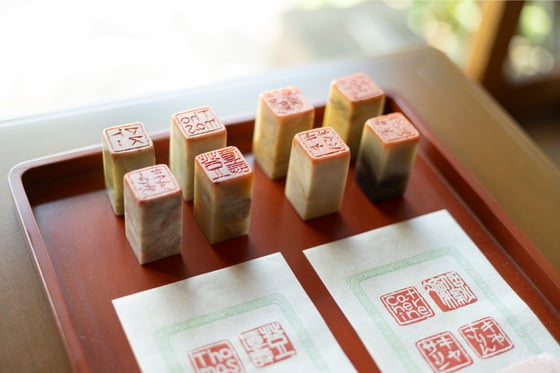
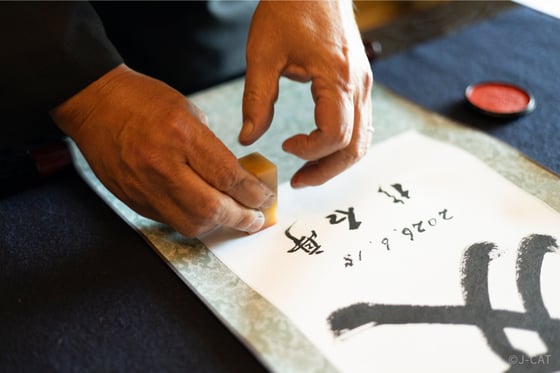
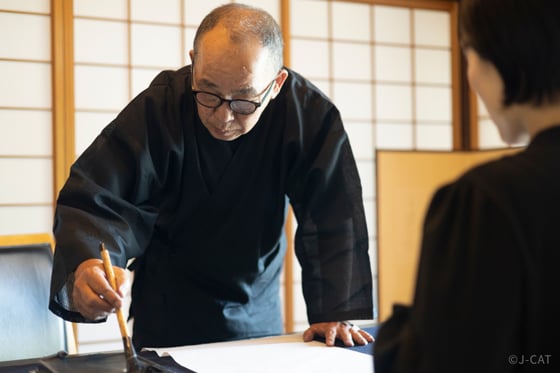
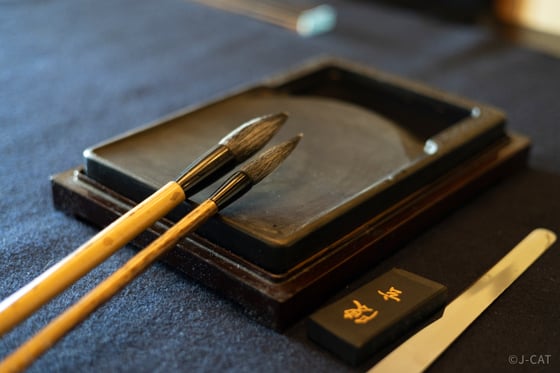
What Sekitei values is the opportunity for exploring and discovering things for oneself, and its Wabunka-exclusive accommodation plan was created with this philosophy in mind. As guests explore the inn and its gardens, they encounter the spirit of Japan and Sekitei’s own unique aesthetic sensibility. During a calligraphy experience, they engage with traditional Japanese culture while expressing their own thoughts in words.
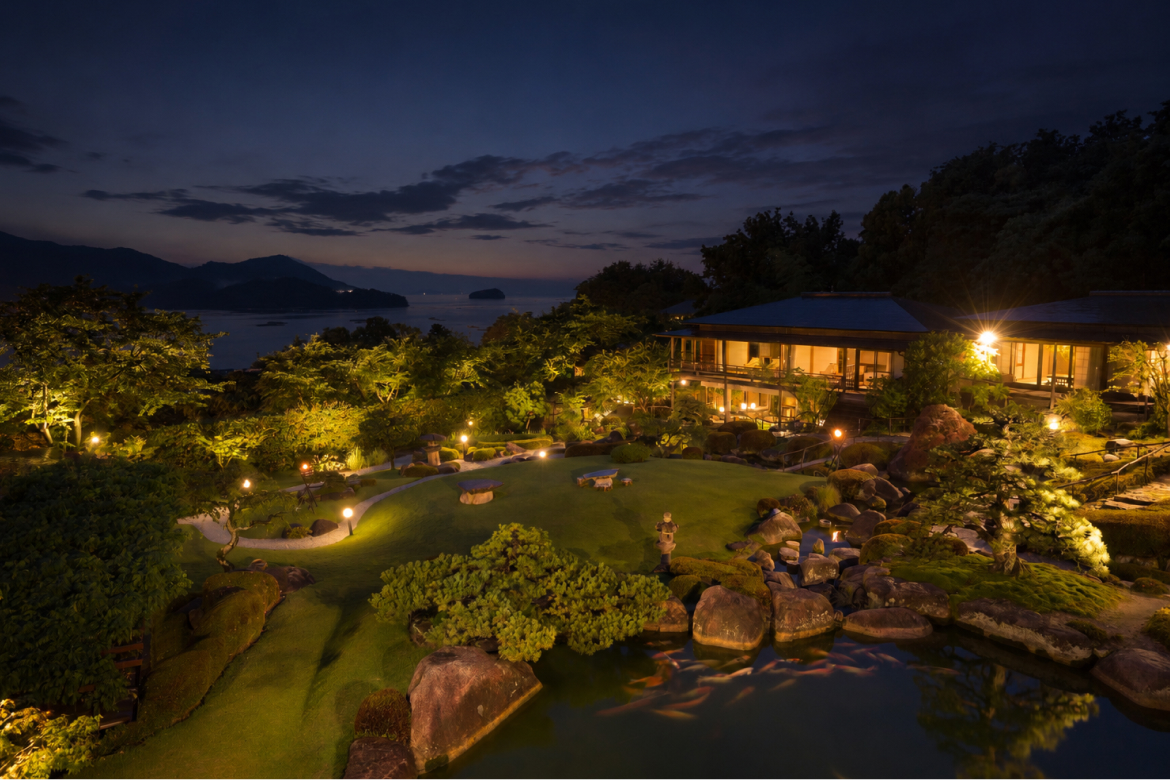
A luxurious stay experience based in experiencing the here and now of each passing moment backgrounded by gorgeous vistas
“I hope that my guests will roam the premises rather than remaining sedentary in their rooms.” A stay at Sekitei is an opportunity to truly experience Japanese aesthetics and beauty, taking home personal discoveries and insights. Each moment is imbued with Ueno’s wholehearted devotion to the inn he loves, and to his earnest quest to bring joy to his visitors.
Garden Inn Sekitei
A 12-room inn located in Hatsukaichi, Hiroshima Prefecture, with sukiya-style building features guest rooms arranged in harmonious balance around a traditional garden. Perched on a hill overlooking Miyajima, Sekitei has been awarded Two Keys in the MICHELIN Key Hotels guide. The property also includes library and gallery spaces, offering guests the pleasure of unexpected encounters with inspiration in the form of books and music. An unhurried flow of time rich with the natural beauty of the four seasons permeates all.