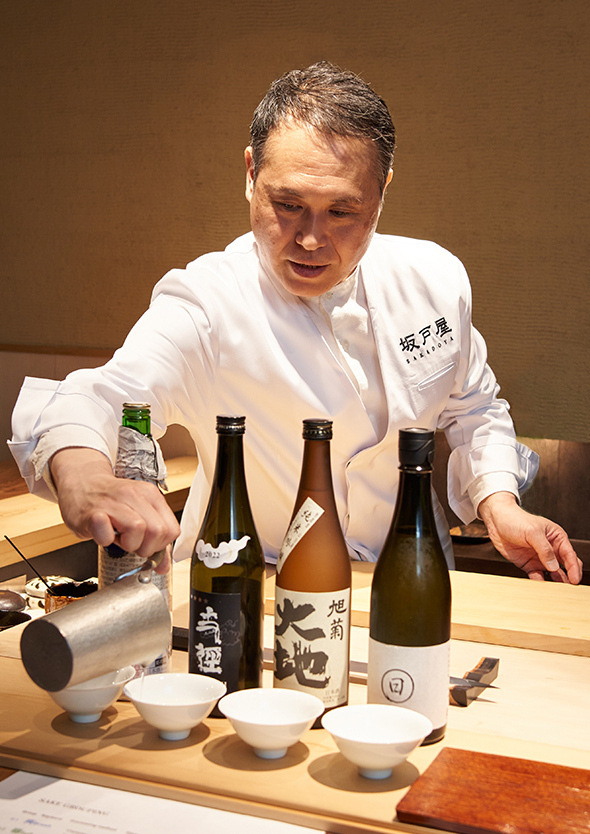
Leading the Family Business to a New Specialization in Japanese Sakes and Wines
Mukasa’s immediate family had been running their liquor store since before he was born, and he grew up watching relatives working in other parts of the alcohol industry as well. “It always seemed natural to me, even when I was little, that I would eventually take over the family business,” he says.
He accrued experience working for five years at a major beer producer before returning home in 1999 to do just that. Mukasa’s ascendancy came during a turbulent sea change in the liquor store business, when non-specialty shops like supermarkets and discount stores were beginning to devote more resources to alcohol departments, creating unprecedented competition which forced one after another small liquor retailer to fold.
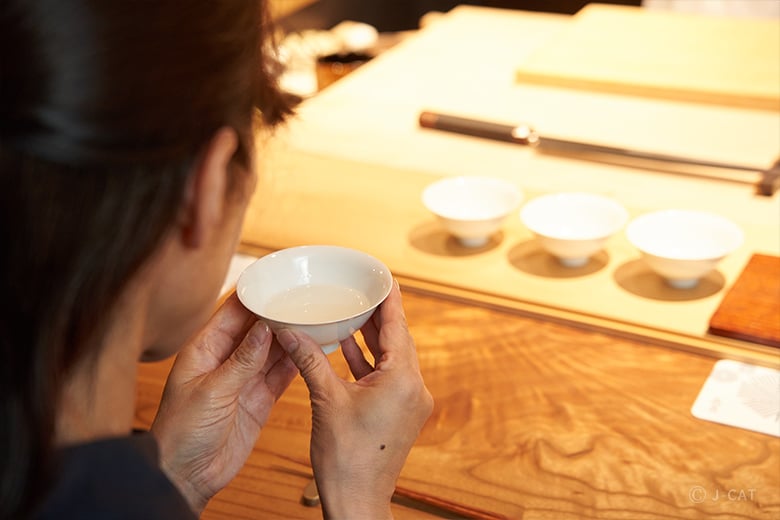
A specialty seller of Japanese sakes, linking brewer to drinker
At this crossroads, Mukasa was forced to consider shuttering Sakadoya for good, surrendering his great-grandfather’s legacy. Instead, he decided to forge a new direction for the shop from the ground up, scrapping the previous beer-centered business model to develop a specialty focus on sake.
A Chance Encounter with a Local Brewery
Sakadoya’s opportunity to reinvent itself as a sake boutique came when a relative of Mukasa introduced him to Kawanishiya Sake Brewery in Kanagawa Prefecture. Founded in 1897, Kawanishiya Brewery produces a local sake called “Tanzawasan” (“Mount Tanzawa”) using local water and rice.
Mukasa visited the brewery president every month to share a glass and pick his brain. "He didn’t mince words about how naive he thought I was,” Mukasa reminisces, “but he was also very generous in teaching me a great deal about sake."
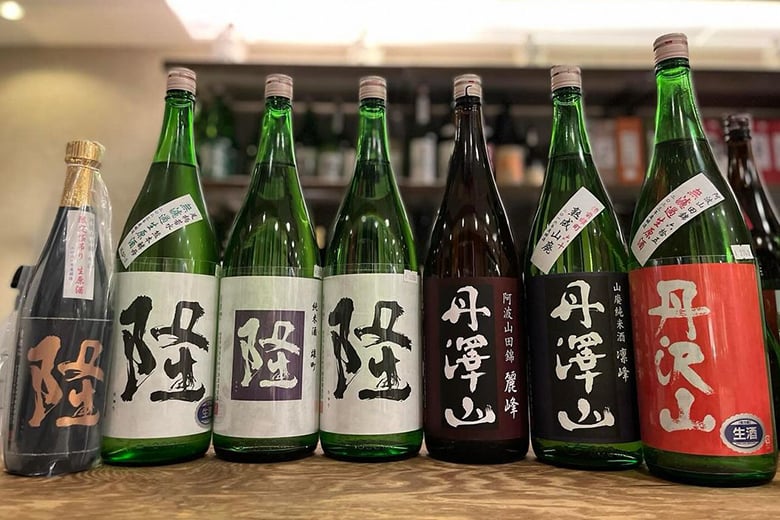
Kawanishiya Brewery was Mukasa’s gateway to the charms of regional sake
It was during this time that Mukasa learned all about the appeal of sake as accompaniment to a fine meal. “Kawanishiya’s Tanzawasan was brewed to be the pinnacle of such enjoyment. This was the drink that really piqued my interest in sake, with a complexity that only really reveals itself when paired with food.” And this is the encounter that led Mukasa to pursue a specialization in sake.
A Quest for Sakes that Convey a Brewer’s Philosophy and Terroir
Starting with Kawanishiya, Mukasa embarked on a pilgrimage to sake breweries across the country. Today, his Sakadoya carries about 300 brands from about 30 breweries all over Japan. Says Mukasa: “An ideal sake that suits anyone in any situation is a sake that conveys the philosophy and terroir of its brewery.
The raw materials for sake are simple: white rice, koji fungus, and water. Therefore, individuality is born from a brewery’s particular sense for selecting and handling these traditional elements, and from the brewer’s unique strains.”
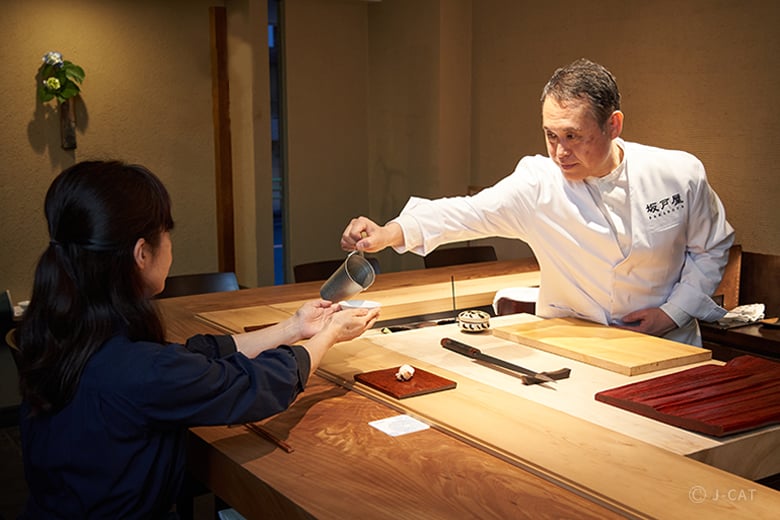
Mukasa seeks to master the language of brewer and drinker alike
Sake production is highly technical and loaded with jargon, but Mukasa sees himself as a translator bridging this specialist world with the common people in the market it serves. When he visits a brewery, he brings his perceptiveness to bear on not only the taste of the brew, but the personality, sensibilities, and vision of the brewers themselves by discussing market trends and future goals together over a glass. These are relationships of trust, and they often yield introductions to yet other brewers.
An Approachable Conceptualization of Sake in Four Types
Mukasa classifies sake flavors into four categories: crisp, mild, rich, and aged. Just as even novice wine aficionados can easily remember that white is best for fish and red for meat, Mukasa wants to create a more intuitive language of sake concepts that anyone can understand and use.
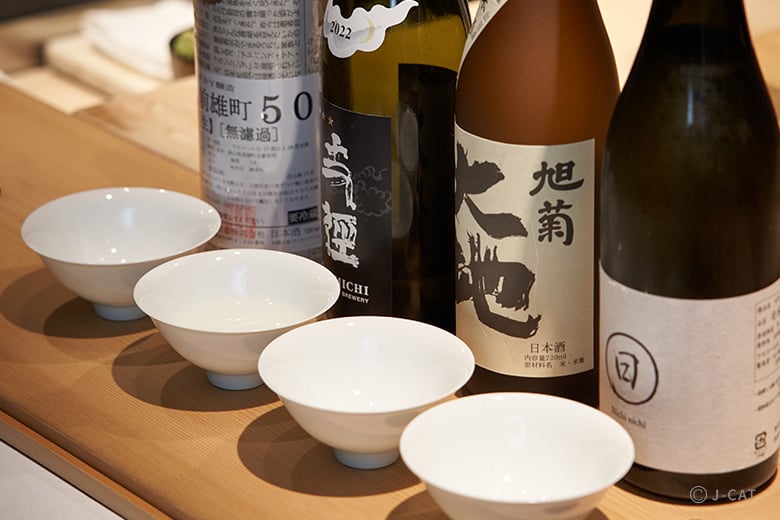
Tasting examples of Mukasa’s four categories makes them even easier to understand
“Restaurants are the front line in bringing a brewer’s vision to a drinker’s palate,” says Mukasa, “so I always want to suggest a pairing that perfectly matches that restaurant’s food.” He also provides training to the staff at his client establishments on such sake knowhow as the four classifications, the role that serving temperature and drinking vessel choice play in expanding aroma, and the way food pairings alter the palate.
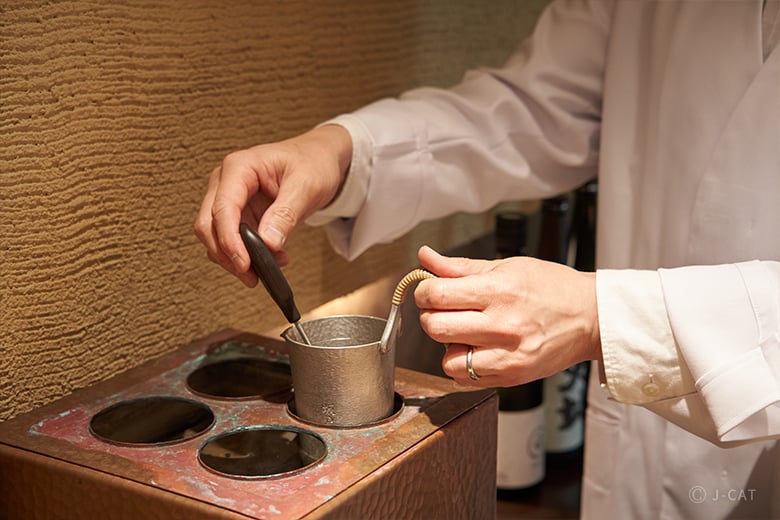
Mukasa also teaches the okan (or kanzake) technique of warming sake to enrich its palate
Sowing Seeds of Sake Culture Around the World
The Sake Diploma is an examination certification under the aegis of the Japan Sommelier Association (J.S.A.), as of 2024 given in nine countries around the world ranging from Asia to North America to Europe.
This is a sign of the drink’s increasing popularity, as is the growth of sake pairing courses at some of Japan’s top restaurants. However, most of these use less traditional flavor profiles and focus more on fruity palates. Mukasa recognizes the value of these innovations, but also stresses his passionate conviction that he also “must better connect people with the traditional and classic flavors of sake.”
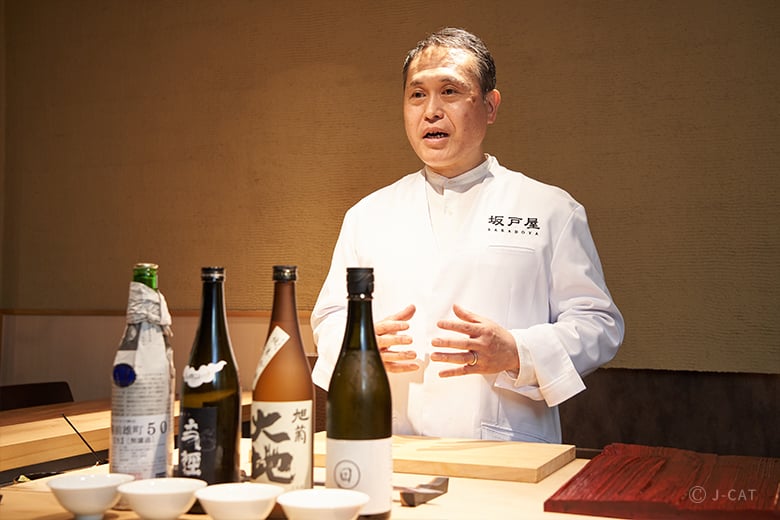
Mukasa travels the world to promote sake and offer training
Wine culture didn’t catch on in Japan immediately, and Mukasa believes it will likewise take time for Japan’s sake culture to take firm root abroad. But everyday he works toward that far-off goal, envisioning a day when the characteristic flavors of Japanese sake, as well as the effects of vessel choice, temperature, and food pairing on its palate become common knowledge across the globe.
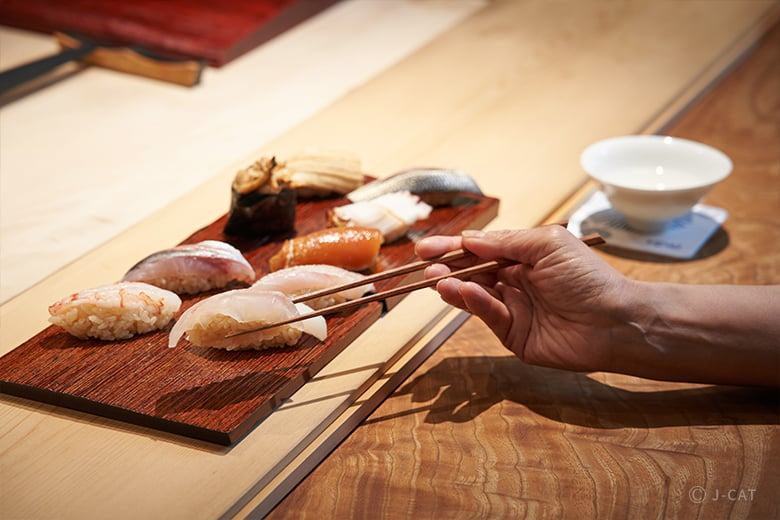
Mukasa wants to spread the joy of Japanese sake as a meal accompaniment
“Wabunka’s plan brings together matured sushi and sake, and I hope that this can be a jumping off point to more and more people from abroad discovering sake pairings with the Japanese foods they already love or are interested in, from tempura to vegetarian Buddhist temple cuisine.” As he strives to further expand the possibilities of sake within Japan and abroad, Mukasa has no shortage of new ideas brewing.
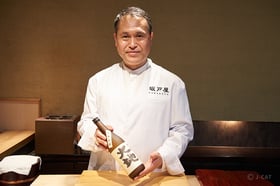
Sakadoya
Founded in 1902, this liquor seller has been in business in Kanagawa Prefecture’s Kawasaki City for over 120 years. Its fifth-generation proprietor Yoichi Mukasa, visits breweries all over Japan to curate a fine selection of brews that express the terroir of their locales, and classifies sakes according to their flavors into four categories.


