Living National Treasure Ryozo Kawagita: A Life with Wood
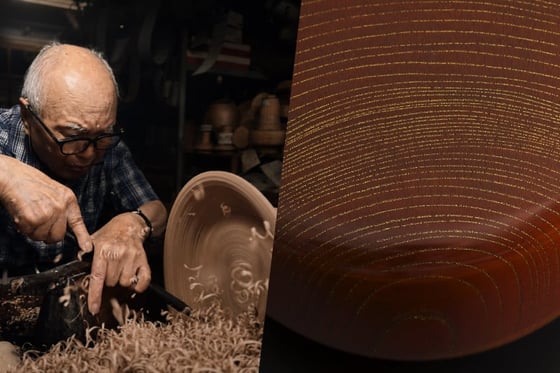
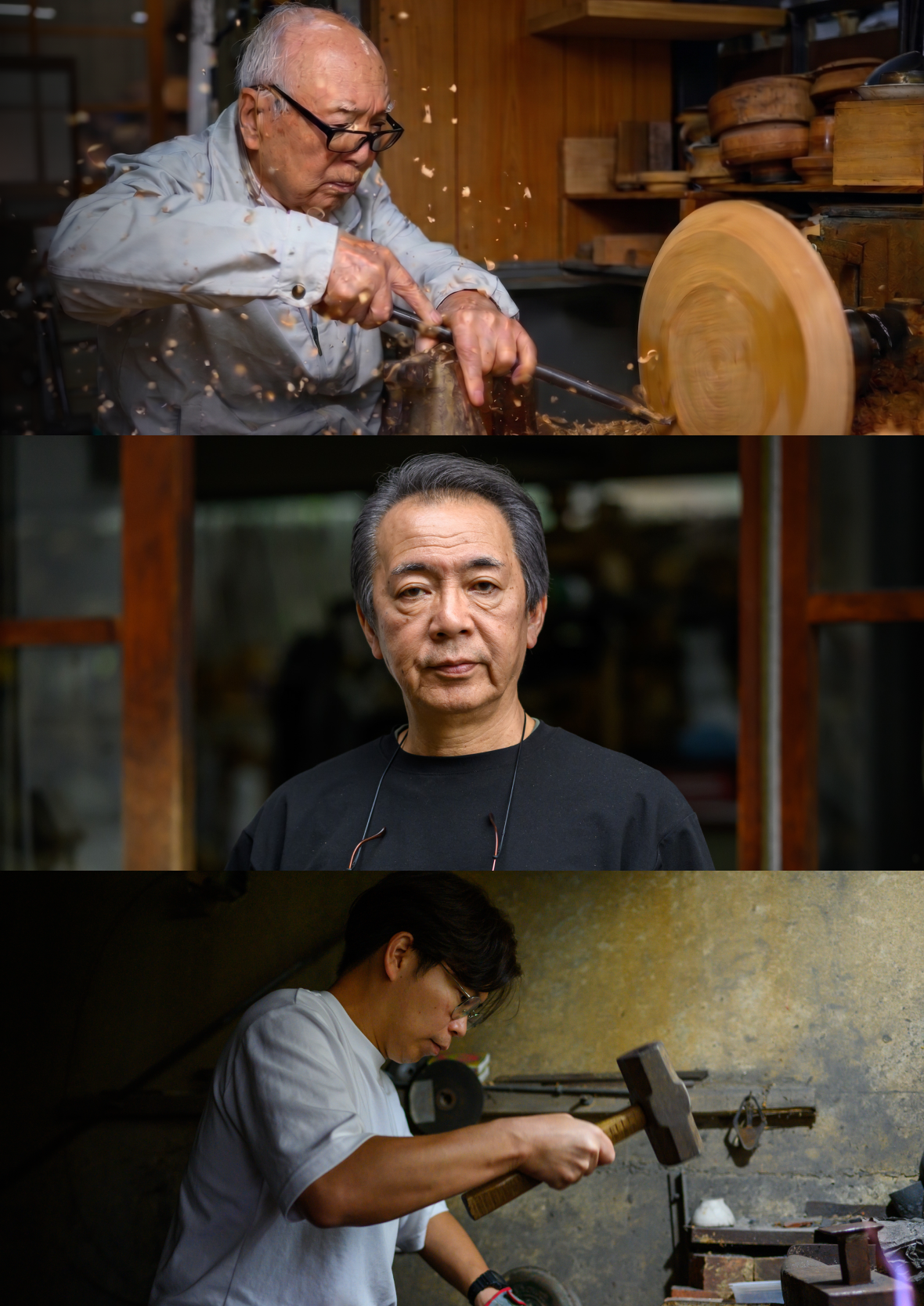
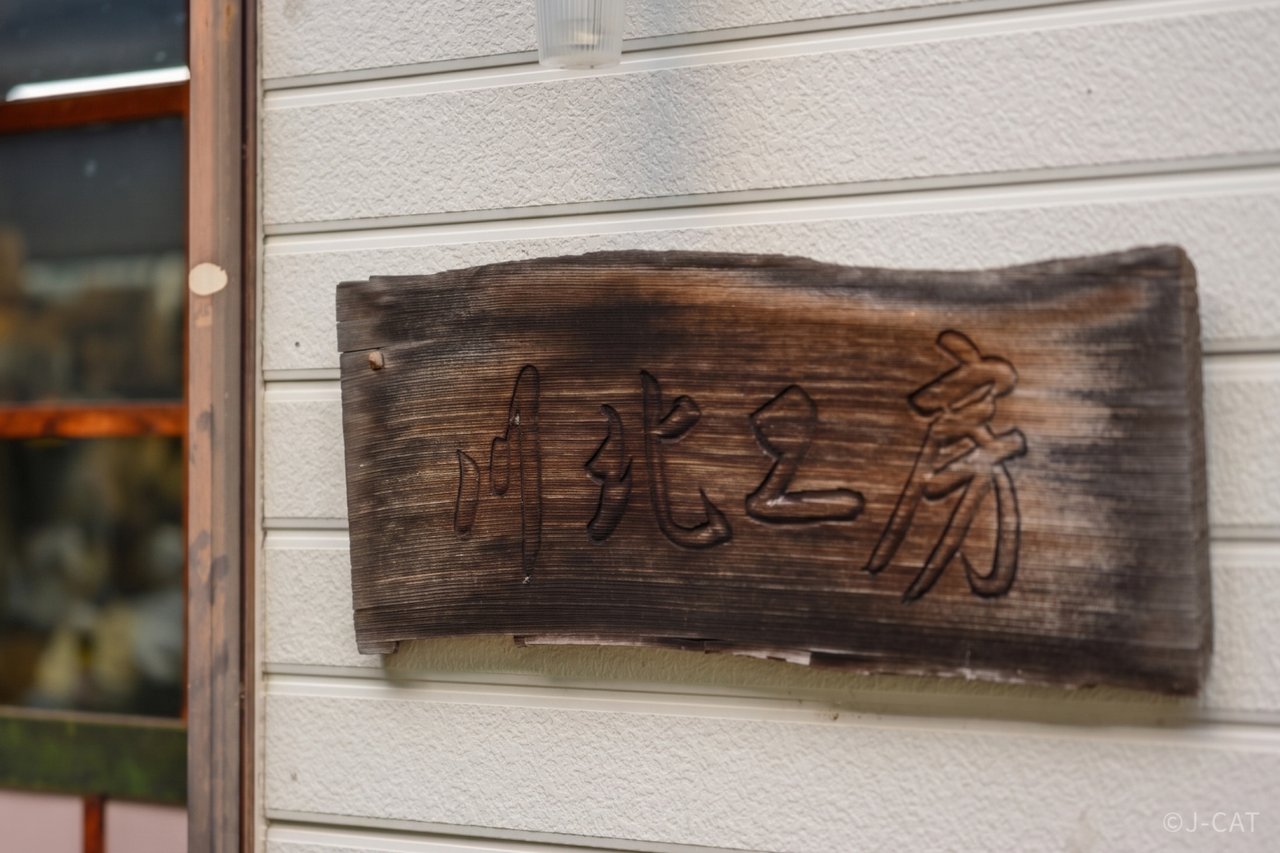
Kawakita Kobo stands beside a mountain stream, looking out over green forest. At the lathes, working in silence, are Living National Treasure Ryozo Kawagita, his eldest son Hirohiko and his grandson Hiroshi. They hold a plane (kanna) against the spinning wood, focusing the movement of their whole bodies into the tip of the blade as a form slowly emerges. With hikimono skills handed down through the generations, the workshop goes on bringing wood to life every day.
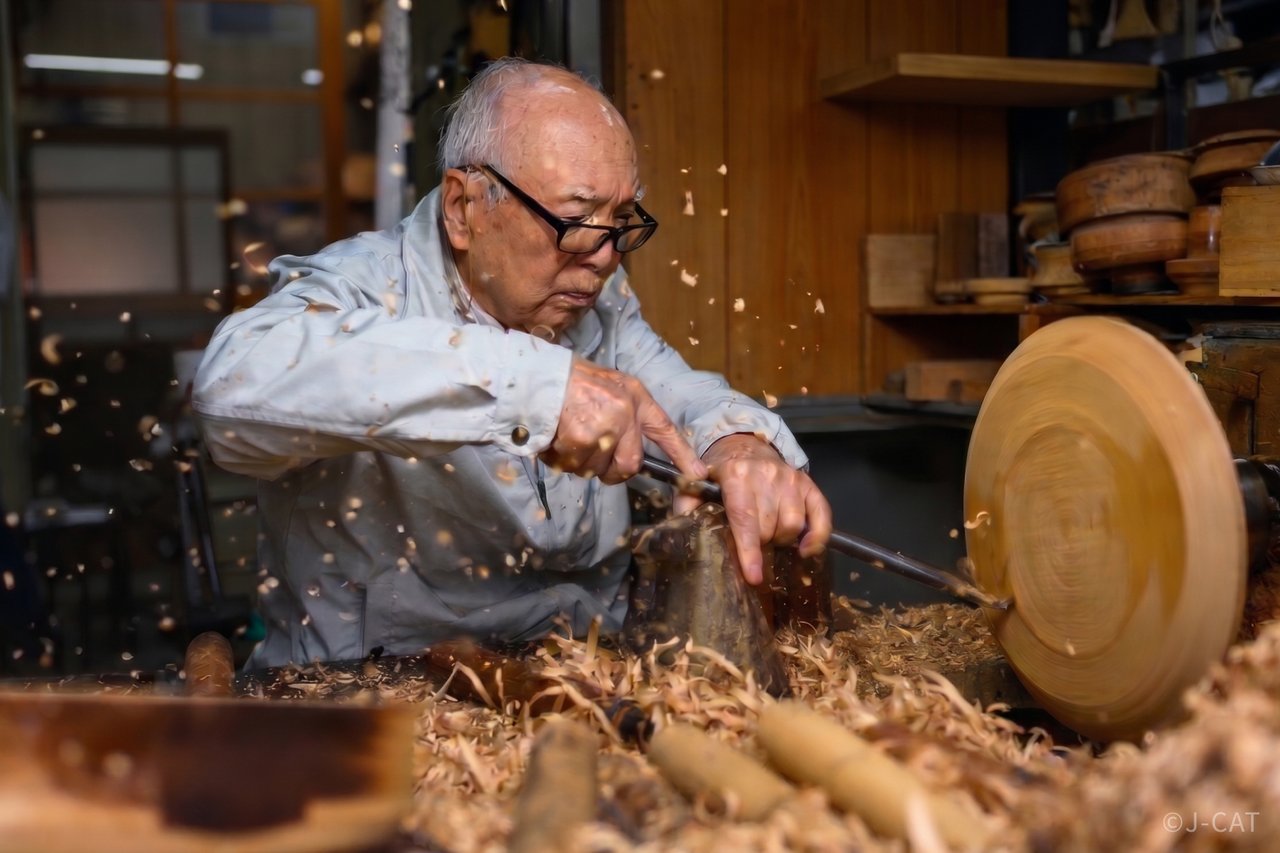
Woodwork master Ryozo Kawagita, still a keen and active maker past the age of 90
“The happiest moment in all my years of this work was when my son and grandson decided to become kijishi,” Ryozo says with a gentle smile. Working alongside his son and grandson every day is his greatest joy. Ryozo was born into a kijishi family himself and grew up with the sound of turning wood all around him. “When I was little, I’d fall asleep buried in wood shavings, and I’d sneak a go on the lathe when my father wasn’t looking,” he remembers fondly.
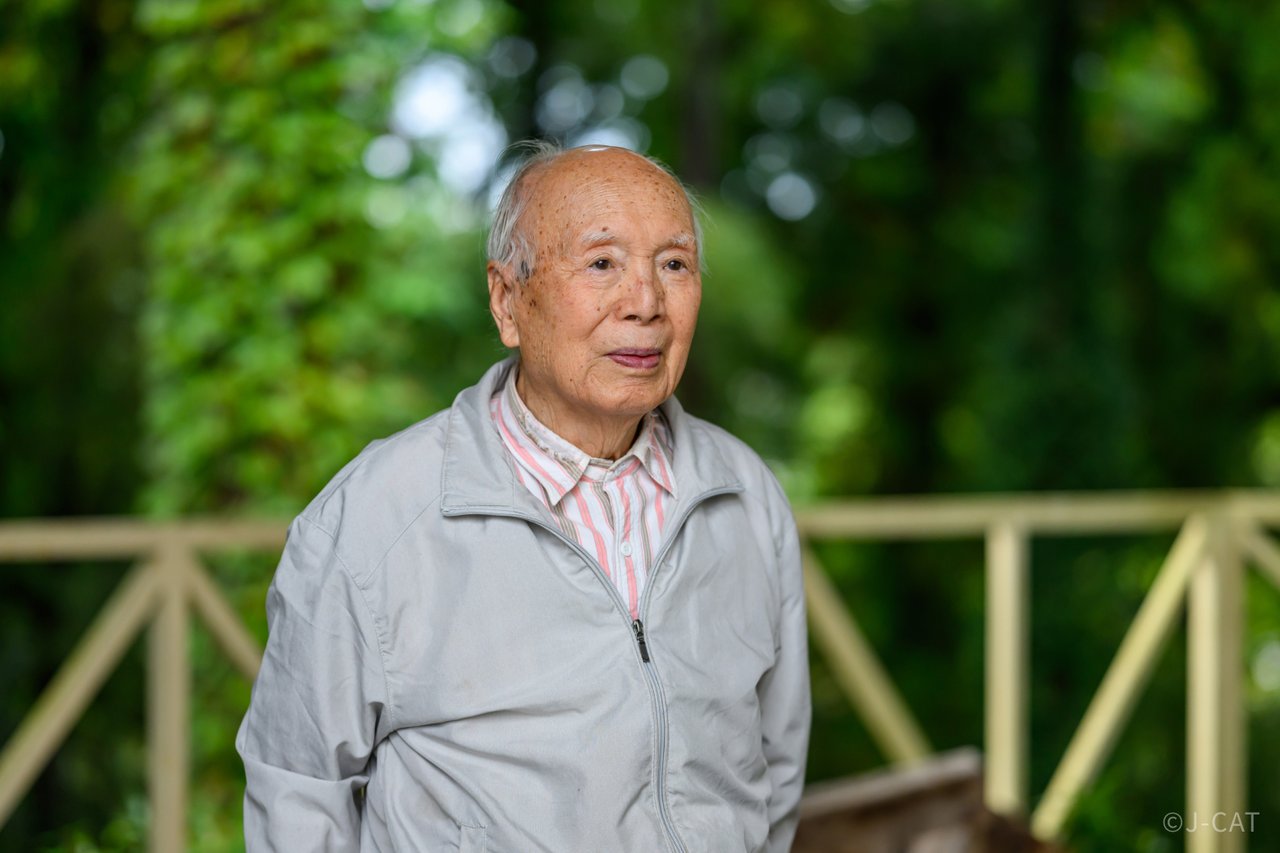
Ryozo is also director of a training institute for hikimono woodturners
Ryozo learned a great deal from his father. “He didn’t teach with words. You listened to the sound of his plane, watched how he moved, and worked out the technique for yourself.” Once Ryozo had started at the workshop and could turn several hundred bowls a day, his father picked up one of them, looked at it for a while, and threw it away. Swallowing his frustration, Ryozo picked the bowl up and kept asking himself what was wrong with it.
Some time later, his father told him, “That day, you looked at the bowl in silence and thought about it. When I saw that, I knew you had what it takes to be a craftsman.” An honest, open approach to the wood and real commitment to the work: what his father passed on was a way of living as a kijishi, which mattered even more than technique.
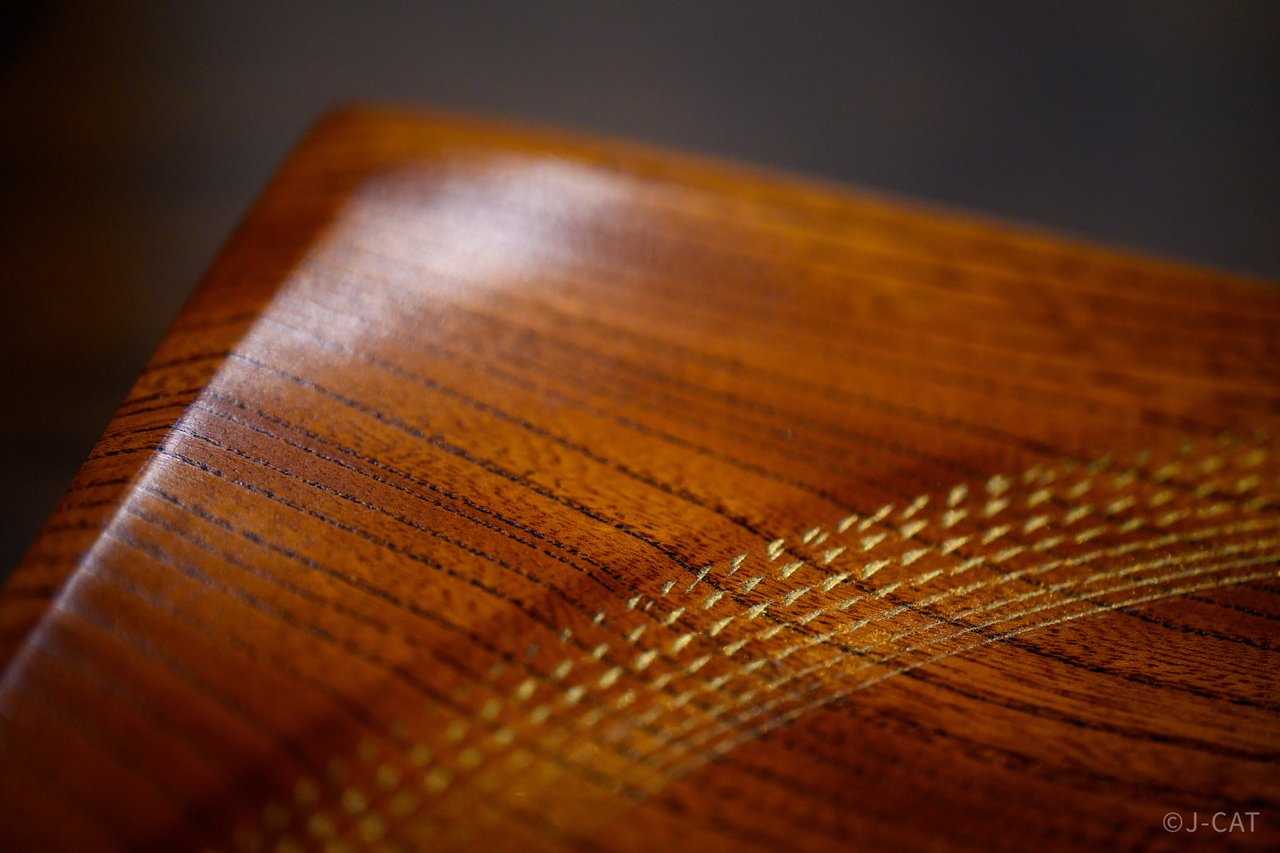
A piece by Ryozo finished with kashoku-biki, patterns cut into the surface of the wood with a plane
Eldest Son Hirohiko Kawakita: New Forms Built on His Father’s Technique
Influenced by watching his father work as an artist, Hirohiko studied design at a junior college. About ten years after joining the workshop, he showed his work at an exhibition for the first time, and someone came up to him and said, “It looks a lot like Ryozo’s work. Like father, like son.” “I’m sure it was meant as a compliment,” Hirohiko recalls, “but at the time, it stung.”
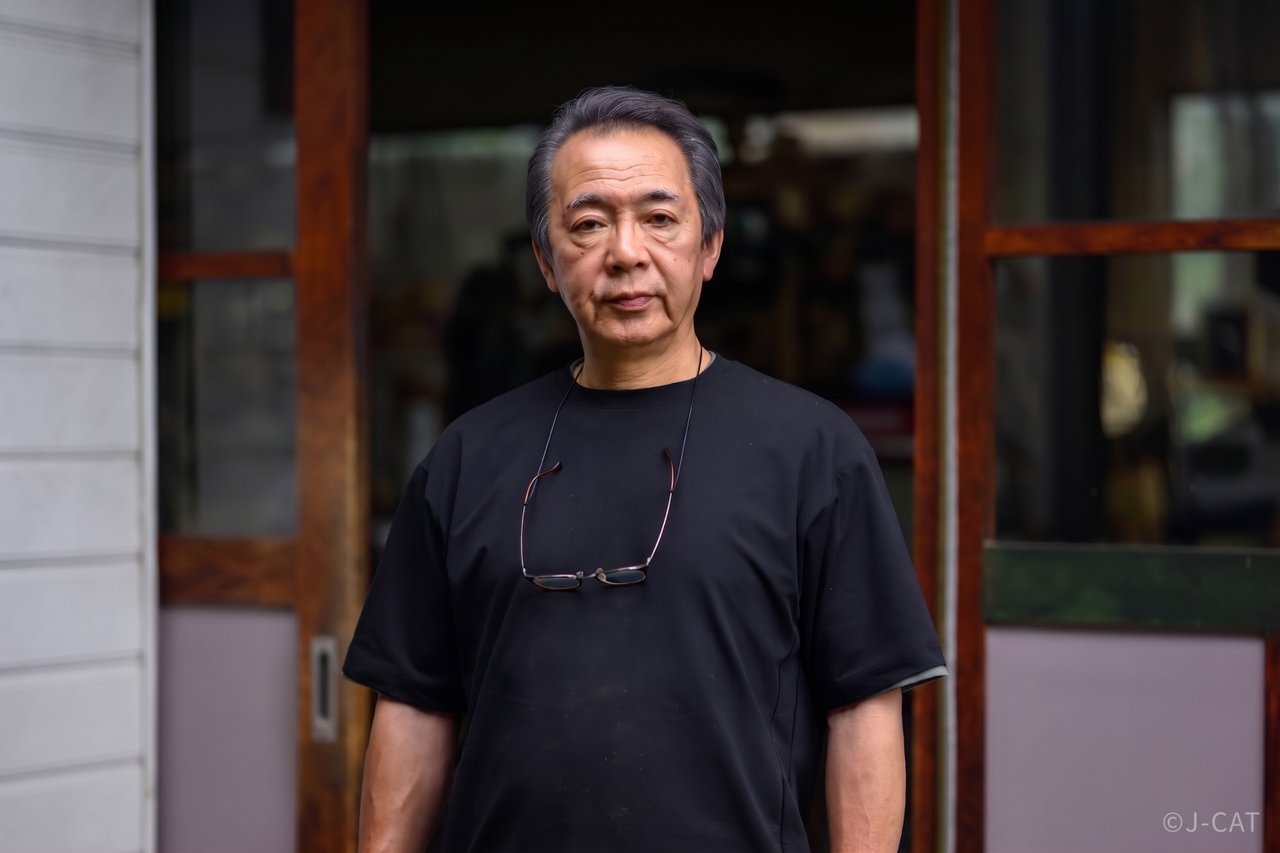
Hirohiko Kawakita has spent years developing techniques and forms of expression all his own
“My technique may come from my father, but there had to be something only I could express,” he thought. Building on what his father taught him, Hirohiko set out to find his own sculptural language. One result is tahenbiki, which shifts the lathe’s axis of rotation to give a piece many different faces. He has also worked with zogan, an inlay technique in which he carves grooves into the wood and sets silver wire into them, always looking for forms that bring out the full beauty of the material. His pieces stay true to the hikimono tradition but still feel new, and they have earned him real standing in the world of woodwork.
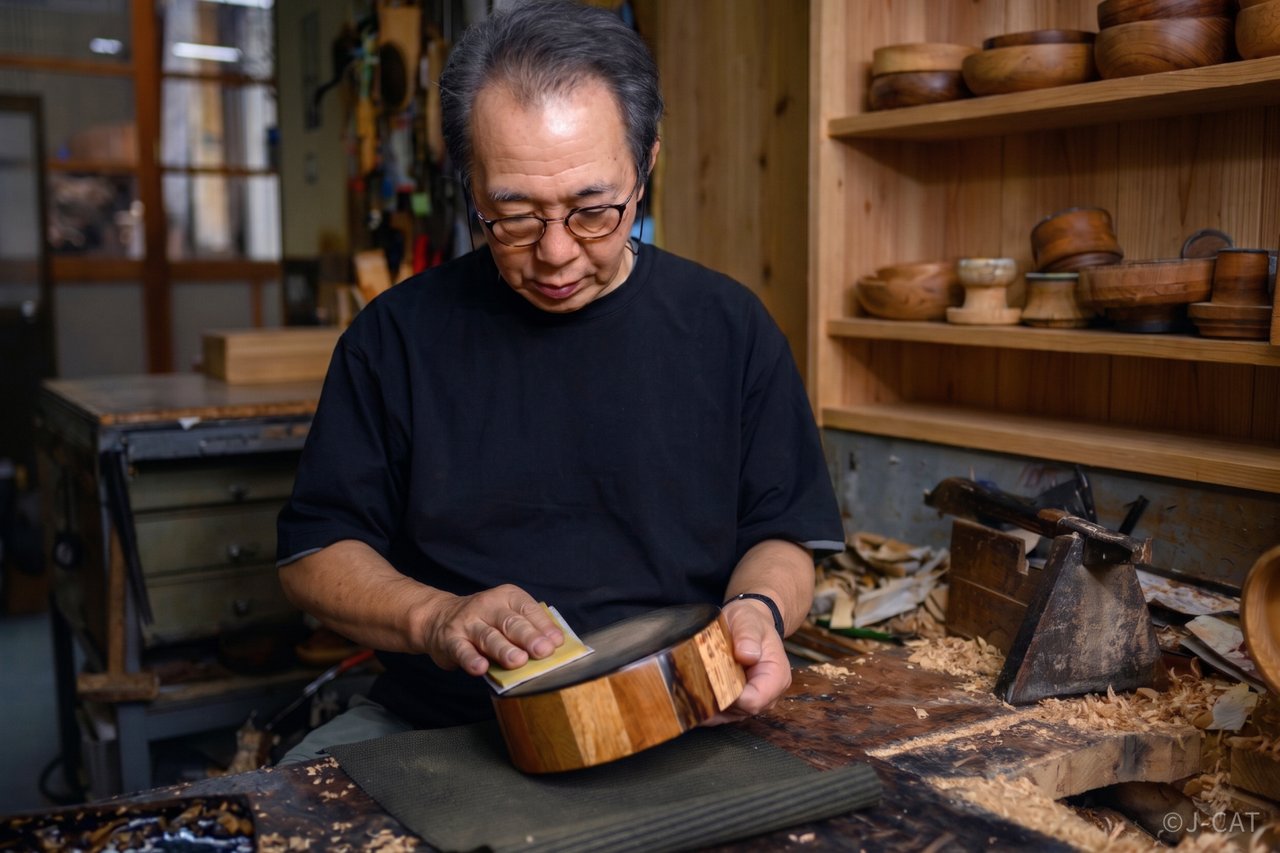
Hirohiko finishes a delicate piece made from 16 kinds of wood
Grandson Hiroshi Kawakita: A New Approach from the User’s Point of View
After studying product design at university, Ryozo’s grandson Hiroshi trained in hikimono at the institute his grandfather directs. When he started at the workshop, he found that turning a piece exactly to the drawing didn’t always give him the beauty he had in mind. “Making something precisely to the drawing, the way you’d make an industrial product, doesn’t guarantee it will be beautiful. Moving a line just slightly away from the drawing can make it far more striking. By watching the wood and listening closely to the sound of the blade, I’ve slowly come to understand what my grandfather and father mean by having a dialogue with the wood.”
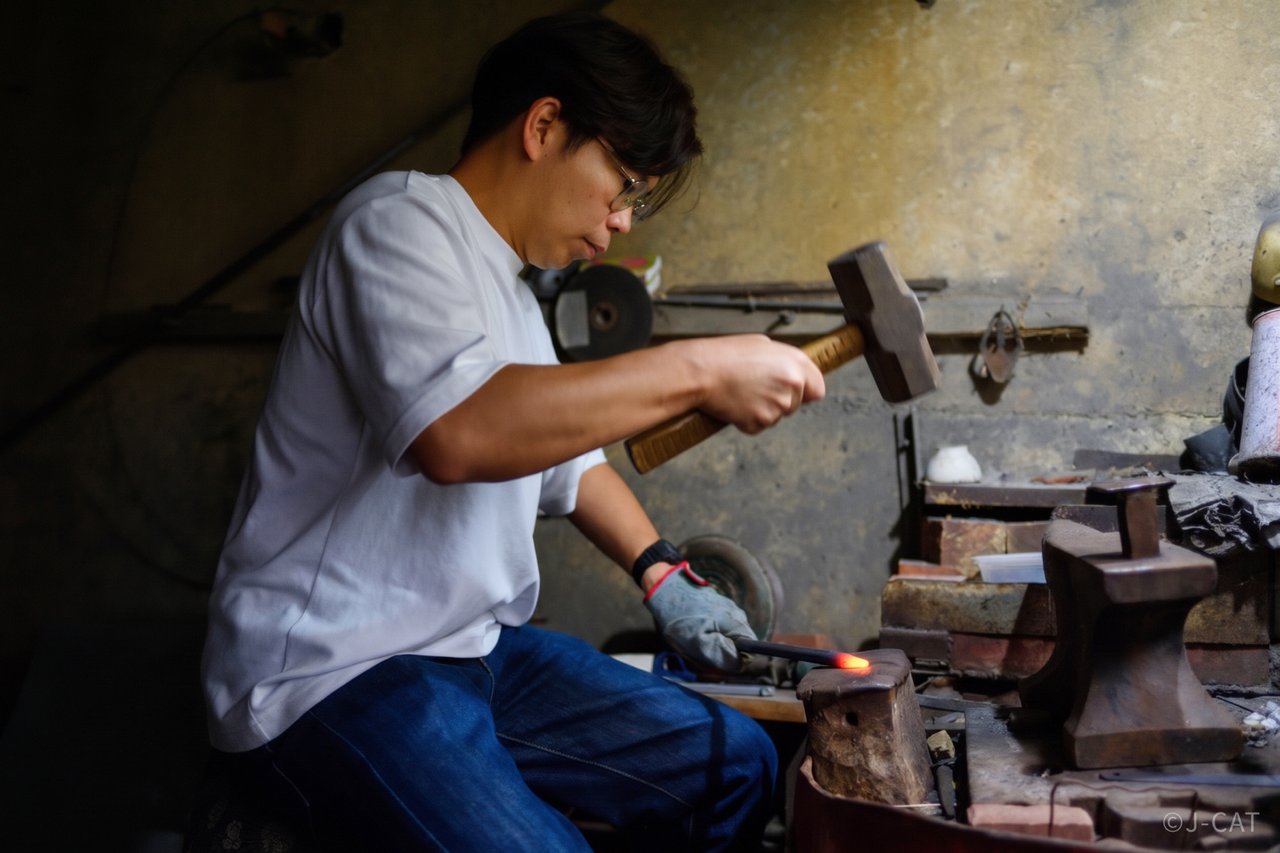
Hiroshi Kawakita at the forge. Kijishi make every plane they use themselves
At the same time, Hiroshi says, “The user’s perspective I learned in product design is going to be essential for how we make things from now on.” He wants to give form to what people actually need, and to keep sharpening his skills so he can. Moving back and forth between the user’s view and the maker’s, he is exploring where hikimono can go next. His grandfather and father watch warmly as he tests how far solid technique can take his work.
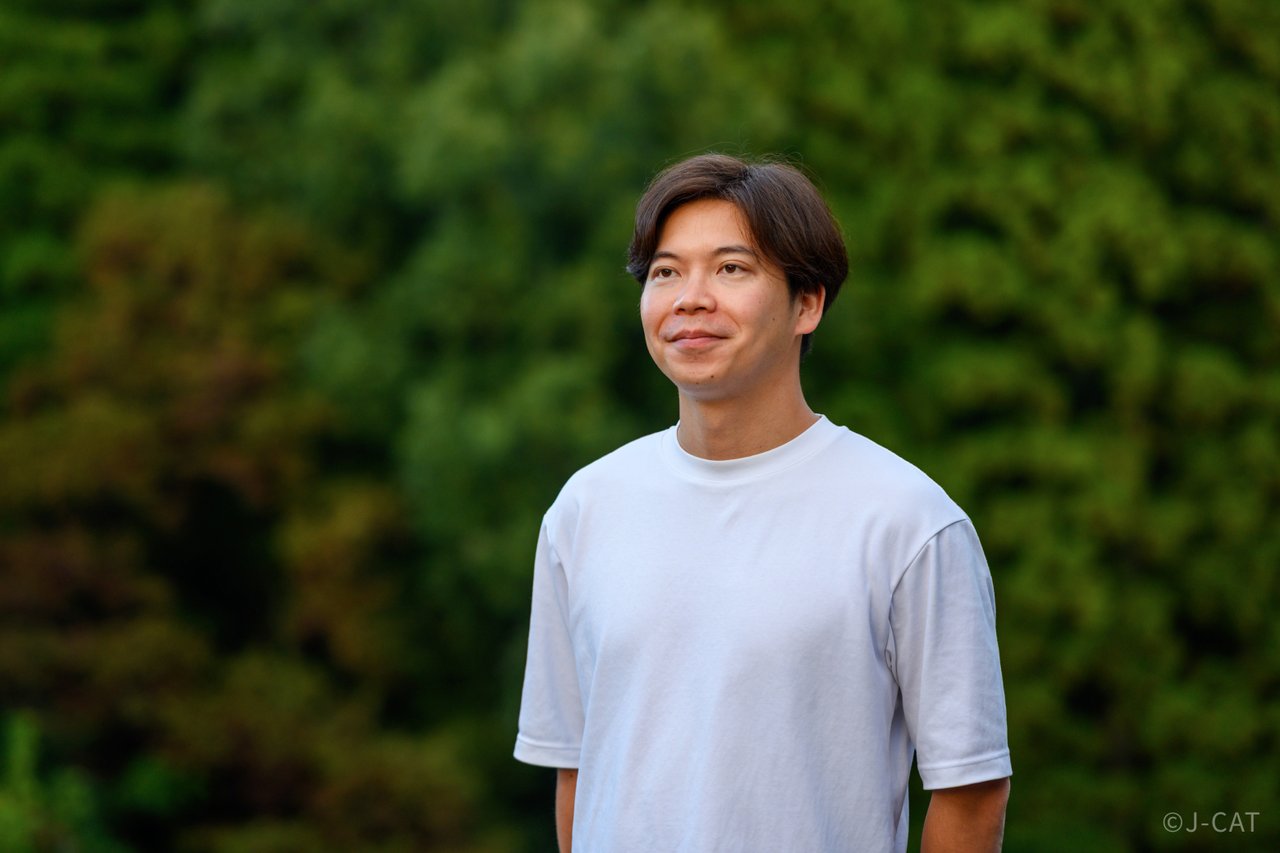
“In the workshop, even the sound of my grandfather’s and father’s planes is something to learn from,” says Hiroshi
Three Distinct Styles under One Roof at Kawakita Kobo
The three generations working together at Kawakita Kobo each have a style of their own. In traditional crafts, a master’s influence runs deep, and apprentices’ work often ends up looking much like their teacher’s. At Kawakita Kobo, though, different personalities spur one another on, and each has found his own voice. “The three of us gather around a piece and talk it over freely,” Hirohiko says. “We’re always trading opinions, things like ‘Wouldn’t it be better if you did this?’”
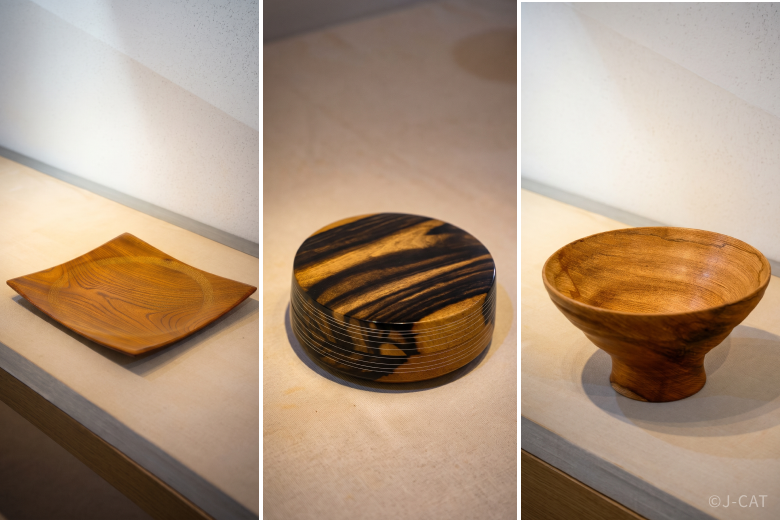
(Left) A piece by Ryozo, who draws out the character of the wood to bring its beauty forward. (Center) A piece by Hirohiko in kurogaki (black persimmon), a wood known for its expressive grain. (Right) A piece by Hiroshi, inspired by ancient earthenware
None of them takes every comment on board. “Sometimes I’m not convinced at the time and I let the advice go,” Hiroshi says. “But it often turns out to be useful later on.” With open minds, they sharpen each other’s work and push it further. The way the three generations respond to one another keeps Kawakita Kobo moving forward day by day.
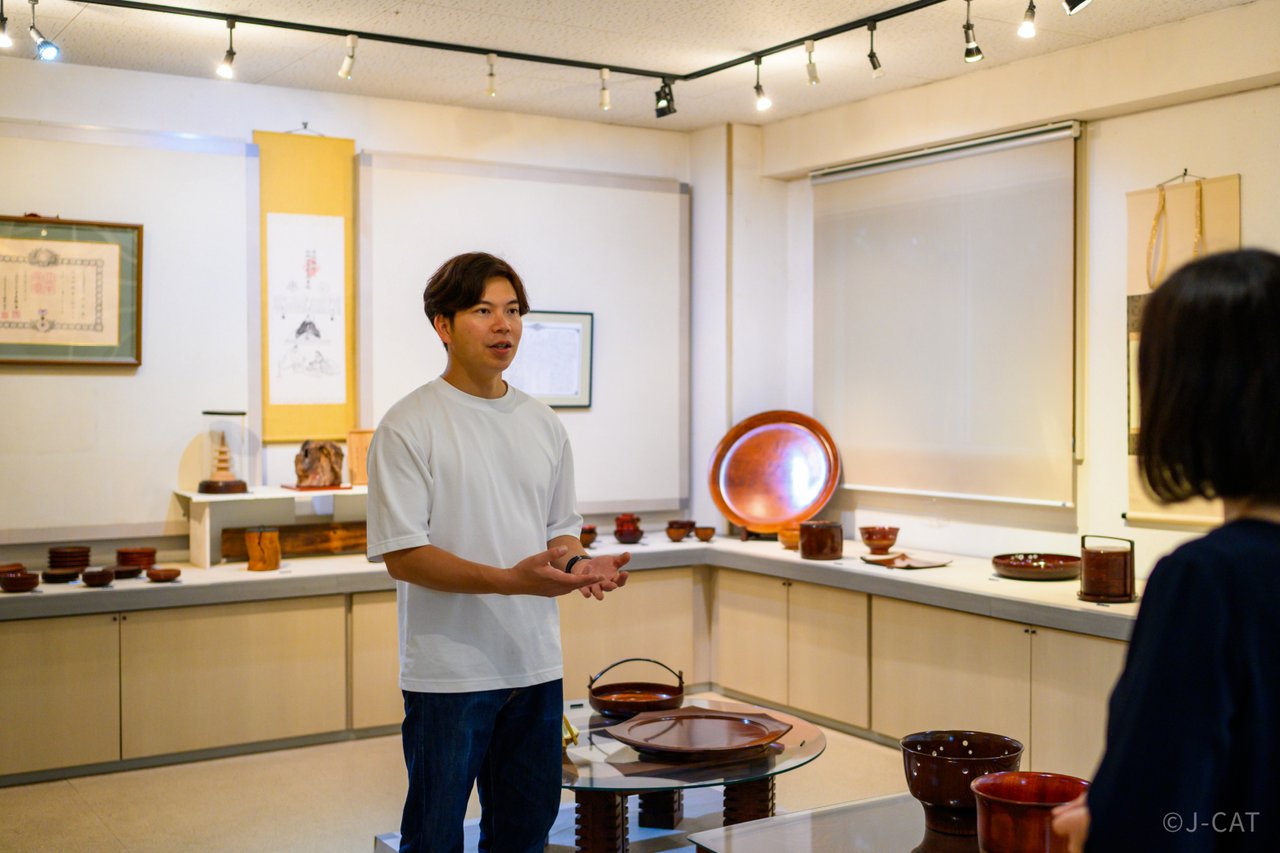
The workshop has its own gallery showing work by all three generations
Carrying On the Mission to Give Life to Wood
Each of the three pursues his own style, but one thing has been shared across the generations: a theme that never changes, ki wo ikasu, or giving life to wood. “My father often says, ‘If we don’t give the wood a proper life, we’re letting it down,’” Hirohiko explains. “We think about where the tree grew and the years it lived, and then give it a new life. That’s what I see as our job.”
Workshop tours and hikimono experiences give visitors a close look at the craft’s techniques and culture
Wood with a history finds its way to Kawakita Kobo, such as old timber from temple buildings (garan) and aged trees from celebrated gardens. Wormholes and cracks in old timber are proof of the life the wood has lived. Holding a bowl made from old timber, Hirohiko says, “We respect this wood’s history and give it life again. I think that’s the skill we’re handing down.”
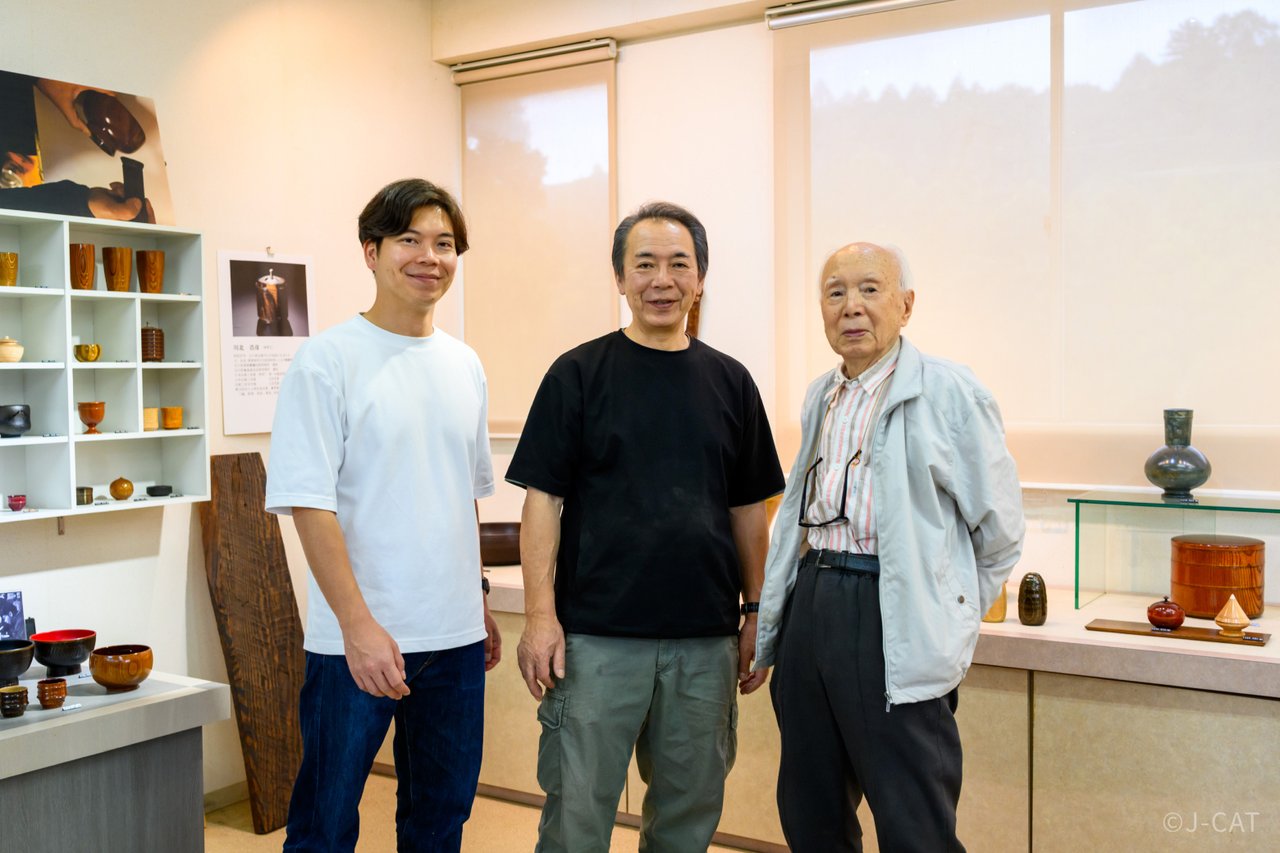
From parent to child and child to grandchild, the family passes on its skills and keeps making work for its time
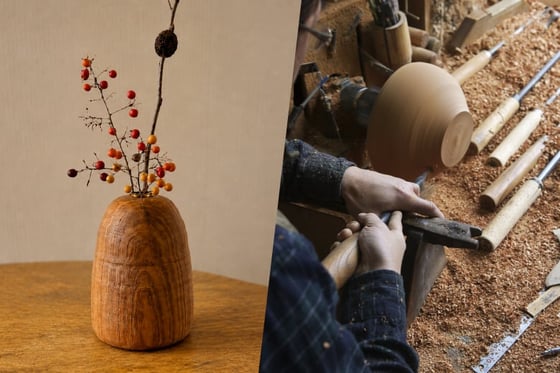
On Wabunka’s experience, guests watch the Kawakita family’s techniques up close and then turn their own single-flower vase (ichirin-zashi) on the lathe. “We don’t want it to be just a craft class. We want guests to feel the story of the wood,” says Hiroshi. The family’s skills have come down through generations, and their sense of beauty grew out of the forests around Yamanaka, along with a deep respect for wood. Time spent with what the Kawakita family has carried forward is likely to leave visitors with something new to take home.
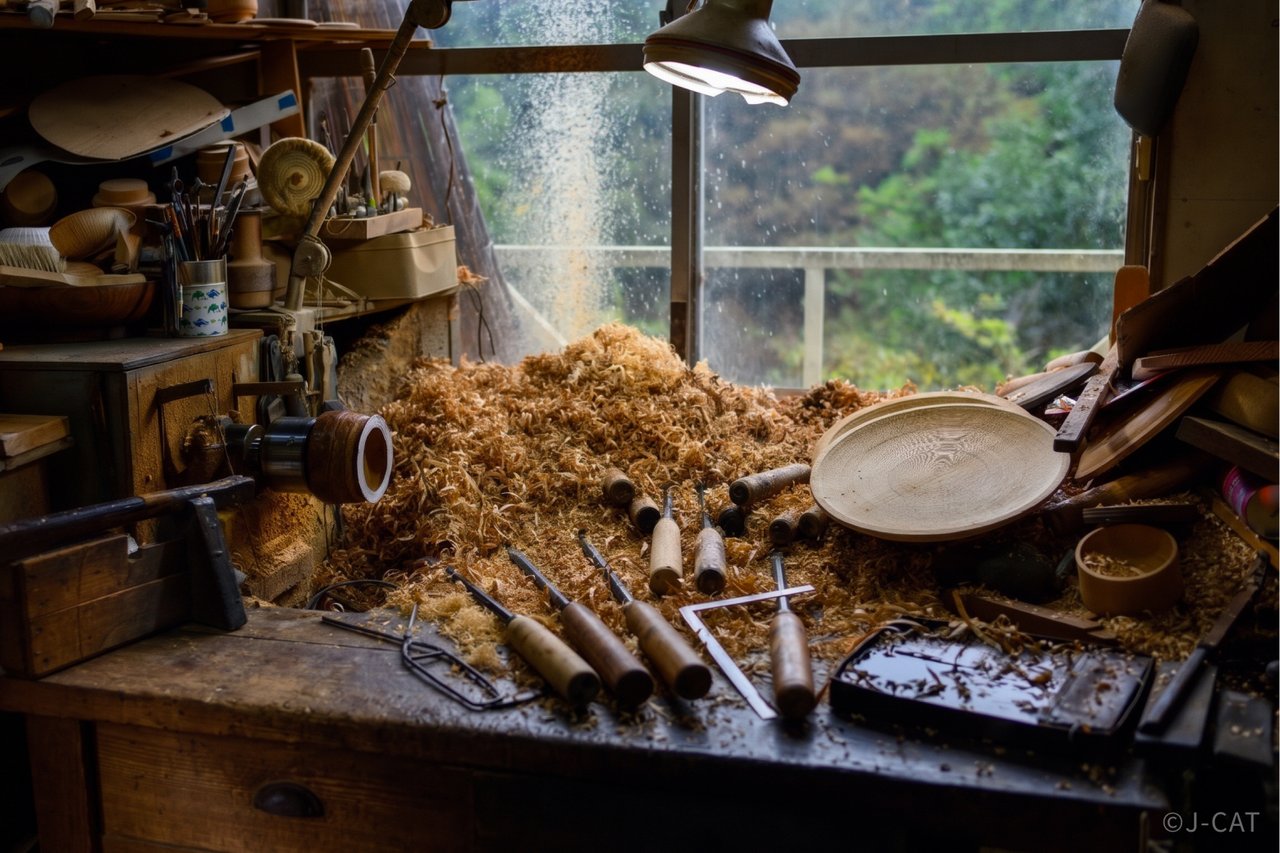
A kijishi’s work always depends on what nature provides
Kawakita Kobo
Kawakita Kobo is a woodturning workshop in the Yamanaka Onsen area of Kaga, Ishikawa Prefecture, deeply connected to the region’s long tradition of kijishi craftsmanship. Three generations of artisans turn wood on a lathe to produce the wooden forms that underpin Yamanaka craft lacquerware – the Kawakita family’s kijishi lineage has been recognized at the highest echelons of craft and art with the recognition of second-generation woodturner Ryozo Kawagita as a Living National Treasure and his listing as a Holder of Important Intangible Cultural Property for his work. Today, Kawakita Kobo continues through his work – as well as the work of his son Hirohiko and grandson Hiroshi, combining a heritage of technique and craft tradition with personal expression and a deep respect for the material. The family’s work is centered on the philosophy of “ki wo ikasu,” or giving wood life, and seeks to respect and draw out the beauty of its materials – especially those which reach it with deeper connections or histories that might otherwise be perceived as blemishes.