The Formative Memories of a Third Generation Sealmaker
Kamakura Hanko proprietor Mitsuhiro Tsukino was born to a family of sealmakers. His grandfather Tetsu founded the first generation shop in Nara Prefecture in 1951, and carved kissoin lucky seals for 40 years, choosing auspicious strokes for each buyer based on the characters of their name, their date of birth and the cardinal directions. Second generation Masaharu inherited Tetsu’s techniques, and continues to use them in his Kansai-area seal shop to this day.
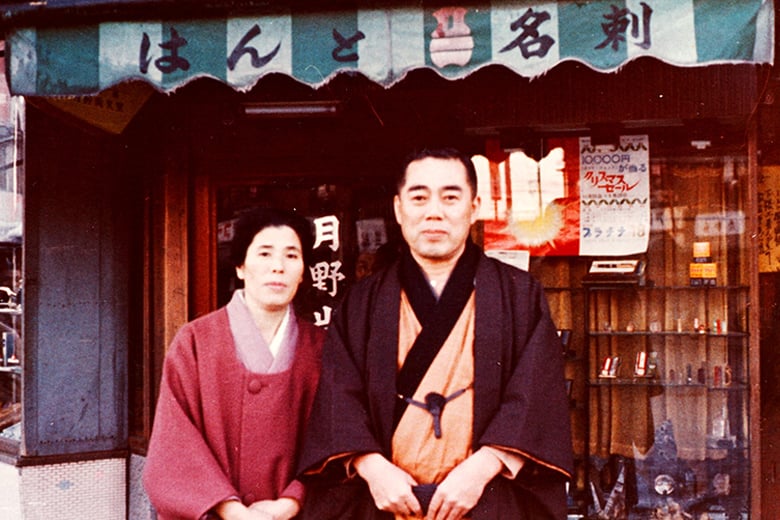
The seal business founded by Mitsuhiro’s grandfather, Tetsu
Mitsuhiro’s childhood memories are full of scenes of his father and grandfather sitting in silent focus on their carving. He always had great respect for their work, but for a long time couldn’t even imagine himself ever following in their footsteps. After graduating university, he went into the IT industry and thought he had left the family business behind.
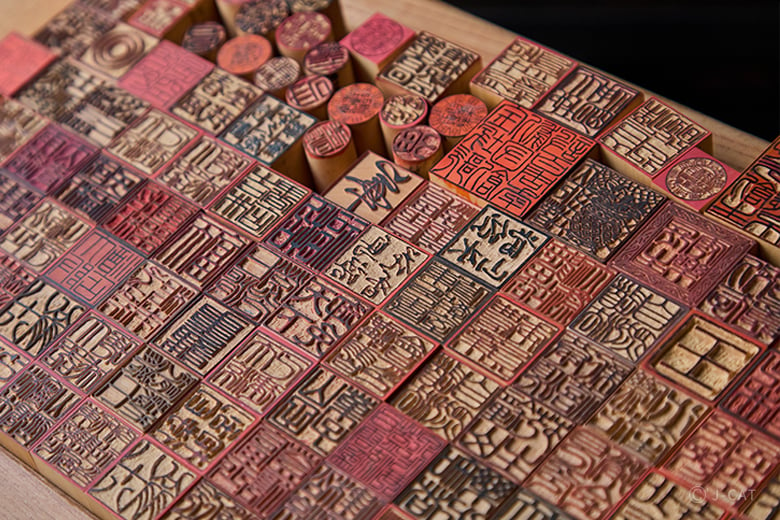
The gorgeous heritage of typefaces carved by the first generation of the business
Marriage, a Turning Point, and the Unexpected Depth of Seal Carving
In his 30s, Mitsuhiro married Chieko and settled down to seeming stability – only to find himself suddenly questioning whether he really wanted to spend the rest of his professional life in an office job. Searching for a calling to devote himself to, Mitsuhiro made the decision to leave his career in IT behind and return to the family business. Chieko – who has an art school background with a major in sculpture of all things – was thrilled to support this decision.
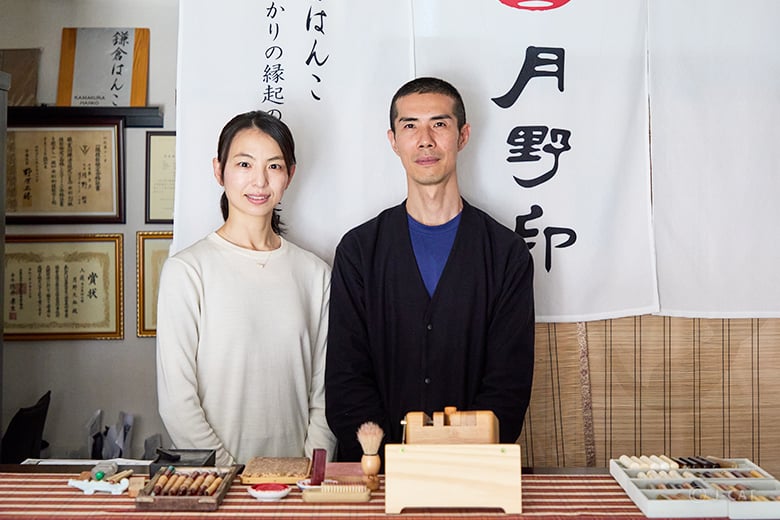
Mitsuhiro and Chieko Tsukino are both nationally accredited artisans
Husband and wife worked together to help with sealmaking at the family home, and found themselves drawn deeper and deeper into the intricacies of the art until they were obsessed. Under Masaharu’s tutelage, Mitsuhiro and Chieko honed their skills and passed the test to obtain national certification as seal carvers, finally striking out on their own in 2016.
A Commitment to Hand-finishing, Fostered by Kamakura Tradition
The Tsukinos chose Kamakura as their base for its deep historical connection to the traditions of personal seals. Kamakura was the site of Japan’s first shogunate, and this concentration of power and prestige in the city left behind a legacy of historical sites and rich cultural traditions that lives on to this day. Here the Tsukinos felt they were not only heirs to and stewards of a 70-year-old family business, but also the much older seal traditions of the entire country.
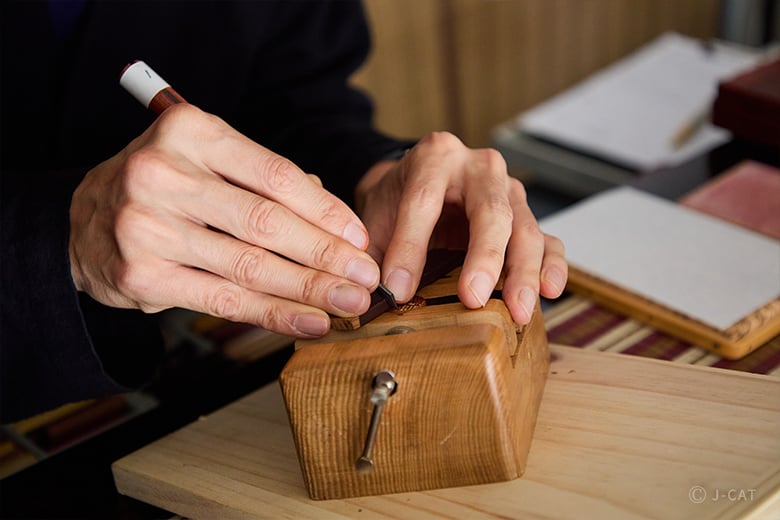
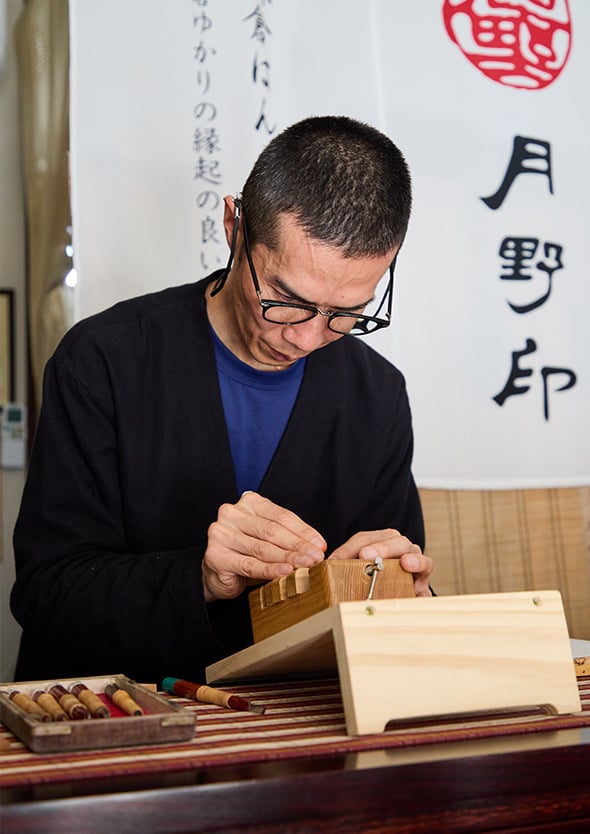
In their workshop in the back of the store, the Tsukinos carve seals day after day
Cheap machine-carved seals and self-inking stamps flood the market today, but Kamakura Hanko has remained committed to exclusively hand-finished seals. This close attention goes beyond just the craft: at every step of the process from orders to designs to carving to finishing, the Tsukinos handle the business themselves. This of course means a higher price and a longer production time for the seals, but for customers looking for unique, authentic specialty seals – such as when marking a passage into adulthood, a landing of a job, or a marriage – there is simply no substitute.
The Vision of a Singular Kamakura Seal Like Nowhere Else
After opening their business in Kamakura, the Tsukinos met artisans working in the local traditional craft of Kamakura-bori carving. This art form, which reaches the present day through 800 years of tradition, is said to have begun when Buddhist statue sculptors turned their techniques toward producing ornamental altar fittings and furnishings. Though still used today for such items as trays and tableware, the Kamakura-bori tradition is struggling under the twin hardships of a declining artisanal base and plummeting demand – much like the seal industry.
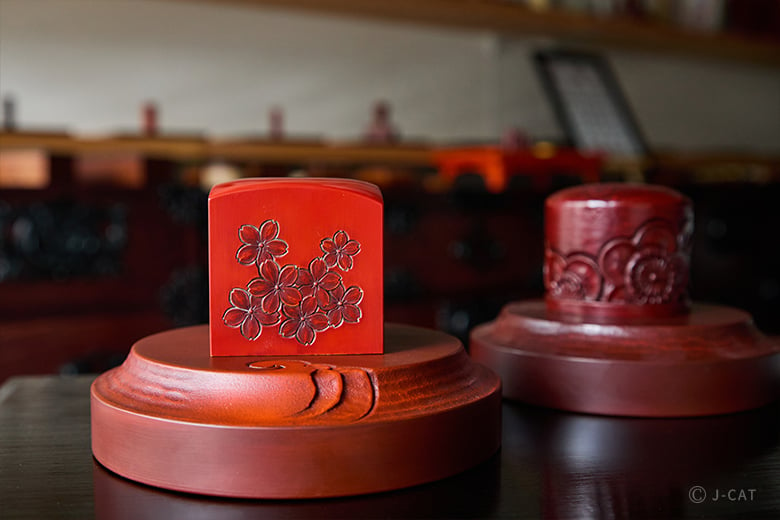
Bold, three-dimensional Kamakura-bori decorative external carvings and handsome lacquering add to the artistry of a seal
Coronavirus further exacerbated these struggles. But the Tsukinos saw a potential in harnessing Kamakura-bori to create a new and enhanced high-value personal seal. After 5 years of planning with Kamakura-bori artisans, they unveiled their masterpiece seal: a work of art from the stamp face to the intricate Kamakura-bori lacquered carvings on the handle.
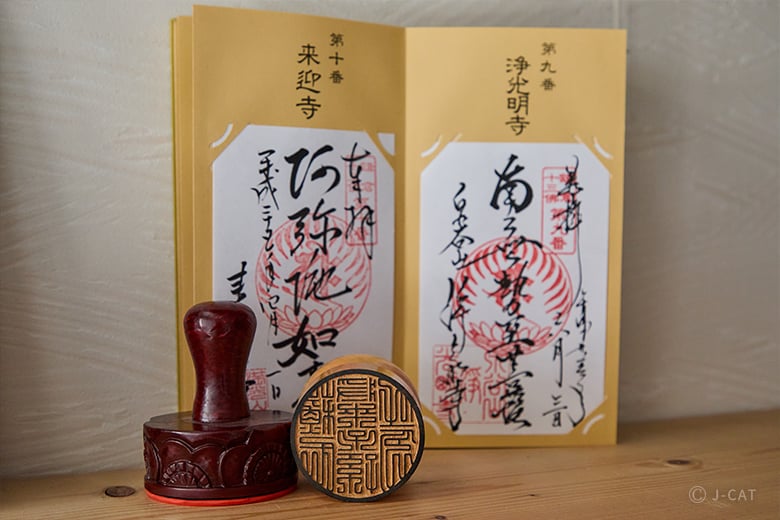
Goshuin seals (commemorating pilgrimages and religious attendance) with Kamakura-bori external carvings
These unparalleled Kamakura-bori seals are Kamakura Hanko’s signature creation, and they cannot be gotten anywhere else. In 2022, they won the shop the highest rank of the Nippon Omiyage Award (NOA), and dedicated a Kamakura-bori goshuin shrine stamp meant to represent the city’s prayers for recovery from the pandemic at Kamakura’s most iconic shrine Tsurugaoka Hachimangu. In this way, the shop has come to leave its own indelible mark on the city’s history, and become an inextricable part of its culture.
Japanese Seal Traditions to Preserve and Pass On
In ages past, possession and use of personal seals was the exclusive privilege of upper class nobility, and the seals themselves were regarded as treasures. The act of affixing a seal was an almost totemic expression of resolution and commitment, with the mark regarded almost as the alter ego of the person themselves. Although the explosion of digitalization in recent years has led to the increasing omission of seals on forms, Kamakura Hanko hasn’t seen any impact on its order numbers.
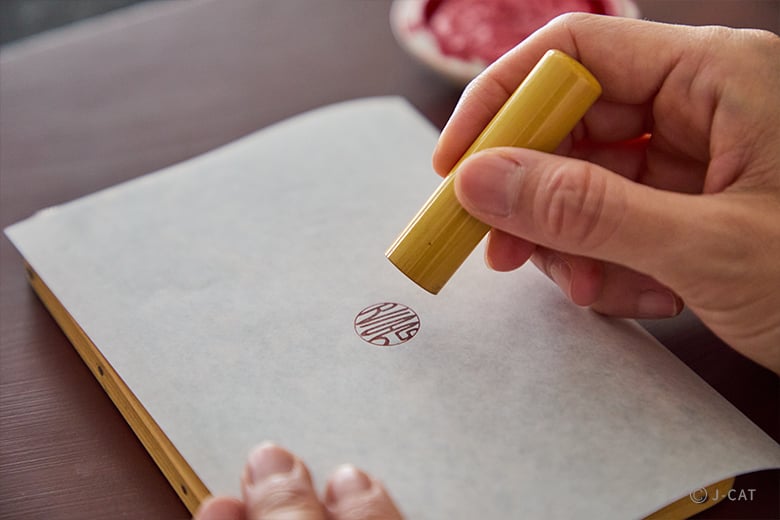
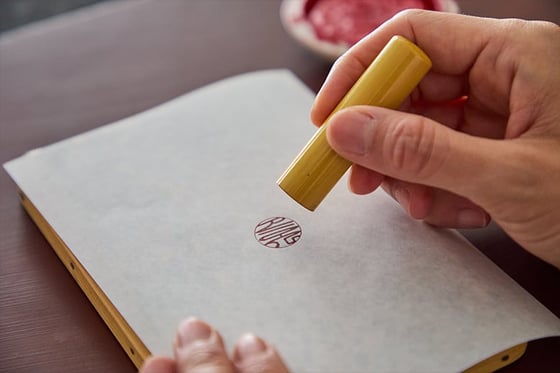
There is a certain incomparable gravitas that comes from affixing your personal seal to a document
Even if the formal affixing of a well-made personal seal to a document is no longer a strict requirement, it remains a deeply respected and valued tradition in Japan as a declaration of intent. Says Mitsuhiro: “I don’t pour myself into my creations because I see them as just another day-to-day tool. I do it because I see them as sacred companions in the lives of their holders, and an embodiment of that person’s very soul.”
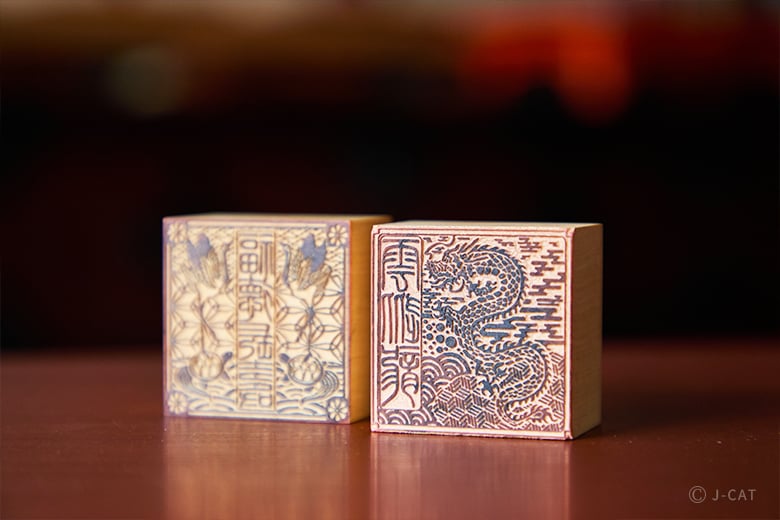
Each customer’s unique wishes are interpreted with intricate design and proven techniques to produce one-of-a-kind seals
Kamakura is a popular destination for domestic and international tourists alike, and the Tsukinos labor to create precious, once-in-a-lifetime seals for visitors. Times are changing, but these partners in artistry continue to keep the flame of these proud cultural traditions alive, striving to elevate them with their own unique contributions – and share them with the world.
Kamakura Hanko
A longstanding Kamakura specialty producer of personal seals in operation for three generations. Its proprietors, married couple Mitsuhiro and Chieko Tsukino, are nationally certified seal engravers who conduct their sales face-to-face and focus on hand-crafted seals. Their high level of skill and artistry is attested by a constant stream of orders from individuals and companies seeking high quality seals. Their goshuin stamps created in collaboration with artisans of the city’s famous traditional Kamakura-bori wood engraving technique, can be found displayed at temples and shrines all over Japan, such as at Kamakura’s own preeminent shrine, Tsurugaoka Hachimangu. In 2022, Kamakura Hanko won the top award from NOA (Nippon Omiyage Award).