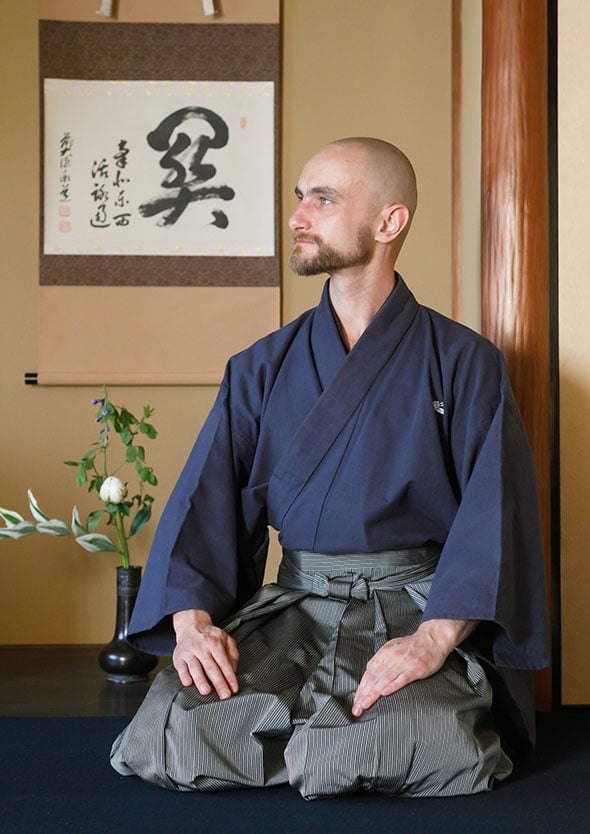
Following a Mysterious Affinity into a Kendo Dojo
As a high school student growing up in Antwerp, Belgium, Sosen felt himself drifting aimlessly, unsure of his life direction until a chance encounter with the sport of kendo. “There was a dojo not far from my home, and I decided to join because I thought it was cool. But if I’m honest, I don’t remember exactly how I found out about it or how exactly I made the decision. It feels like I might have been guided by fate,” he reminisces, with a mysterious look.
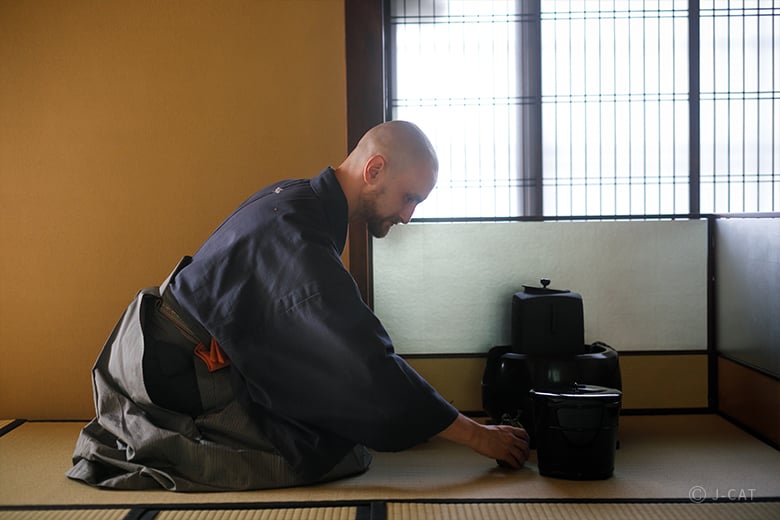
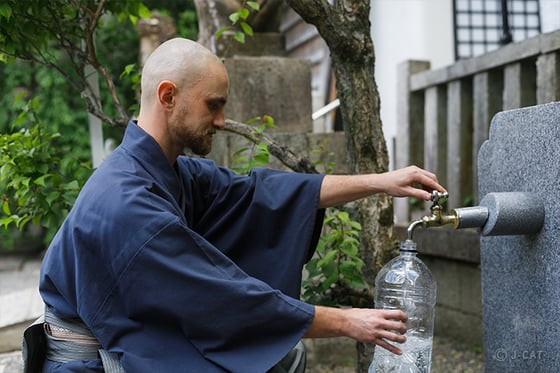
Sosen is well versed in kendo and other Japanese martial arts
Following a recommendation from his dojo, Sosen then read the Dutch translation of Eiji Yoshikawa’s Miyamoto Musashi, a fictionalized account of the life and times of the real historical samurai of the early Edo period (1603-1867) whom history remembers as the greatest swordsman that ever lived. Musashi has been the subject of Kabuki plays, novels, and movies, and today his renown is global. Sosen was instantly hooked.
“I had never even read a book all the way to the end before. But this one was special. I was captivated by the book’s portrayal of Japan’s culture and scenery, and by Musashi’s resolute adherence to his decisions.”
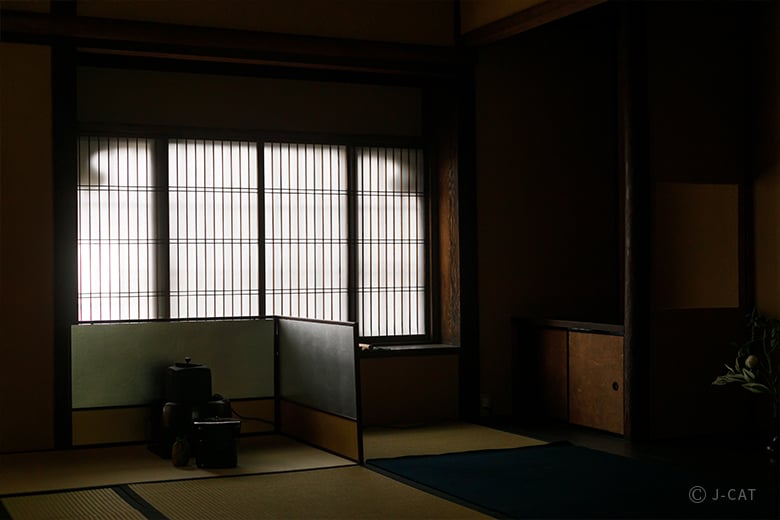
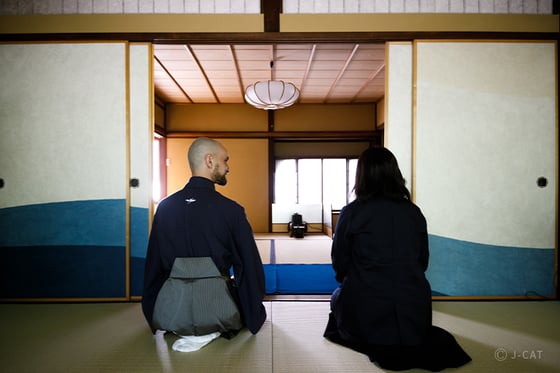
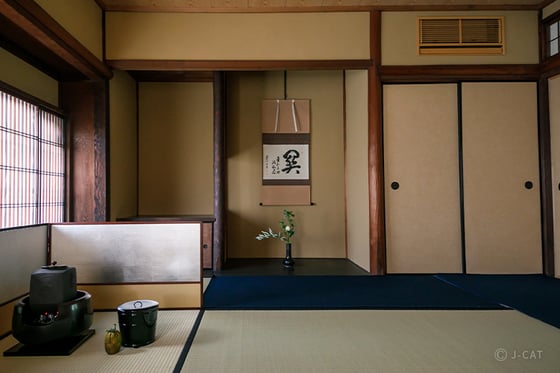
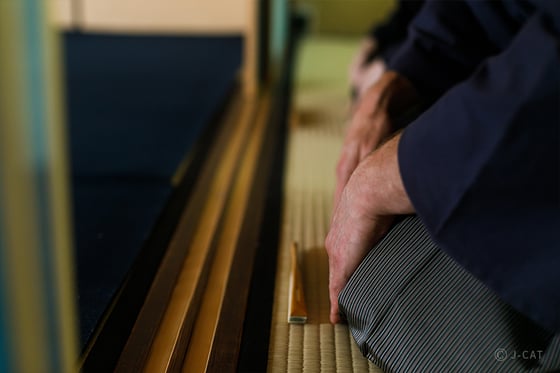
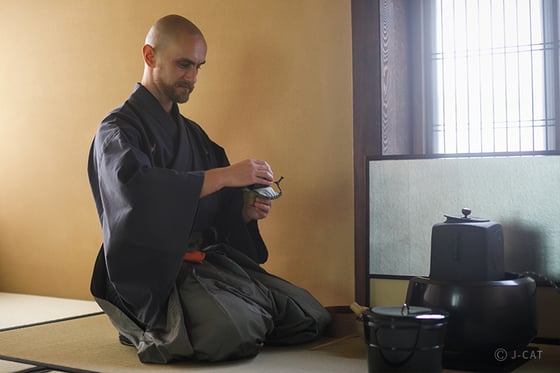
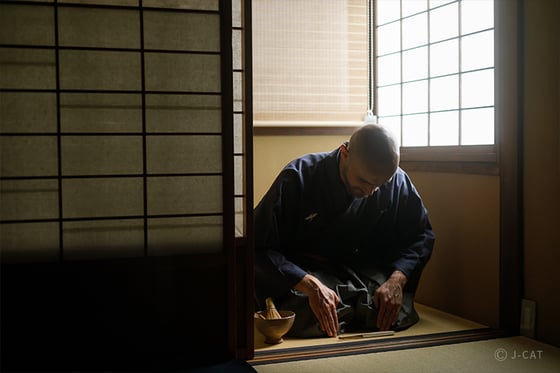
The Tea Crane’s tea chamber keeps its own singular time, and the outside world reaches in only as soft natural light
All Sosen knew was that he wanted to visit Japan. With this in mind, he went to KU Leuven, a prestigious Belgian university noted for its active foreign exchange program with Japan.
A Chance Encounter with Tea Ceremony in Japan
Sosen’s study abroad took him to Kansai University, where he studied various cultural traditions and martial arts of Japan. During that time, a professor of his invited him to an Enshu-style tea ceremony. “I didn’t know anything about tea ceremony back then, so at first I wanted to refuse the invitation. But as soon as I gave it a try, I understood its appeal.”
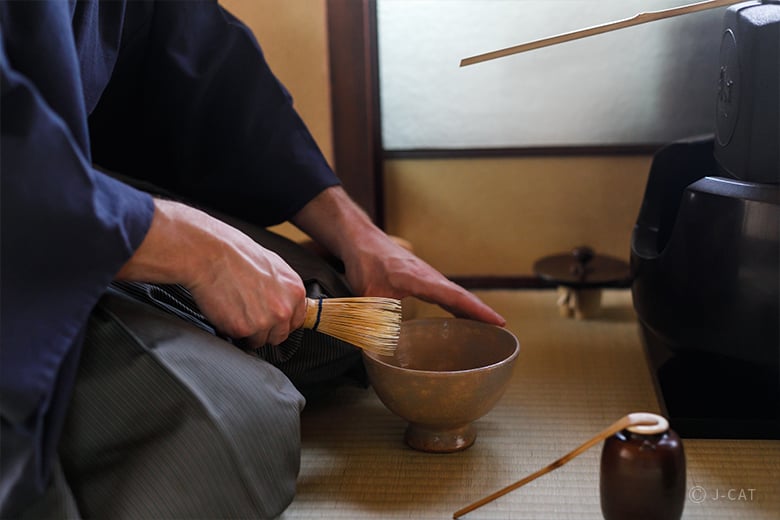
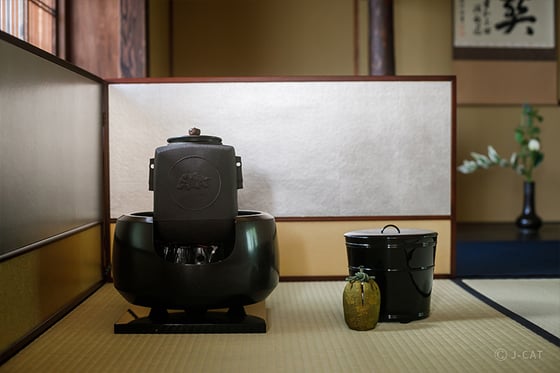
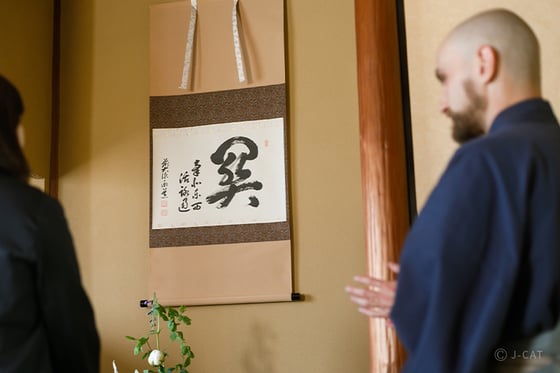
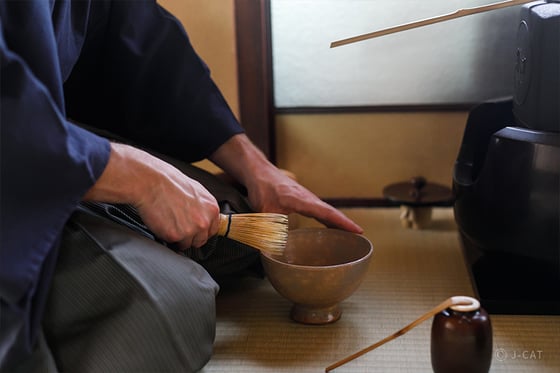
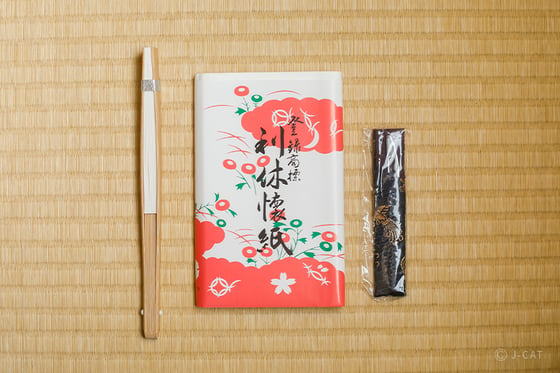
Visitors to the tea chamber can get a look at Sosen’s precious tea ceremony utensils
Tea ceremony draws on a variety of Japanese cultural elements, including zen philosophy, architecture, landscaping, pottery, flower arrangement, handicrafts, calligraphy, painting, and poetry. “I realized that this was a comprehensive window into all of the cultural and technical studies I was interested in,” says Sosen, “and that was what made me want to master the art of tea ceremony.”
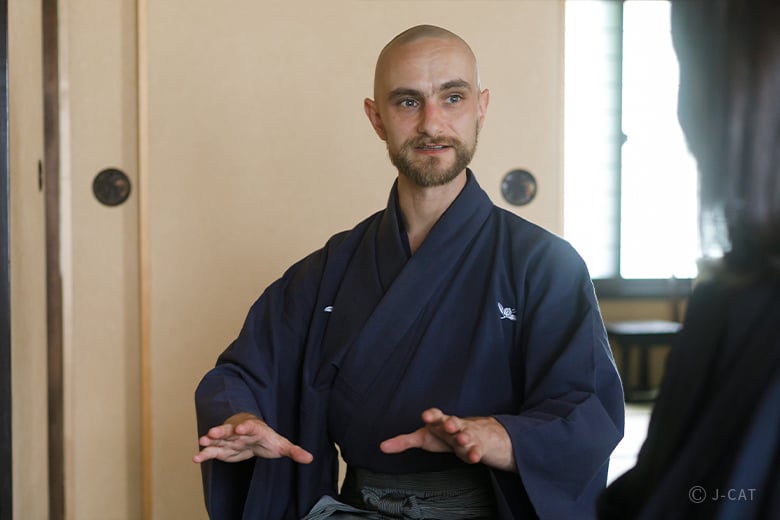
Sosen deploys his multifaceted knowledge about Japan and its culture through simple, beginner-friendly explanations
Tea ceremony has evolved into a variety of different schools since the time of Sen Rikyu, the so-called father of tea ceremony. Sosen’s Enshu school emphasizes the elegance and sophistication of the art. Its founder Kobori Enshu imbued it with a notion of courtly elegance though. Sosen found that the Enshu school’s approach resonated deeply with him, and he threw himself into its study with such a fervor that he became the youngest ever foreigner to reach the status of an instructor in the Enshu school.
The Day-to-day of a Lifetime Pursuit of Tea Ceremony Mastery
When he had completed graduate school, Sosen remained in Japan to work at a longstanding tea seller in Kyoto’s famed tea-producing region of Uji. But questions arose in Sosen’s mind. “Tea is the central focus of tea ceremony, and yet it seemed like there was very little emphasis on the tea leaves themselves. Hosts explain all about who made each tea bowl, and where the tea was grown, but say almost nothing about the flavor profile or other particular characteristics of the leaves.
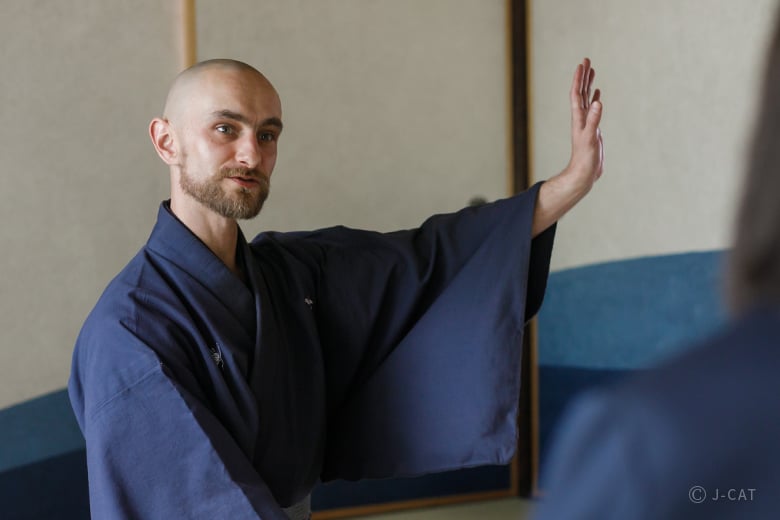
Sosen is also an expert in Japanese tea, and his business The Tea Crane exports it around the world by mail order
While working at the tea seller, Sosen traveled all over Japan visiting tea farms, eventually becoming the first ever Belgian to receive an instructor certification in Japanese tea. He began his work to popularize Japanese tea and all of its charms around the world. He opened The Tea Crane as a curator, purchaser, and seller of organic tea leaves grown without pesticides – the traditional cultivation method of Japan.
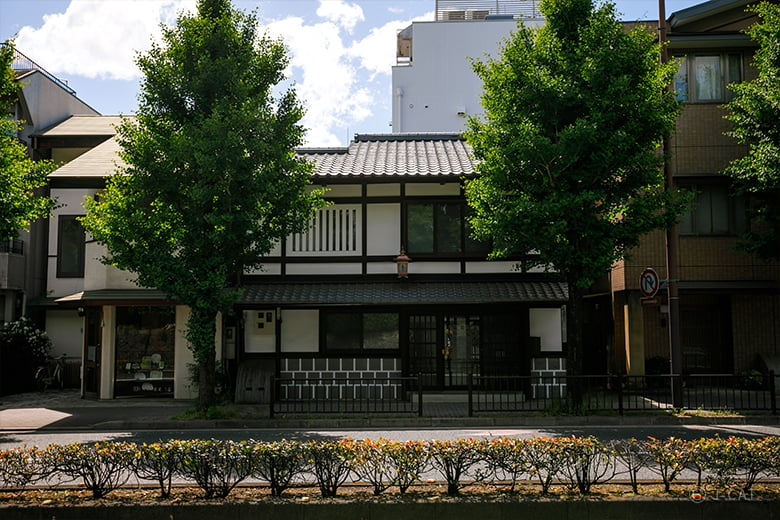
The Tea Crane sits within an old folk house just west of the Kyoto Imperial Palace
A Drive to Connect the World with Japanese Tea Leaves and Tea Ceremony
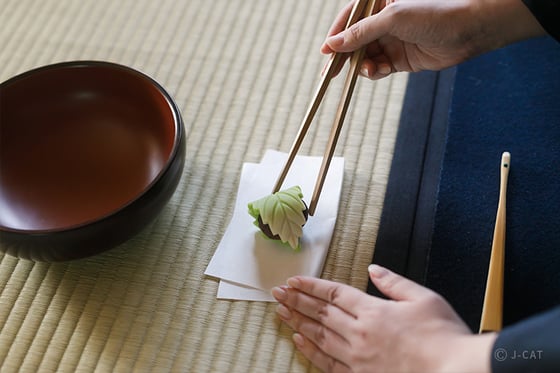
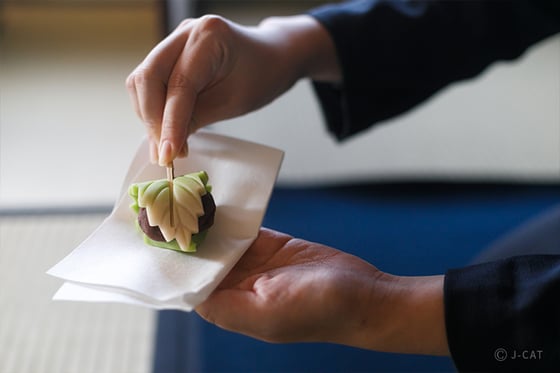
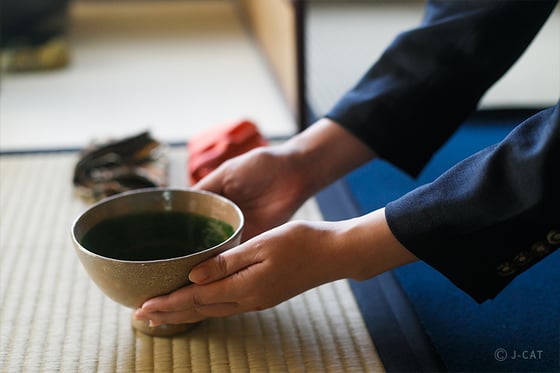
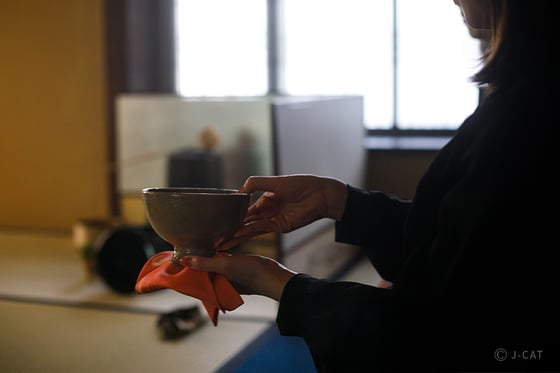
The Tea Crane not only sells a carefully curated selection of organic Japanese tea around the world, but also works to popularize the culture of tea ceremony through authentic tea ceremony experiences – which the Wabunka experience features the highlights of. Where most tea ceremony experiences serve usucha thin tea, this experience serves koicha thick tea for a more authentic tea ceremony.
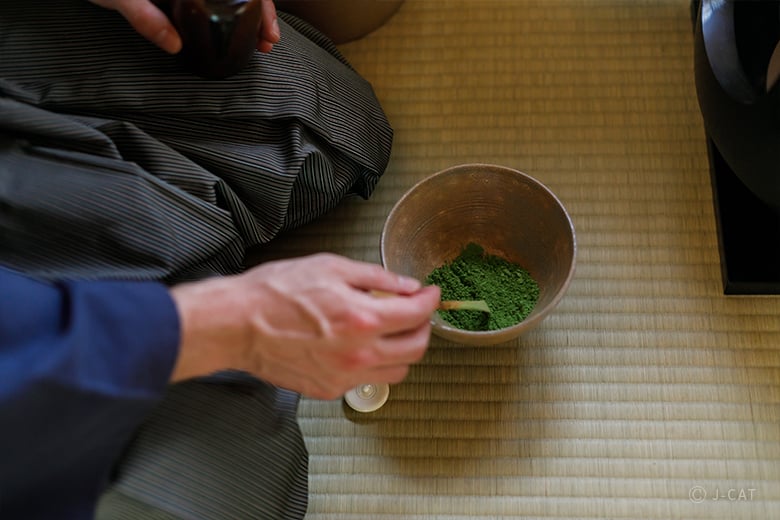
Koicha is typically twice as concentrated as usucha, and higher quality leaves are generally less bitter, highlighting the natural umami of the tea instead
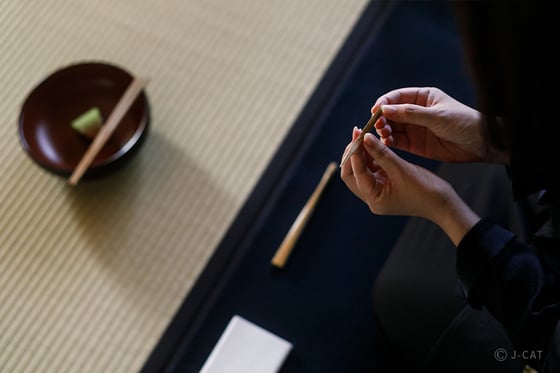
The Wabunka plan also offers the chance to experience tea ceremony preparation, to observe Sosen’s master-level tea making, and to enjoy his detailed commentary on the cultural context and history of tea ceremony that further illuminates its charms. It is also a rare chance to enjoy koicha made with high quality, organic, pesticide-free leaves personally selected by Sosen during his visits to farms.
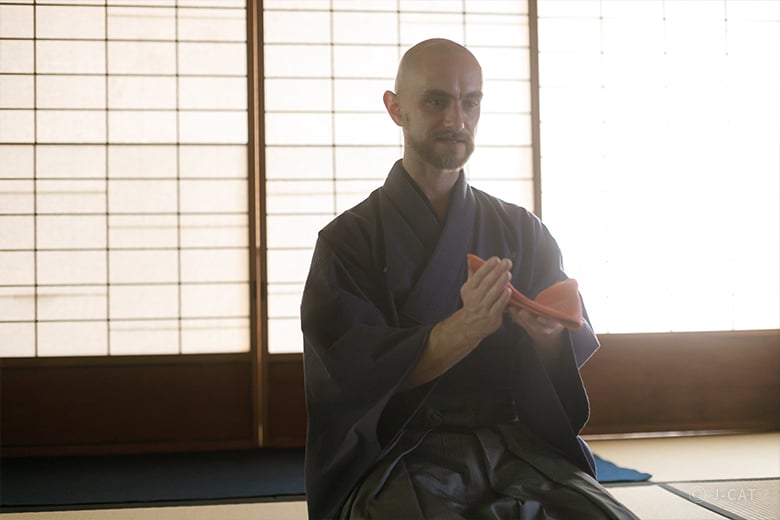
Sosen’s experience working at a tea seller in the famed tea-production region of Uji, helped shape his path
A tea room is an extraordinary space, a world away from the mundane. “For me,” says Sosen, “tea ceremony is a precious moment to face yourself, and to heal. I hope that it can offer people respite and a chance for self-reflection in a world far away from their busy day-to-day lives.”
Finding His Place in Japan
Sosen’s chance encounter with tea ceremony changed the whole course of his life. “I found what I wanted to do here, and tea became my calling. Most importantly, I was able to find a place where I felt like I belonged.”
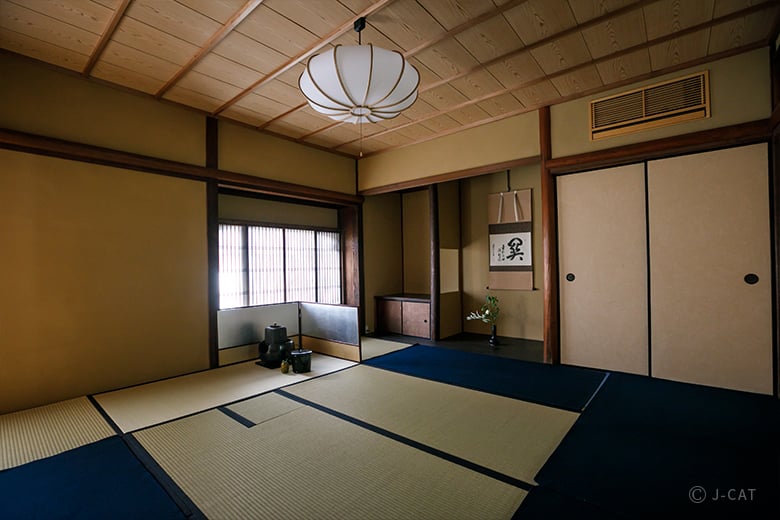
“Learning lasts a lifetime,” says Sosen, who still practices daily
Tea ceremony is built on a base of traditional Japanese culture, providing an opportunity to learn a great deal while also enriching and beautifying life in the process. It holds the wisdom of the ancients, and can impart life lessons that are all too easily forgotten in the hectic modern world.
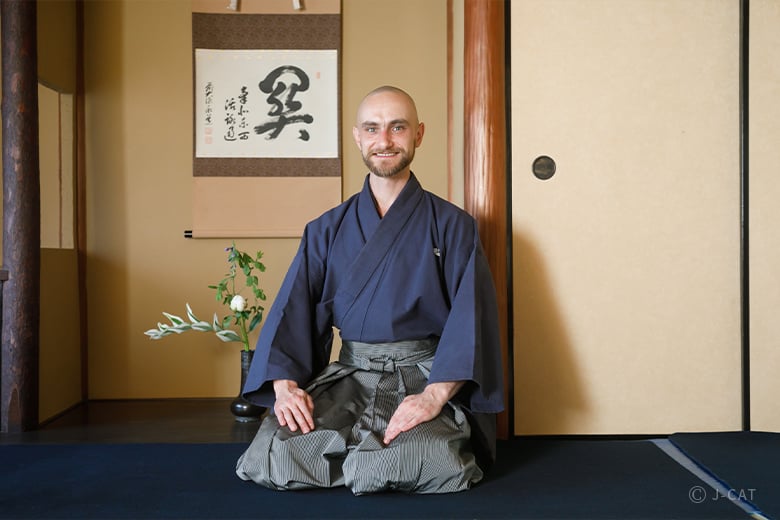
Sosen teaches not only the manners of tea ceremony, but their background and meaning too
When asked about his future plans, Sosen shared a quote close to his heart:
In life we don't always manage to realize our desires. But by remaining in tension towards them, little by little we get what we hoped for.
“A customer said this to me, and I thought it was perfect. I hope to bring tea ceremony and Japanese culture to more people, and to master the art by holding tea gatherings. I believe I can do this.” Sosen remains resolute and faithful to the way of tea.
The Tea Crane / Tyas Sosen
After developing an interest in Japan through the art of kendo in his home country of Belgium, Sosen came to the country as an exchange student, continuing his studies of Japanese culture and martial arts. It was here that he first discovered tea ceremony and was captivated by its all-encompassing nature. In 2015, he founded The Tea Crane as a mail-order supplier of organic Japanese teas grown without pesticides. Using his qualifications as an Enshu-ryu tea ceremony master and instructor, he continues to work as a tea leaf exporter and as a globally-focused popularizer of tea ceremony and Japanese culture more generally.