Disciplining Mind and Body for Self-Mastery
The Ogasawara school of etiquette was founded by Nagakiyo Ogasawara, a descendent of Emperor Seiwa (reigned 858-876), under the orders of the Kamakura Shogunate’s first shogun, Minamoto no Yoritomo (1147-1199). For generations, Nagakiyo’s line continued to serve the shoguns and their family as instructors in samurai etiquette, which also included the arts of kyudo archery and yabusame mounted archery – traditions which continue to the present day.
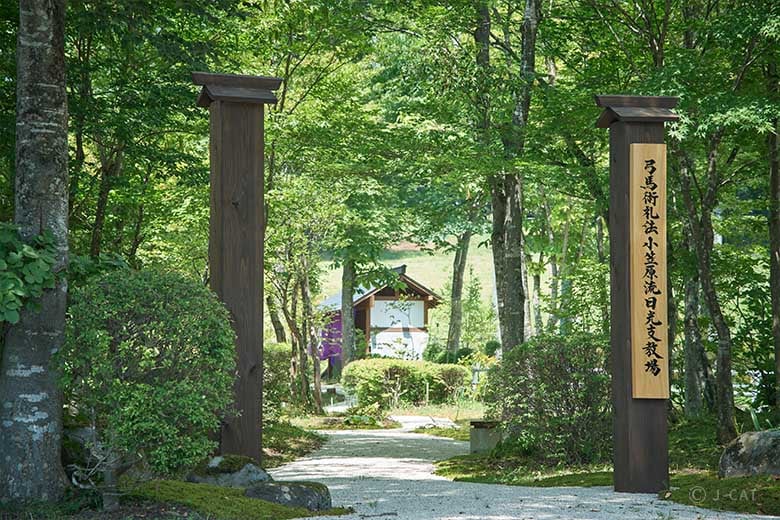
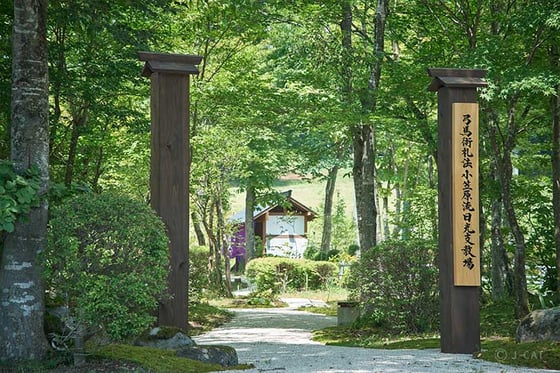
The Ogasawara horseback archery training grounds in Nikko have deep historical connection to the families of the shoguns
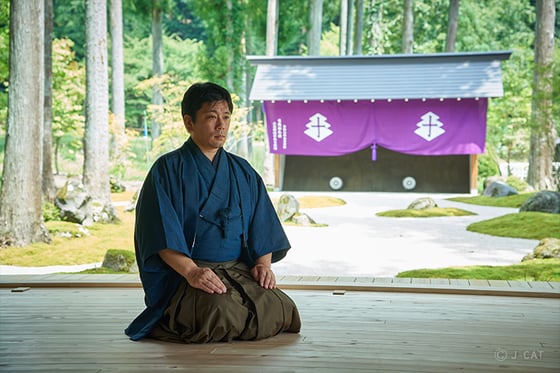
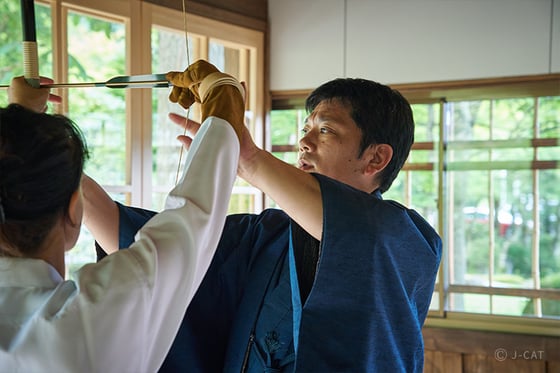
Ogasawara etiquette is characterized by a streamlined economy of movement. Even such prosaic acts as standing, walking, and sitting are diligently molded through training to produce a core sense of ever-present self-discipline which does not waver under any circumstance. The Ogasawara style views the mind and body as linked, and believes that a mastery of movement cultivates the spirit. Tightly controlling even simple movements such as standing or walking to minimize recoil or excess swing is surprisingly difficult, and mastering it alongside posture naturally strengthens the muscle groups necessary for archery.
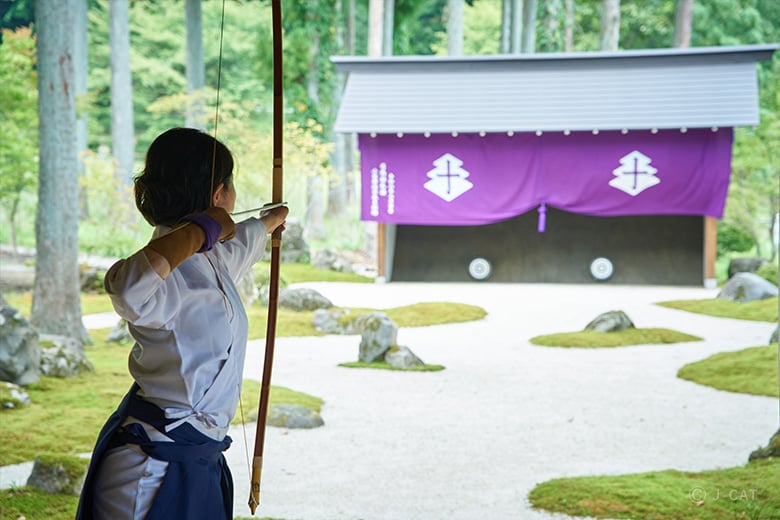
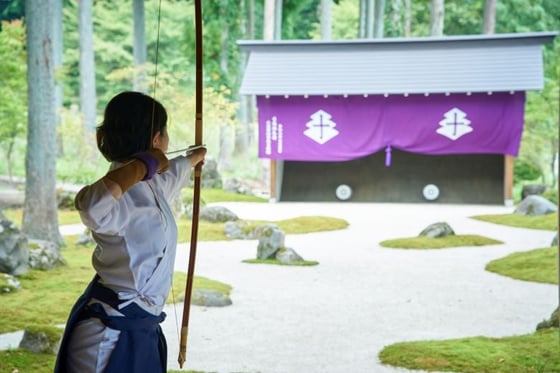
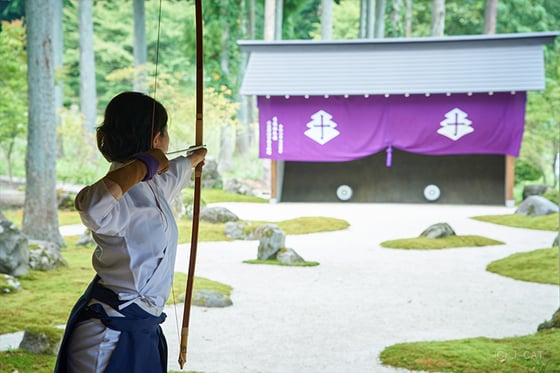
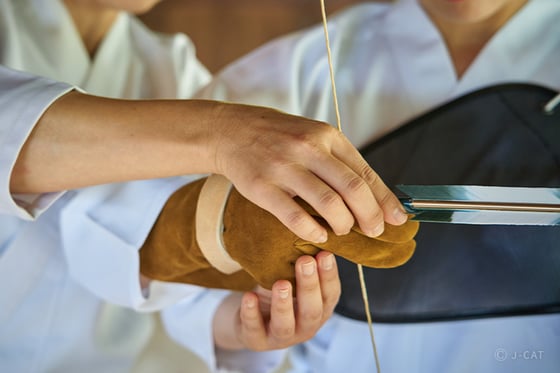
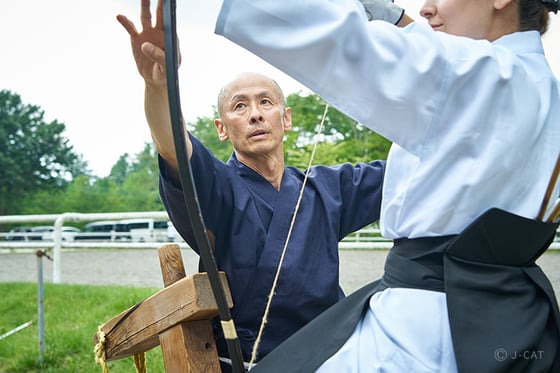
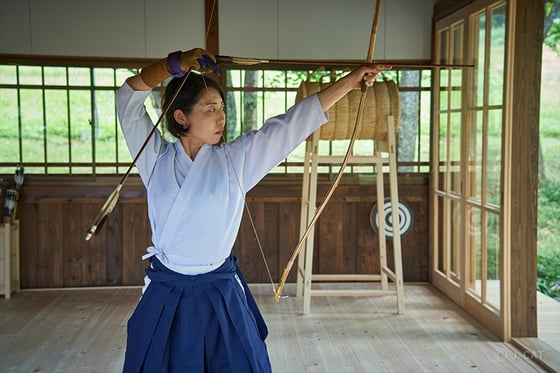
The eight basic movements of archery are known collectively as shaho hassetsu
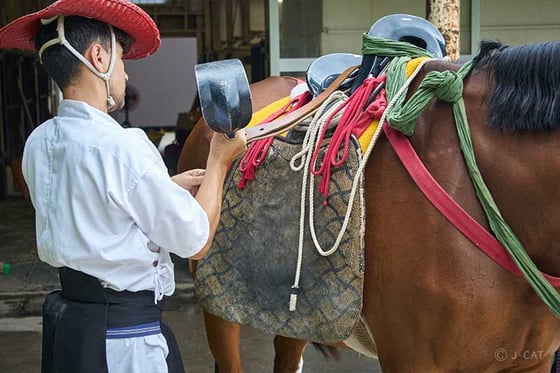
The eight basic principles of kyudo archery are performed as one undifferentiated flow, consisting of such things as maintaining proper posture, drawing and releasing the arrow, and holding position after release. The related art of yabusame is archery performed from horseback, in which a horseman shoots at several targets in succession while riding at a gallop. Since being performed in dedication at Kamakura’s Tsurugaoka Hachimangu Shrine in 1187, it has been adopted as a religious ritual passed down through the ages. Daily training in proper etiquette is essential for the mastery of these arts.
A Childhood Where Horseback Preceded Even the Bicycle
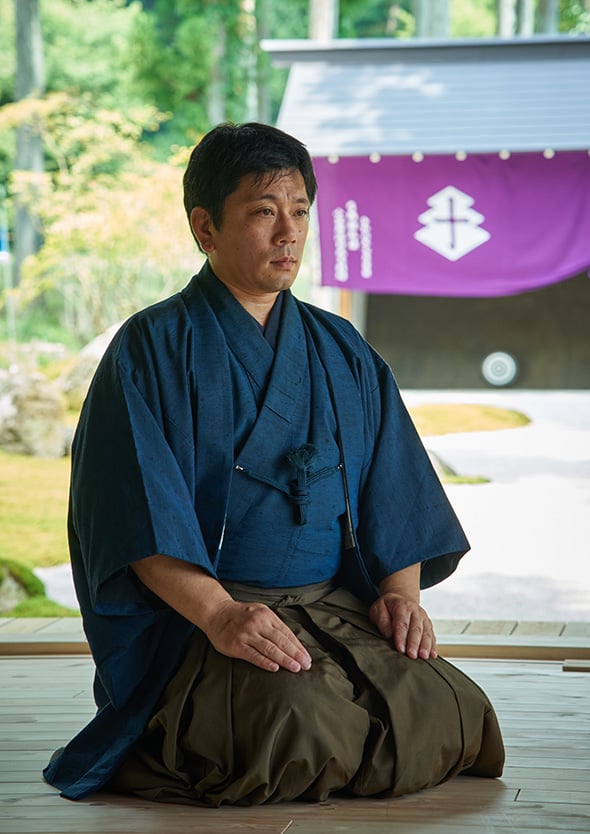
Kiyomoto Ogasawara is the eldest son of Kiyotada Ogasawara, who in 1980 ascended to the 31st grandmaster position of the school. Groomed from the start as heir, Kiyomoto began his training at the age of 3, and by 11 he was performing yabusame horseback archery rituals at the Tsurugaoka Hachimangu Shrine.
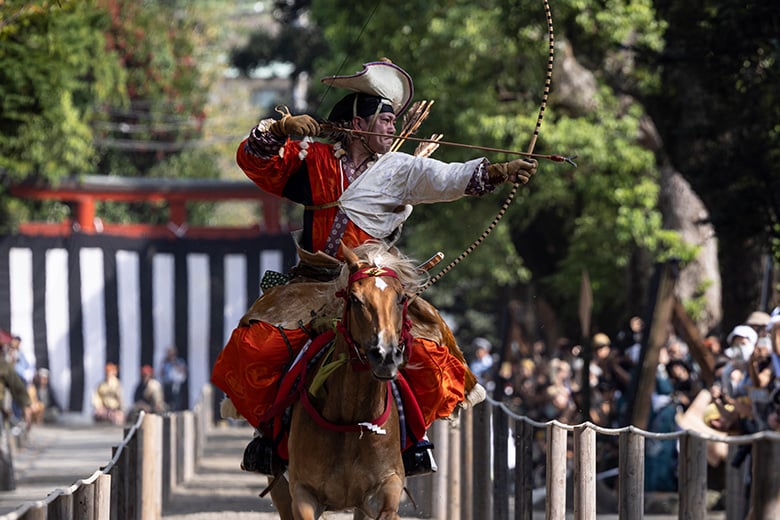
Decked out in traditional hunting attire, Ogasawara performs a ritual dedication of yabusame horse archery
Extensive training is required to become proficient at yabusame mounted archery. But Ogasawara says as a child he never felt he was “training” in archery or horseback, but rather simply learning them as part of the manners of everyday life.
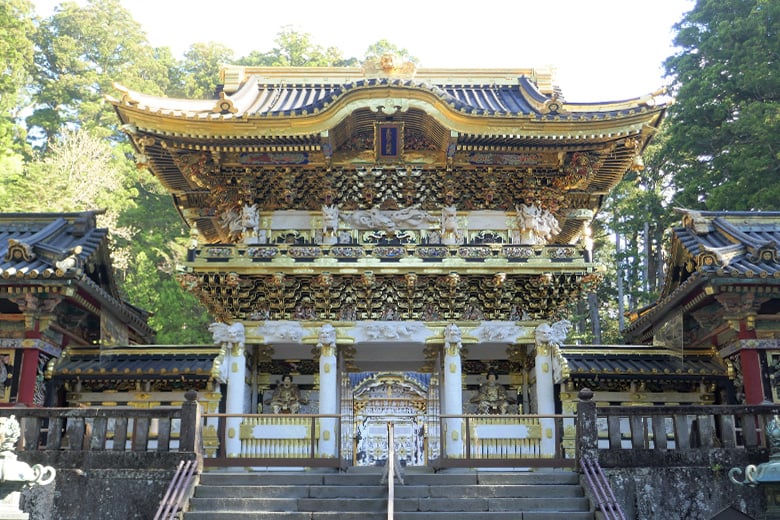
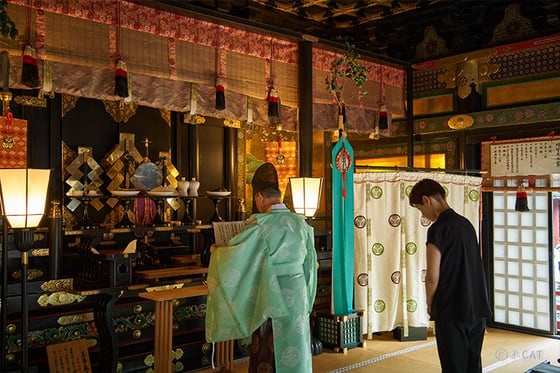
Historic Nikko Toshogu, the shrine of the Edo shoguns, where the Ogasawara family continues to perform Shinto rites of horse archery every May and October
“I learned to ride a horse before I even learned to ride a bicycle,” says Ogasawara. “And participating in events at shrines and temples just became an extension of childhood playtime. The etiquette of it all was just common manners to me, no different than sitting up straight while eating or greeting people politely. People tend to think of us as having this strict hyper-disciplined lifestyle, but it really all feels very natural and free.”
Ogasawara describes teachings unique to Ogasawara etiquette that he feels were formative for him growing up in this milieu.
The Place of Samurai Etiquette in the Modern World
“It’s not easy in the modern age, but I was raised to bridle my emotions and keep them hidden.” This tradition comes from the expectations of an era where the hardships of battle were commonplace, for samurai to remain stoic in expression and consistent in action regardless of how fatigued they felt, so as not to give the enemy openings to attack. And Ogasawara says that it still has its use today, allowing a person to avoid unnecessary mistakes out of tiredness.
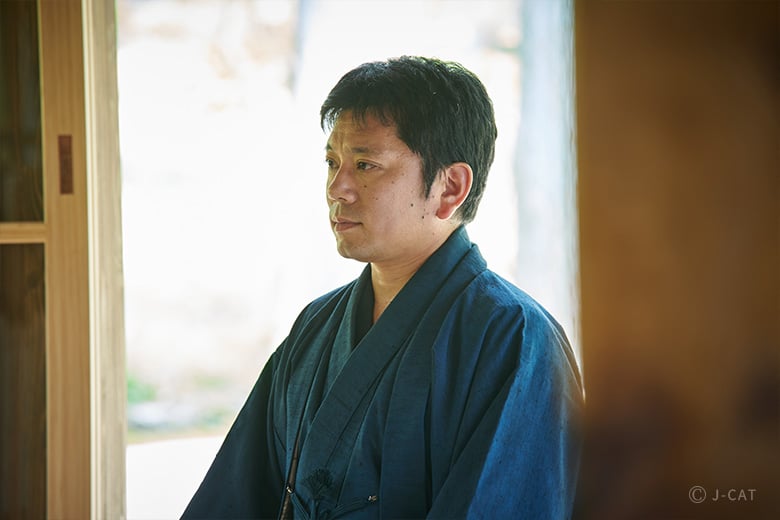
For Ogasawara, “Samurai etiquette is still valuable today.”
But the modern applications of samurai etiquette go further than just this. Ogasawara style etiquette has much in common with other cultural practices in Japan in that it emphasizes process over a particular result. The modern results-based mentality can lead to a narrowness of vision in pursuits, while embracing traditional culture can be a meaningful way of broadening one’s outlook.
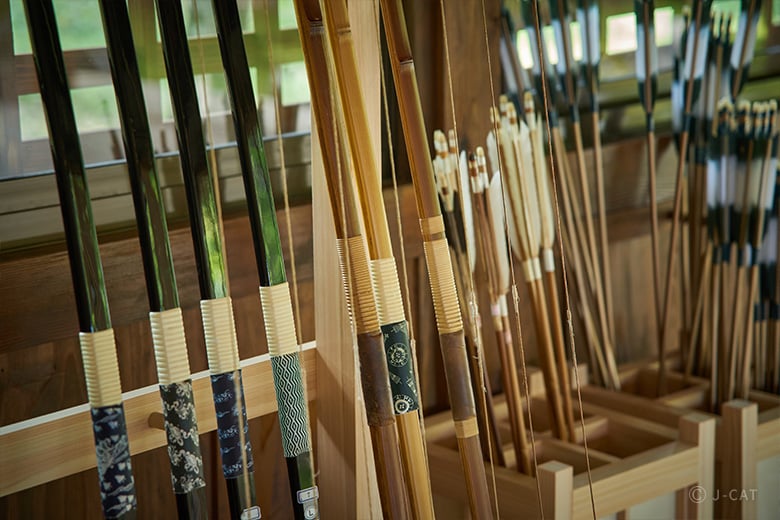
The process-oriented mindset is also reflected in the archery techniques of kyudo
“Modern values tend to emphasize pursuit of a singular result or form. But more important is an uncompromising, overarching value or big picture vision, and the pursuit of a process guided by that. What results is a mere outcome, not a single correct answer.
Heir Apparent to the Ogasawara School and Pharmaceutical Researcher
A path is followed to one answer from many possibilities. Mr. Ogasawara says that this approach also applies to his other role as a commercial pharmaceutical researcher.
The 28th Ogasawara Grandmaster Kiyokane wanted to preserve the purity of the art, and so promulgated a family motto of “never make the school teachings a profession,” reasoning that if the art became a business, then business concerns would inevitably eclipse its true values. Abiding by this principle, the current successor in line has a day job career at a pharmaceutical company, where he researches cancer treatment drugs.
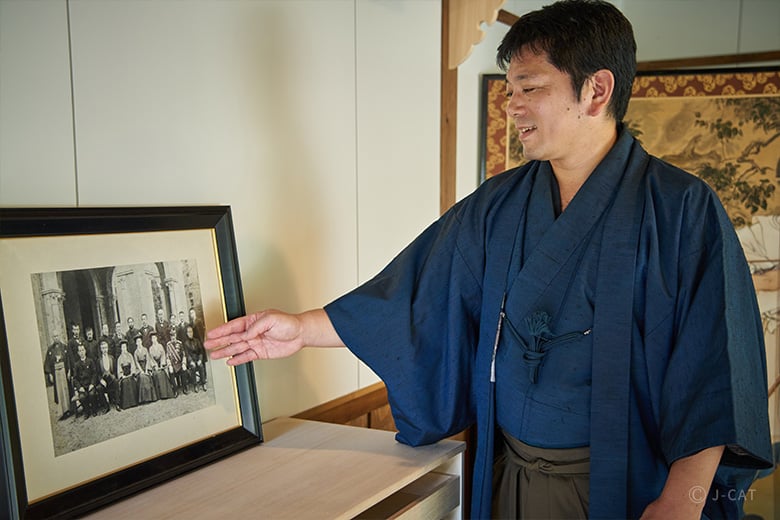
28th Grandmaster Kiyokane Ogasawara appears in a photo on display in the archery hall
“As drug researchers we have an overarching big picture vision, and that is patient wellness. This guides us as we find new treatments through exploring diverse ideas and following a path that leads us to one answer from among many possibilities.”
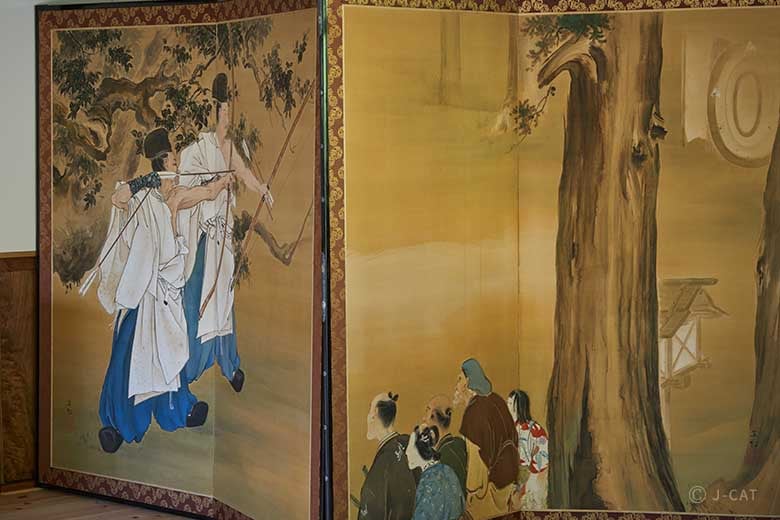
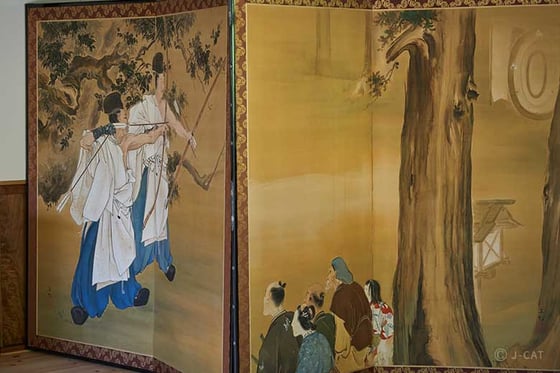
A folding art screen depicting foot archers on display in the archery hall
For the samurai arts, the overarching big picture vision was victory in battle, and this gave rise to various schools of approach. Ogasawara says that traditional culture is based on utilizing past trends and having a process to make choices to find solutions appropriate for the present moment.
A Traditional Spirituality Passed Down from Individual to Individual
The living traditions of Japan have been passed down uninterrupted from individual to individual, and Ogasawara hopes to convey the underlying philosophy behind that. Wabunka’s plan offers an experience in the basic tenets of Ogasawara style kyudo archery and yabusame mounted archery, and a chance to discover the samurai spirit. “Japanese culture prizes heritage of not only material techniques, but also the spirit and ideas behind them,” says Ogasawara. “And you might say the reason those things survive is because they end up being important to people in every era.”
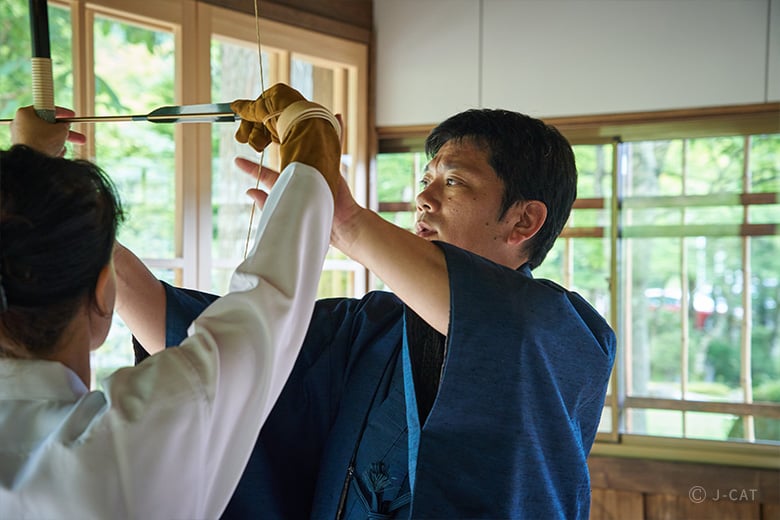
Amidst busy days, Ogasawara works hard nights and weekends to train his students
“Etiquette is really about the day-to-day. Modern life has bred different ways of thinking from ages past, and change requires adaptation. It’s my view that the Ogasawara school needs to keep pace with the times, to become something “new, but not new.” I hope to incorporate a variety of ways of thinking and derive its most perfect form from them.”
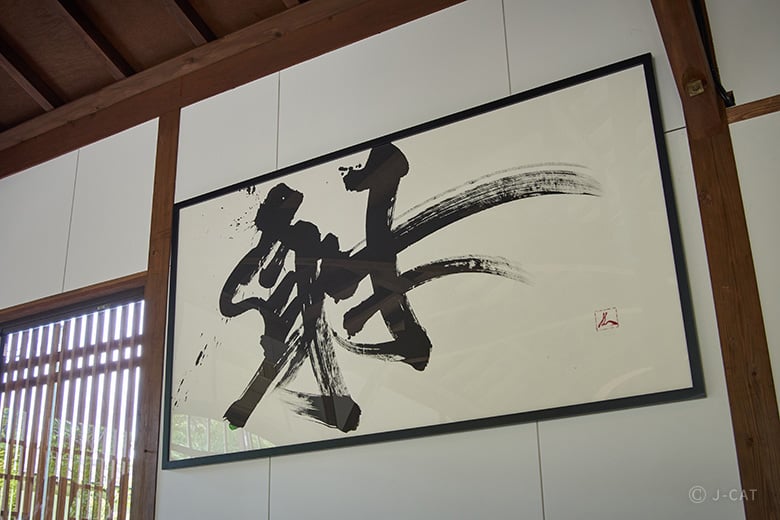
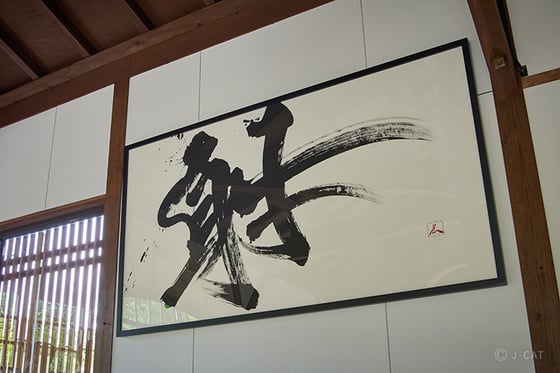
A calligraphic rendering of the kanji character for “shoot,” as in shooting an arrow
Passed down for approximately eight and a half centuries, the root of Ogasawara etiquette is the samurai spirit, which is as relevant today as ever. But the school maintains a flexibility of process, seeking the optimal path toward answers for social changes. In the Wabunka plan, participants can hone their own minds and bodies to rise to the challenges of the age that they face.
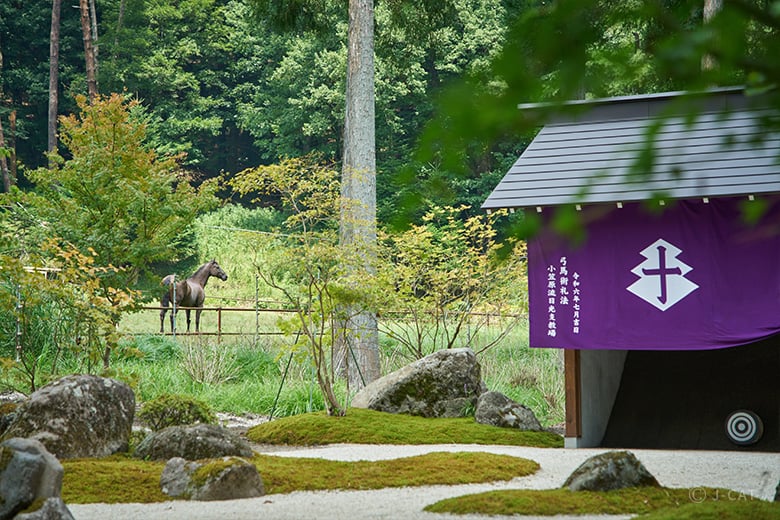
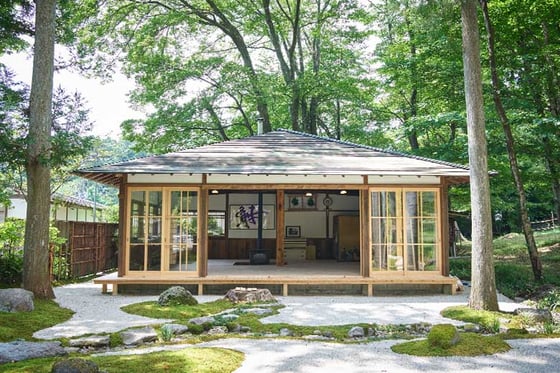
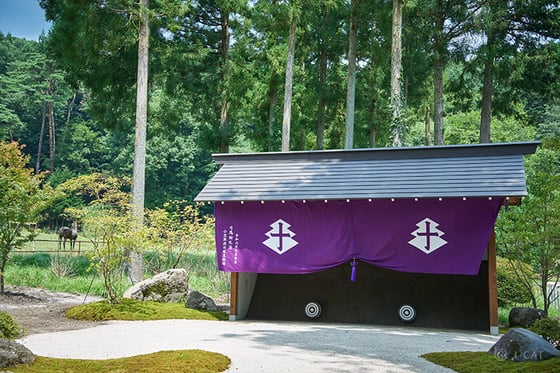
The Ogasawara archery hall at the Nikko Equestrian Center
Ogasawara Style Archery and Martial Etiquette
Ogasawara Style Archery and Martial Etiquette Devised by Nagakiyo Ogasawara at the behest of first Kamakura Shogun Minamoto no Yoritomo and officially formalized during the Muromachi period, the Ogasawara style of etiquette and archery has been handed down through the ages to the present day. Under the instruction of its 31st grandmaster Kiyotada Ogasawara and his heir apparent Kiyomoto Ogasawara, learn yabusame mounted archery, kyudo non-mounted archery, and the elegant streamlined economy of movement behind samurai etiquette.