Tradition and Innovation, in Architecture and in Brewing
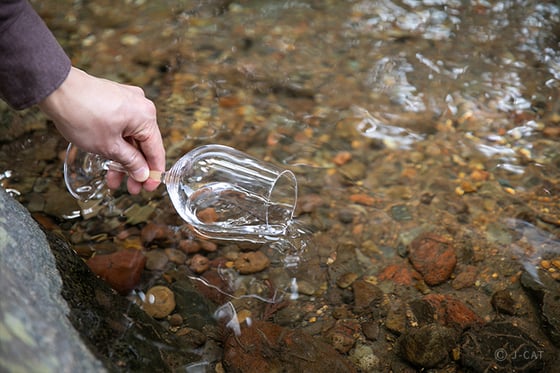
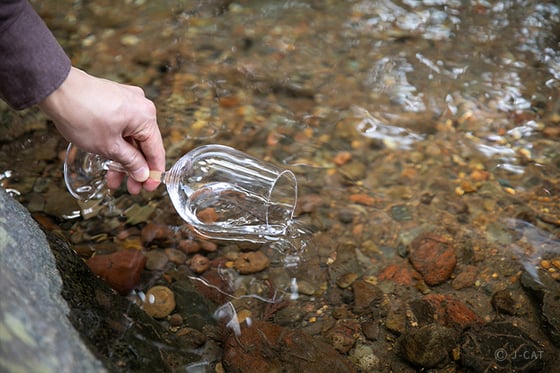
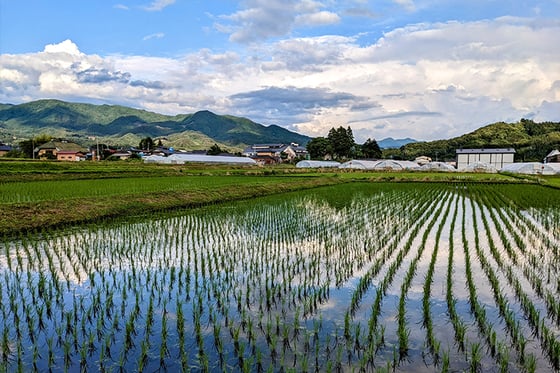
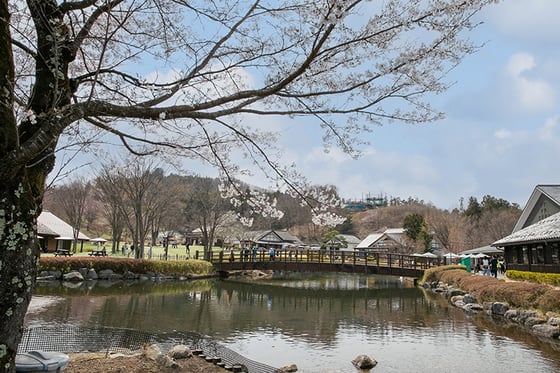
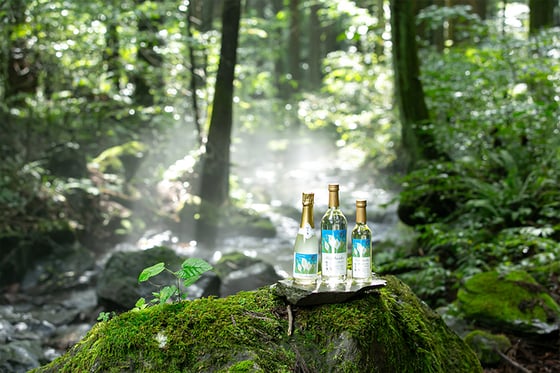
The locale of Nagai Sake Brewery in Gunma Prefecture’s Kawaba Village is a pristine portrait of Japan’s traditional scenery, and the many blessings of this rich natural environment are no coincidence. Founder Shoji Nagai chose this location after searching for the perfect headwater of the Tone River. He fell in love with the water he found at Kawaba. Groundwater from Mount Hotaka, which continues to be used in Nagai’s brewing, is characterized by a clear taste which evokes striking mountain ridges and verdant rural landscapes.
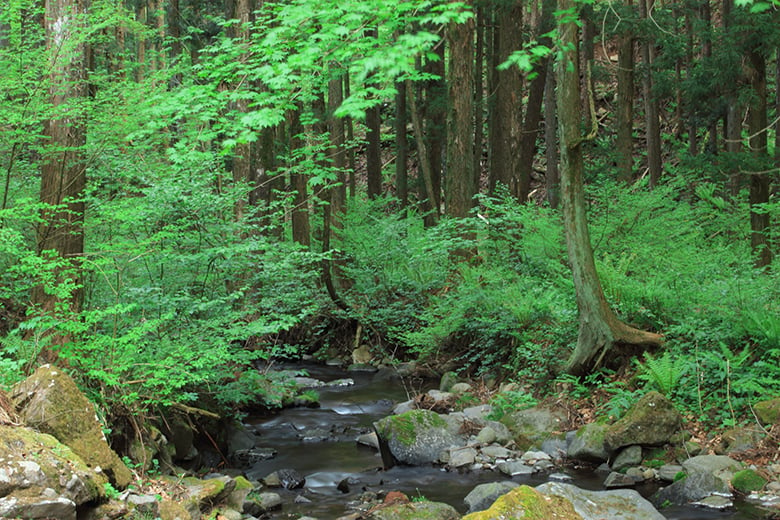
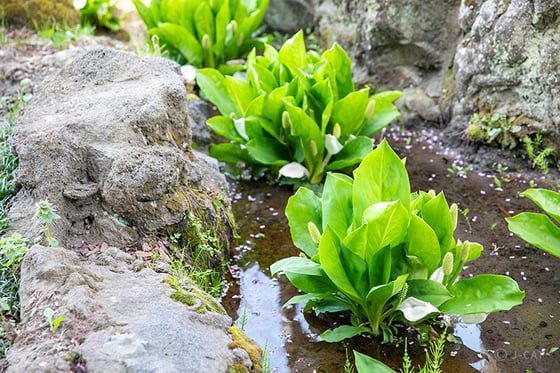
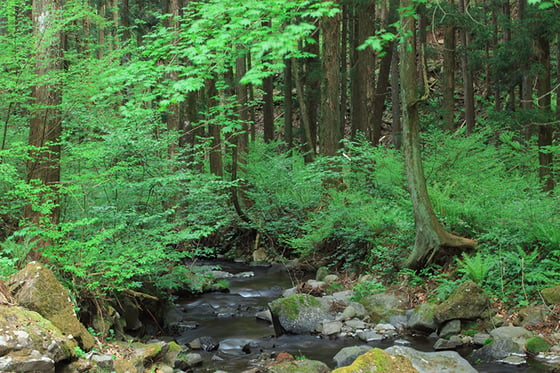
Mount Hotaka snowmelt becomes groundwater which carries rich minerals to the brewhouse
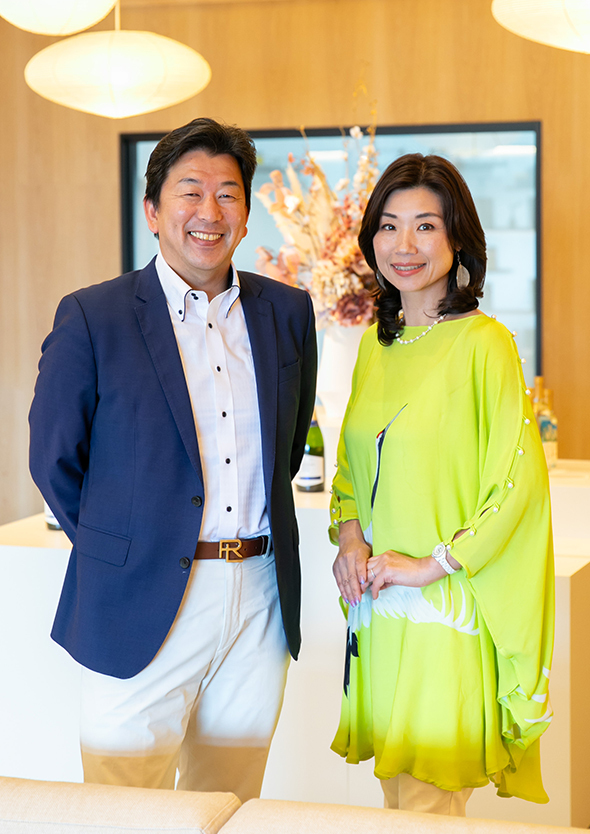
Noriyoshi was the second-born son, meaning there were no expectations for him to pick up the craft. “I had no intention at all to take over the family business,” he says. But studying architecture in university led him back to the world of sake as if by fate. Getting involved in the building of a new brewhouse for the brewery was a major turning point, where he discovered a kinship between architecture and brewing. “Sake brewing is an art and a science. Architecture is an art and a technology. Both entail creating a refined final product from scratch. That realization was the moment when I reconsidered the value of my family business as a traditional Japanese craft.”
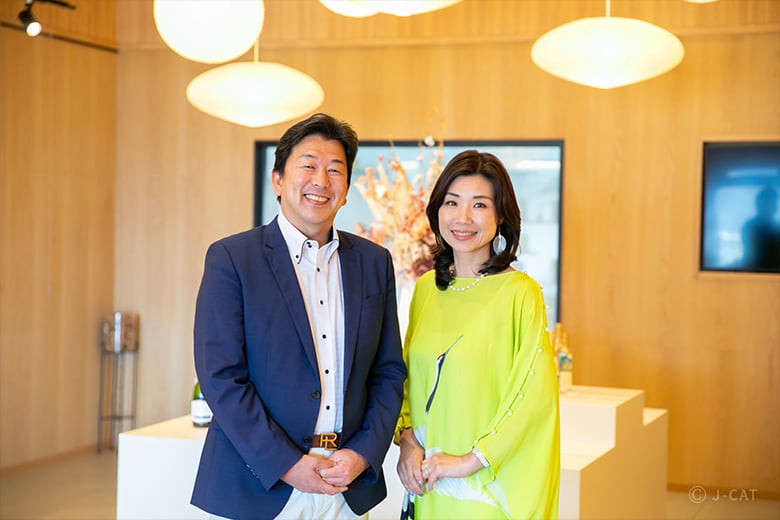
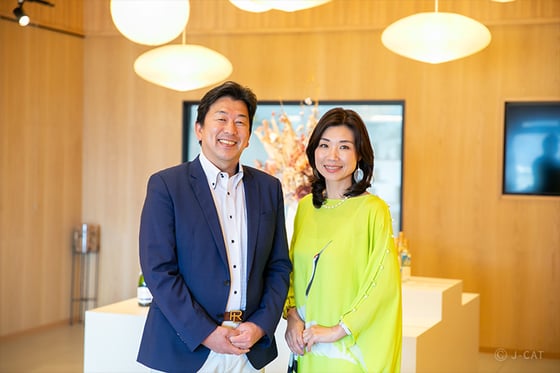
Noriyoshi and Matsumi Nagai, who head Nagai Sake Brewery
“I always bear in mind the importance of the traditional heritage of our craft,” says Noriyoshi. “But since I was young I have also valued innovation, and today I combine the two to create new offerings based on new concepts. So my motto can be summed up in those two words: tradition and innovation.”
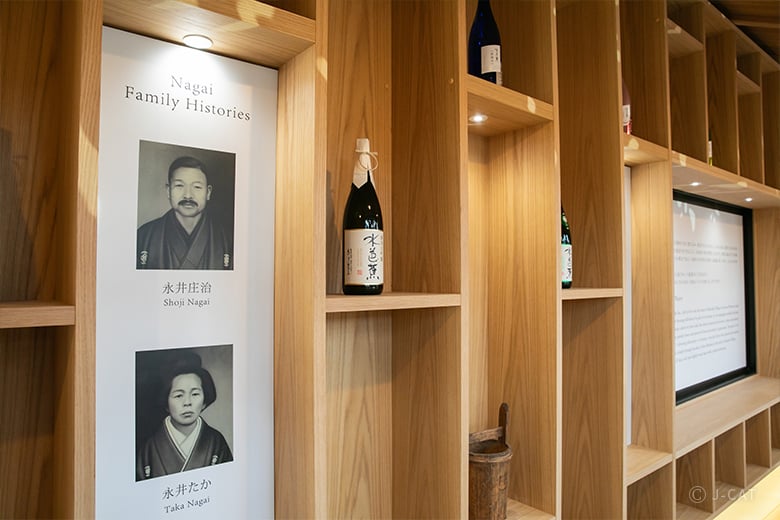
A deep heritage of sake brewing in Kawaba Village
One of the unique Nagai initiatives which embodies its spirit of tradition and innovation is the development of Vintage Sake. “Sake value has always been fixed, anchored to technical specification rankings such as ginjo and daiginjo. But in reality these specifications alone do not fully convey its actual quality as a drink. That was the thinking behind our elegant and refined Vintage Sake. This aging is something we started work on about 30 years ago, something that took 15 years to develop. And we are still developing it.”
Nagai Style: A New Paradigm for Sake Food Pairing
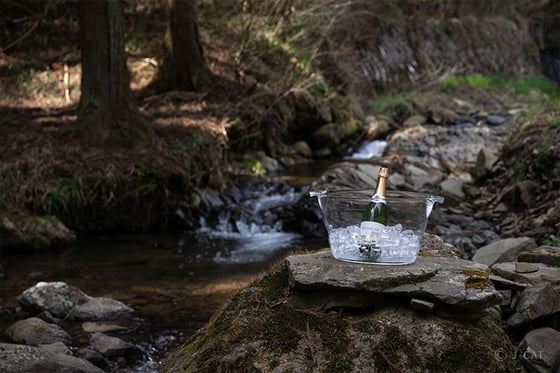
Not long after rolling out Vintage Sake, Nagai also developed its Sparkling Sake. “Look at the global wine market. Vintage reds are certainly highly prized, but you don’t start your meal with them,” says Noriyoshi. “You’ve got champagne for that. And you have sommeliers to help you pair whites and reds to match what you’re eating. I think sake should really be treated the same way.”
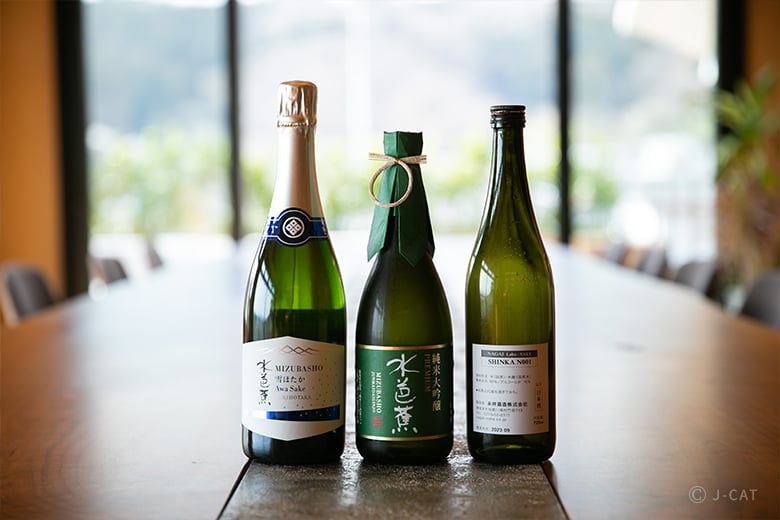
Kawaba’s rich water gives the sake brewed from it a crisp taste
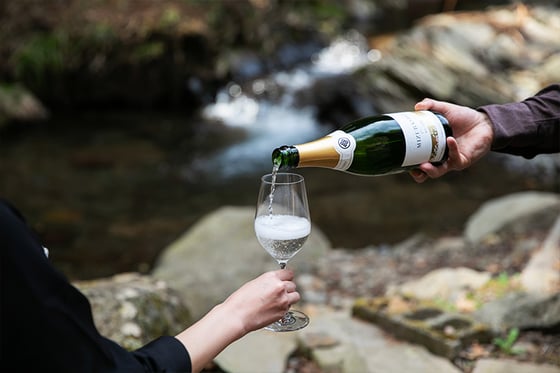
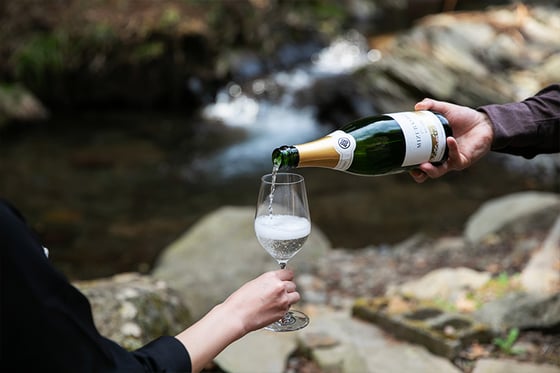
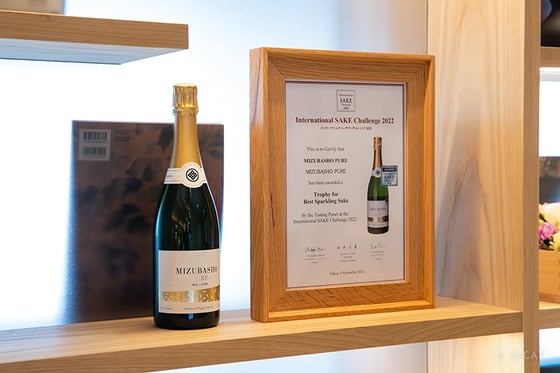
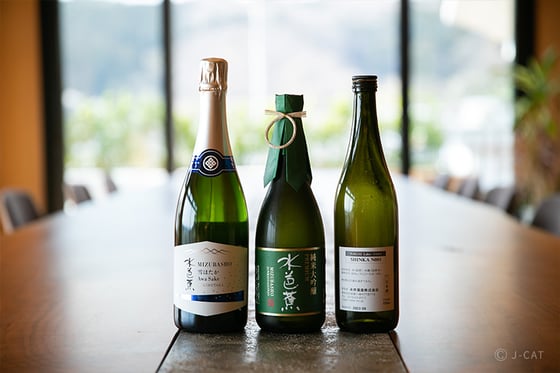
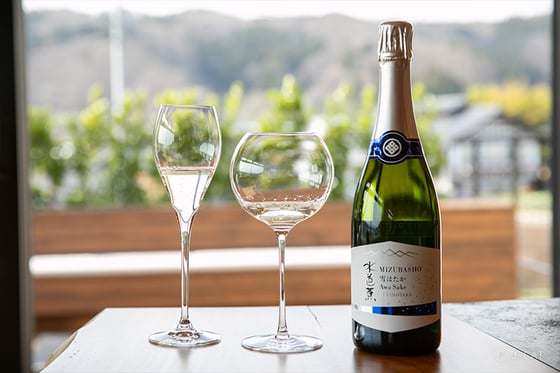
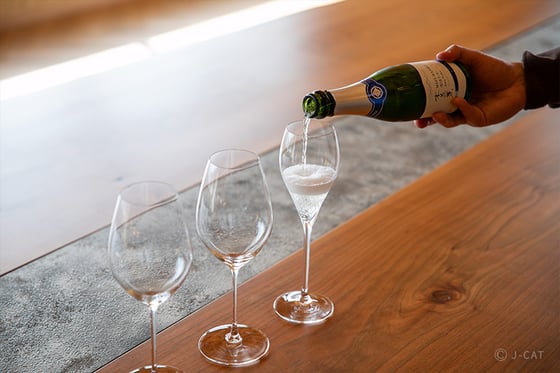
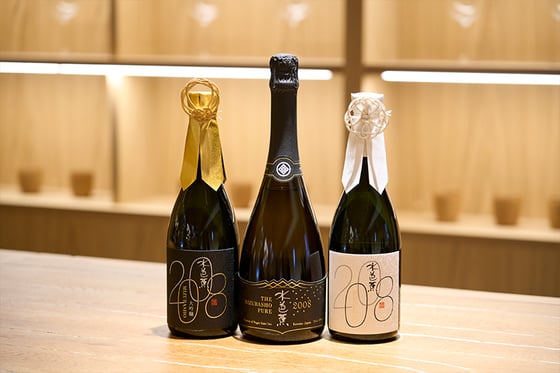
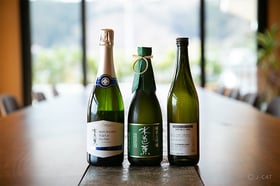
Noriyoshi wanted to create a sparkling sake using the same in-bottle secondary fermentation method as Champagne. This had never been done. With no precedent, no reference, and no guide, he set out for France and traveled the Champagne region to learn the traditional methods by which its famous bubbly is produced. He will tell you it took 700 failures to arrive at success, but he hung on. In 2008, he debuted MIZUBASHO PURE, the world’s first ever authentic sparkling sake. In 2013, it was followed up with MIZUBASHO Junmai Daiginjo Vintage 2004.
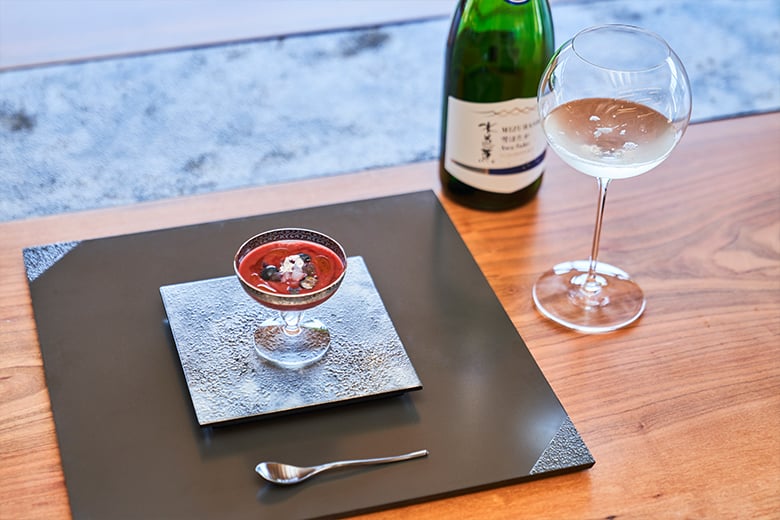
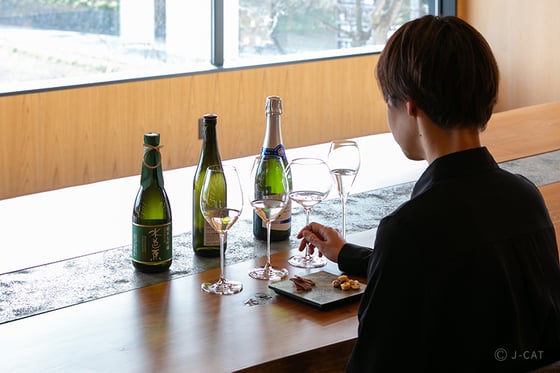
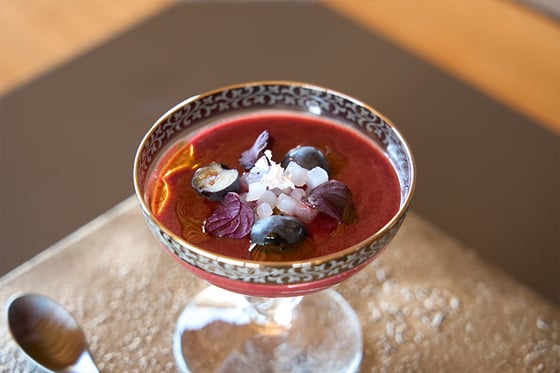
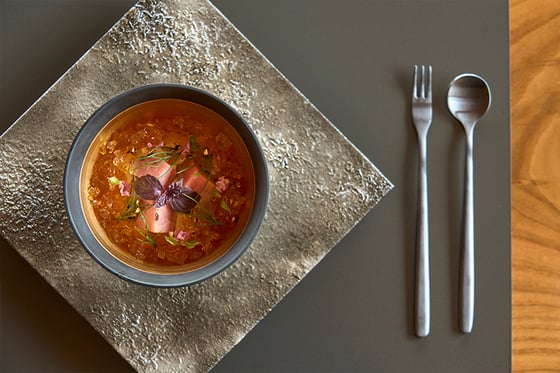
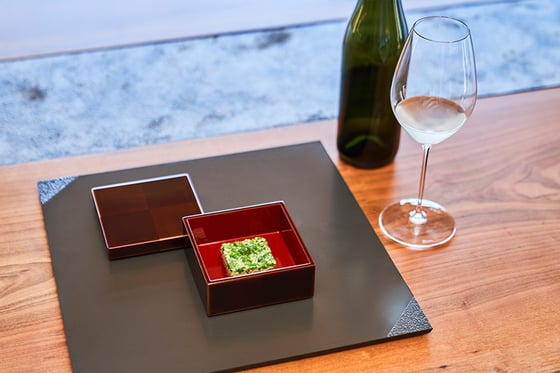
Sake and food paired according to the Nagai Style
Never content to rest on their laurels, Nagai Brewery debuted their Dessert Sake in 2014. In this new roster, MIZUBASHO and TANIGAWADAKE have been positioned as “Still Sake,” forming a complete meal lineup with which sake can be enjoyed at every stage, from pre-dinner toasts to after-dinner desserts – an ambitious strategy to elevate the status of sake to compete in the same league as wine while still honoring traditional brewing methods. In honor of bringing an ancestral legacy into a new age, this pairing lineup has been dubbed “Nagai Style.”
Matsumi, MIZUBASHO PURE, and a New Partnership
It was the pioneering sparkling sake MIZUBASHO PURE that caught the attention of Matsumi, leading to her eventual co-helming of the brewery.
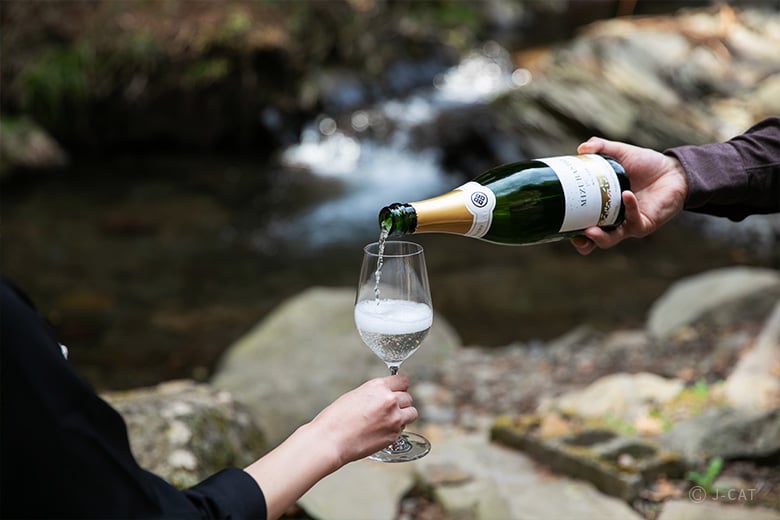
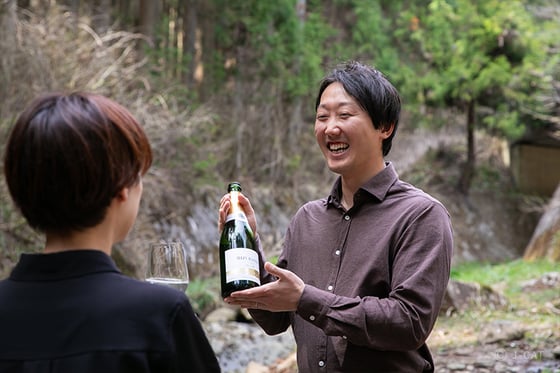
“MIZUBASHO PURE,” the vanguard of sparkling Japanese sake
“My interests were wine, food, and travel, and they led me to jobs at wineries across the United States, and in California’s Napa Valley in particular,” says Matsumi. “I was challenged by interactions with customers who often had sommelier-level knowledge themselves, and that drove me to study wine more passionately. It was in Napa that I first tasted MIZUBASHO PURE, which Noriyoshi had brought with him. I didn’t even think I liked sake before that, but everything I thought I knew was upended when I tried his sake. That was the moment when the scales really fell from my eyes.”
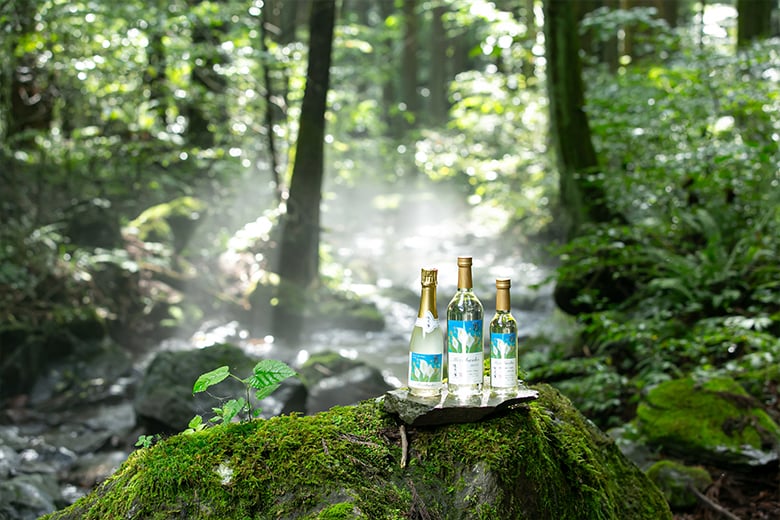
“MIZUBASHO Artist Series,” one of Matsumi’s projects
Today Matsumi is Noriyoshi’s right hand, in charge of the brewery’s branding. At the beginning, though, she describes herself as hesitant to enter this unknown world. “You always hear the sake industry is extremely conservative, but in my case I was able to jump into it because of my experience starting a business in the U.S. What seemed like a wall turned out to be the door to a new and exciting way forward. Today, I understand just how enriching it is to break into closed-off spaces like this.” Matsumi, who was herself not originally a fan of sake, sees the Nagai lineup as a way to tear down walls between men and women like her who might feel the sake world is not for them. She is actively involved in women’s empowerment causes, as well as environmental conservation at Gunma’s Oze National Park.
Creating Opportunities, Fostering Discovery of Delicious Sake
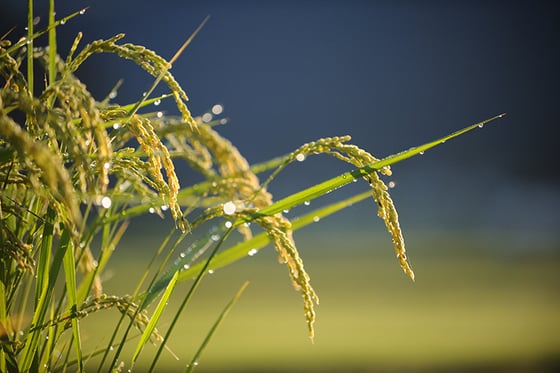
Today, sake consumption has fallen to about a third of its 1973 peak. Against these trends, Noriyoshi is concentrating his efforts on overseas markets as the biggest potential platform for growth, particularly in East Asian countries that share a rice-centric diet. “I believe that cultures where rice has been a staple food for generations just have rice in their DNA. You can’t discover delicious sake brewed from rice without being deeply moved. Our mission is to create more opportunities for people to experience just that.
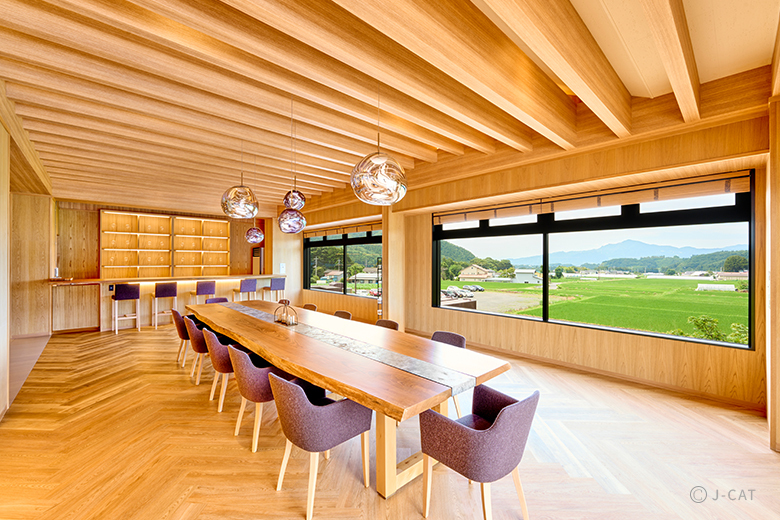
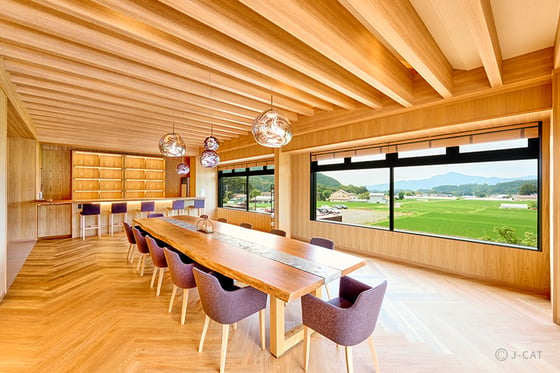
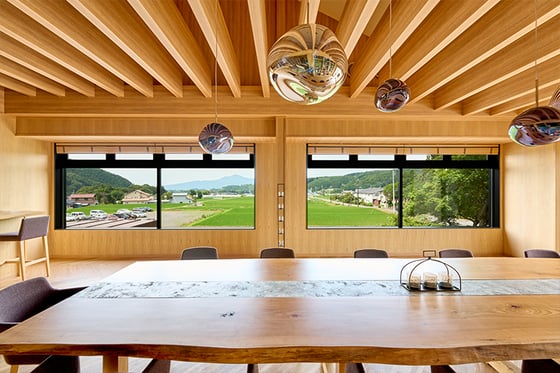
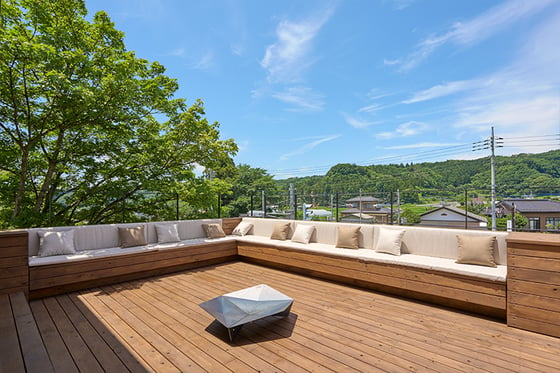
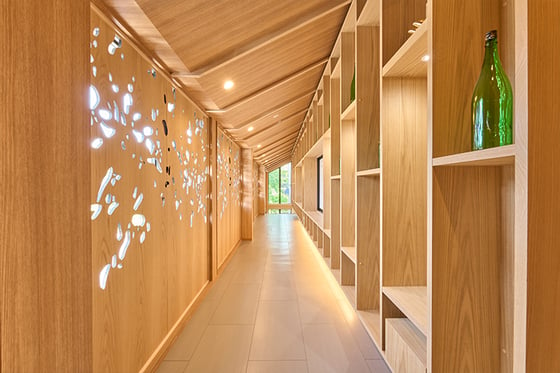
The SHINKA tasting room, where delicious sake accompanies a feast for the eyes
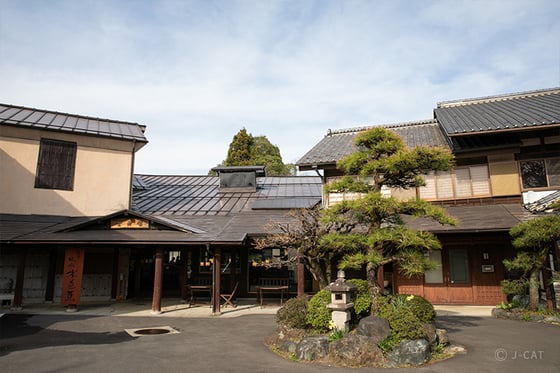
The brewery’s newest building SHINKA opened in 2023, a brewing laboratory equipped with a tasting room. The name “SHINKA” comes from wordplay using three homonyms in Japanese: “true value,” “evolution,” and “deepening” – referring to the brewery’s mission to produce top quality sake, push the craft forward, and forge stronger bonds with its customers.
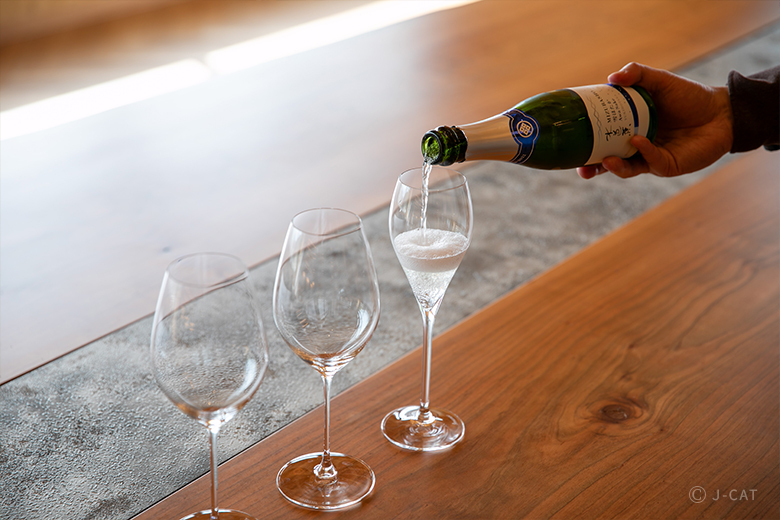
A shared drink as foundation for a deeper bond
“Noriyoshi likes to say that Sake is one of those things that connects people, places, and cultures,” says Matsumi. “In a world where conflict and war seems to be on a troubling rise, I do believe that sharing in drinks can really be something that heals and brings people together.”
Craftsmanship Driven by a Desire to Produce the Sake of the Year, Every Year
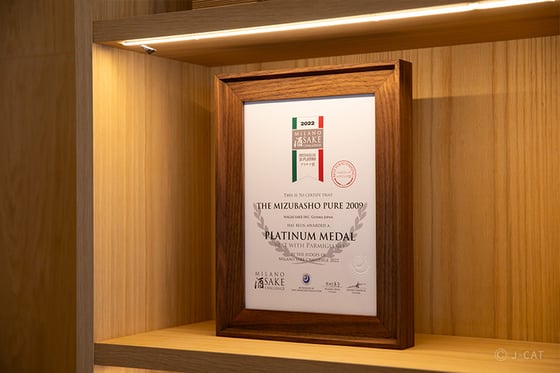
Nagai Brewery has won acclaim for its sake, and an array of awards in both domestic and international competitions. Matsumi says that the secret to their success lies not only in the creative collaboration at the top, but also in the craftsmanship of the kurabito – brewhouse staff – themselves. “The people who work the brewhouse here don’t consider the hard work over just because they’ve won an award. Every year, they strive to exceed the quality of the previous year. With this attitude of constant striving, we believe the best is still yet to come.”
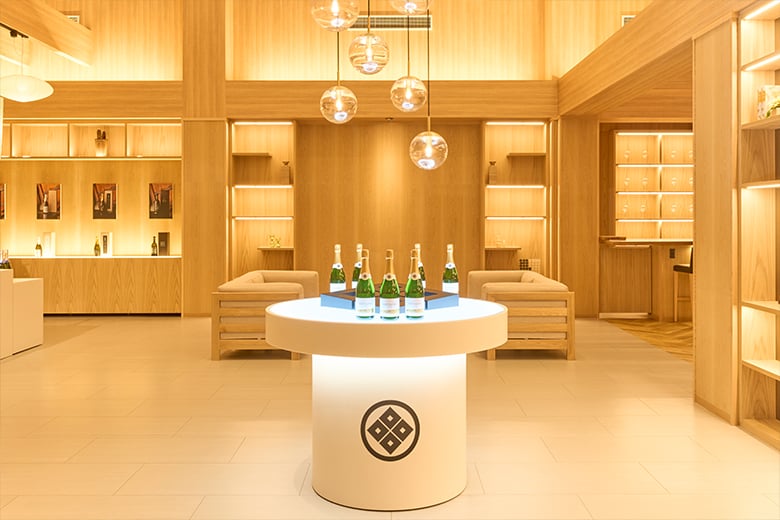
Nagai Brewery’s ever evolving sake
“Creating something is not unlike mountain climbing,” says Noriyoshi. “Every peak is only a vantage from which you can see even higher summits beyond. The moment you think there is nowhere higher to go, creation ends. In cultivating the craft, it’s also crucial to support the next generation so that there is a future.” Which is why everyone at the brewery is constantly striving for new heights with passion and compassion. This might just be the secret to a new future for Japanese sake.
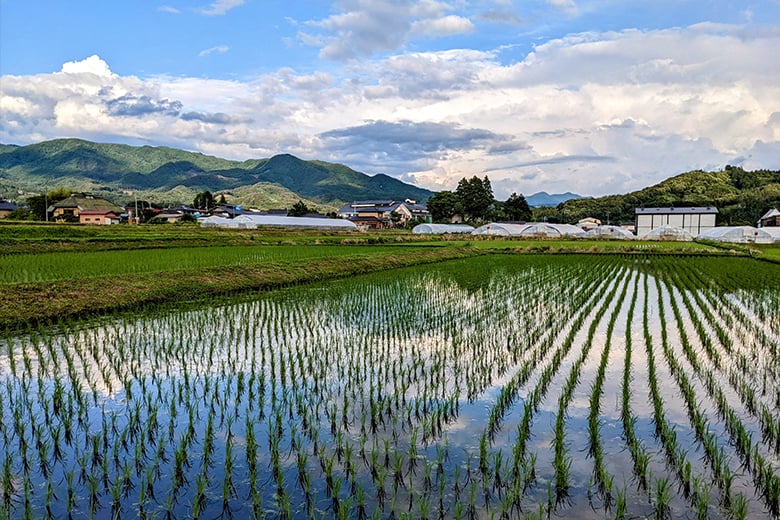
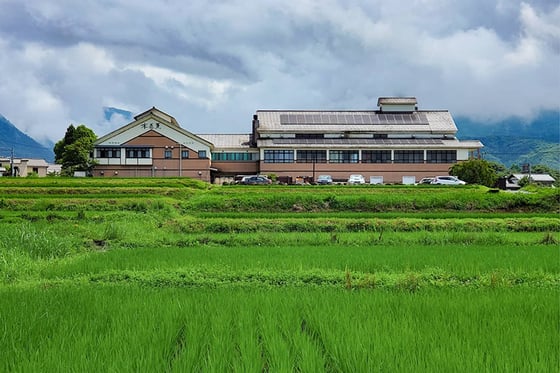
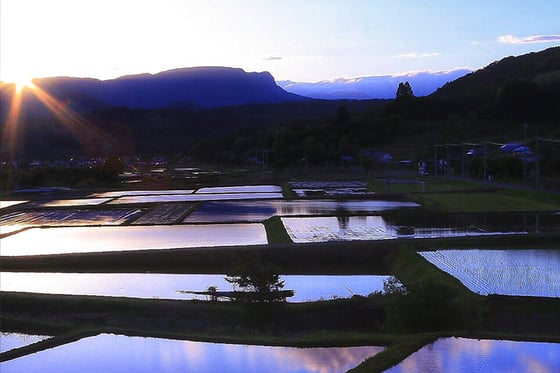
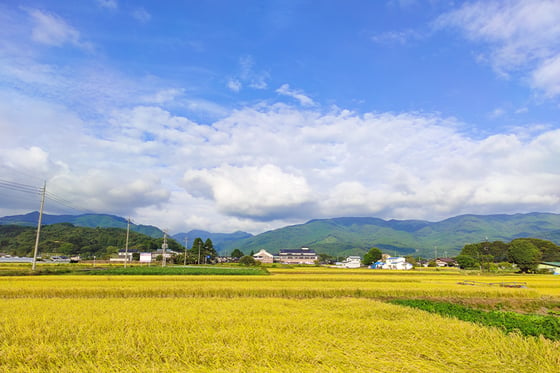
The gorgeous rural landscapes of rice planting season
Nagai Sake Brewery
Founded in 1886 in Gunma Prefecture’s Kawaba Village at a headwater of the Tone River, Nagai has developed two brands, MIZUBASHO and TANIGAWADAKE, working with the motto of "the beauty of nature expressed in beautiful brewing." With the theme of "tradition and innovation," it has also developed the so-called "Nagai Style" wherein diners enjoy four types of sake in succession, along with their meal courses: sparkling, still, vintage, and dessert. Nagai has won no small number of awards at domestic and international competitions.