The Kusakabe Family and Their Role in Hida Takayama’s Story
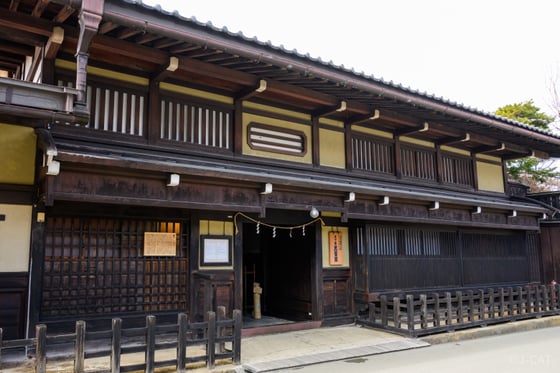
Since the 17th century, when Hida Takayama was a flourishing castle town, the Kusakabe family has played a central role in the area’s development. Their home, now located within the Traditional Buildings Preservation District, was once a private residence. In the time of Masaru’s grandfather—the 11th head of the family—it was opened to the public as a cultural space. Today, that space is the Kusakabe Folk Crafts Museum, where Masaru now serves as director.
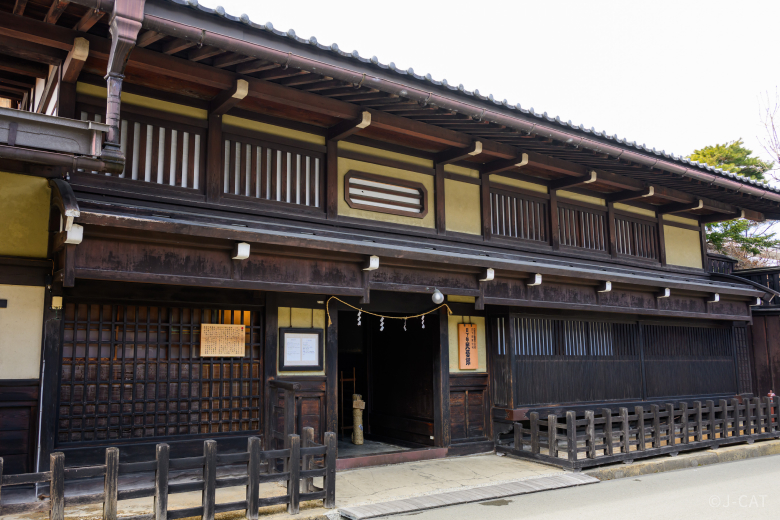
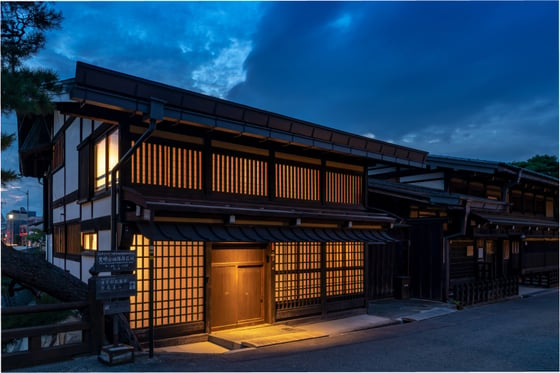
The Kusakabe Folk Crafts Museum showcases the culture of Hida Takayama and fits naturally into the historic townscape
Rooted in the belief that beauty and value are found in everyday life, mingei (folk art) celebrates both function and spirit. This philosophy has not only shaped Japanese craft but also inspired modern Western design with its emphasis on simplicity and purpose. Today, mingei is once again gaining attention as a way to carry traditional Japanese aesthetics into the modern world.
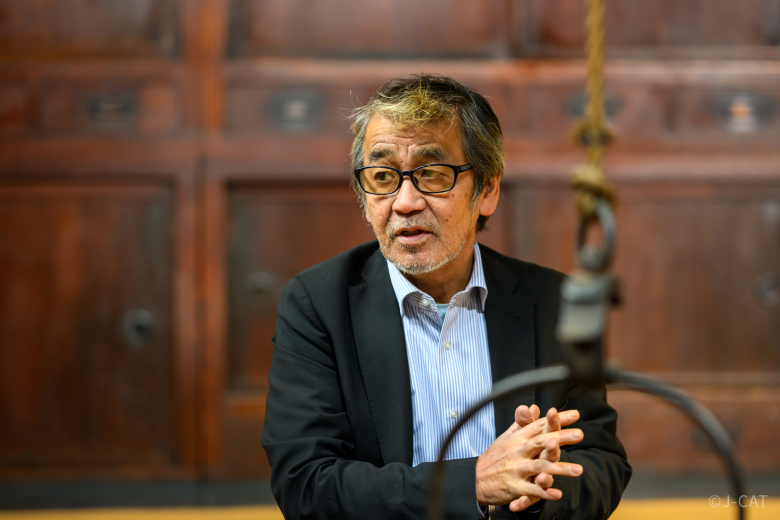
Masaru continues to take on new challenges at the Kusakabe Folk Crafts Museum
“My grandfather opened the Kusakabe Folk Crafts Museum because he connected deeply with the ideas of Soetsu Yanagi (1889–1961), who led the mingei movement,” says Masaru. “It came from his simple wish to give local people a space to experience culture.”
The museum opened in 1966 and is now marking its 60th year. For Masaru, who grew up with it, the space holds a special meaning.
Carrying Forward His Grandfather’s Vision of Mingei Beauty
The Kusakabe family is one of Hida’s long-standing dannashu—influential town families that helped shape local culture and economy. They supported regional festivals and events and contributed financially to the development of the region. Growing up, Masaru watched his grandfather, father, and the people around them take pride in protecting and passing down Hida’s heritage.
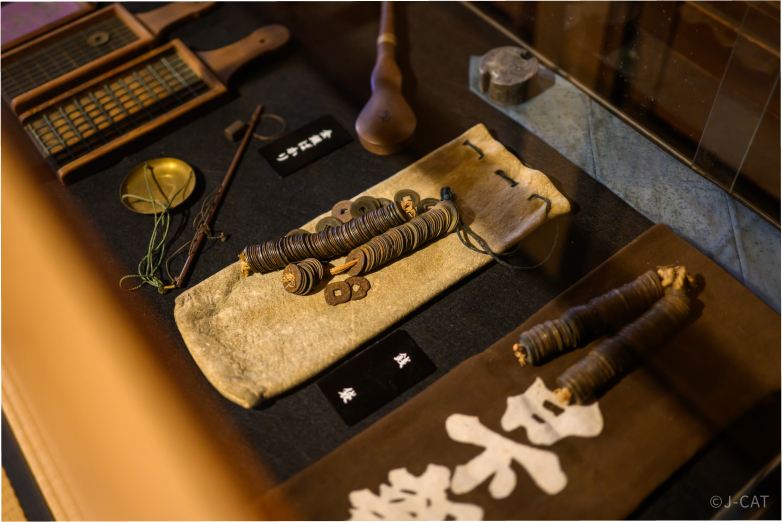
Coins and tools from the past offer a glimpse into everyday life back then
What Masaru hopes to share today through the spirit of mingei is a way of seeing beauty—in daily life, in connection with nature, and in the quiet depth of things shaped by the local landscape. For him, true richness comes not from excess, but from living in tune with the community and its surroundings.
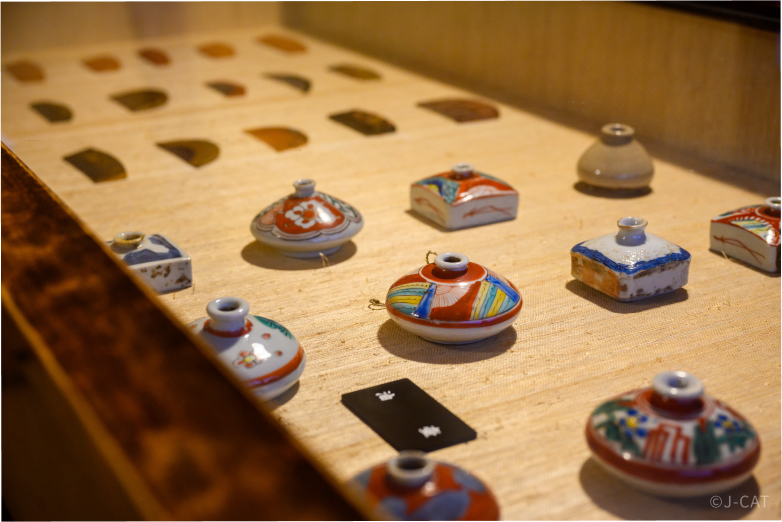
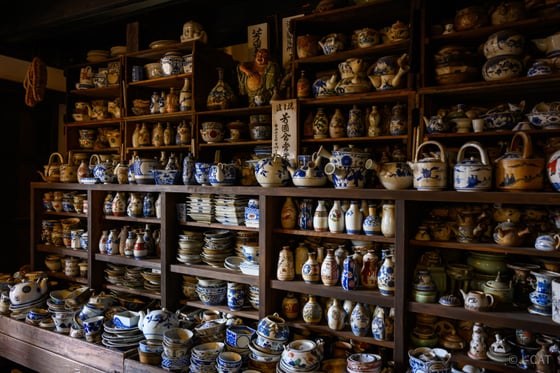
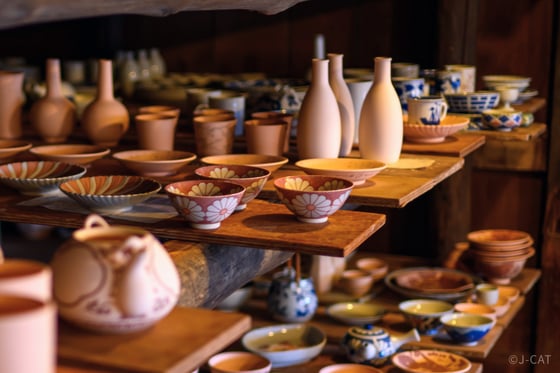
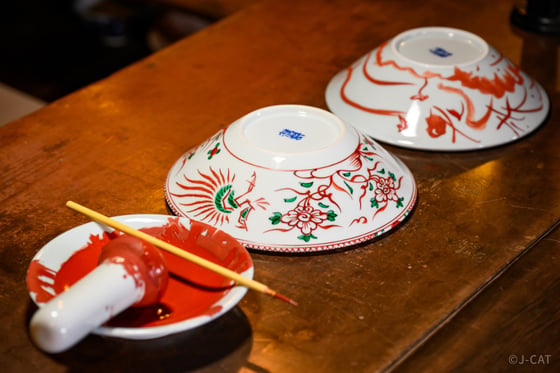
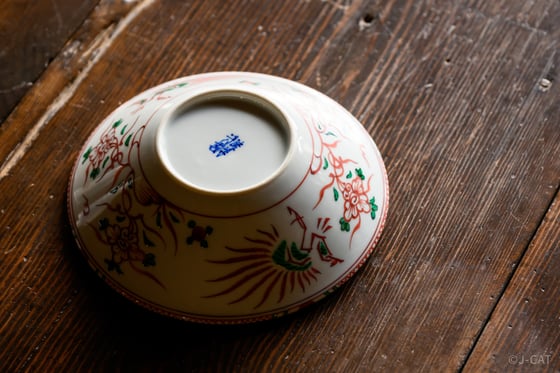
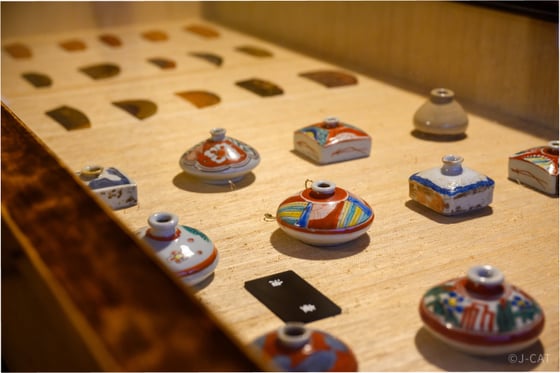
Ceramics that embody tradition, beauty, and artistic expression
“Life back then may seem simple or even inconvenient by today’s standards,” he says. “But if you look closely, the tools and everyday items were filled with subtle beauty and clever design. People lived with intention—and they valued culture, even in modest ways.”
Creating New Spaces to Carry Culture Forward
Masaru isn’t just preserving Hida’s traditions, but also finding new ways to share them with the next generation. At the Kusakabe Folk Crafts Museum, he’s expanded its role beyond preservation, organizing live jazz performances and collaborative exhibitions with contemporary artists like media creator Yoichi Ochiai.
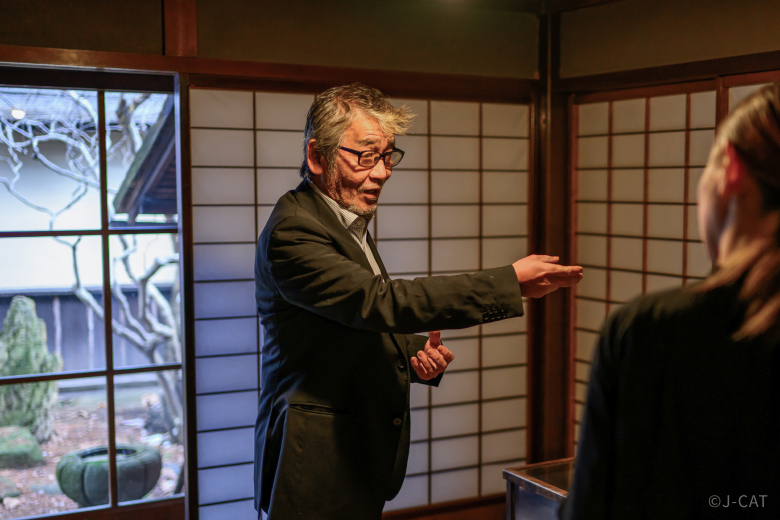
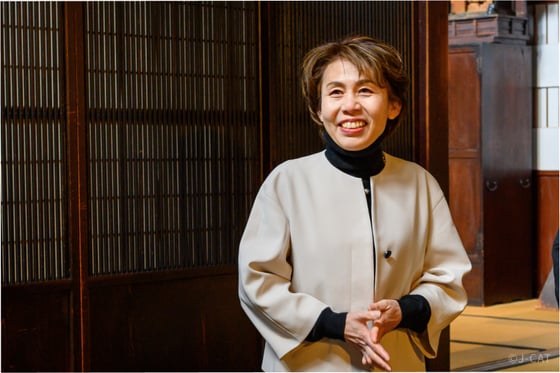
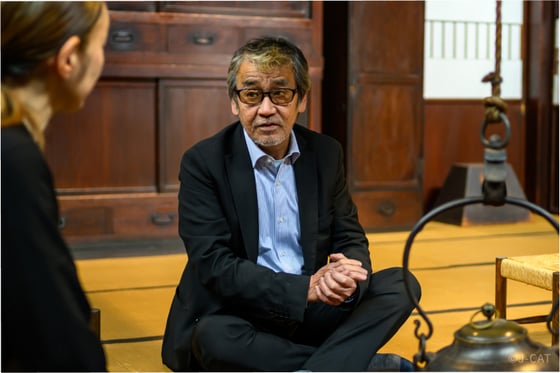
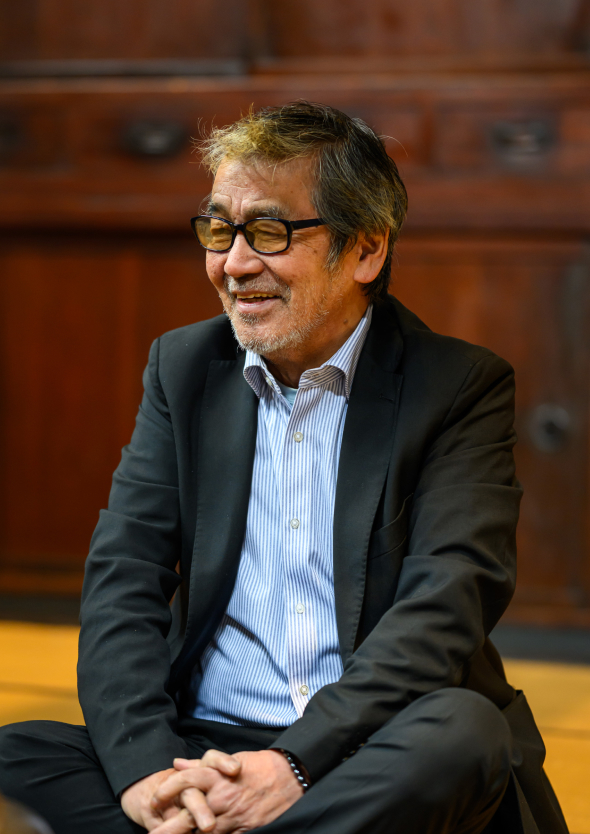
Masaru speaks with quiet passion about Hida’s past—and where it’s headed next
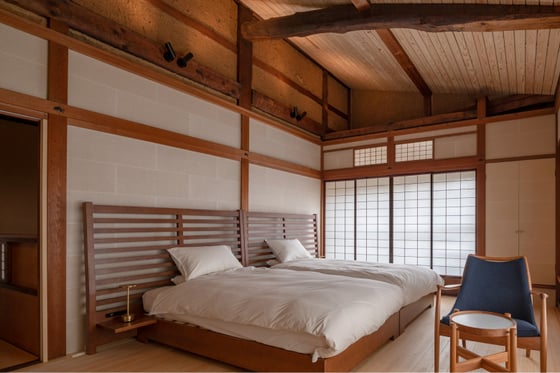
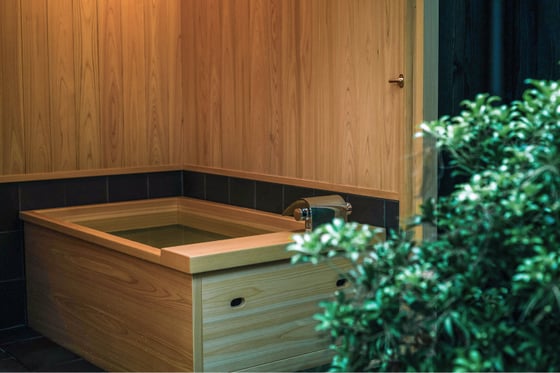
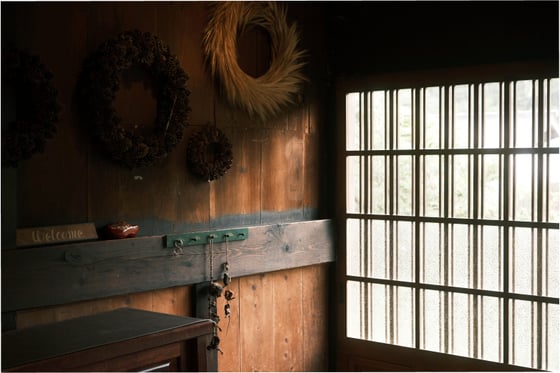
In 2023, he also opened TANIYA, a restored 100-year-old townhouse next to the museum that welcomes just one group per day. Beyond just a place to stay, it offers guests a window into Hida’s way of life and connection to nature.
“The people of Hida Takayama have lived simply, helping each other and coexisting with nature,” Masaru says. “I hope guests can feel a little of that way of life.”
Featured Experiences
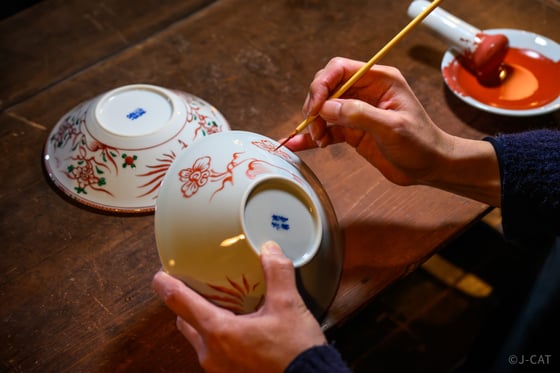
・[2 Nights] Stay In a Historic Hida Takayama Inn and Explore the Art of Shibukusayaki Painting
・[2 Nights] Live the Culture of Hida Takayama Through a Traditional Inn Stay and Mountain Village Home Visit
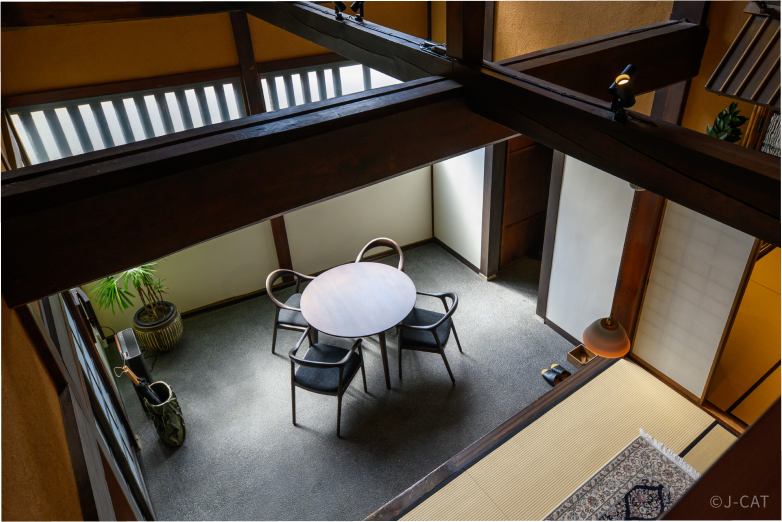
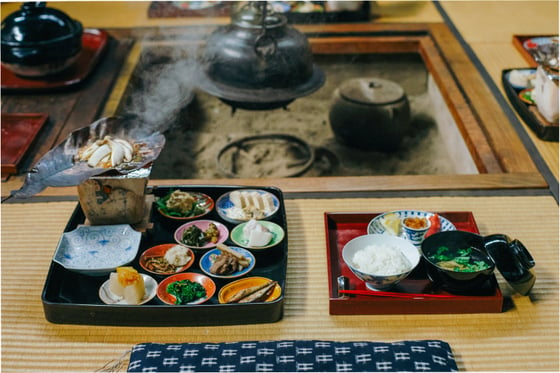
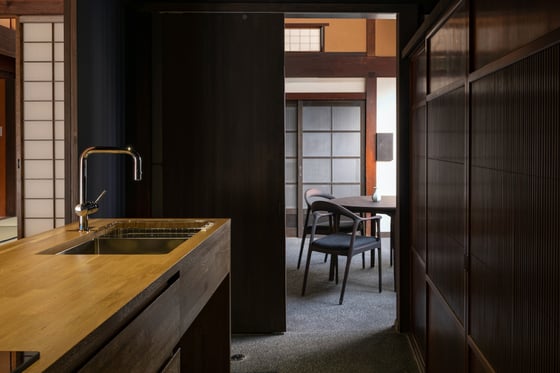
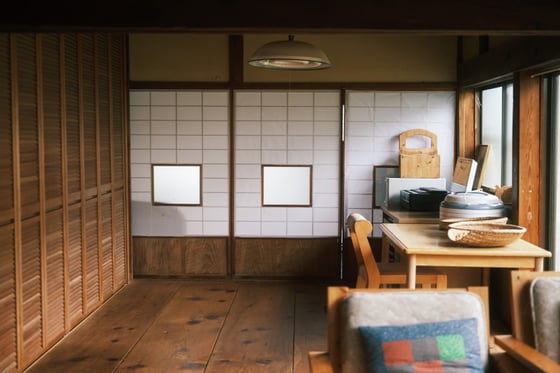
A warm, light-filled dining space at TANIYA with traditional earthen floors
Bringing New Value to Hida Takayama with the Next Generation of Craftspeople
“Hida Takayama was a tenryo—land under direct control of the shogunate—during the Edo period (1603-1868), so its development was shaped by politics. But culturally, the city was heavily influenced by Kyoto, especially in its festivals and town planning,” says Masaru. “That mix of eastern and western (Tokyo and Kyoto) traditions gives it a distinct character.”
Drawn to that mix of culture and nature, more young creatives, including furniture makers, craftspeople, artists, are now choosing to base their work in Hida.
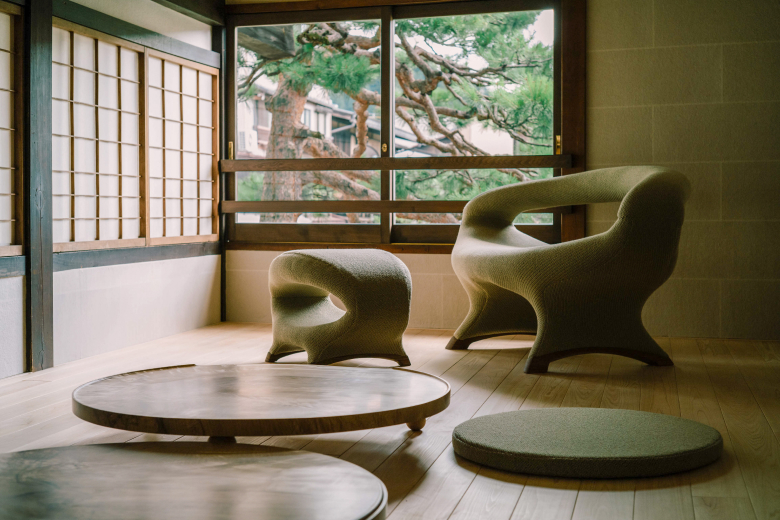
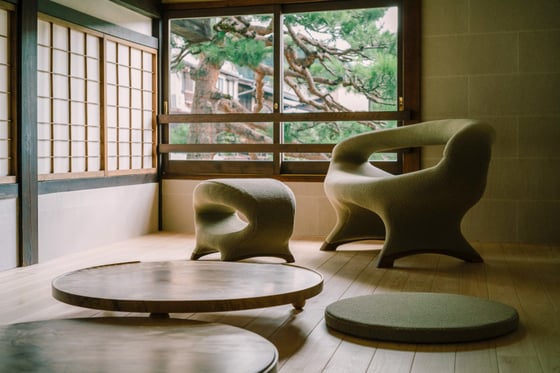
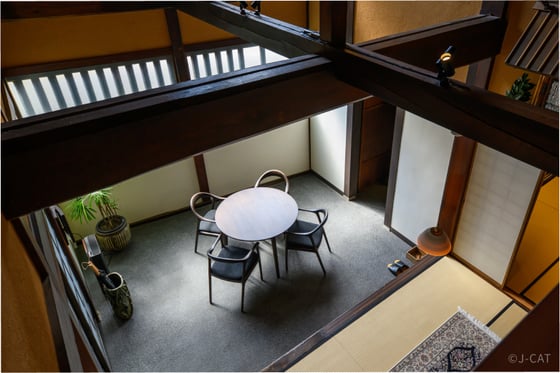
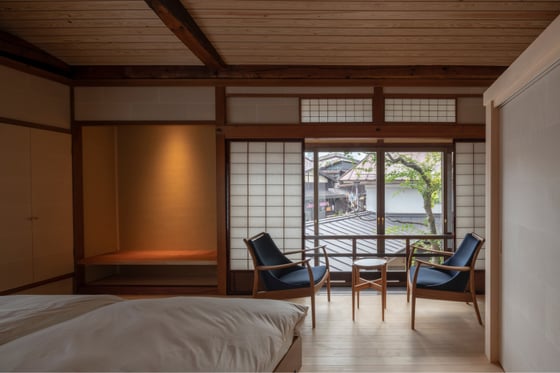
Each piece of furniture at TANIYA is thoughtfully placed to suit the space
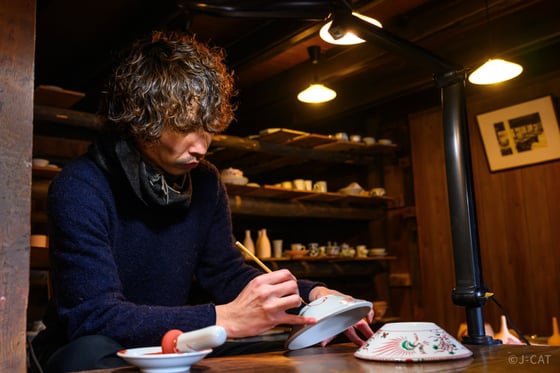
To support this creative shift, the Kusakabe Folk Crafts Museum showcases work by local artists in its shop and converted storehouse. At TANIYA, their work is part of daily life—woven into the furnishings, tableware, and design—allowing guests to live with the craft as they stay.

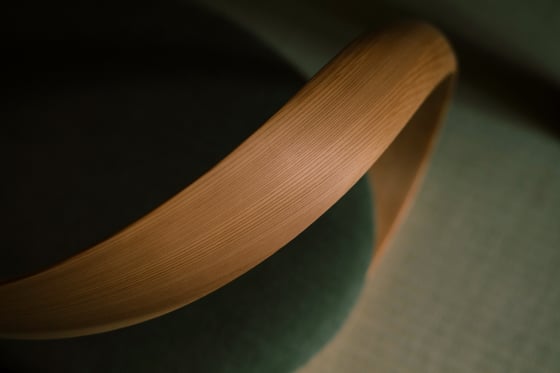
The fine craftsmanship of Hida artisans brings warmth and calm to every detail
Keeping Hida Culture Alive in Everyday Life
What Masaru hopes to pass on is the quiet beauty found in daily life. He believes there’s lasting value in the way people in Hida have lived—close to nature, with a deep sense of care and craft.
“Japan has always evolved with each era, and new technologies like AI will no doubt shape the future,” he says. “But we also need to pay attention to what’s quietly slipping away. That’s why I want the Kusakabe Folk Crafts Museum and TANIYA to be places where people can reconnect with the culture of Hida, a way of life rooted in nature and everyday beauty.”
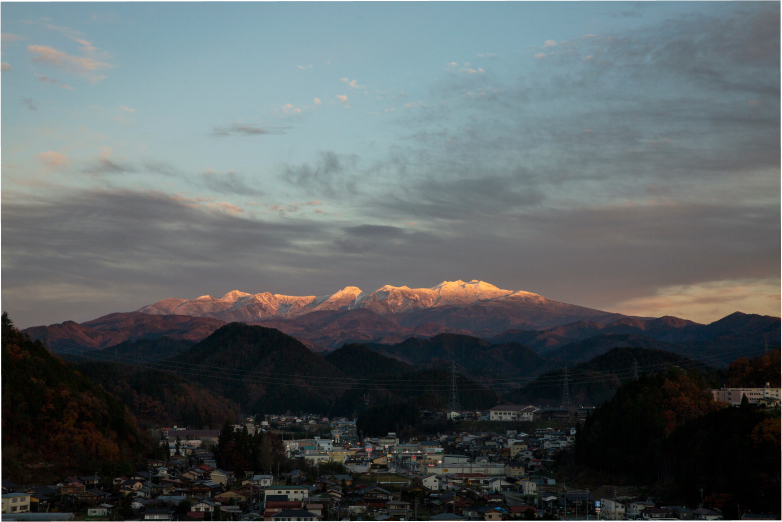
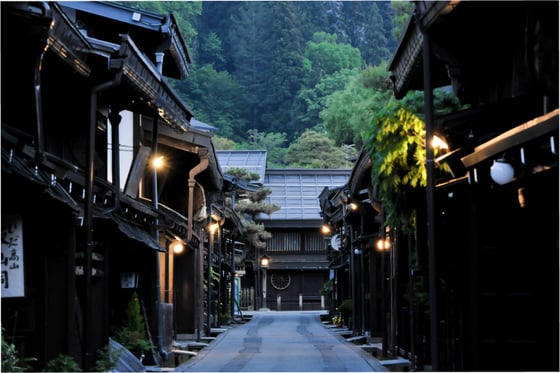
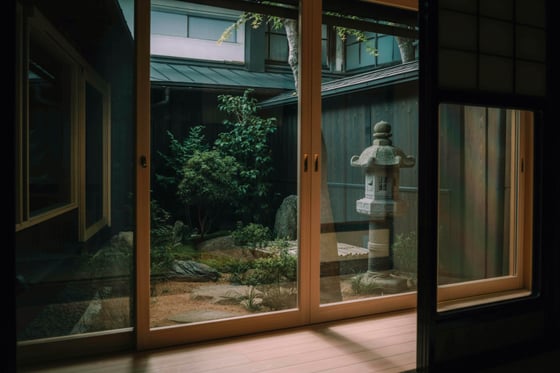
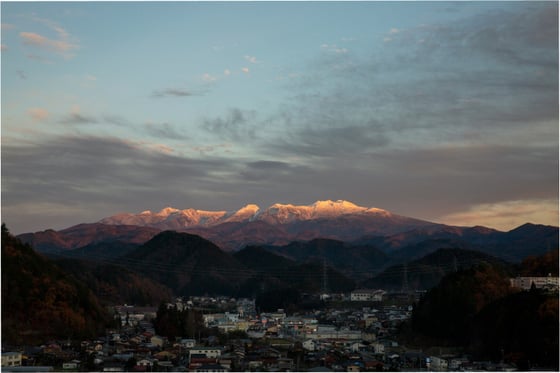
In Hida Takayama, where people live in rhythm with the natural world
With more than 300 years of family history behind him, Masaru continues to look ahead—passing down culture not by preserving the past as it was, but by living it, and making space for others to experience it too.
Kusakabe Folk Crafts Museum
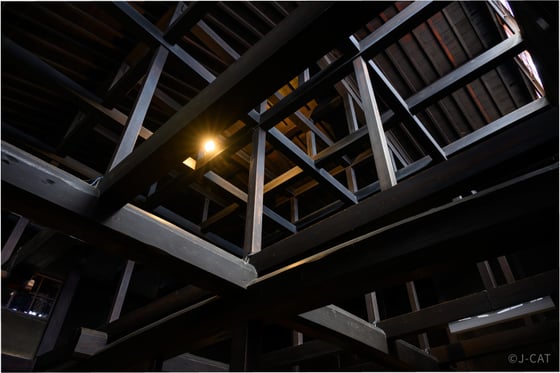
Opened in 1966 to showcase the unique merchant culture of Takayama, the museum is located in what was once the heart of the castle town and merchant district. Today, it stands as a symbol of the Traditional Buildings Preservation District. The building itself is a remarkable example of Hida’s traditional craftsmanship—featuring powerful timber framing with beams and posts, and open spaces built entirely from cypress—that has endured for over 150 years. Inside, you’ll find a collection of folk crafts from the Hida Takayama region and historical artifacts that trace the 300-year legacy of the Kusakabe family.