As a Student, She Was Captivated by Traditional Japanese Culture
Born and raised in Hakata, Fukuoka, Mita grew up immersed in traditional Japanese dance. She says, "I took up Japanese dance on a whim, without anyone telling me to. So when I joined Hamadaya, wearing a kimono felt natural. It's funny how something you love can become unexpectedly useful, isn't it?"
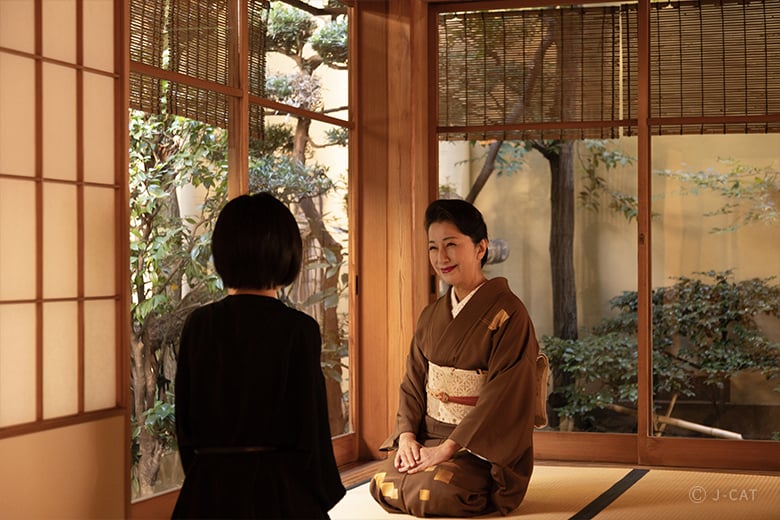
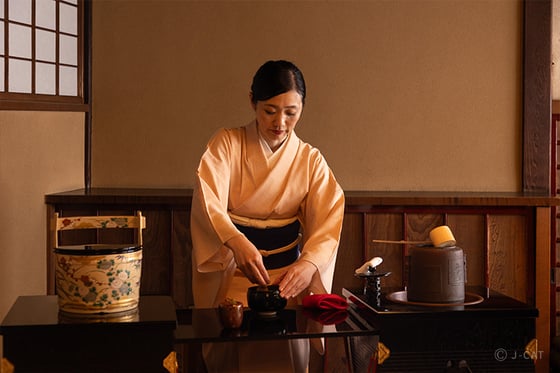
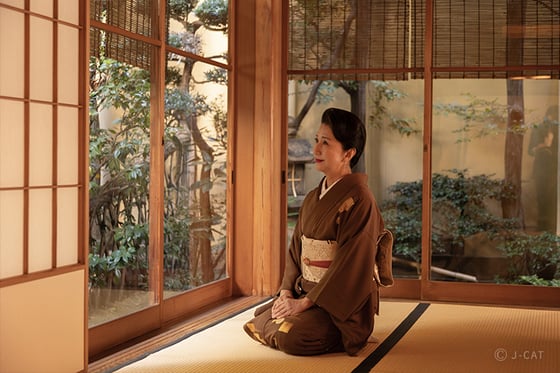
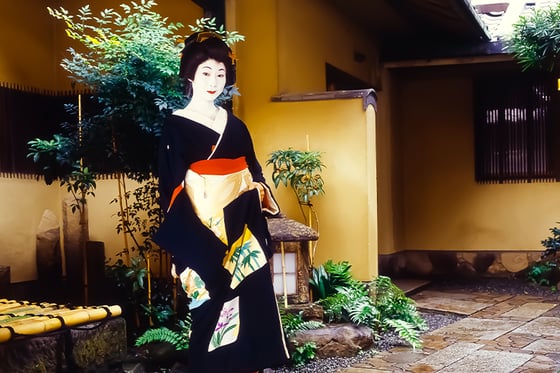
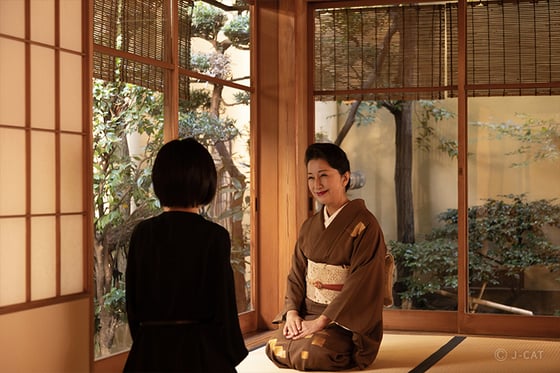
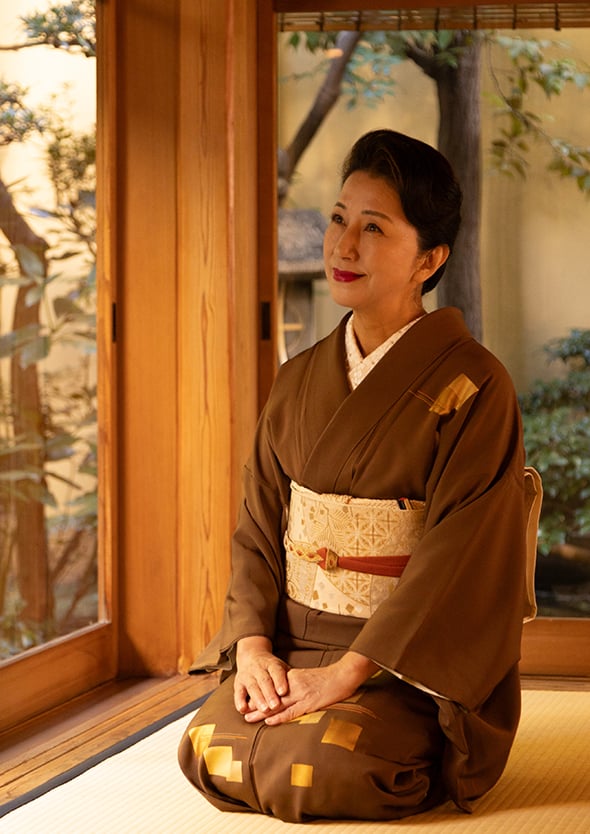
Proprietress Mita welcomes guests in her beautiful kimono
After college in Tokyo, Mita joined an airline. Despite her busy schedule, her passion for traditional Japanese culture persisted, leading her to begin studying tea ceremony and flower arrangement. It was during this time that she crossed paths with her future husband, the heir to Hamadaya. Three years into her airline job, they tied the knot.
Days of Dedicated Learning as a Young Proprietress
Observing her in-laws all working for Hamadaya, Mita naturally followed suit. "No one urged me to step into my mother-in-law's role as the young proprietress," she recalls. "Becoming a proprietress didn't come with formal training," she says with a smile.
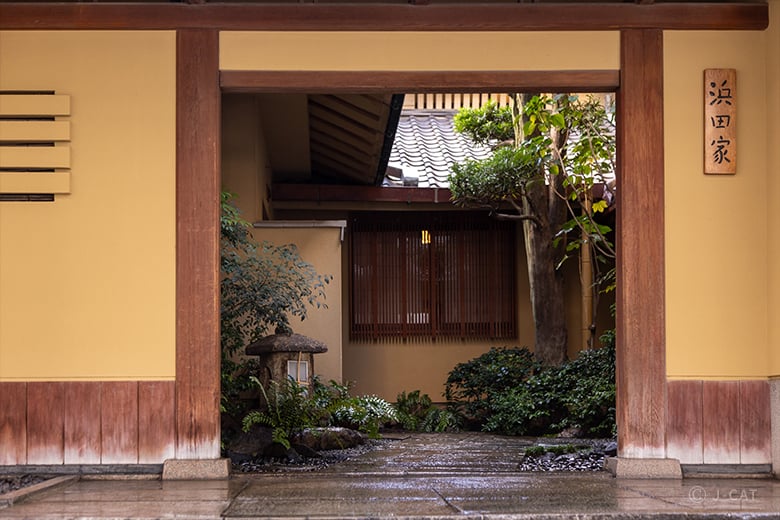
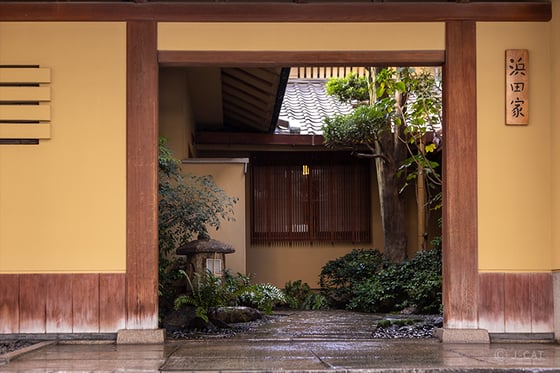
The entrance of Hamadaya with a sense of history and elegance
Initially, she admits feeling lost. However, by observing her predecessor, Mita honed her skills through natural adaptability and daily dedication.
"Some customers thought I'd leave within two to three years and return home," she recalls. "I guess I was that nervous, and they could sense it." The poised and dignified Mita of today contrasts sharply with her earlier innocent demeanor, painting a vivid picture of her past.
Omotenashi: Hospitality at its Best in a Ryotei
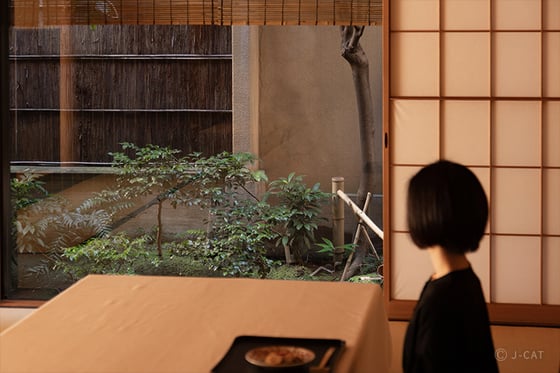
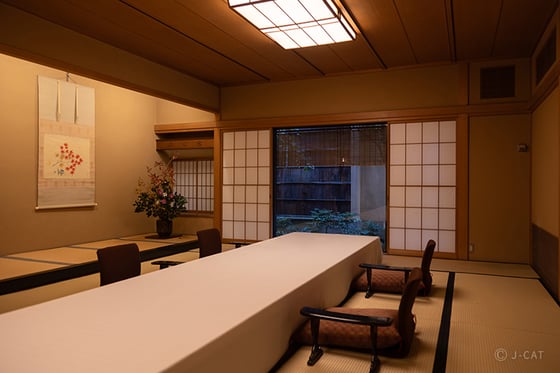
While working for an airline, Mita gained valuable customer service experience. Yet, she found serving customers in a ryotei restaurant challenging. Hamadaya boasts decor and furnishings steeped in family tradition, creating an atmosphere of serene comfort in its private rooms. Guests visit not only for the cuisine but also for unparalleled hospitality, where every detail is carefully considered. Interacting with many high-profile clientele necessitates a delicate touch in conversation.
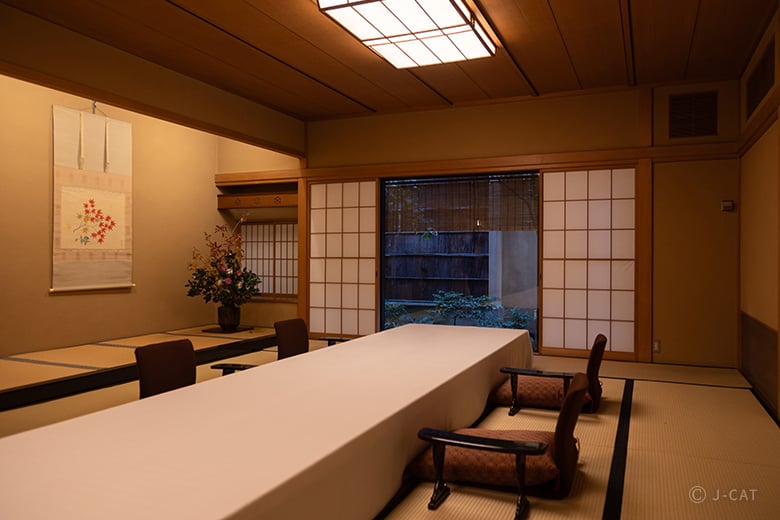
Getting in touch with the essence of the Japanese spirit of hospitality
As a young proprietress, the toughest challenge was remembering customers' faces and names accurately. “I also had to be mindful of my language, as our high-status customers were kind and approachable. I made sure not to exploit their friendliness," she explains.
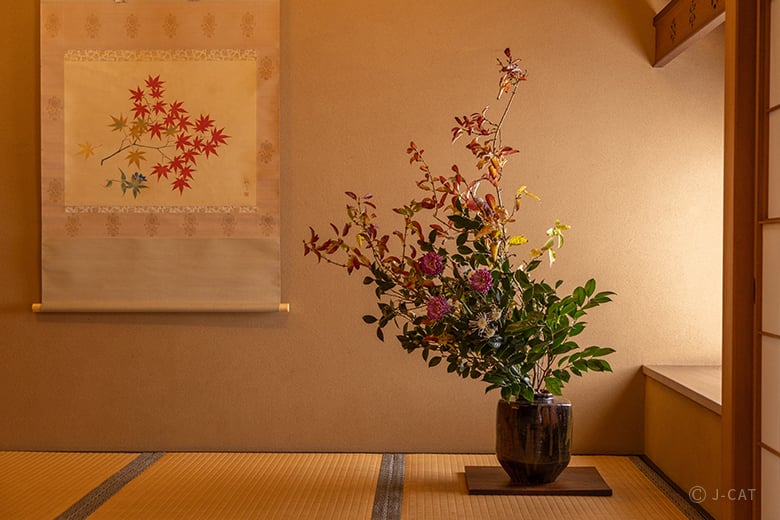
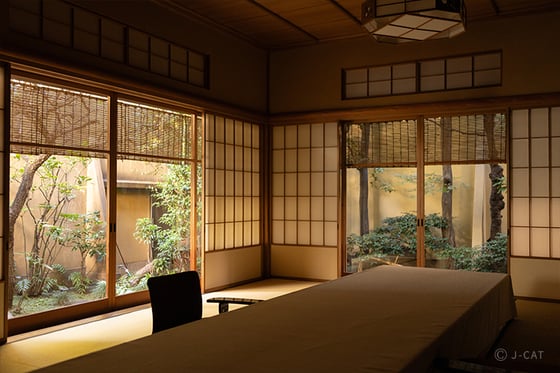
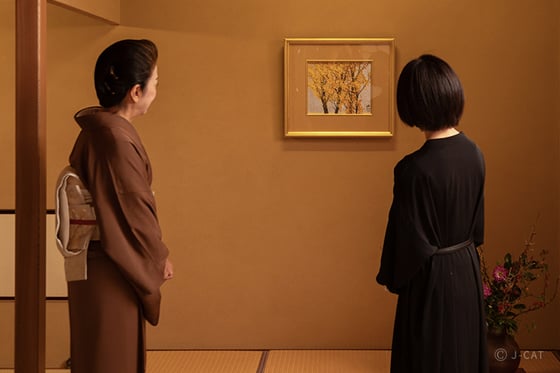
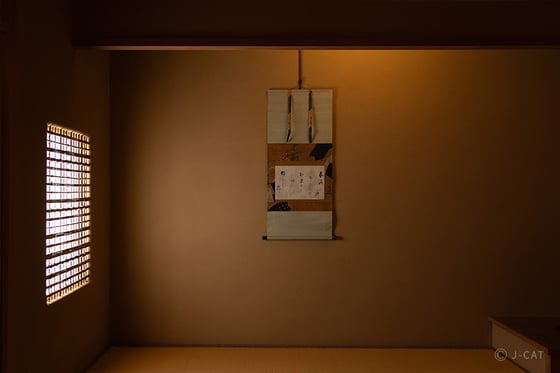
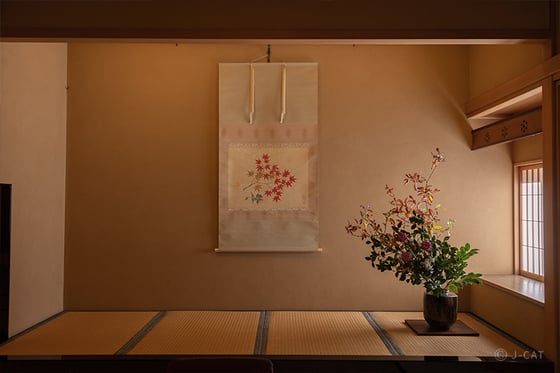
The tatami room is decorated with seasonal scrolls and flowers
As the proprietress, Mita emphasizes the importance of being attentive to guests' needs. "Each table has its own unique dynamics," she explains. "You must gauge whether it's best to engage or maintain distance. Understanding the atmosphere at each table and ensuring smooth entertainment may be a task reserved for the proprietress."
Michelin Stars: A New Chapter for Hamadaya
In 2008, Hamadaya made history as the first ryotei to earn three Michelin stars. Mita recalls the moment she got the news as "a complete surprise." Typically, the owner-chef attends the award ceremony, but Mita, the proprietress, chose to go. This decision reaffirmed her role as the symbolic face of Hamadaya.
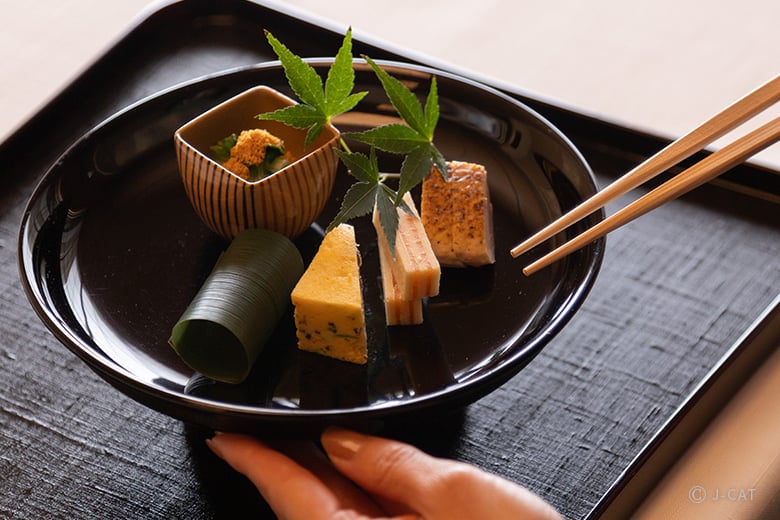
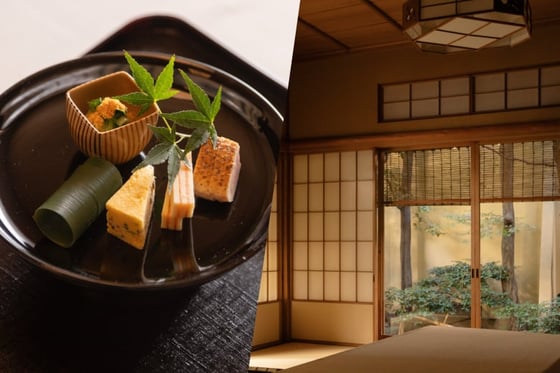
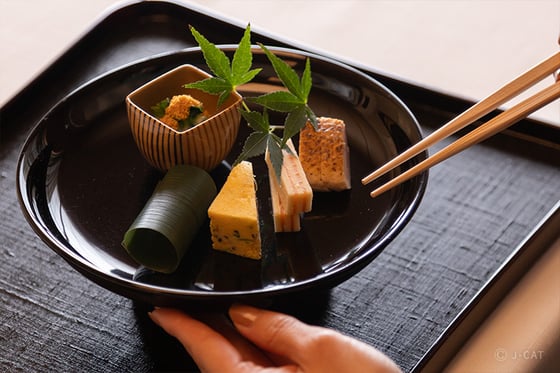
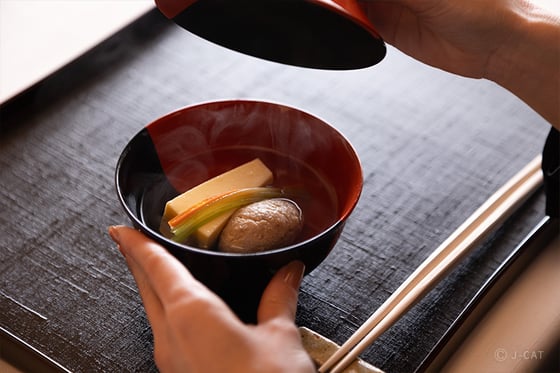
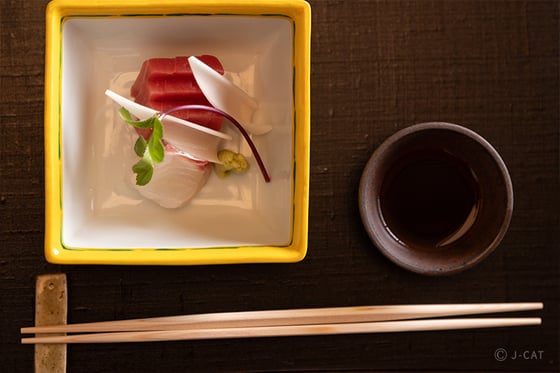
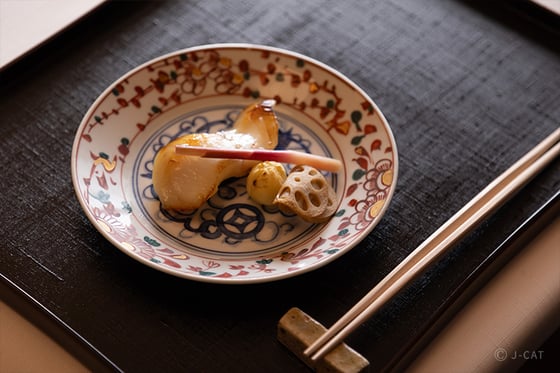
The tableware, like the cuisine, holds a legacy passed down through generations
Mita explains, "Getting a star rating opened up the world to us. Typically, ryotei restaurants are hesitant about first-time visitors. They can be a bit exclusive. But thanks to this recognition, we're attracting attention from a global audience that we couldn't reach before. I'm truly grateful for that."
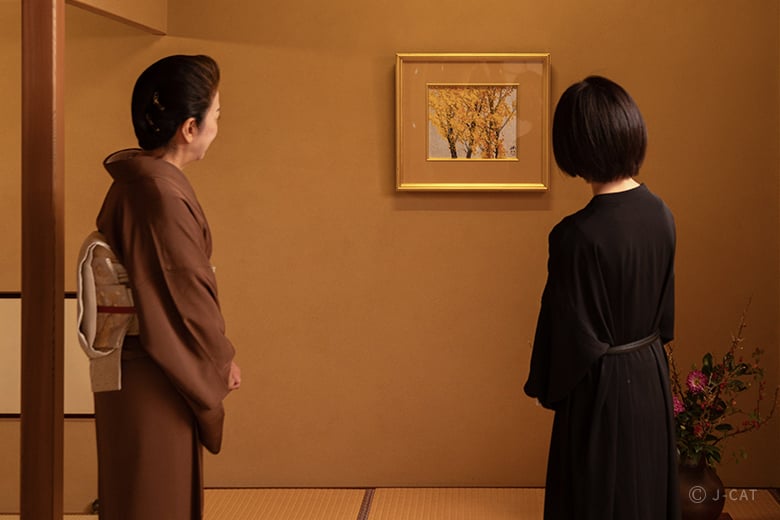
Explore the restaurant with Mita herself as your guide on Wabunka's Hamadaya experience
Creating Unforgettable Moments at Hamadaya
Hamadaya has embraced the world and is moving forward. Mita aims to provide overseas guests with an unforgettable experience in Japan.
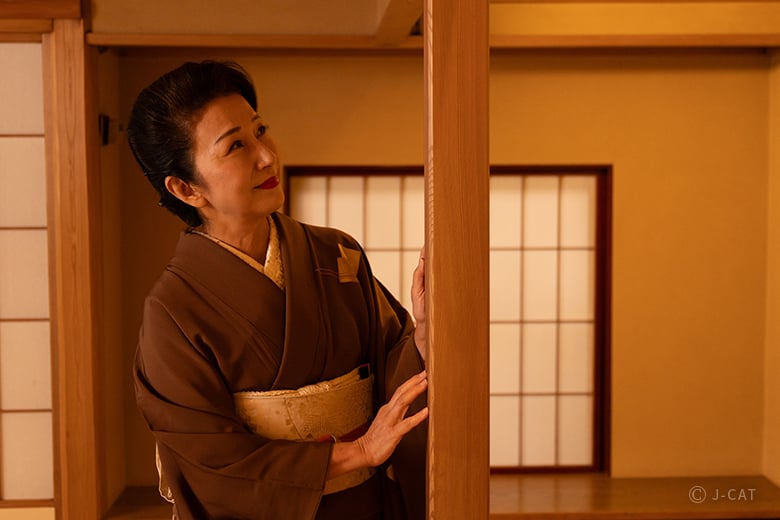
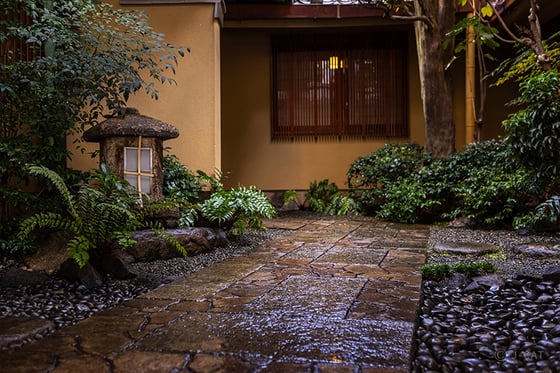
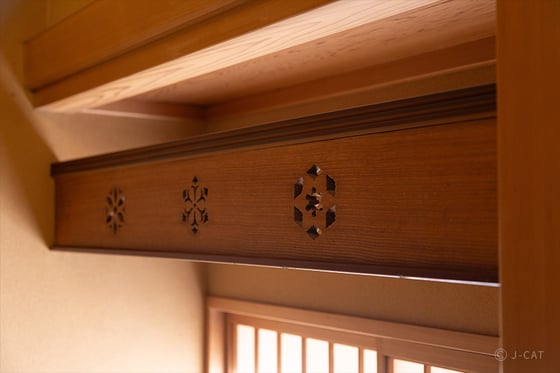
“Inside Hamadaya, the warmth of wood envelops you. The house seems alive, almost breathing," says Mita
The architecture of Hamadaya is so old that it has been recognized as a tangible cultural property, preserving its historical charm. “We deliberately avoid playing background music to allow our guests to fully appreciate the ambiance. Our aim is for guests to enjoy the tranquil atmosphere and engaging conversations in their private rooms while indulging in our authentic Japanese cuisine. We strive to ensure that every aspect of their experience at Hamadaya, from the service of our staff in kimono to the decor, leaves them with a lasting impression of Japan,” Mita says.
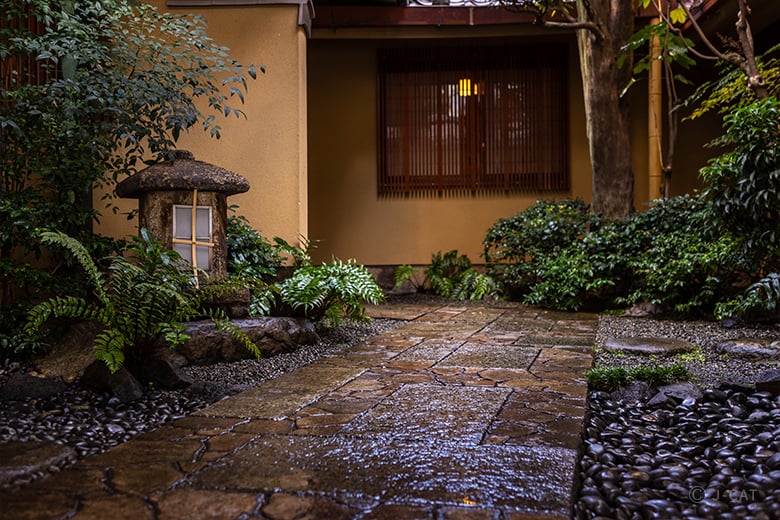
Discover an exceptional cultural experience beyond Hamadaya's gates
Wabunka's experience features a guided tour of the historic Hamadaya followed by a first-class kaiseki dinner. Prepare for an unforgettable experience that extends beyond delightful cuisine.
Genyadana Hamadaya
Established in 1912 on the former Genyadana Kabuki theater site, this ryotei restaurant boasts sukiya-style architecture with a Japanese garden view and alcoves in each room. Upholding traditional hospitality and preserving generational furnishings and artwork, it seamlessly blends contemporary influences. Guests can indulge in kaiseki cuisine made with seasonal ingredients, all within a distinctly Japanese ambiance.