A Childhood Brimming with Tradition and Culture
Ryosoku-in is a sub-temple of Kyoto’s oldest Zen temple, Kennin-ji, with a history stretching back eight centuries. It opens its doors to the general public only during a special period in early summer, to allow visitors to enjoy the beautiful contrast of the pure white and verdant green leaves of hangesho (“Asian lizard’s tail” – Saururus chinensis). Born and raised here by the latest in a long line of monks that have historically kept and managed the temple, Hitomi Ito reflects on a particular childhood memory that shaped her.
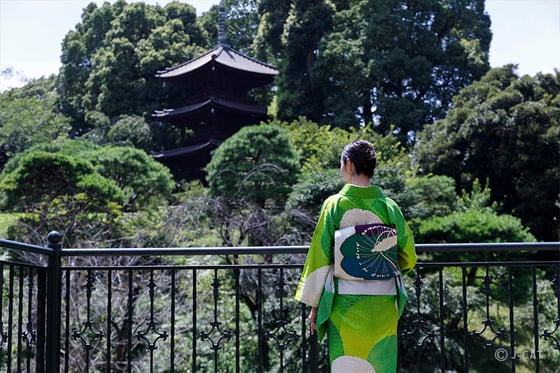
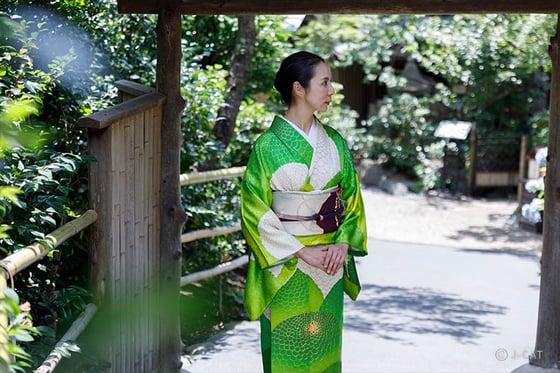
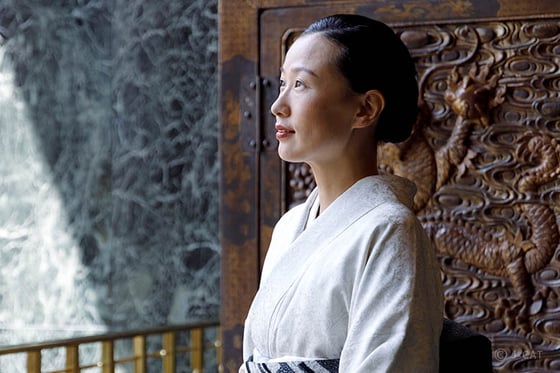
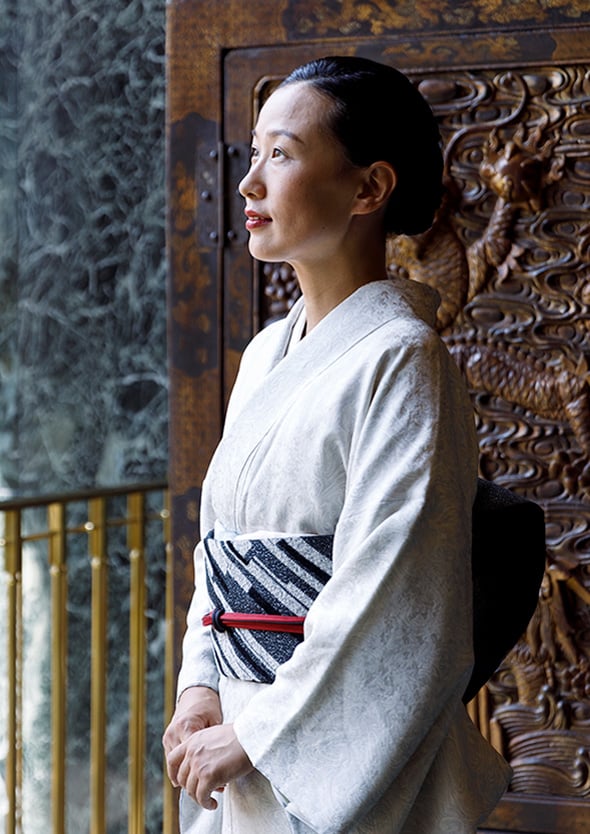
Hitomi Ito’s self-possessed poise is worthy of the artist’s brush
“I have these distinct images of my father, who was the head priest of the temple, changing his clothes. Putting on the monk’s working clothes “samue” when he woke up in the morning to do chores at the temple. Changing into a black kimono when he had Buddhist events or memorial rites for the deceased. For special events, he would put on regal and brightly-colored ceremonial “kesa” vestments. Then returning home and changing back into the “samue” for the humble day-to-day. I think watching my father laid the foundation in me for the concepts of the kimono, of ‘dressing for place and purpose.”
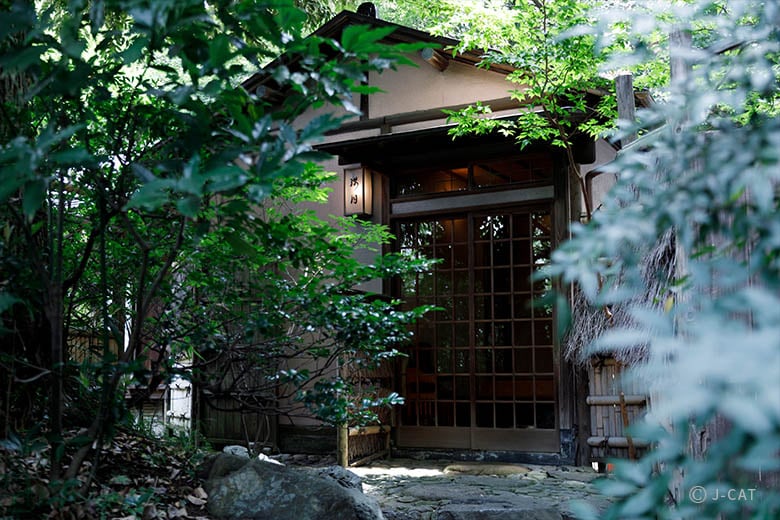
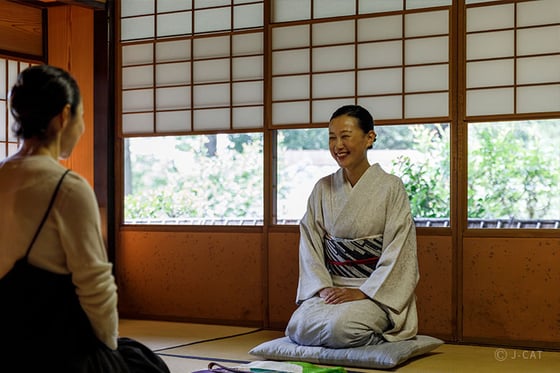
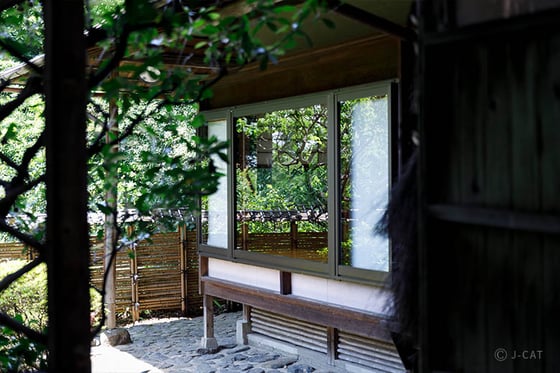
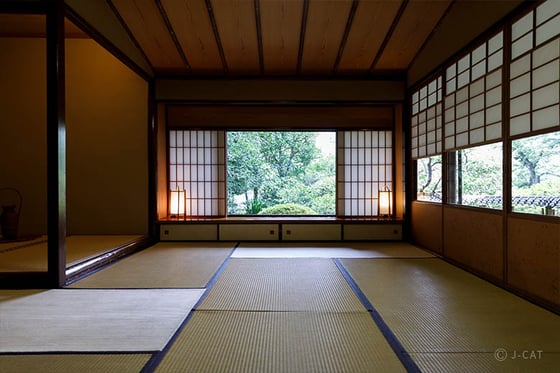
The tea ceremony house of Hotel Chizanso Tokyo, which serves as the venue for the Wabunka experience, dripping the traditional aesthetics in which kimonos really come to life
The Guiding Light of One’s Roots
Ito bucked her traditional Japanese upbringing straight out of university to begin her career at an antique jewelry store in Europe. She describes it as a time when she was “rapt with the allure of ‘the outside world’.” She dove into her work managing the store, but all the while felt a yearning for “something that only I could do, something that I wanted to dive deeper and deeper into, and something that would bring others joy.” She found her answer to that in a turning point that was soon to come.
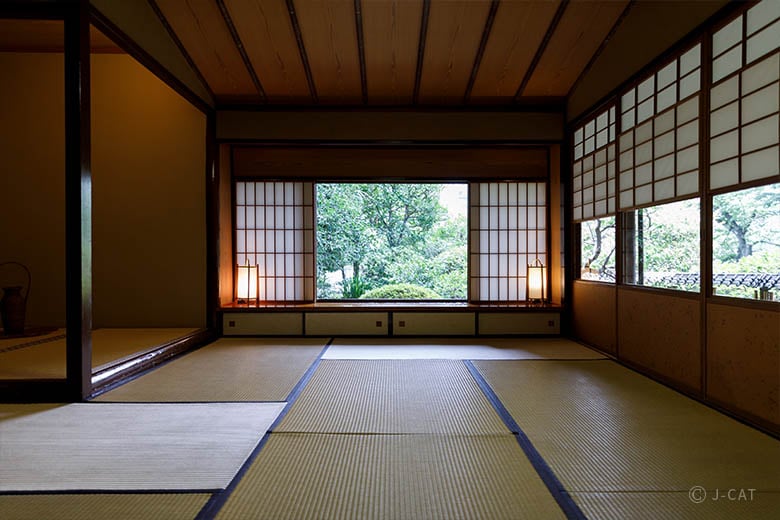
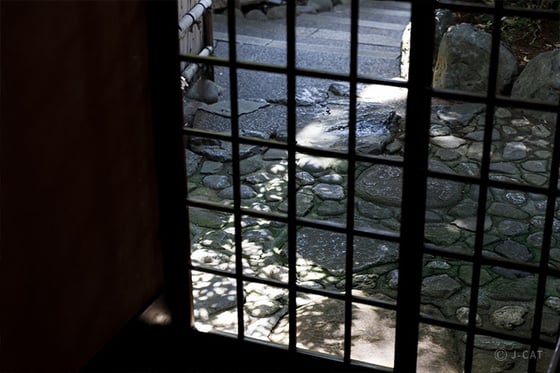
The tea room offers views of the beautiful traditional garden surrounding it
“We held my grandfather’s memorial service at our family home, and the sights and sounds and smells really stuck with me. The beautiful colored robes of the monks, the sound of their voices chanting the sutras and of the wooden drums keeping the rhythm, and the scent of sandalwood wafting over us. It felt like I found something I had been looking for. In that beauty, I saw my roots, and my true self.” Upon this rediscovery, the first thing Ito reached for was a kimono that had been buried in a drawer at her parents’ home. “The beauty of the colors and patterns overwhelmed me. I wanted to learn how to dress in them for myself, so I started attending classes.”
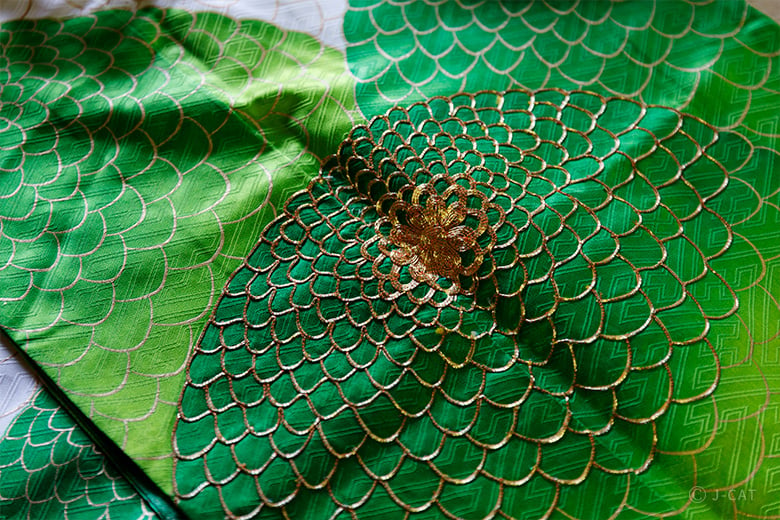
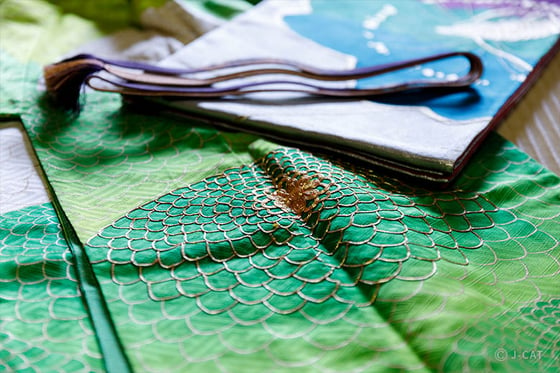
An advanced embroidery technique known as ”kinkoma” gold embroidery adds an elegant touch of detail that catches the light
Bringing kimonos into her life brought other changes. “My mother and other relatives were thrilled to see me in a kimono, and it sparked off tons of joyful conversation and connection. I started to think that if I could wake all the kimonos across Japan from their long slumbers in closets, there would be many more smiles and stories to be shared.”
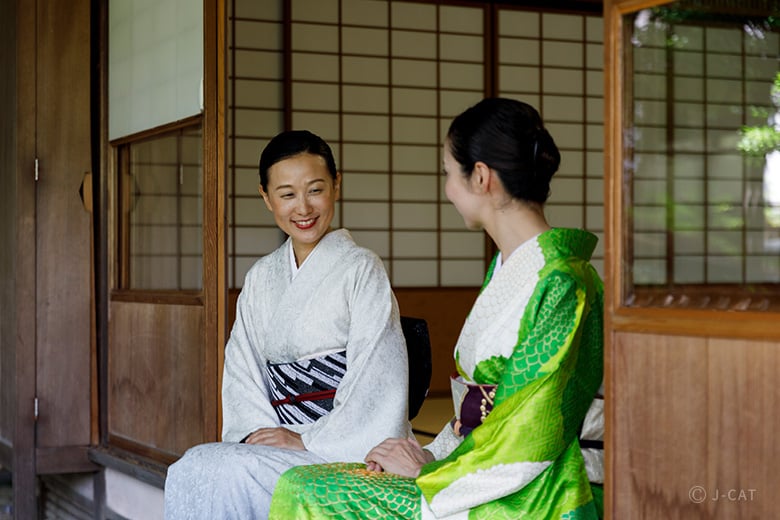
Kimonos form a common language that fosters rich conversation and joy
A Decade of Connecting People with the Joy of the Kimono
After qualifying as a kimono dressing instructor, Ito trained in a variety of specializations such as bridal dressing and geisha dressing. She devoted a decade of her life, under four different instructors, to accumulating knowledge and honing her skills. She says dressing the women of Kyoto’s Gion nightlife establishments – who needed their kimonos to remain well-fitted throughout long nights of entertaining patrons – was an education all to itself.
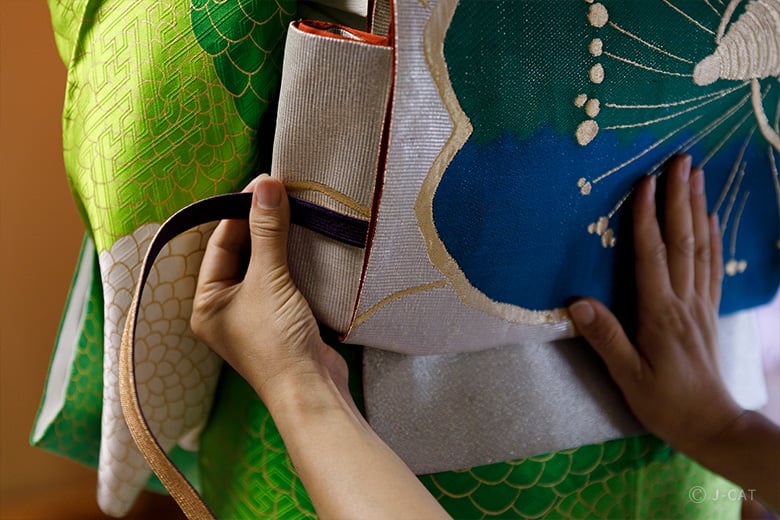
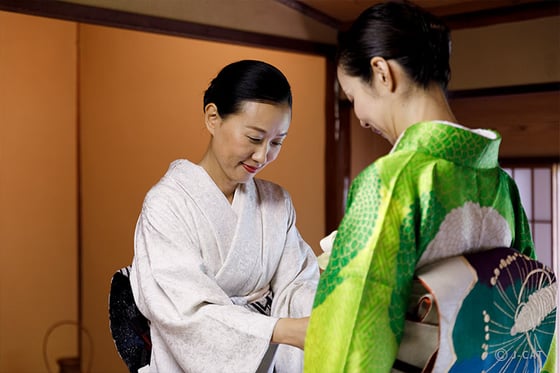
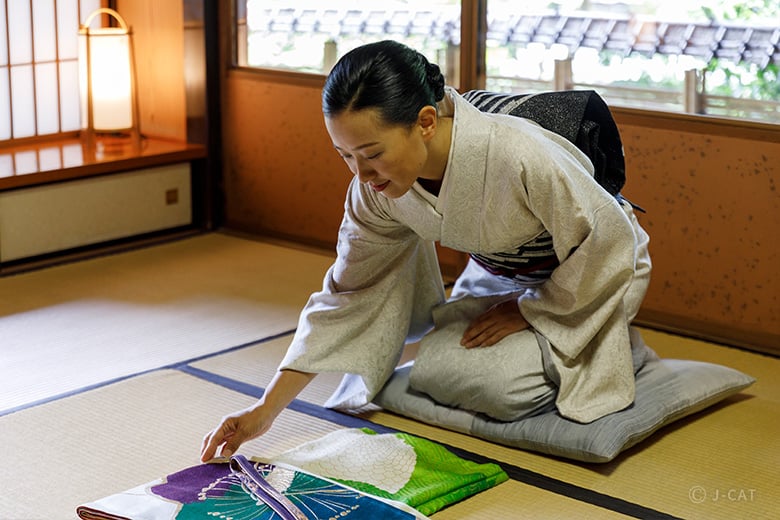
Experience Ito’s Kyoto-cultivated kimono dressing techniques through the Wabunka plan
Throughout this work, Ito tirelessly sought better and better ways to fit kimonos so that they would look beautiful and be comfortable while every detail stayed in place for long periods. “I eventually developed the ability to read a person’s mental and physical state at a glance, such as whether they were slouching or breathing more shallowly than usual. I also learned the importance of understanding just how each individual wants to wear their kimono.” After this decade of studies, Ito’s unique approach solidified into a unified theory and technique.
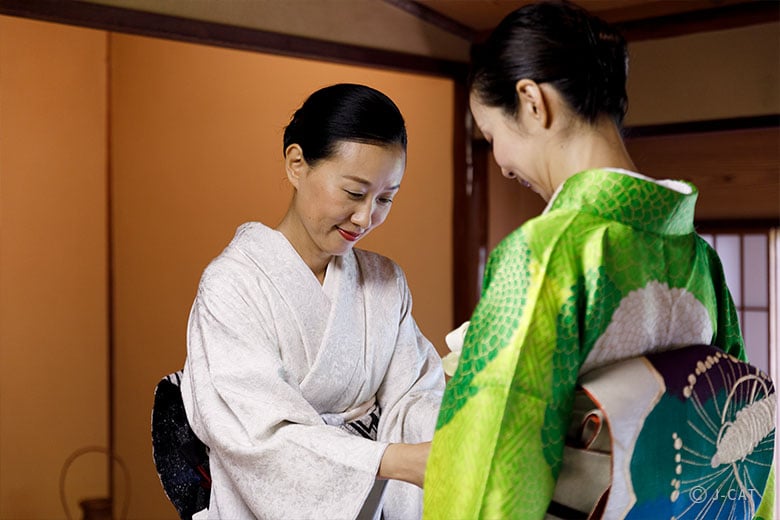
Discovering a beautiful side of yourself never seen before is one of the joys of dressing in kimono
Abandoning a Wardrobe and Setting Out for Tokyo with Nothing but the Kimono on Her Back
Ito sought to become an evangelist for reincorporating the kimono into modern lifestyles, so she left her hometown in the old eastern capital of Kyoto for the new one in the west: The Tokyo Megalopolis. When she was packing, the sight of her tightly folded kimonos compared to the bulk of her other clothes sparked a thought: “What if I threw away the rest of my clothes and just tried to live my life wearing only kimonos?” And that’s what she did, throwing herself straight into the crucible of testing her theory and techniques in the real world.
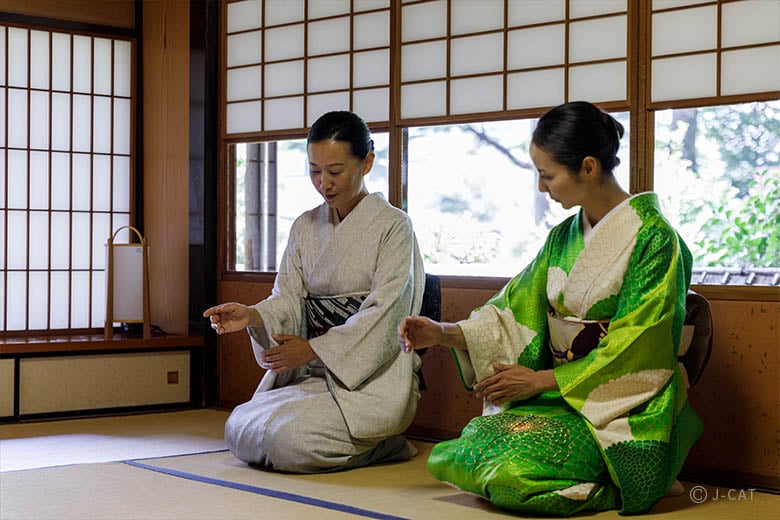
The joy of the kimono’s fusion of beauty and functionality can only be truly appreciated by wearing one
Starting out in Tokyo, Ito found herself beset by the challenges of the city’s world-famous rush hour. The bow of her “obi” sash was crushed in packed trains, and long flights of stairs amidst rushing crowds were punishing on “zori” sandaled feet. But she didn’t let herself get discouraged, taking each challenge as a chance to innovate for comfort and functionality, such as by developing a more compact method for tying her “obi” and coordinating her outfit with sneakers.
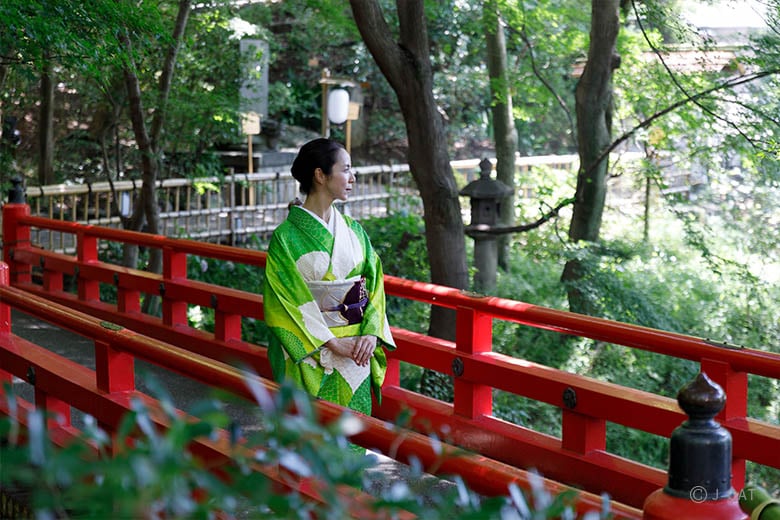
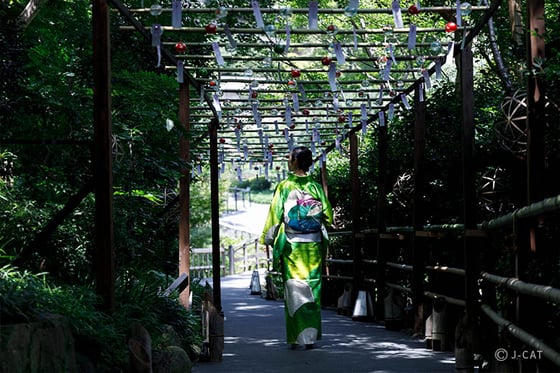
Japan’s four seasons and the aesthetic sense they fostered, encapsulated in a moment spent dressed in a kimono
“A Love Letter Expressing Feelings Beyond Words”
Ito leads a busy life, managing her private salon “enso”. She is also planning an overseas market product line launch. “I’m aiming for clothing that captures the beauty of kimonos but can be worn more casually. I want to give people the chance to enjoy a traditional Japanese aesthetic in their day-to-day life.” She hopes to do more traveling abroad in the future, hosting events where people from all over the world can experience kimonos and Japanese culture for themselves. She’s also studying English: “I want to be able to express myself in my own words.”
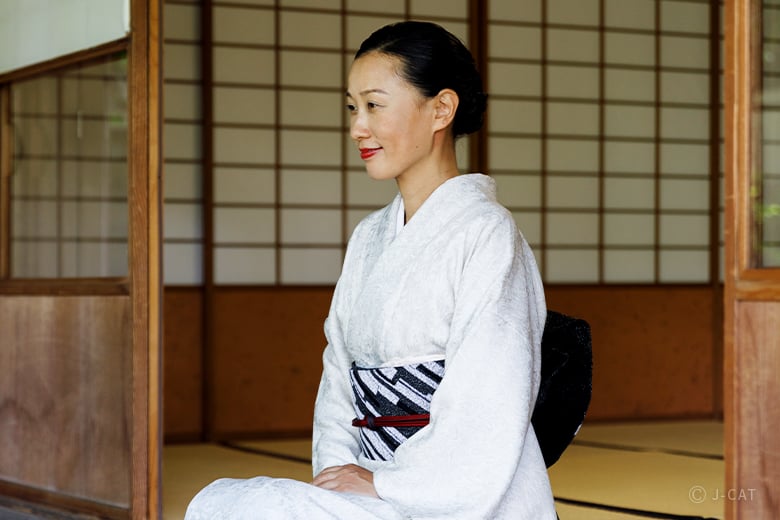
Ever challenging herself, Ito is expanding the range of her activities into a variety of projects related to kimonos
For Ito, kimonos are “love letters expressing feelings beyond words.” Each kimono’s patterns have meaning and intent behind them, and the kimonos themselves foster connection, conversation, and smiles. In her Wabunka experience, Ito offers the chance to experience this, the boundless joy of kimonos, and the beauty they can imbue even into everyday life.
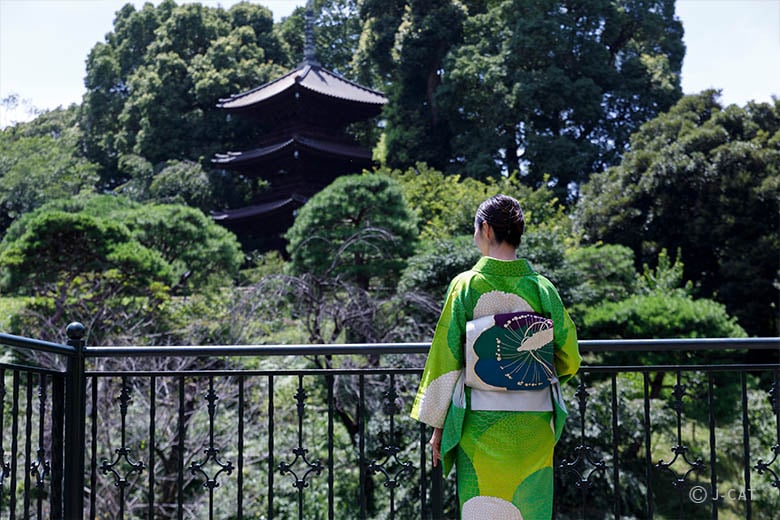
A unique experience, and an opportunity to understand kimonos more deeply
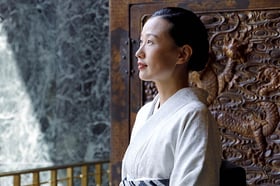
Hitomi Ito
Heading her kimono company “enso,” Ito is guided by a philosophy of carrying “Japanese aesthetics into the future.” In addition to her direct work in the kimono fashion industry, she also gives lectures and makes media appearances to promote and popularize traditional Japanese aesthetic sensibilities through kimonos to bridge the past and future. Through her “ensowabi” line, and various partnerships with other companies, she continues to explore the possibilities of what kimonos can be and do.