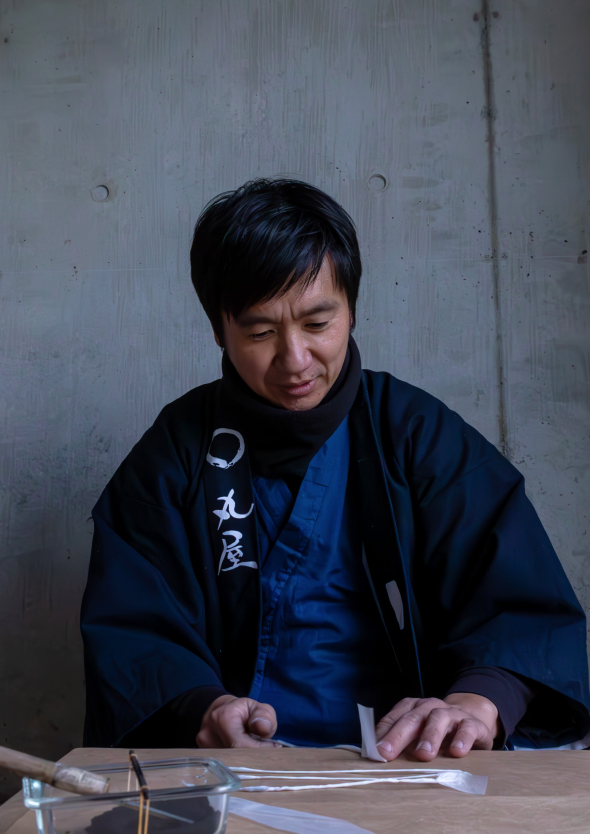
A Pyrotechnics Studio Nestled in the Lush Fuji Foothills of Yamanashi
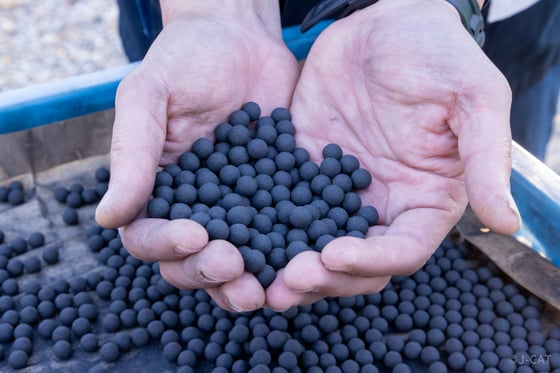
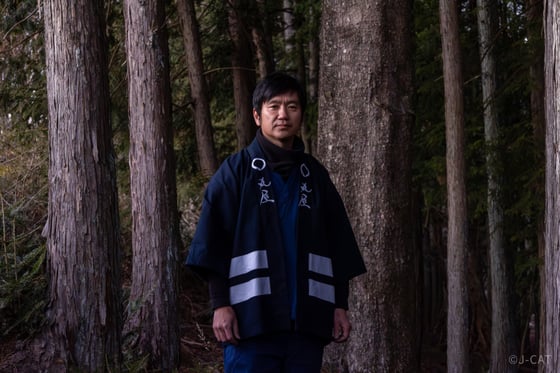
The practice of illuminating the night with fireworks is a beloved human tradition spanning the globe. Today it is best known in its spectacularly colorful modern form using advanced chemical science – a form known in the Japanese pyrotechnical world as yobi: literally, “fire from across the sea,” (in other words: “Western-style fireworks”). By comparison, wabi (literally “Japanese fire”) is made with a simple recipe of natural ingredients and produces a simple warm reddish-brown color. Although minimalist and monochromatic, this gentle russet hue and its fleeting bloom are a perfect natural fit for the Japanese aesthetic of wabi-sabi, which prizes a beauty that is ephemeral, lonesome, mysterious, and abstract to an almost metaphysical level. Gen Sasaki is a master craftsman of these ancient and traditional pyrotechnics based in Yamanashi Prefecture.
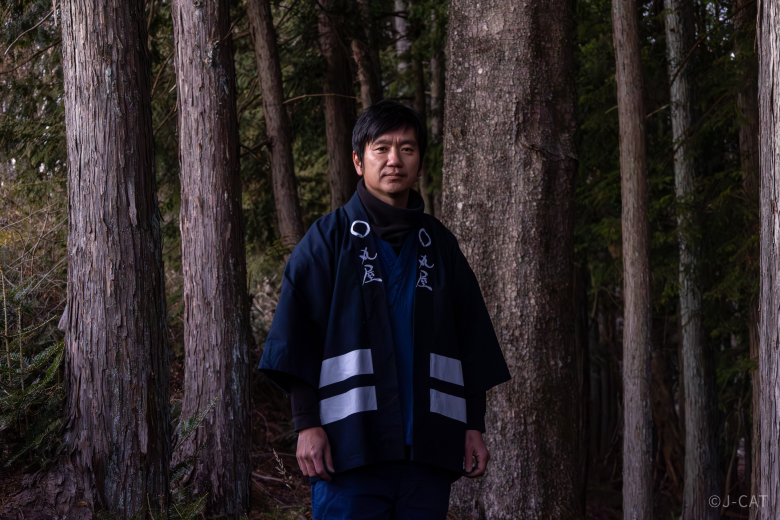
Sasaki found himself drawn irresistibly into a specialization in the unique beauty of wabi fireworks
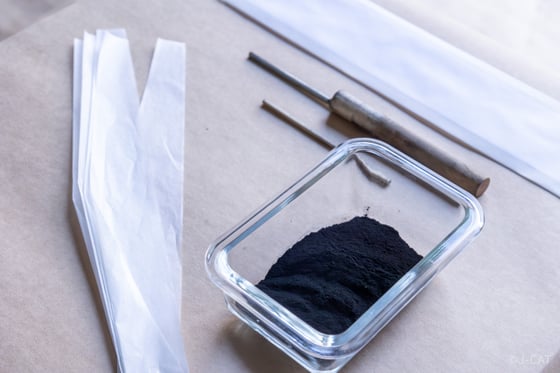
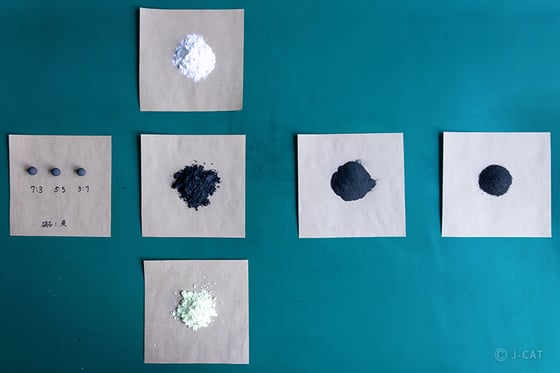
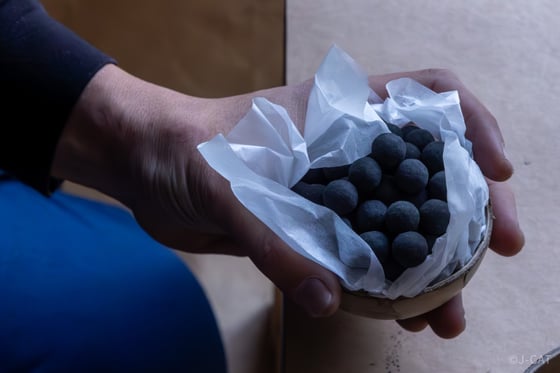
Wabi black powder was used as the propellant for the matchlock guns of the war-ravaged 16th Century Sengoku period. In the following century, as the fires of war cooled into the stable Edo period, the powder found more use in decorative fireworks than weapons. Although lacking the flashy spectacle of modern chemical fireworks, it has an undeniable charm in its profound subtlety.
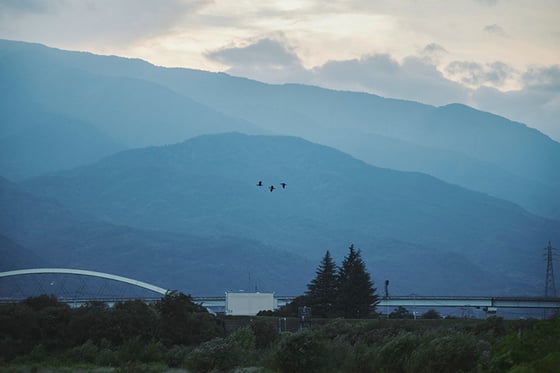
“Wabi fireworks were originally used to express gratitude toward nature and our ancestors,” explains Sasaki, “and to pray for bounty in harvests and peace for those who had died.” He set up his studio in the verdant foothills of Mount Fuji in Yamanashi to maintain the strong spirit of coexistence with nature that motivates his creative work.
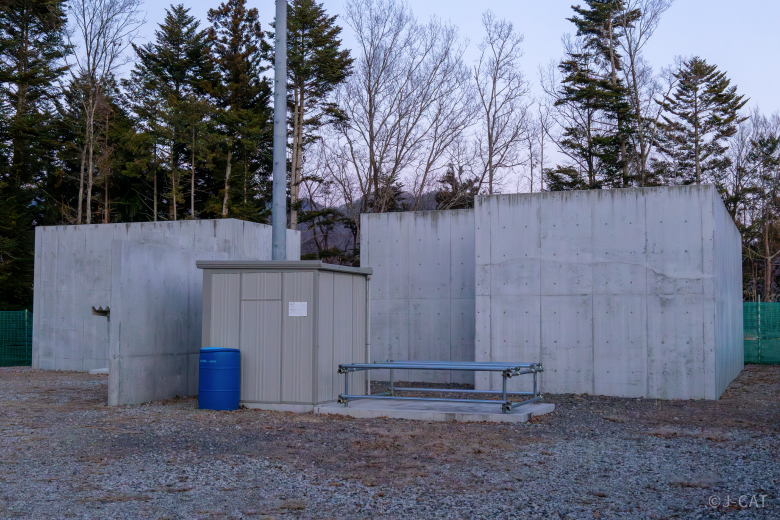
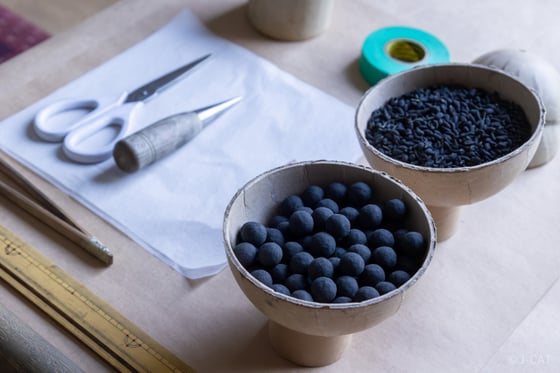
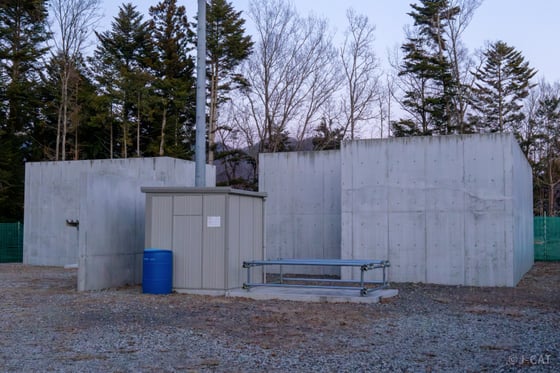
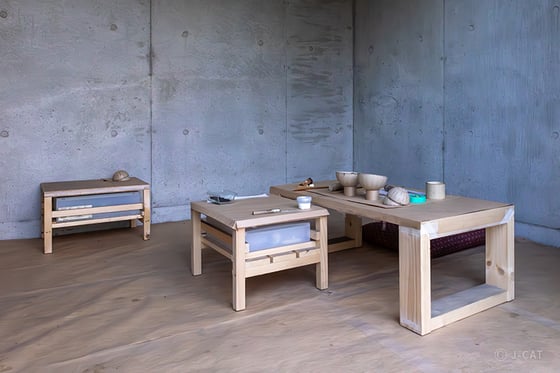
Sasaki’s workshop in the Mount Fuji foothills, built of reinforced concrete due to its handling of gunpowder
A Young Man Enamored of the Straw Scent of Fresh Tatami and the Handsome Lines of Classic Yukata
Sasaki found himself already drawn inexorably toward traditional Japanese culture as a teenager. In high school, he loved the image he cut wearing a traditional festival yukata in summer, the smell and feel of tatami in a traditional Japanese room, and the noble bearing of samurai portrayed in period films and television dramas. Each little impression was a single grain of powder that together ignited an enduring flame in Sasaki’s soul.
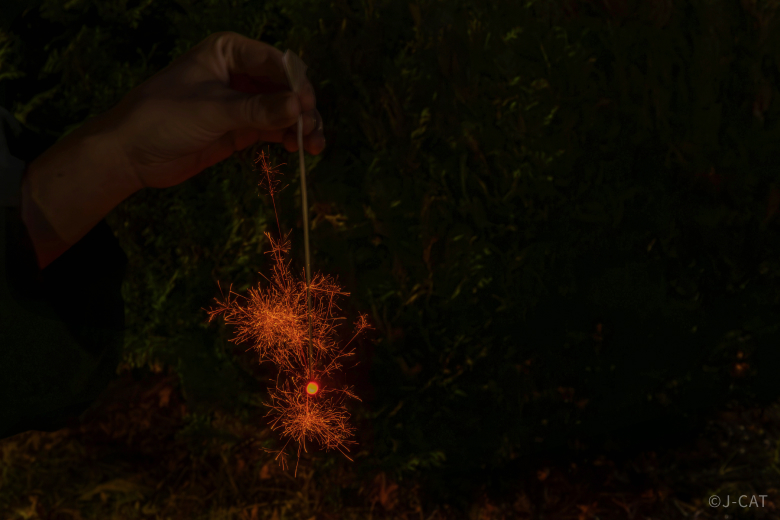
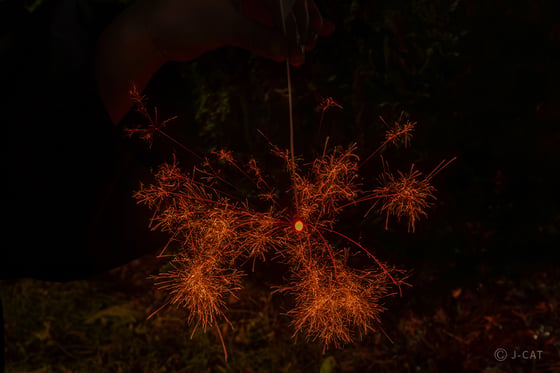
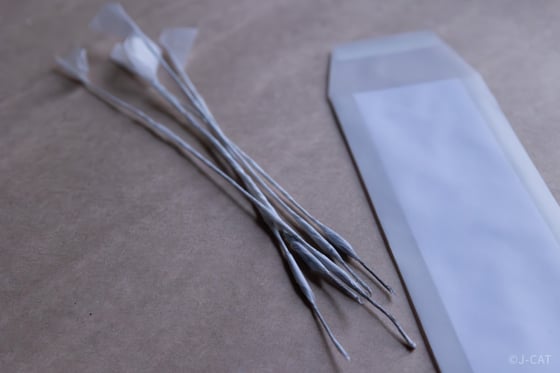
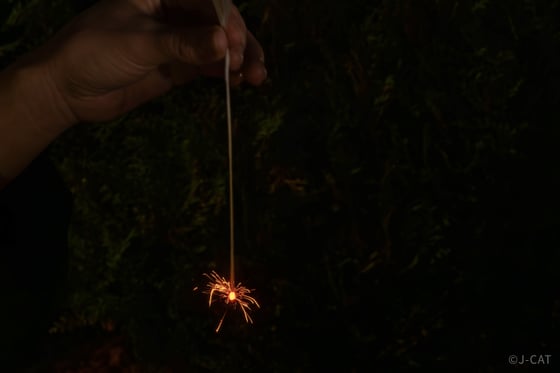
Sparklers – a summer tradition of Japan associated with powerful sentiments
In university, where Sasaki majored in economics, he happened to watch a movie known in English as Heaven’s Bookstore (Japanese title: Tengoku no Honya ~Koibi), the poignant surrealist tale of a firework maker setting off fireworks on earth to communicate with his beloved in heaven. The portrayal of the pyrotechnical arts in this movie captivated Sasaki and drew him into researching the field. He was especially fascinated with fireworks as a method of creative emotional expression.
Sasaki says he found the film’s handling of fireworks was refreshingly different from the usual festival programs
An Aspiring Pyrotechnical Artist’s First Shots in the Dark
Driven to make a career of this burning passion, Sasaki set out on the path of a professional pyrotechnician. During the job hunting season of his final year at university, he approached companies that made fireworks – which at the time found themselves suffering from staffing shortages and hiring malaise. Sasaki had to take an aggressive tack, writing letters and cold-calling to get a foot in the door.
Set alight by the magic of cinema, Sasaki’s passion for pyrotechnics burned bright
In fact, Sasaki didn’t apply to companies in any “normal” industries, focusing his efforts entirely on pyrotechnics companies. As he attended fireworks competitions where pyrotechnicians gather to showcase their craft – like the Omagari and Tsuchiura Fireworks Festivals – one company in particular caught his eye. It just so happened to be a longstanding Yamanashi Prefecture pyrotechnics house.
“Their displays at the competition were incredible. It’s hard for me to put something so purely sensory into words, but it spoke to my sensibilities on a personal level.” He wrote the company with his feelings, and managed to land an interview – and eventually a job – as a result.
One more path on the step to fulfilling a dream as hanabi-shi, or pyrotechnician
Going it Alone to Tend the Flame of Traditional Wabi Fireworks
Although each company is slightly different, in general it takes years to pick up all the various processes that go into firework production. Sasaki was lucky to have a master who was a strong proponent of learning by doing. As he puts it, “I was incredibly lucky in getting to try all the various processes within a year of starting.” This unusually fast pace helped set him up for his future.
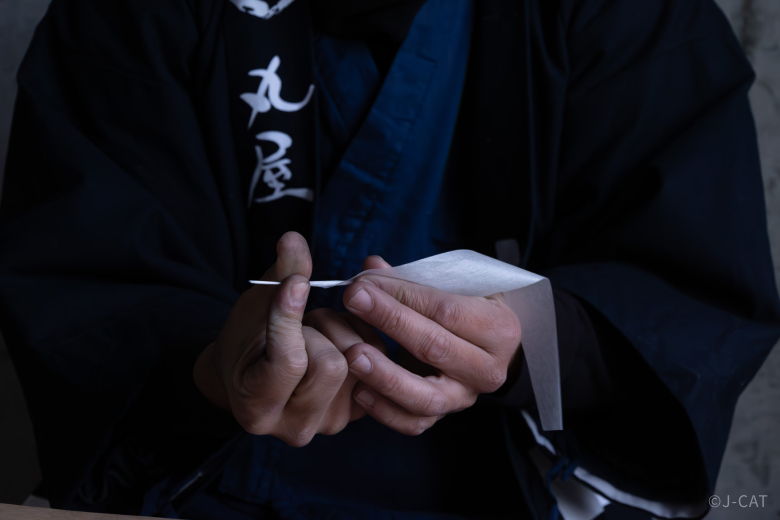
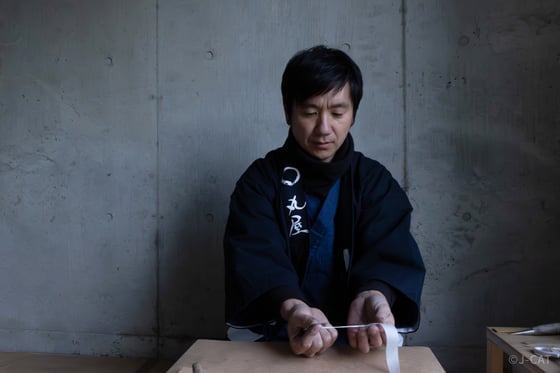
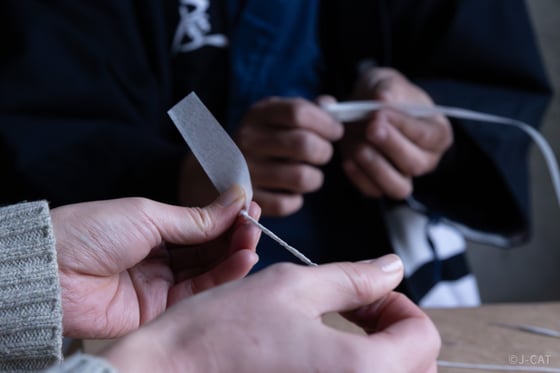
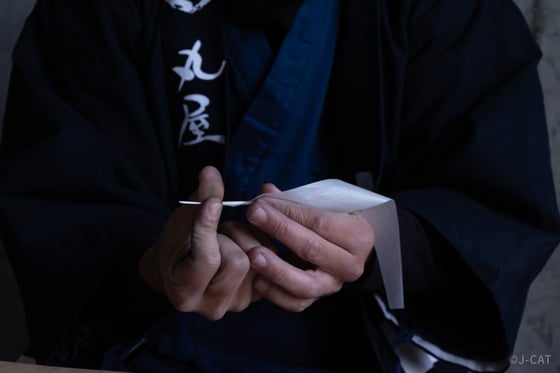
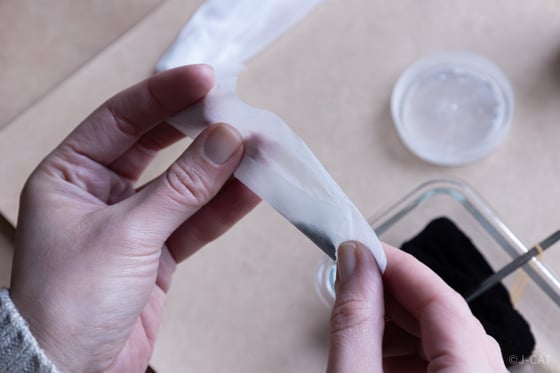
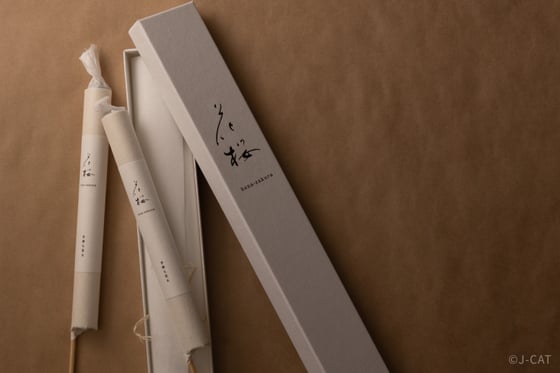
Masterful craft skill shines through in the deft movements of Sasaki’s fingertips as he rolls paper for sparklers
Six years of training at the pyrotechnics house that hired him gave Sasaki the skills and confidence to strike out independently. This was hardly the norm in an industry where even many full-fledged masters continue to work for an already successful company. But Sasaki had long harbored a dream that couldn’t be fulfilled at any existing firm: specializing exclusively in traditional wabi fireworks. And so he made his move. “Two years after going independent, I won second place in a national fireworks competition. At that point I was still using modern-style chemical color fireworks, and somehow I felt something was missing.”
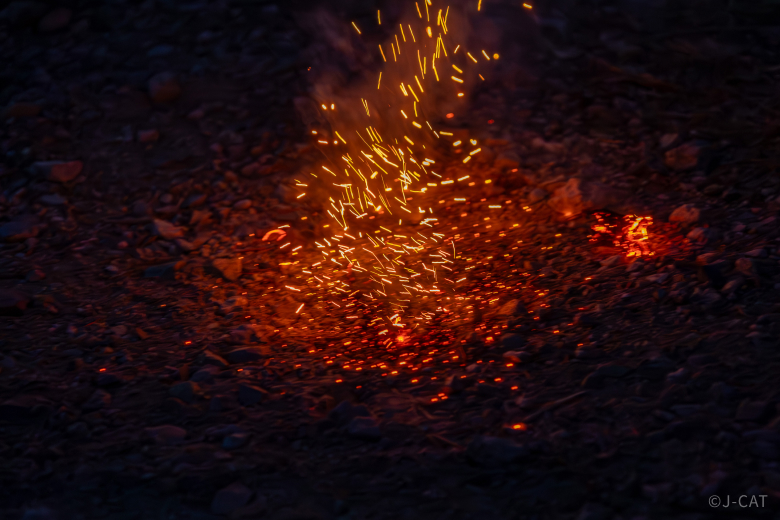
Sasaki saw visions of his future in the auburn light of wabi, or “Japanese fire”
At first, Sasaki had worked passionately on creatively crafting colorful modern fireworks with dazzling colors. But this all came to an abrupt end. “I think my dissatisfaction grew out of doubt about the purpose of fireworks. I was striving for artistry, but the pursuit of gaudy spectacle made me wonder whether in the end it was more about ego.” This was around the time of the 2011 Great East Japan Earthquake, which put a damper on the industry as festivals and fireworks displays were cancelled or scaled back. Sasaki says this gave him an opportunity to stop and face the difficult question of whether he really believed fireworks were an important part of the human experience.
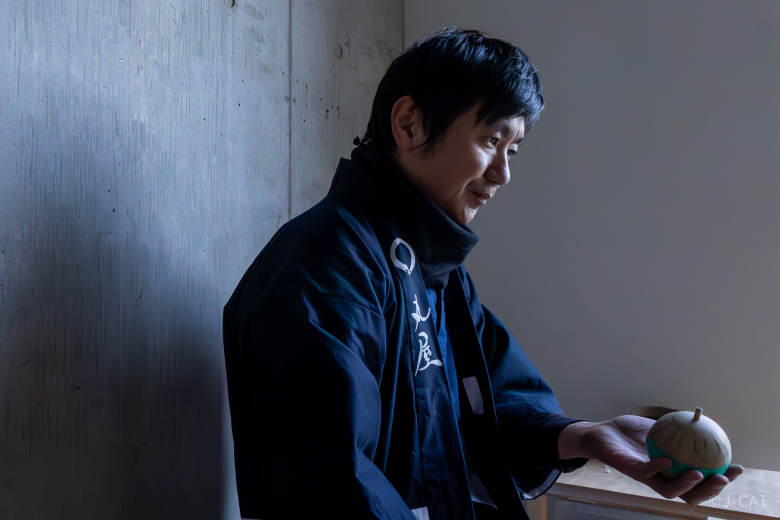
Sasaki faced an existential quandary for a pyrotechnician in the aftermath of the Great East Japan Earthquake
Did his passion and lifelong dream amount to little more than a cheap sideshow? Pondering this drove Sasaki into history, where he discovered deep spiritual traditions of memorialization of the dead, mourning and consolation, and heartfelt prayer with traditional fireworks. He also revisited the film that had inspired him in the first place – and to his surprise, noticed something new: all of the fireworks depicted in the film were traditional wabi. Perhaps what had caught his attention in the first place was not pyrotechnics in general, but wabi specifically. It was an epiphany through which everything came together more powerfully than ever before.
Communicating Japanese Traditional Aesthetics Through Wabi Fireworks
And so Sasaki left behind the title of pyrotechnician and took up a new mantle he called wabi-shi (literally “practitioner of Japanese fire”). This is a term Sasaki himself coined for a specialization that didn’t exist until he defined it. “I wanted to express my determination to specialize in the traditional ways,” he says. Wabi fireworks convey a sense of elegant ephemerality, which might be called the beating heart of traditional Japanese aesthetics. Sasaki hopes that this Wabunka experience can put people in touch with the passion behind wabi fireworks and the uniquely Japanese aesthetic of wabi-sabi.
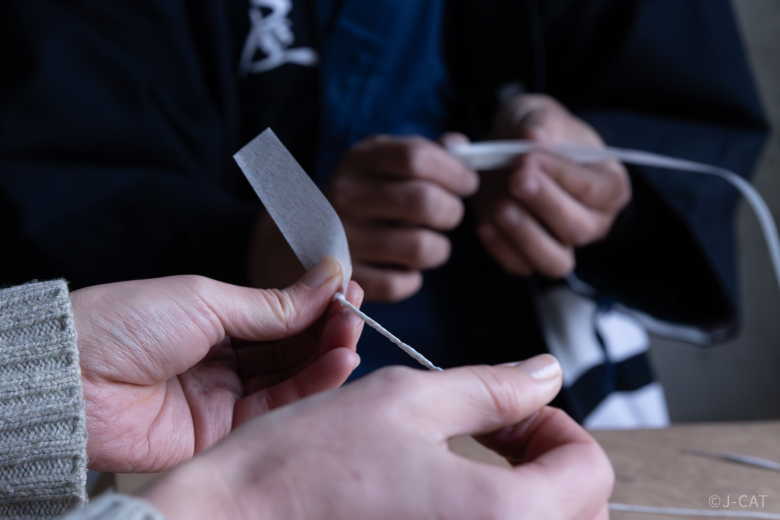
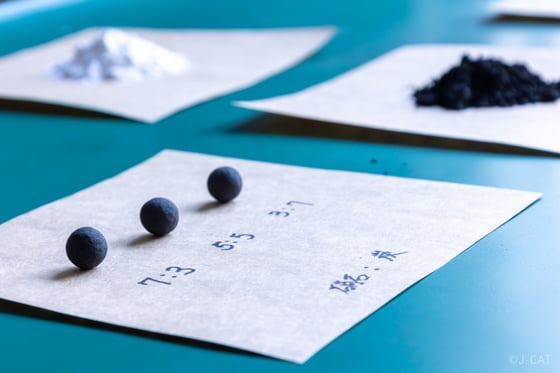
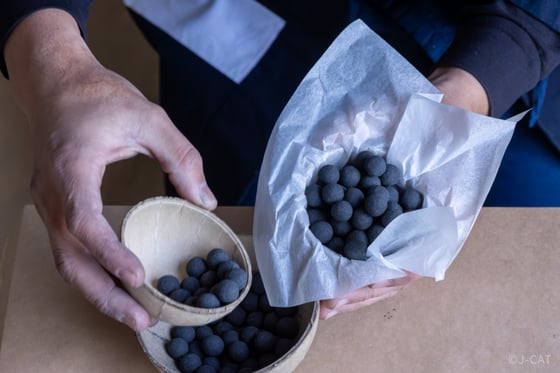
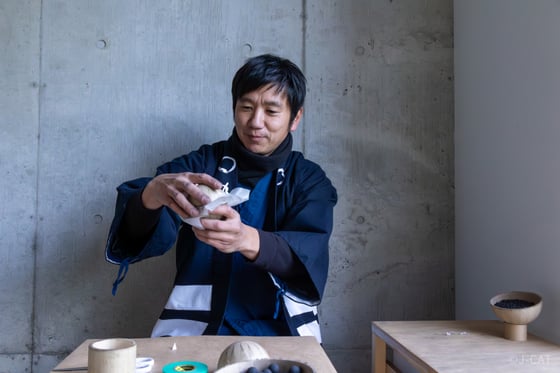
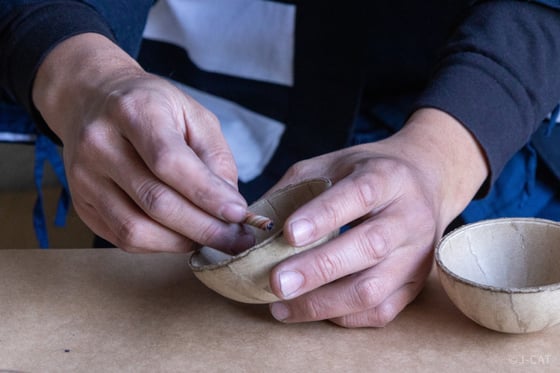
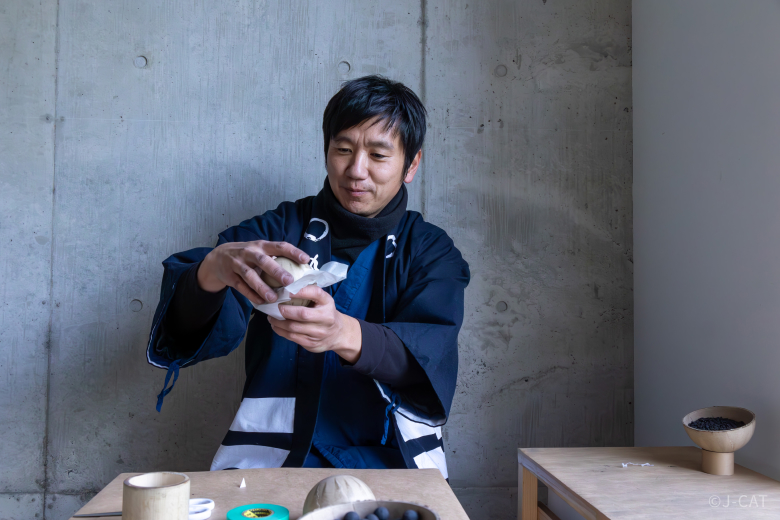
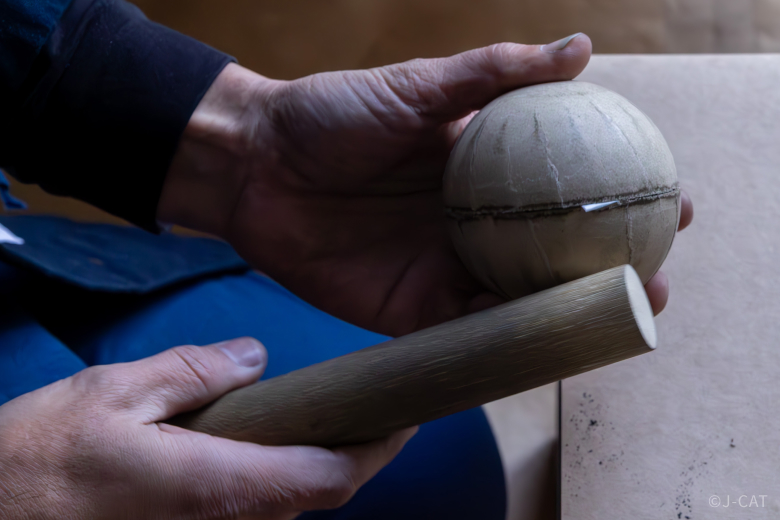
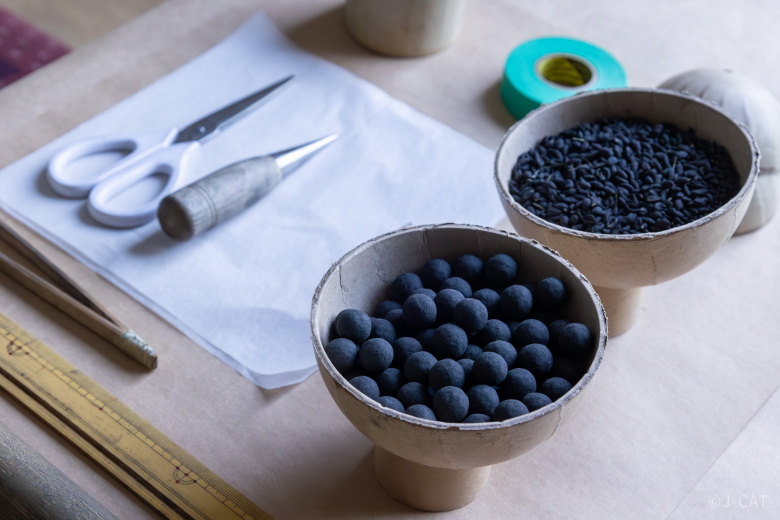
Learn the precious techniques of crafting traditional wabi fireworks from Sasaki, a master of the craft
The wabi firework tradition is a product of distinctly Japanese cultivation. Behind it lies an unmistakably Japanese spirituality. “The sensibilities are by nature hard to put into words, but there’s something about it that grabs you on an instinctual level when you see it,” says Sasaki. “Intuition and feeling are precious to me. I want to create things that I connect with.”
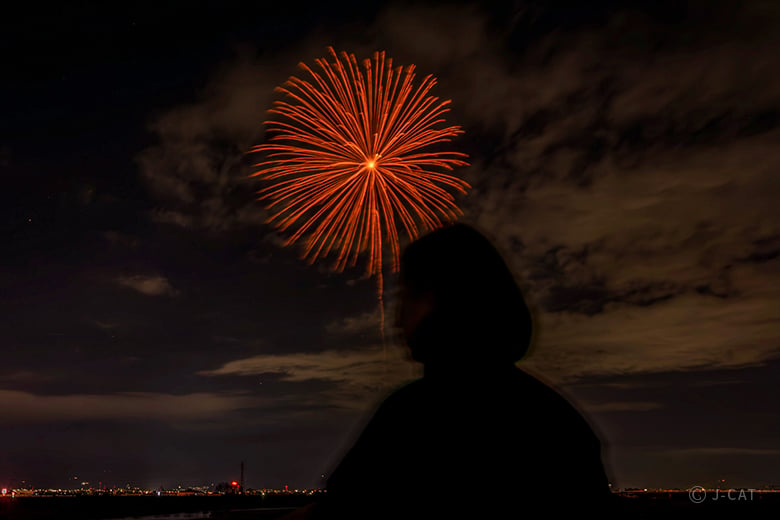
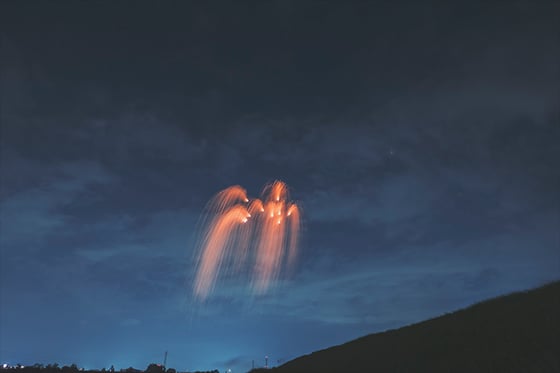
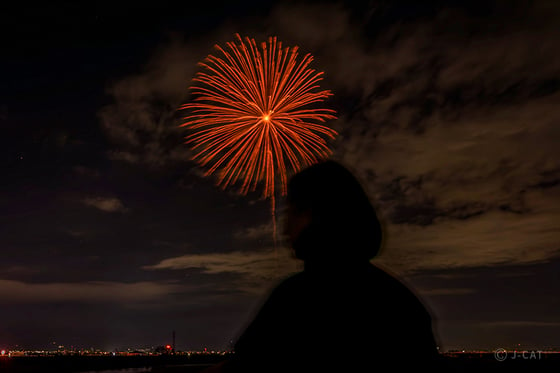
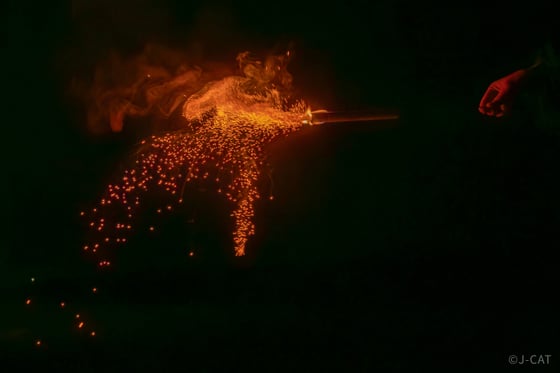
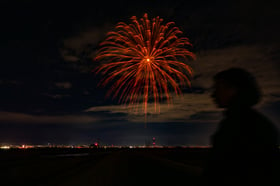
The profound lonesome beauty of wabi: a russet red light bursts above the horizon and melts downward into weeping tendrils as it fades
Savor the spiritually subtle, penetratingly profound, and mysteriously metaphysical beauty of Japanese aesthetics through the auburn fire of wabi as it blazes bright and fades away: these are the moments of transcendence to which Sasaki has devoted his life.
Marutomi
A pyrotechnical studio and firework manufacturing company founded in 1950 in Ichikawa-daimon, Yamanashi. Specializing in traditional wabi fireworks that exemplify the traditional aesthetics of Japan, Marutomi also takes part in events, fireworks festivals, workshops, and other pursuits aimed at preserving Japanese traditional culture through deeper experiences with fireworks.