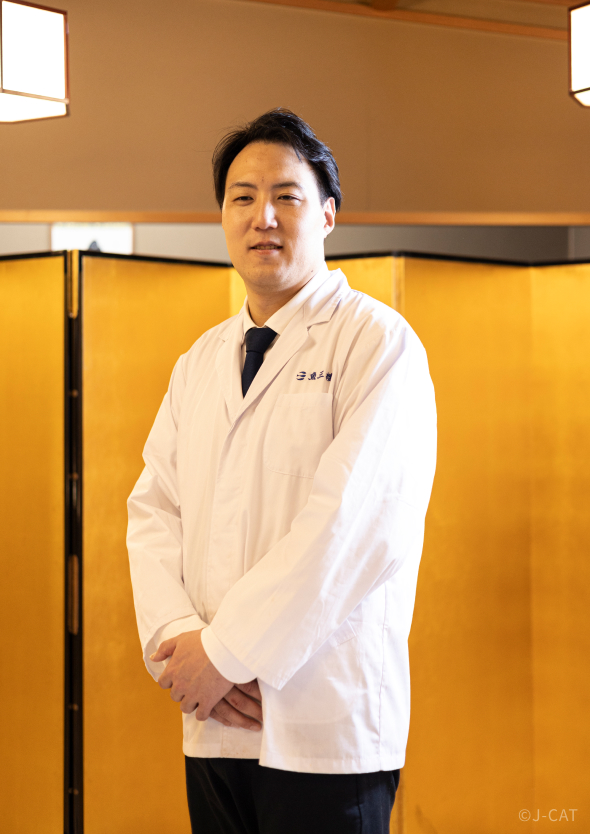
A Culinary Powerhouse that has Long Wined and Dined the Distinguished Daimyos of Fushimi
The Fushimi area has prospered as a waterway hub since ancient times. During the Heian period (794–1185), the area was favored by aristocrats for its scenic beauty and became the site of many villas. Later, it became the bustling castle town of famed warlord and national unifier Toyotomi Hideyoshi, where he spent his twilight years in the Azuchi-Momoyama period of 1568-1600. During the Edo period (1603-1868), Fushimi served as an active post town and vital point of passage for the vassal daimyo warlords of western Japan during their mandated court visits to Kyoto. It was in this milieu in 1764 that Uosaburo was founded by its original chef Saburobe, from Shikoku Island’s Sanuki Province (present day Kagawa Prefecture).
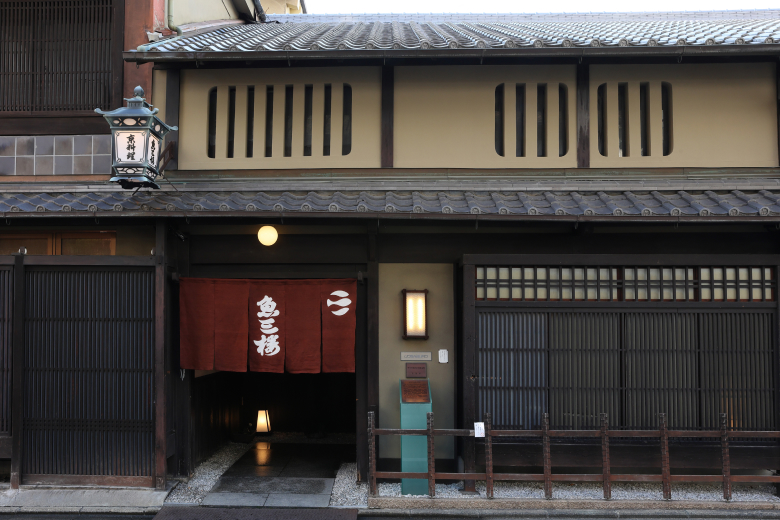
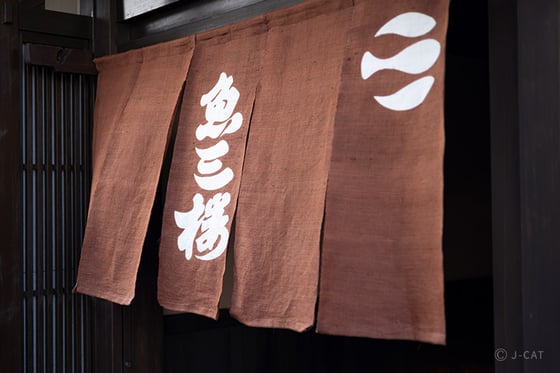
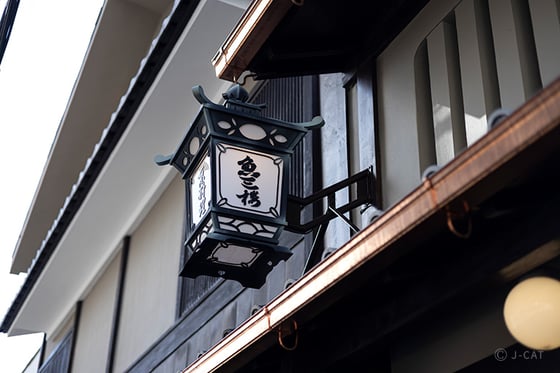
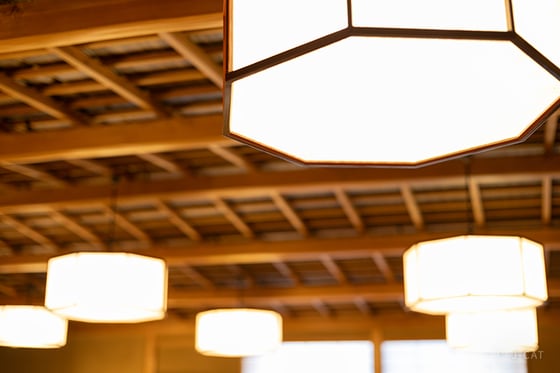
The Uosaburo restaurant in Fushimi still retains sections built in the Edo period
In the Edo period, Uosaburo also provided in-house catering at the villa of a local daimyo. During the epochal Battle of Toba-Fushimi in 1868, the restaurant was appointed the official forward kitchen for the military forces stationed at Gokonomiya Shrine, becoming an indelible part of history.
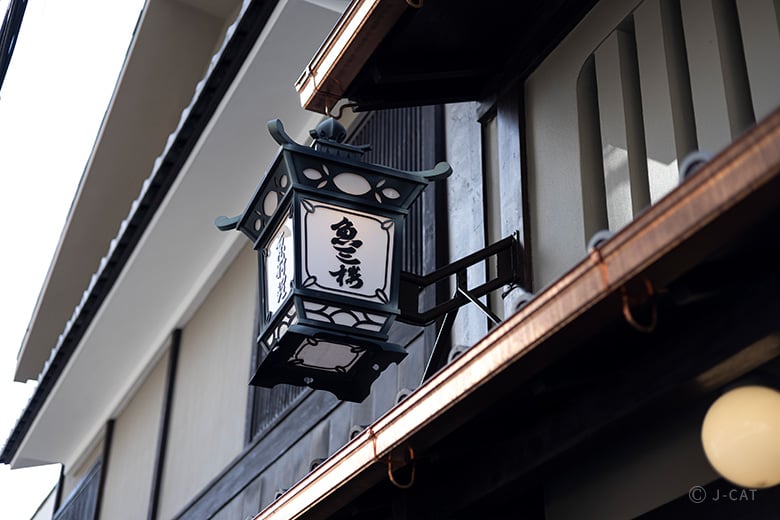
Keep and Cherish the storied culinary traditions of Kyoto
More recently, the restaurant earned two stars in the Michelin Guide through innovative cuisine that continued to preserve its heritage of Kyoto culinary traditions of over 260 years. Its current and 10th generation proprietor also entered his position from an unexpected background, having played North American gridiron football professionally before becoming a restaurateur.
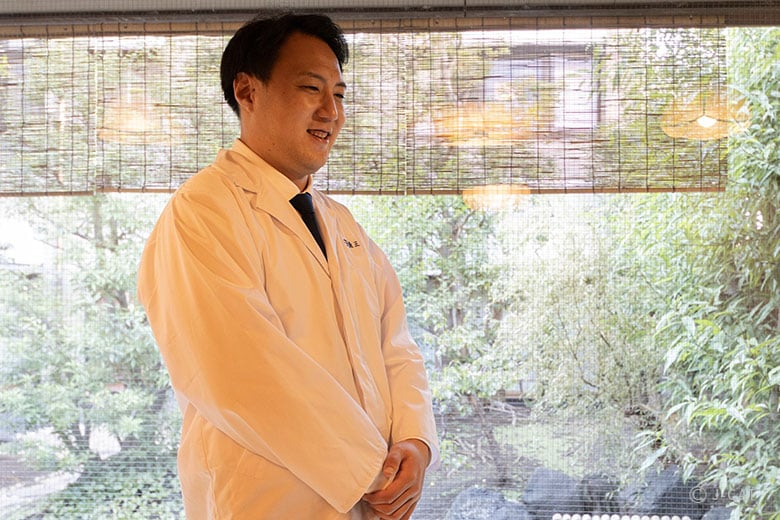
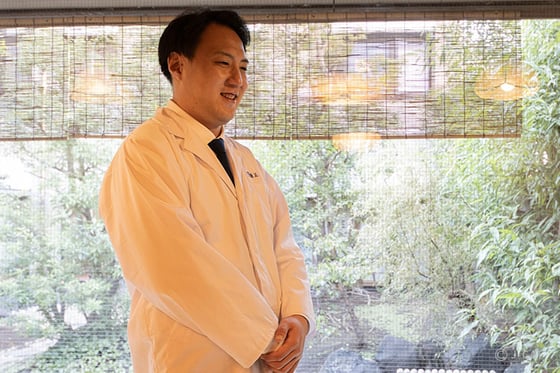
Tenth generation proprietor Yuichiro Araki
From Athlete to Chef
Despite being the eldest son, Araki was never under any particular pressure to go into the family business. So independent was his initial path that after graduating from university he went into North American-style gridiron football – a passion of his since the age of 8. “While my parents never specifically asked me to take over,” he recalls, “they did ask me, ‘So what are you planning to do next?’ I guess my intentions were important for them in figuring out the future of their restaurant.”
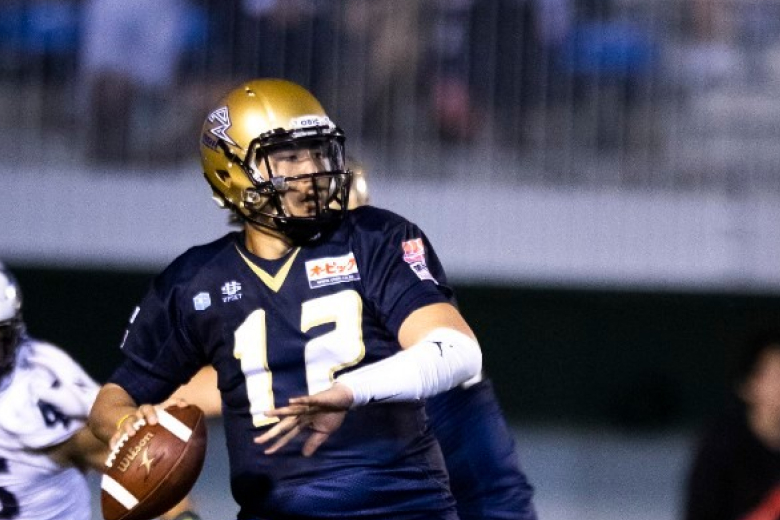
Araki played gridiron football from a young age, reaching the professional level
Araki played gridiron football from a young age, reaching the professional level
Getting to the age where questions about the future began to feel more pressing, Araki quickly came to the conclusion that the restaurant was the path for him. He had grown up watching his parents work, himself learning to cook in junior high school, and helping to prepare the traditional osechi ryori New Year’s fare. This connection with the culinary arts was what called him into the family business.
Overcoming the Coronavirus Pandemic, Transcending Divisions and Limitations
Retiring from professional football in 2019, Araki returned home just before the COVID-19 pandemic that devastated dining establishments – with Uosaburo no exception. “I got home just in time to see our customer numbers fall off a cliff, to find I could no longer even go out to build up restaurant experience. But it did give me time to think about my future, and the future of the restaurant.”
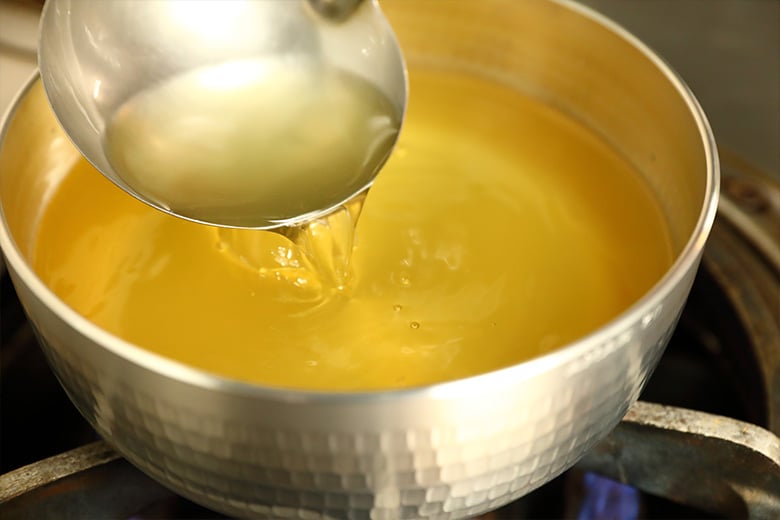
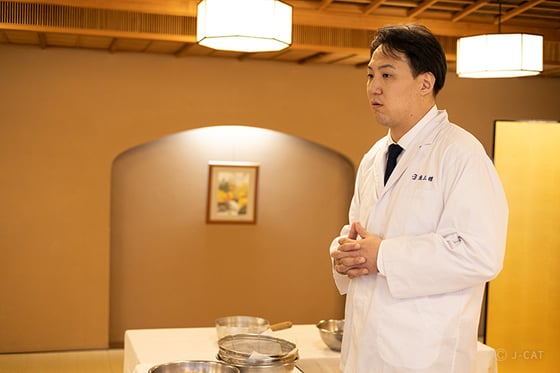
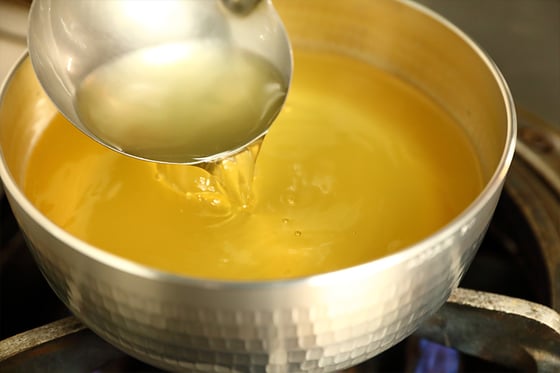
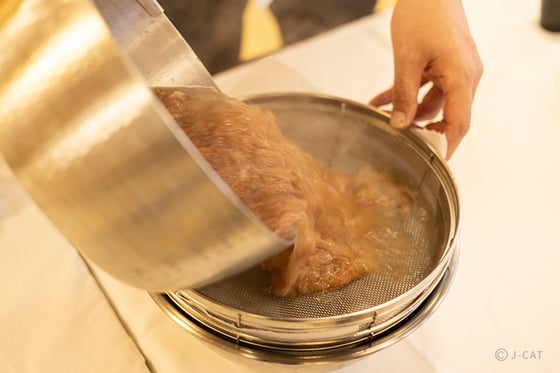
In his Wabunka experience, Araki teaches how to prepare dashi stock, a cornerstone of Japanese cuisine
When the pandemic finally subsided, Araki began his tenure in earnest as the restaurant’s 10th generation proprietor. Since then, he has worked to increase participation in events and appearances in media, as well as push the limits and exposure of Japan’s gastronomic culture – inspired in large part by the way the pandemic limited interpersonal connections. “Exchange is how we develop, and drive each other to develop,” says Araki. “Japan’s food became a recognized cultural heritage precisely because so many top chefs, including my father, left to take it to the world stage. It has also benefited from incorporating French techniques and foreign utensils into the kitchen – things that are now commonplace. I believe continuing this process of exchange and transcendence is the way forward.”
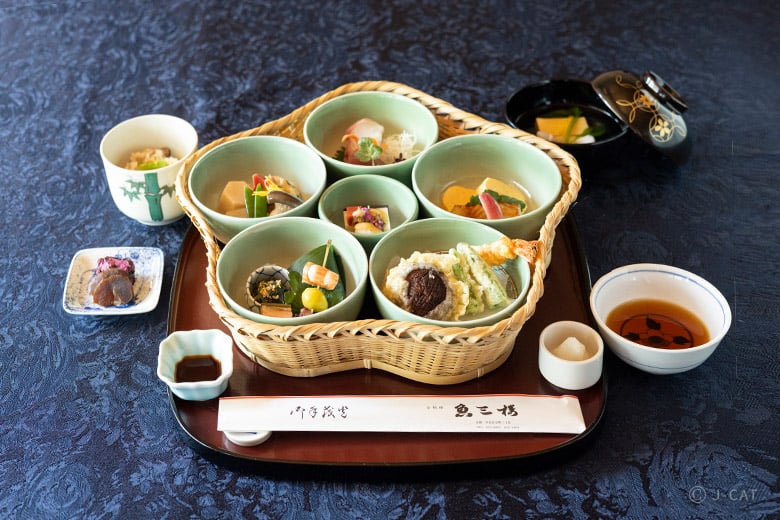
The plum-shaped hanakago gozen lunch set is an Uosaburo specialty
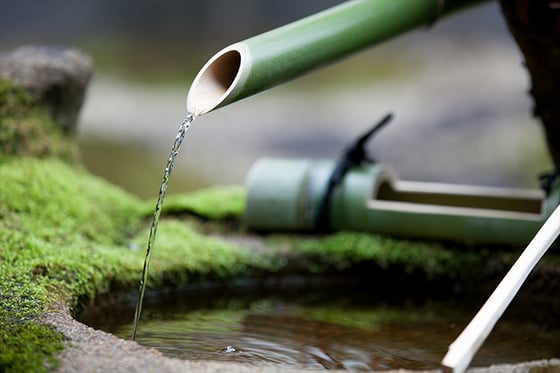
Expanding on his ideas about why Japanese cuisine has become world famous, Araki adds that water plays an outsized role. This made the Fushimi area uniquely positioned as a site for great eating, since its high quality water was already proven in sake brewing. Japanese water has a distinctively soft and mellow palette, bringing out the natural flavors of ingredients. Araki sometimes finds it frustrating that this side of Japanese cuisine is left out of the picture when prepared overseas. “I want people to taste the difference in authenticity through this Wabunka experience,” he says, “and for as many people as possible to learn about Fushimi’s history and what makes it famous.”
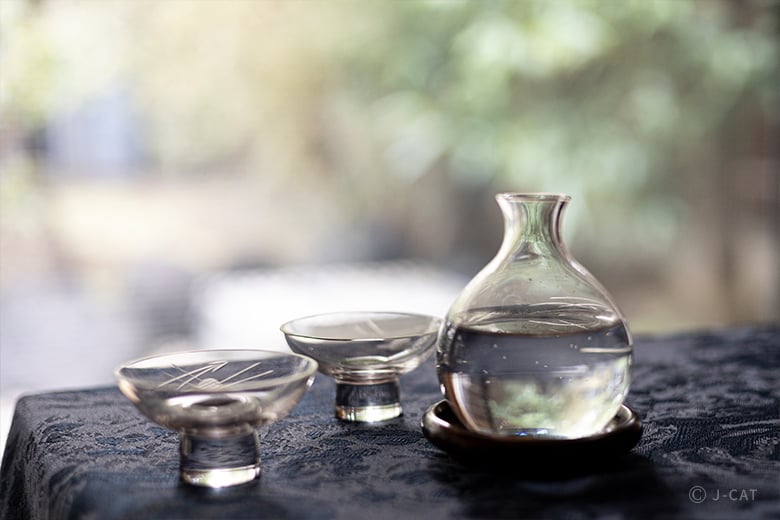
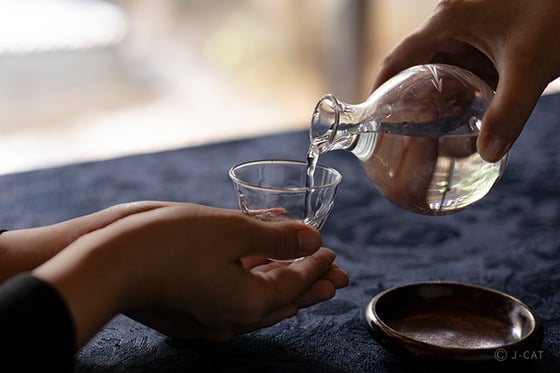
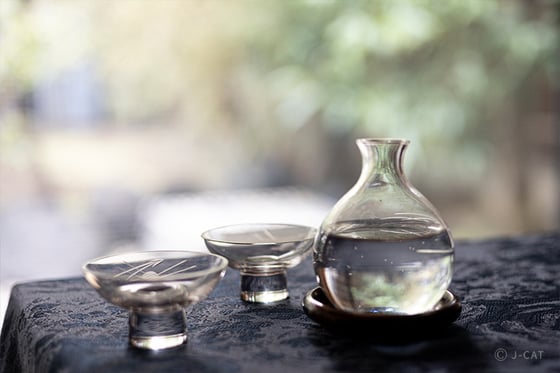
As an option, the Uosaburo Wabunka experience offers perfect pairings of local Fushimi sake with the meal (additional fees apply)
The Human Touch
In football, Araki played quarterback – a position that he says yielded valuable experience to his work as a chef. “Our aim is always to provide a full hosting experience for our guests, by carefully laying out our dining rooms and creating delicious dishes as well as spaces that bring out the best of each season. But everyone is different, so there is no universally best approach. The key is to be able to understand the customer and approach them with a positive, flexible mindset, so as to be able to adapt and respond effectively. This is exactly the kind of thing we trained for in football.”
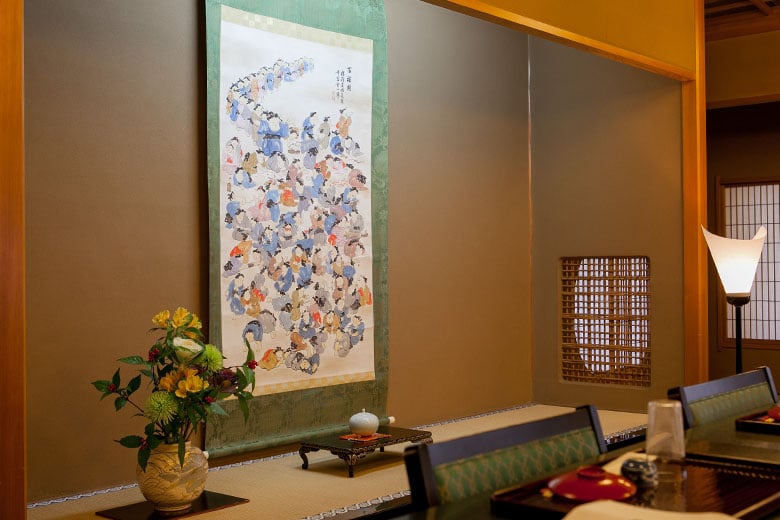
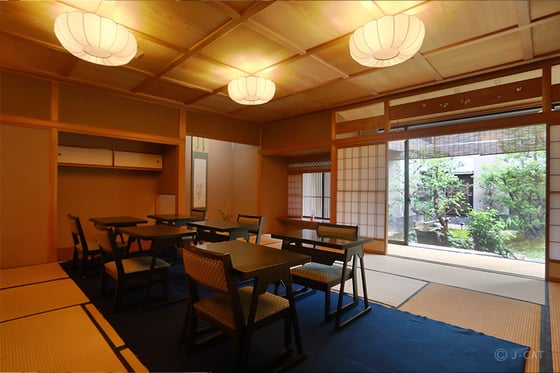
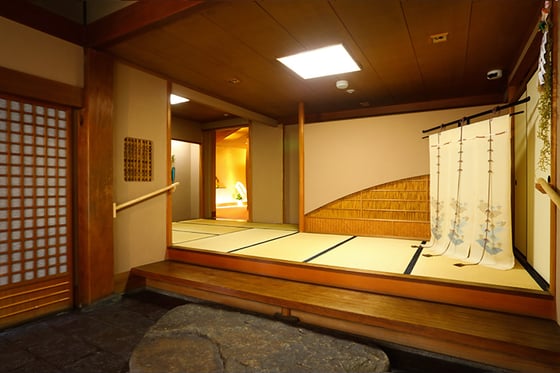
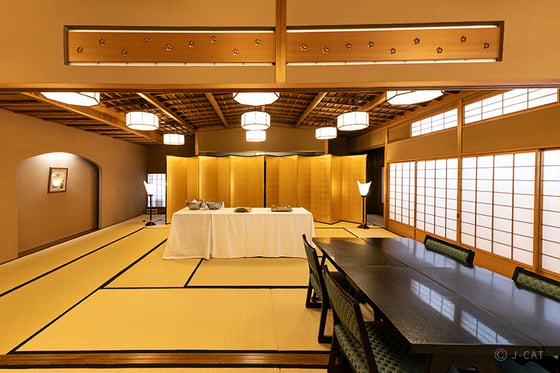
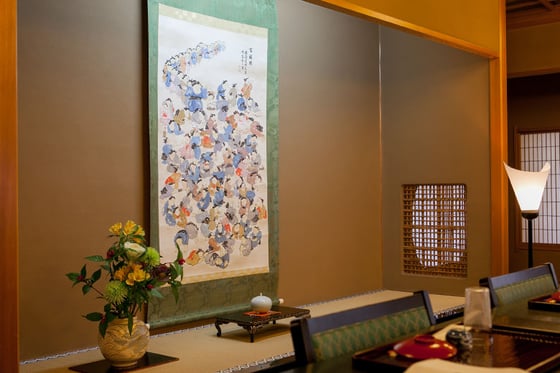
Visitors are welcomed into the space with wall scrolls, flowers, hina dolls in spring, or other seasonal decor
“And that’s part of the joy of the job, too,” says Araki. “You have to be able to read and understand how someone else is feeling to be good at it.” This makes the core of the art hard for even advanced information technology like AI to make inroads as competition The joy of eating at Uosaburo needs a human touch to make it possible. Araki finds great meaning in this.
The Pursuit of Restaurant Perfection, the Charm of Kyoto Cuisine
In order to carry Uosaburo and its Kyoto culinary spirit into the future, Araki has adopted a holistic approach to restaurant management, such as by actively developing top tier culinary talent within. To that end, he has taken such unusual steps as reviewing work approaches, actively recruiting foreign chefs, and training his own in-house pastry chefs.
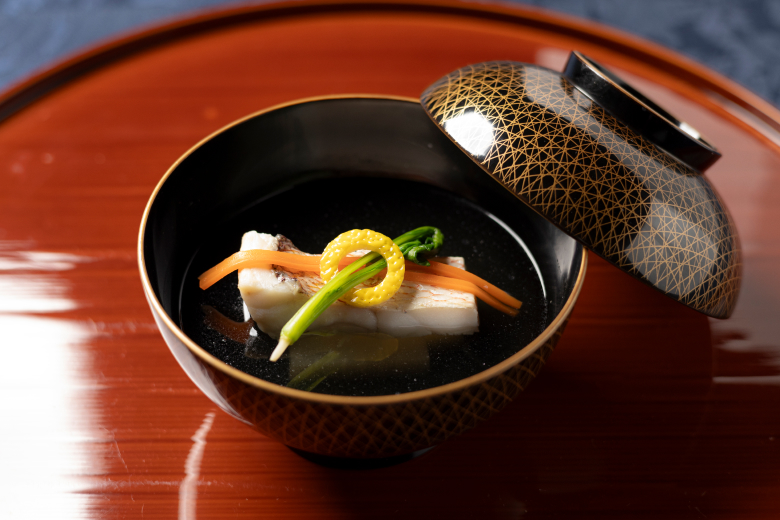
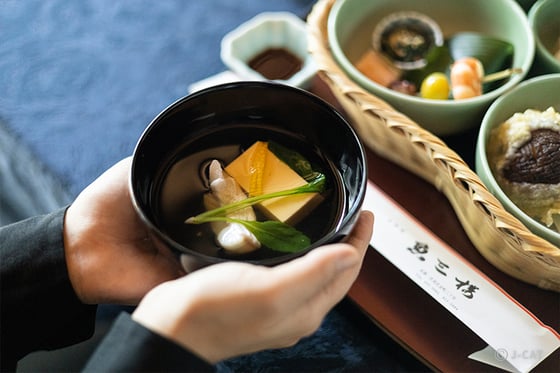
The dishes served in the Wabunka plan use high grade ingredients delivered fresh that day
Thinking about the future of the restaurant, Araki remembers the words of a certain experienced restaurateur. “A cook is someone who cooks. But a chef is someone who creates.” He realized that what he should aim to become was a true chef in the original French sense of the word – the chief of the whole house. Having a heritage of greatness and success comes with a responsibility to continue to perform at the highest level, to provide first class service and excel in all of one’s fields.
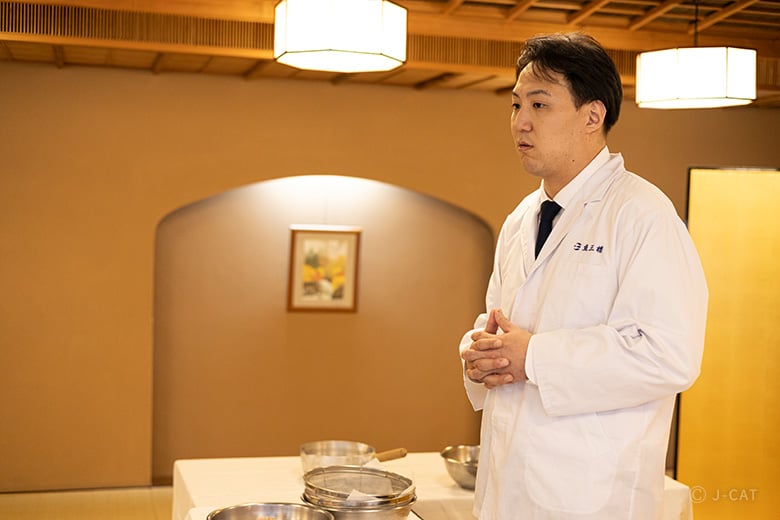
Drawing on a 260-year heritage of Kyoto culinary tradition, Araki also strives to innovate
The ideal as Araki sees it is “a chef who creates new great things suited to the times, while also preserving precious tradition.”
“It’s not easy, but it’s not supposed to be easy. Even when I was still an athlete, I always felt that the joy of striving was in the striving, not the results. When you give something your all and really devote yourself to it, that becomes the whole point unto itself, and the results just come naturally. There is still a lot I want to undertake in order to nurture talent and promote Japanese cuisine, but my focus remains on connecting people to the real charm of Kyoto’s culinary traditions.”
As a passionate and poised young chef taking up the 10th generation mantle of a historic restaurant, determined to lead Kyoto cuisine into the future, it seems safe to say that the real challenges – and triumphs – of Araki’s oeuvre certainly still lie ahead of him.
Uosaburo
Founded in 1794 by its first generation chef Saburobe, Uosaburo miraculously survived the battle of Toba-Fushimi, with bullet holes and sword scars remaining as testaments to the tumult of the time. The restaurant keeps and cherishes the storied culinary traditions of Kyoto while carrying them into the future with modern ingenuity.