Tango Tanimura, a Tea Whisk Master Continuing a 500-Year Tradition
Takayama in Ikoma City, Nara Prefecture, is known for producing tea whisks. The Takayama tea whisk was created in the 15th century at the request of Jukou Murata, who founded the tea ceremony. The second son of the lord of Yamato Takayama Castle invented the whisk, and the technique was passed down to the Takayama family’s retainers, turning tea whisk making into a profession. As the tea ceremony grew in popularity, so did the demand for tea whisks.
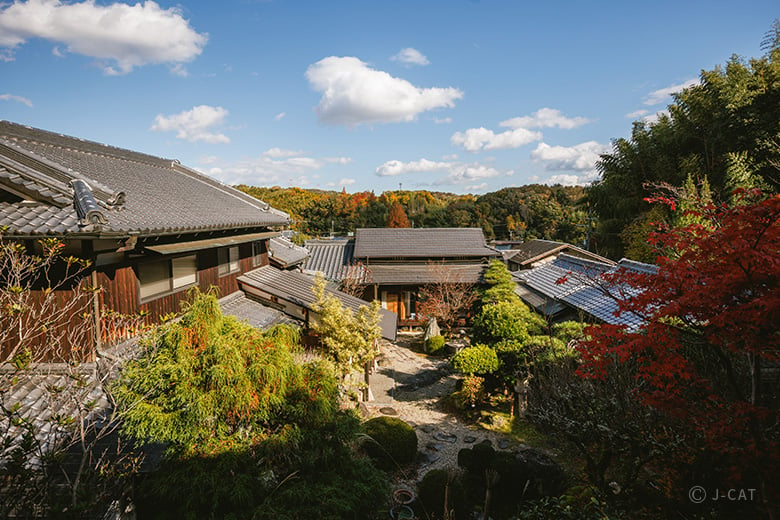
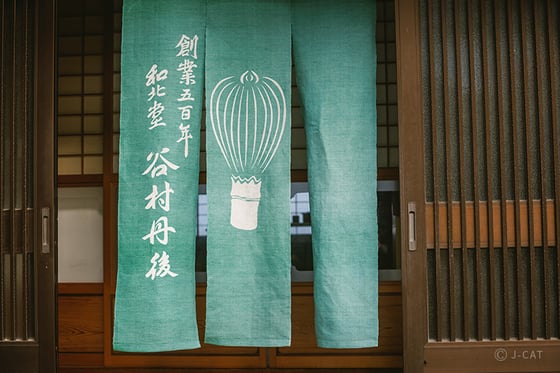
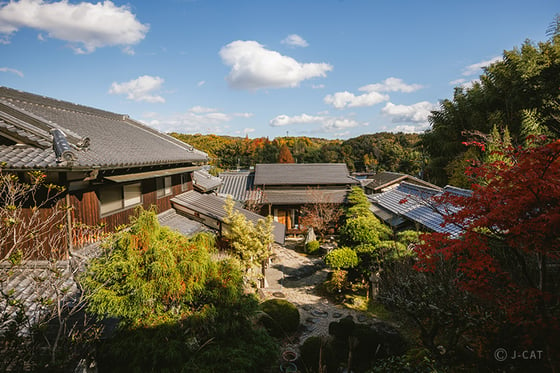
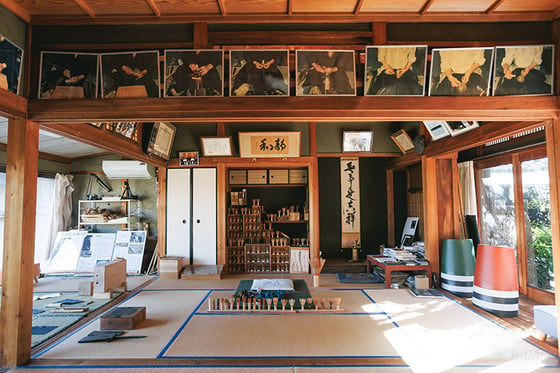
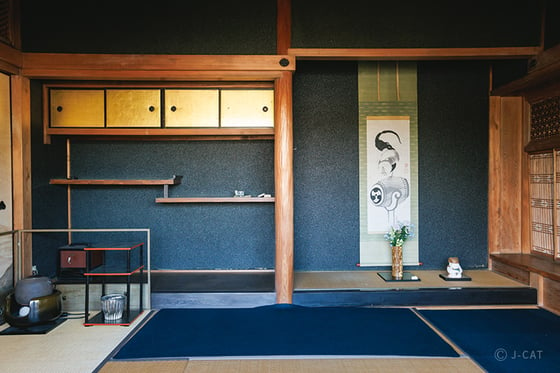
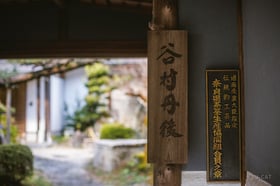
The Tanimura family home in the tranquil countryside of Takayama
During the Edo period (1603-1868), 13 families were designated as tea whisk makers to serve the Tokugawa Shogunate. The Tanimura family, named "Tango," was among them. Today, three of these families, with 16 households in total, still produce over 90% of Japan's domestic tea whisks.
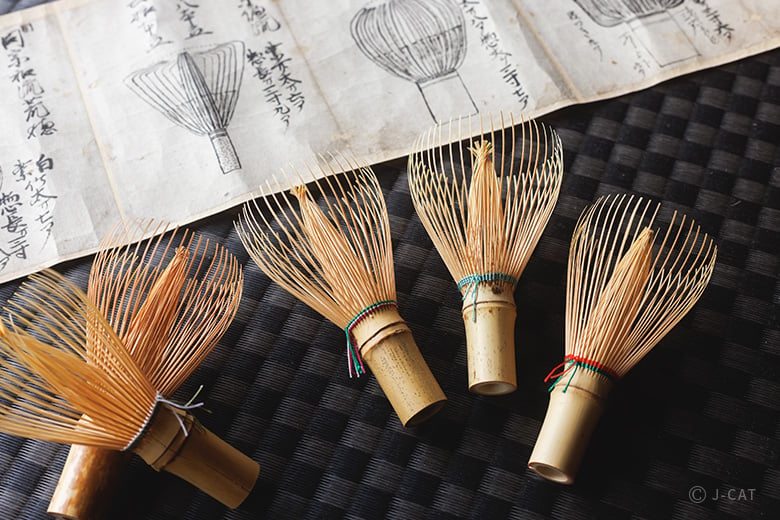
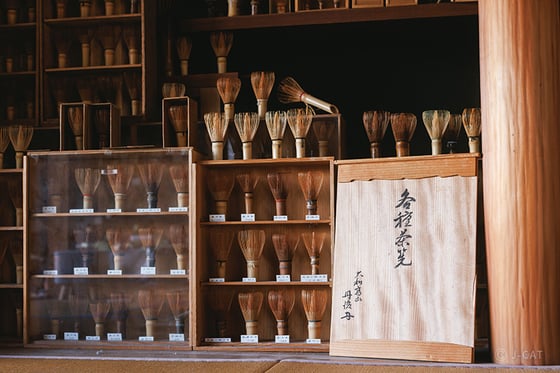
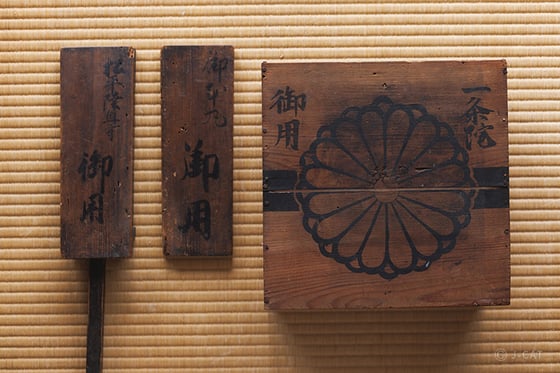
Takayama tea whisks are admired as functional works of art. The Tanimura workshop preserves rare blueprints from the Edo period
Preserving Takayama Tea Whisk Techniques and the Path to Succession
Born in 1964 as the second son of the Tanimura family, Tango Tanimura never expected to inherit the family craft. Traditionally, the Takayama tea whisk technique was handed down from father to eldest son, but this practice has gradually become more flexible. Neither Tanimura nor his older brother were pushed by their parents to take over the family business.
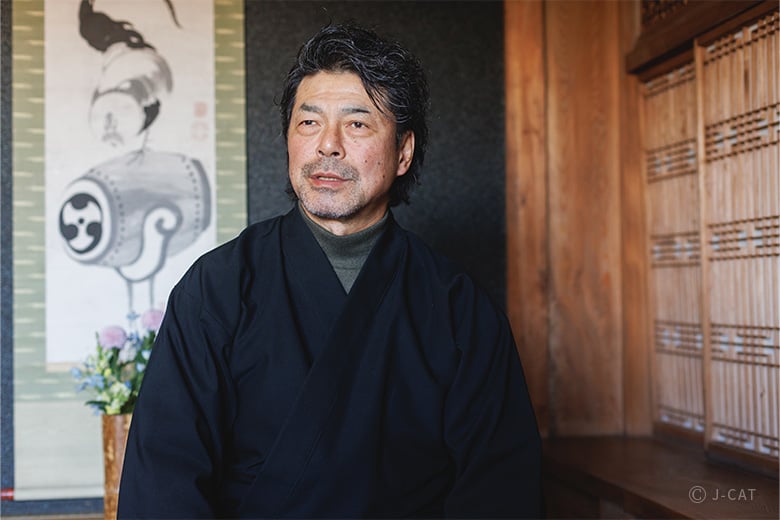
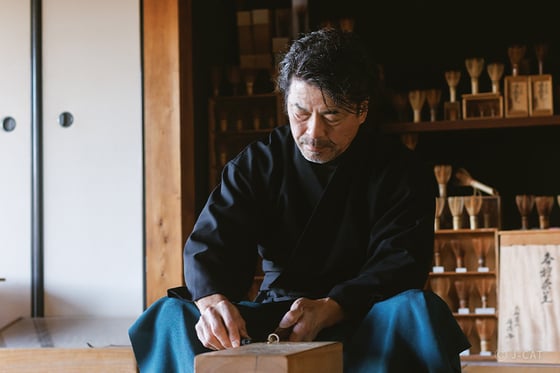
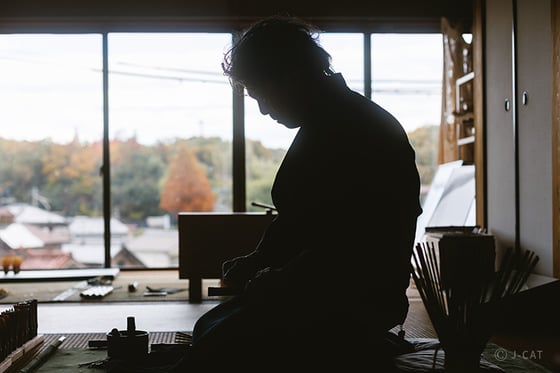
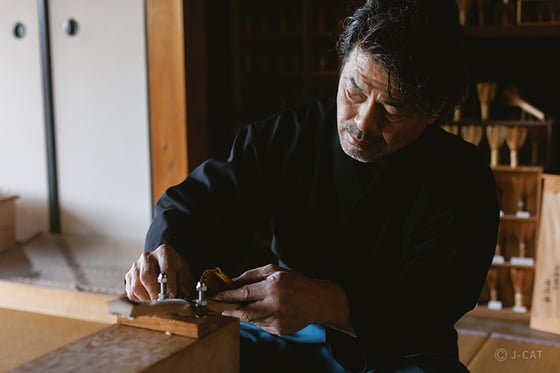
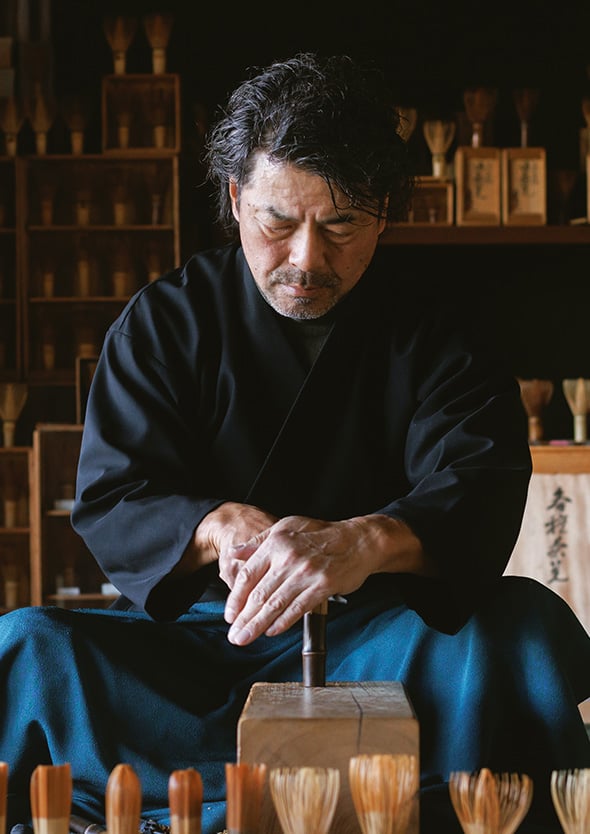
Tango Tanimura, the 20th head of the family. Before leaving his family home, he never imagined he would become a tea whisk maker
After graduating from university, he worked for a company in Osaka and later ran an import store. In his late 20s, he started thinking about his hometown. "I had a comfortable upbringing, and it felt wrong to let the family business fade away. I thought continuing it would make my parents happy." With his older brother choosing a different career, Tanimura decided to carry on the family legacy as the 20th head of Tango Tanimura.
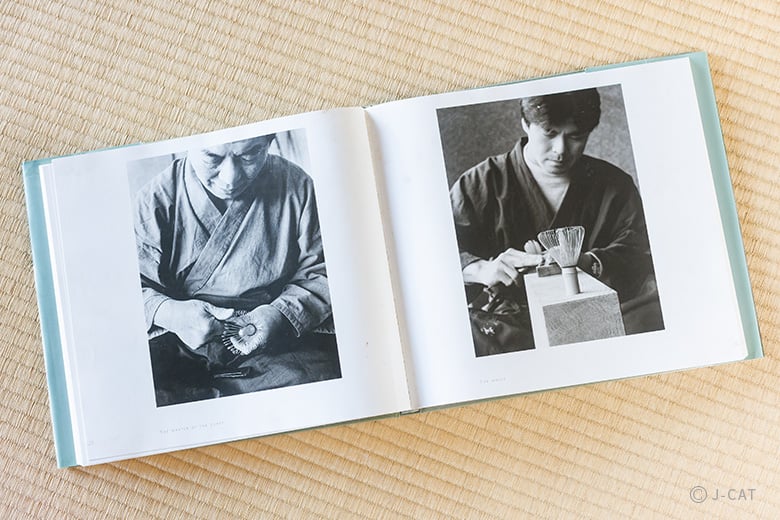
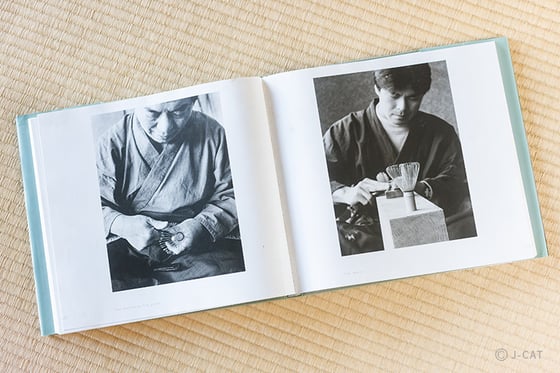
On the left is his father, the 19th generation, and on the right is Tanimura, the 20th generation
He began his training at 29, acquiring a full set of tools and working alongside his father. Though he had no plans to take over, he was always close to the family business from a young age, watching his grandfather and father craft tea whisks. "I thought I could do it right away, but it wasn't that simple. Tea whisk making relies on experience and the feel of your fingertips. The more bamboo you work with, the better you become, and there's no shortcut."
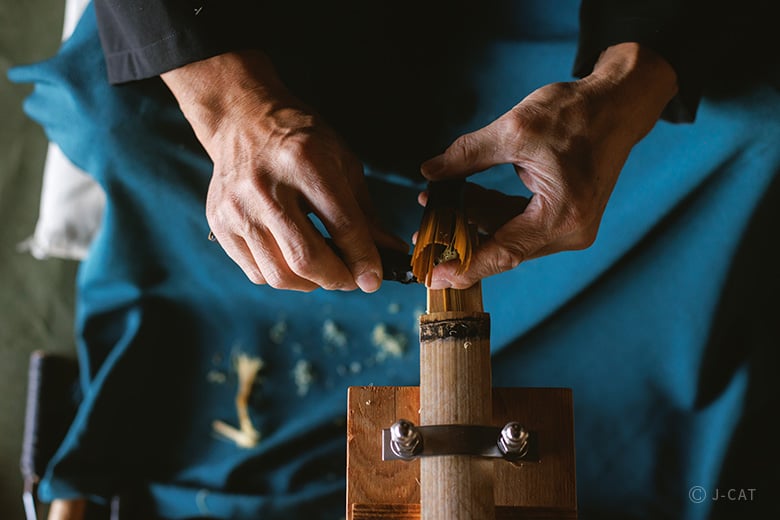
The techniques of Takayama tea whisks are passed down from father to son
In the tea whisk industry, each process is specialized, but as head of the family, Tanimura had to learn every step. His training mostly involved observing his father, not detailed instruction. "At first, the sound of the bamboo didn’t match my father’s," he recalls. It took 10 years to master the basics. "After that, I felt I was entering the advanced stage. There’s no end to learning, and I’m still improving."
Expanding the Role of a Tea Whisk Master in Today’s Open World
Before becoming a tea whisk master, Tanimura explored other industries, an experience he finds valuable today. "It gave me an objective perspective on the family business and the Takayama region. If I had taken over immediately, I would have had nothing to compare it to and might have felt dissatisfied. Knowing the outside world helped me realize how fortunate I was."
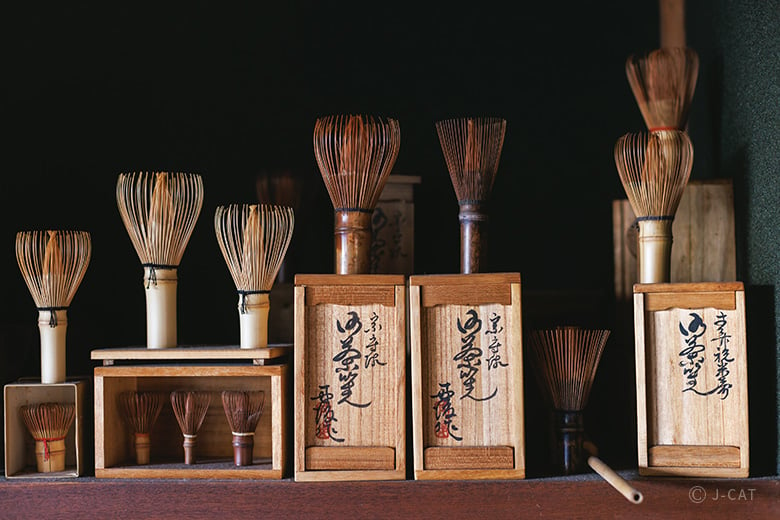
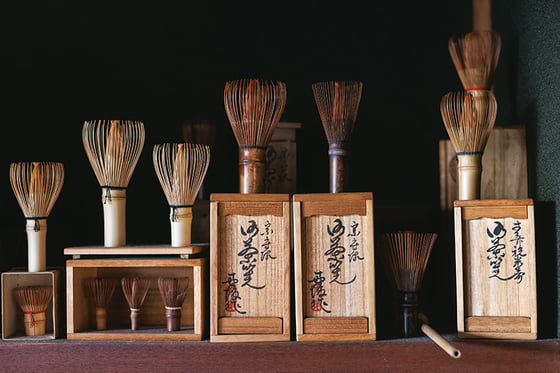
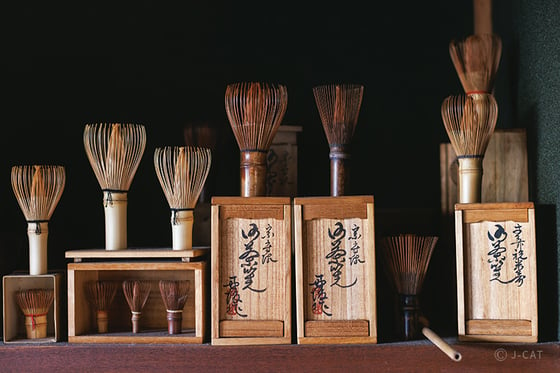
Tea whisks from various schools, made by Tanimura and his predecessors, on display in the workshop
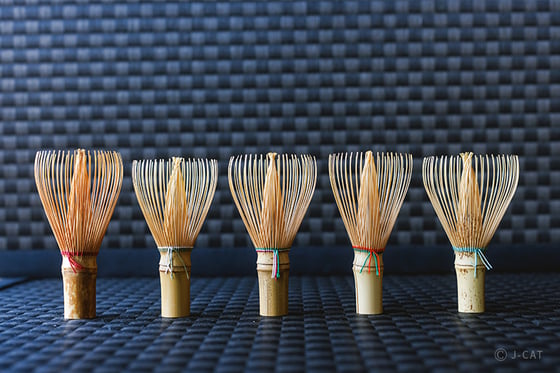
Tea whisk making was once a closely guarded secret. It wasn’t until around 1960, during Tanimura’s grandfather’s time, that information about the craft was gradually shared to elevate the value of tea whisks. Though tea whisks are consumable items, not typically recorded in tea ceremony records, the process is delicate, with each school of tea ceremony influencing the bamboo, shape, and thread color. To raise awareness about this tradition, Tanimura now organizes tours and tea whisk-making experiences for the public.
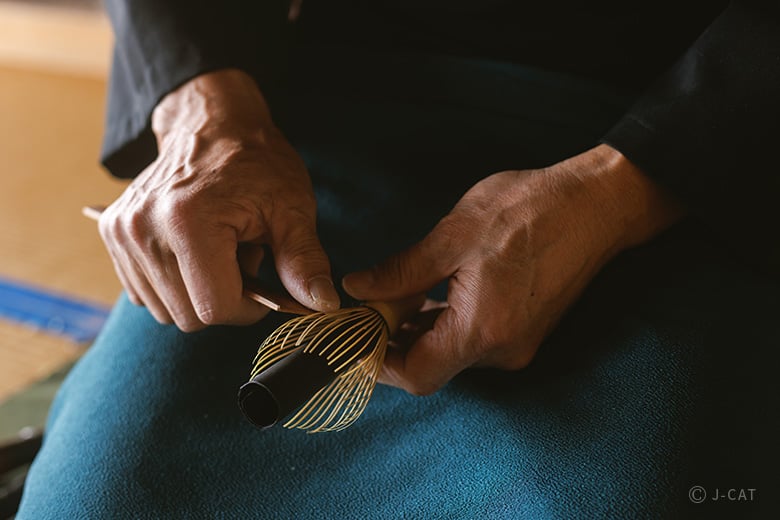
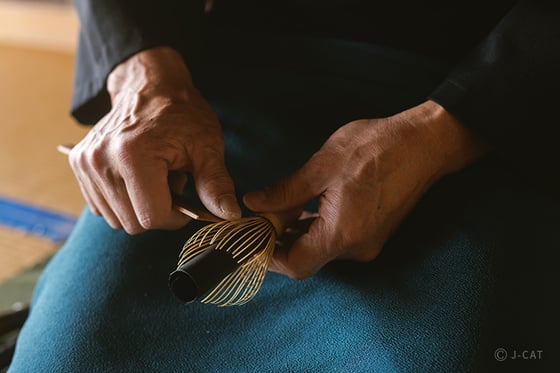
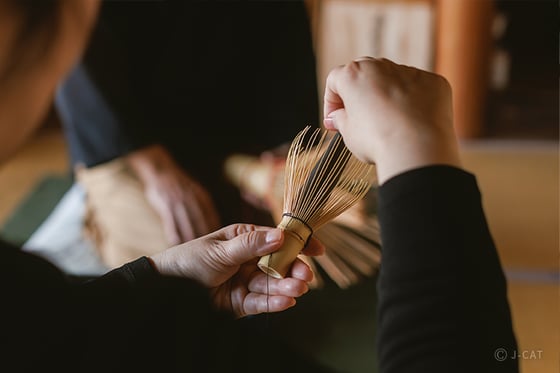
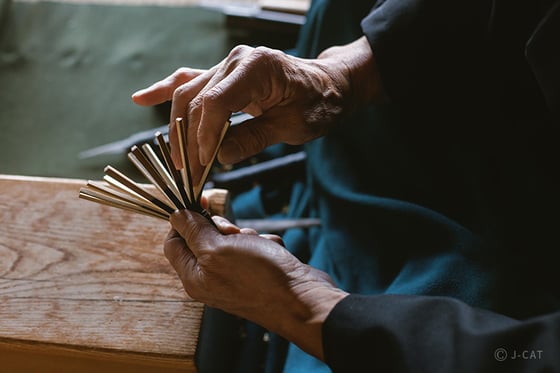
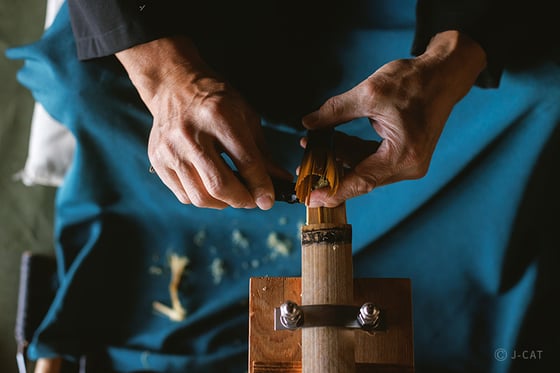
In the "aji-kezuri" process, both sides of the bamboo are carefully shaved to make it thin and flexible
"I do my work as usual, but when I demonstrate for customers, they’re amazed. It’s fun to see their reactions, and it’s rewarding when they’re happy with what I show them. In my grandfather’s time, people made tea whisks in silence, never showing their work. Now, I’m grateful for the people who want to see it. In the future, I’d love to share my craft with more people abroad."
Good Craftsmanship Comes from Understanding the User
Tanimura believes a tea whisk maker isn’t an artist but a toolmaker. However, he emphasizes the importance of seeing things from the user's perspective. "I realized I couldn't make something truly good without using it myself, so I decided to learn the tea ceremony. About 70% of tea whisks sold in Japan are made abroad. They’re cheap, but they don’t match the quality of Takayama whisks because they're made by people who’ve never actually used them, just copying what they see."
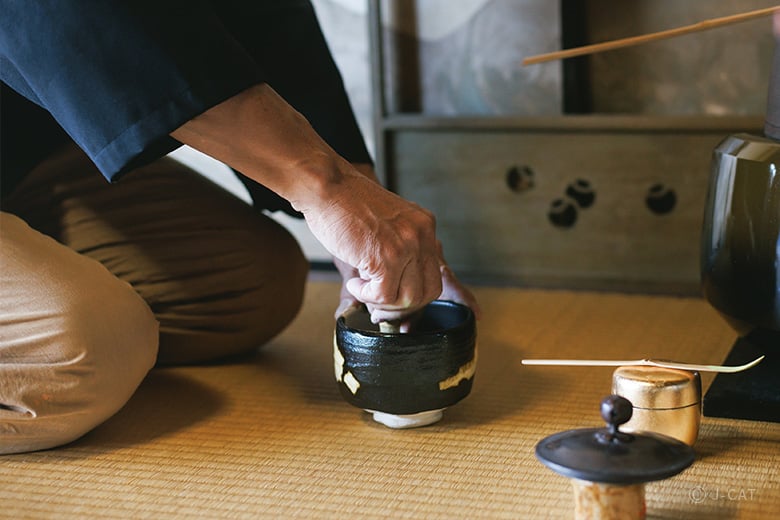
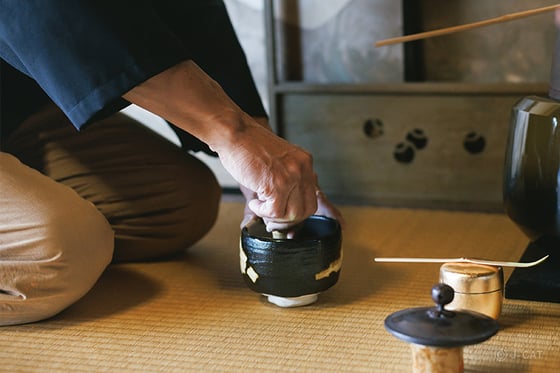
By making tea yourself, you can understand the user’s perspective
To understand the craft better, Tanimura practiced the tea ceremony at the Urasenke school for about two years. He also began using the detached tea room built by his grandmother, who loved tea. As part of the Wabunka experience, after making your own tea whisk, you can enjoy a tea ceremony with Tanimura and learn how to make finely textured matcha.
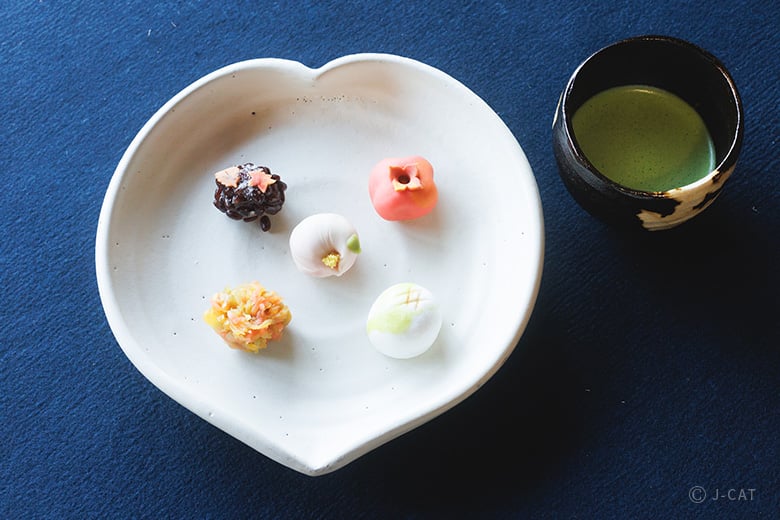
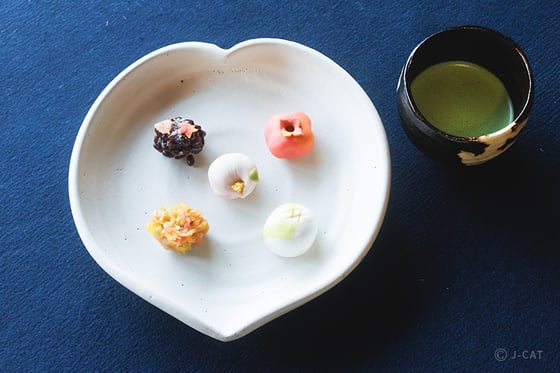
In the Wabunka experience, enjoy matcha made with the highest quality tea whisk, paired with fresh sweets from a local Ikoma City confectionery
"Only a small percentage of Japanese people drink matcha daily. While some say tea consumption is declining, I think there's potential for growth. If more people became familiar with matcha, the market for tea whisks could expand."
A Daily Cup of Tea and the Beauty of Utility
Every morning, Tanimura makes tea to check the comfort of his tea whisk. He says this routine helps set the tone for his day. "Spending a few minutes making tea helps me focus, and a cup of matcha gets me in the right mindset. I recommend adding 'morning matcha' to your daily routine."
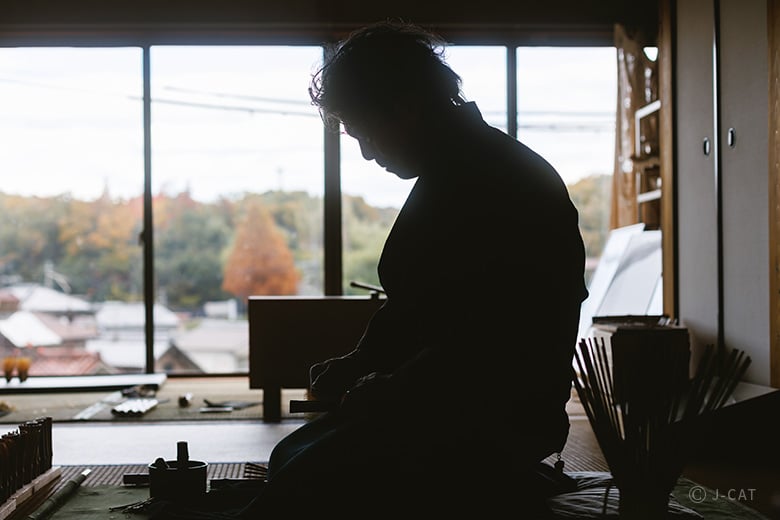
Making tea whisks today for the people who will use them tomorrow
Tanimura's customer base has expanded, thanks to the "matcha boom," bringing in a younger crowd and international customers. Despite this, the shape and crafting methods of tea whisks have remained nearly unchanged for 500 years.
"Since ancient times, a good tea whisk has been known for its strength, flexibility, and ability to foam matcha easily. I want people abroad to experience high-quality Japanese tea whisks and the deliciousness of tea made with one. My goal is to keep improving the tea whisk’s ease of use." As the 20th-generation owner, Tanimura is dedicated to sharing the joy of using Takayama tea whisks and the beauty of tea.
Wahokudo Tanimura Tango
The Tanimura family, known as "Tango" tea whisk makers for the Tokugawa Shogunate, has preserved over 500 years of tradition. Tanimura Tango, the 20th generation, took on the name in 2006 and works as a tea whisk maker for the Urasenke and Mushakojisenke schools. In 2015, he was certified as a traditional craftsman by the Minister of Economy, Trade, and Industry. To share the beauty of tea whisks, he holds workshops and experience sessions, opening up the family's skills to the public.