A Private Pilgrimage to a Sacred Mountain Temple in Southern Kyoto: Walk an Ancient Ascetic Trail with the Vice Head Priest


Overview
Mt. Kasagi is a hidden mountain retreat just 90 minutes from Kyoto Station. Surrounded by dense forest, Kasagidera Temple has been a site of Shugendo, a tradition of mountain asceticism, since ancient times. Visit this ancient, tranquil temple and follow its ascetic trail with private guidance from the vice head priest and an accompanying interpreter. Admire the Buddhist reliefs (Magaibutsu) carved directly into giant megaliths, and take in sweeping views from the mountain. This rare experience offers a chance to encounter Buddhist culture and the distinctive mountain landscape of Japan.
Key Features
- This spiritual experience is available as a private tour exclusively through Wabunka
- Guests visit a rare mountain temple in southern Kyoto known for its massive rock formations, encountering its natural landscape and centuries of Buddhist history
- Accompanied throughout by the vice head priest and an interpreter, guests can ask questions and learn about the temple’s history and teachings through personal conversation
- At this historic site of Shugendo practice, guests receive a purification ritual before following the temple’s ascetic trail, with time for personal reflection along the way
*Visitors may also be interested in these other similar plans:
A Private Evening at a Sacred Mountain Temple in Southern Kyoto: Craft Prayer Beads and Meditate After Dark
Private E-Bike Tour in Southern Kyoto: Mountain Trails, a Sacred Temple & Samurai Legends

Details
Beyond the City Crowds: A Sacred Mountain of Megaliths and Nature Worship
Located 70 to 90 minutes south of Kyoto Station and 70 to 100 minutes east of Osaka Station by car, Mt. Kasagi rises amid tranquil, idyllic countryside. With few tourists, the area offers a striking contrast to the busy downtown districts and major sightseeing destinations of Japan’s cities.
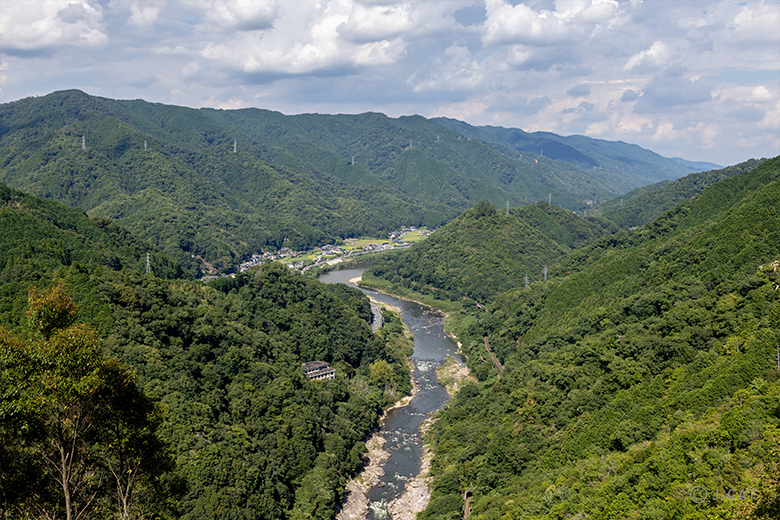
The setting for this experience is Kasagidera Temple, located near the summit of Mt. Kasagi (on-site meeting). We recommend arriving by taxi from Kyoto Station, Nara Station, or Kizu Station (a private chauffeur service between Kyoto Station and Kasagidera Temple is also available upon request). Enjoy views of the Kizu River and surrounding mountains as the road winds uphill through the forest to this secluded mountain temple.
The temple’s origins trace back to the Asuka period (593–710). It shares deep historical ties with Todaiji Temple in Nara, famous for its Great Buddha, and the mountain later became the site of a major political conflict in medieval Japan.
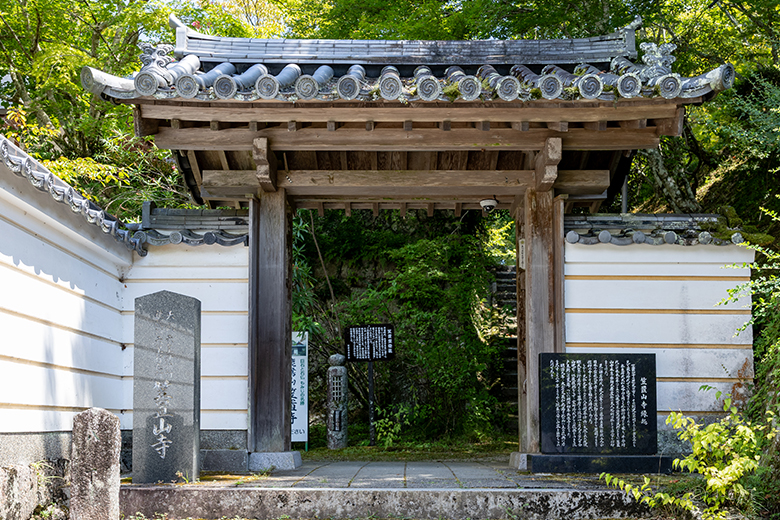
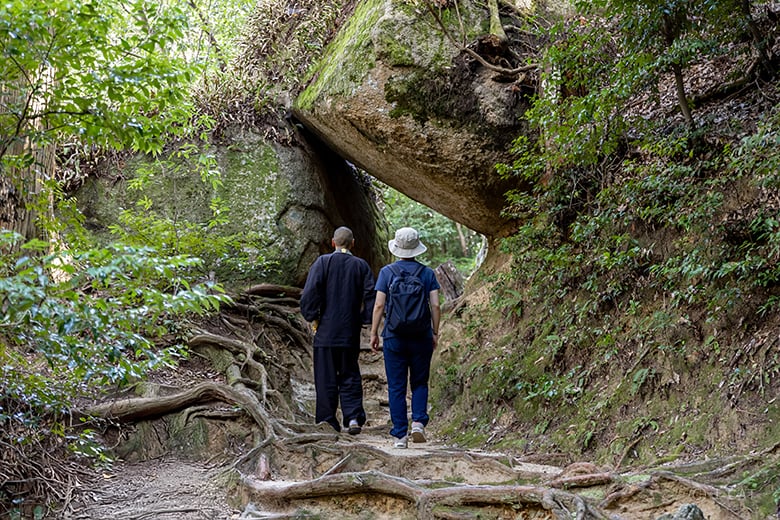
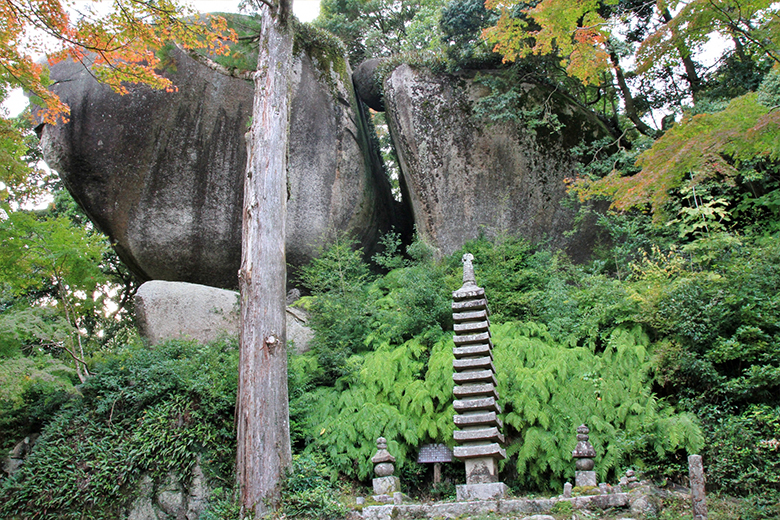
Formed by uplifted granite, Mt. Kasagi is dotted with enormous boulders that have been objects of worship since ancient times. As a site of Shugendo, a tradition combining mountain worship with ascetic practice, it once drew monks seeking spiritual training. Today, a one-hour route based on these historic training paths winds between massive rocks and megaliths, with opportunities to pay respects to cliff-carved Buddhist images, including the main deity, Miroku Nyorai.
Purification of Mind and Body: Following the Ascetic Trail
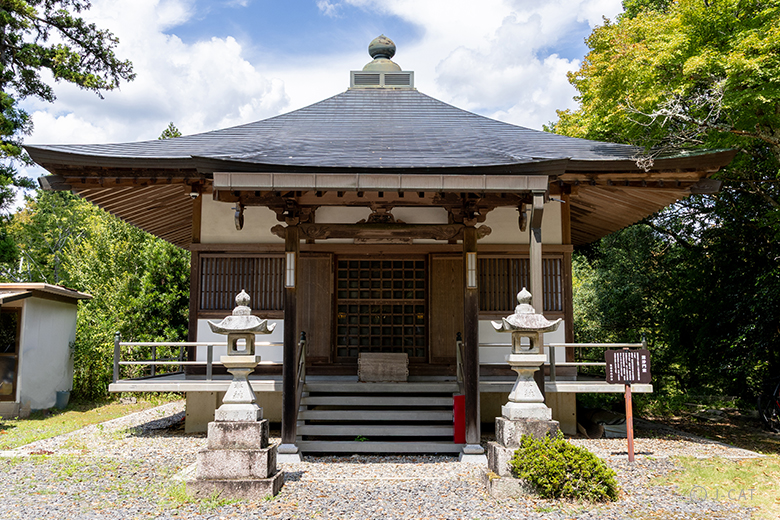
Upon arrival at Kasagidera Temple, you will be welcomed by Vice Head Priest Keiga Kobayashi. As part of this Wabunka-exclusive experience, the priest and an interpreter will accompany you throughout the entire experience. The journey begins at the Bishamondo Hall, where guests are granted special private access to view the sacred, normally hidden statue of Bishamonten.
Vice Head Priest Kobayashi introduces the temple's history, explaining how the worship of giant stones on Mt. Kasagi dates back to the Yayoi period (c. 800 BCE–300 CE), recounting the legend of the temple’s founding, and describing its medieval peak, when numerous halls and other buildings stood across the mountain.
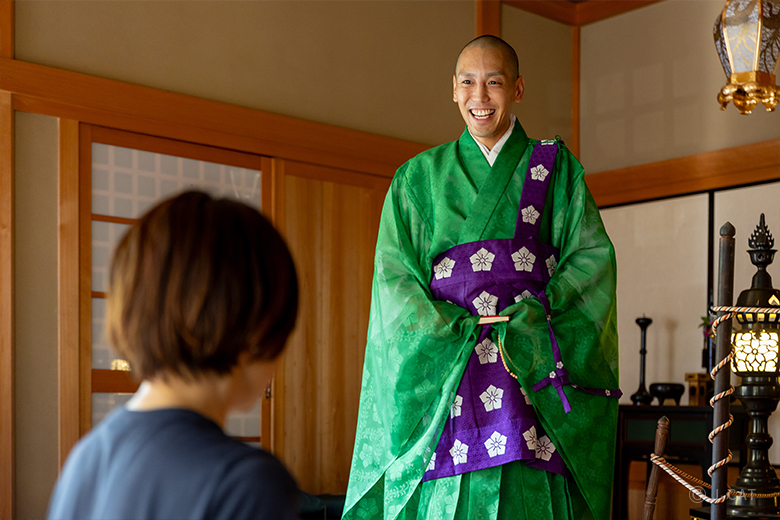
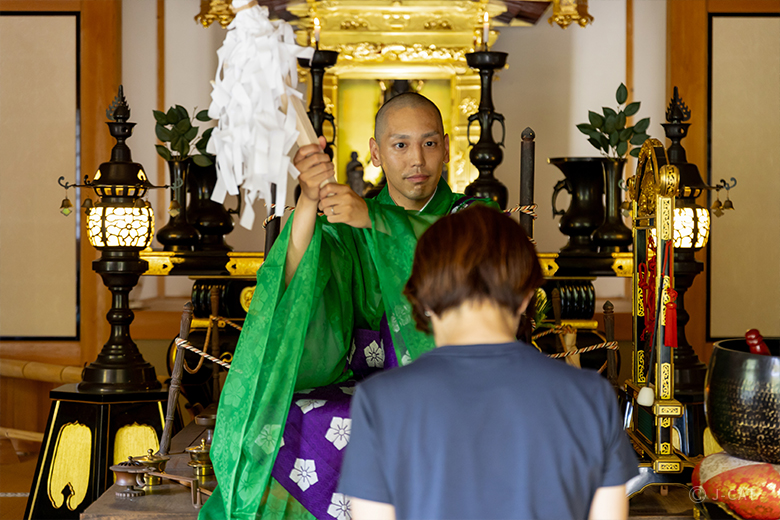
Before setting out along the ascetic trail, you will take part in a traditional purification ritual known as yakubarai. Prayers and sutras are first offered to Bishamonten, a deity believed to have been cherished as a guardian statue (Nenjibutsu) by medieval samurai warriors. The vice head priest then waves an onusa (a sacred wooden wand with paper streamers) to symbolically cleanse your mind and body of impurities.
Along the Ascetic Trail: Cliff-Carved Buddhas and Massive Rock Formations
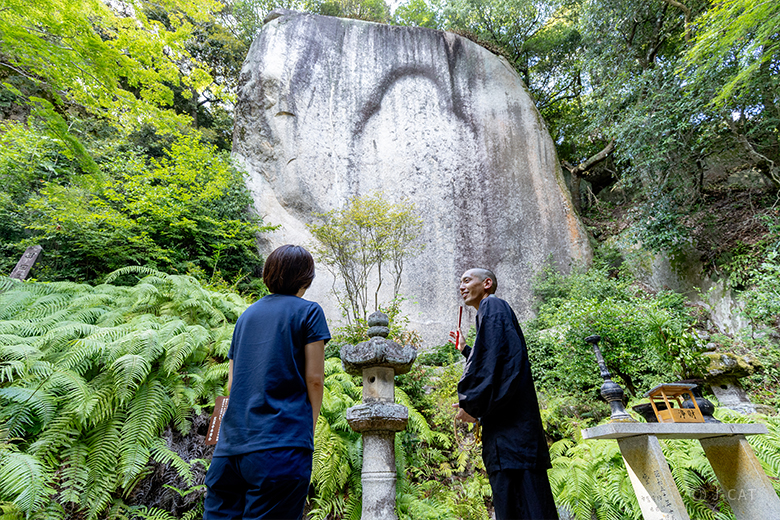
Shortly after setting out, the 15-meter-high rock face bearing the remains of the temple's principal image, Miroku Nyorai, comes into view. Standing approximately 15 meters tall, the statue is surrounded by giant trees and dense foliage. Although the full form of the figure was lost to medieval wartime fires, the deeply engraved halo (kohai) remains and conveys the image's former grandeur.
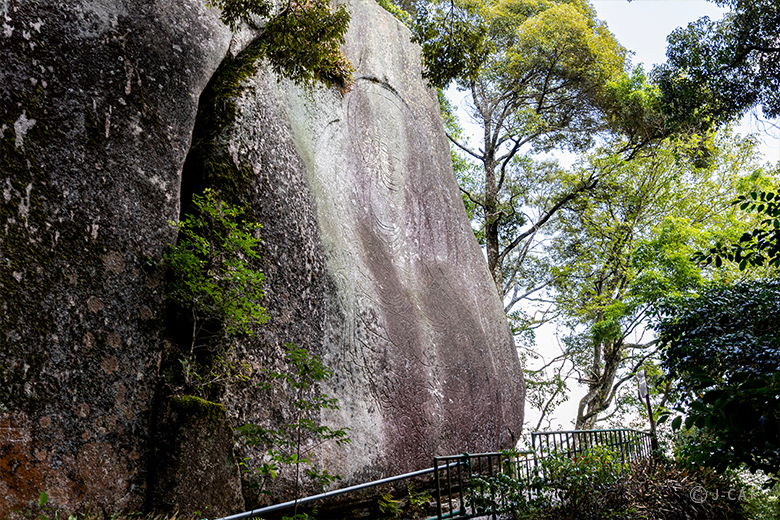
From here, the path becomes steeper, transforming into a rugged trekking trail. Near the Senjokutsu cave, which is closely associated with the construction of Todaiji’s Great Buddha Hall in Nara, stands an image of Kokuzo Bosatsu (Akasagarbha). Carved onto a 12-meter rock face around the late 8th to 9th centuries, this 9-meter-high image features beautifully preserved, flowing lines. Local tradition holds that touching the stone enhances memory.
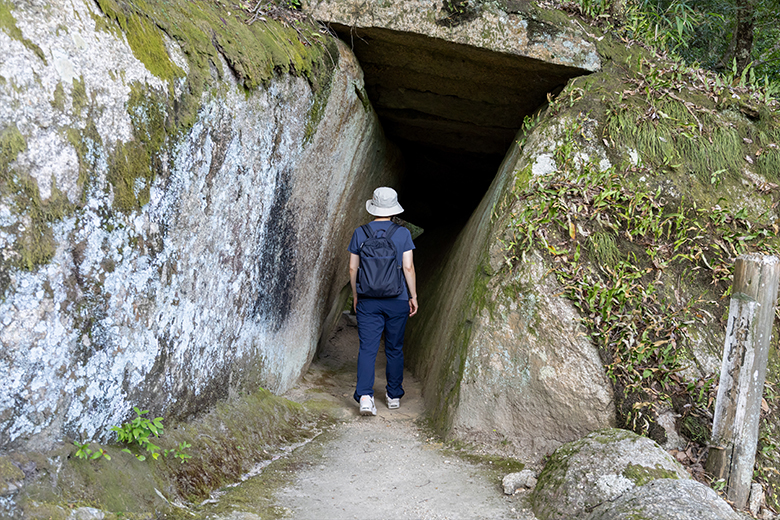
Continuing onward, you will reach the Tainai-kuguri ("womb passage") cave, where ascetics once purified themselves. The cave once served as the starting point for ascetic training. Because Mt. Kasagi has no waterfalls suitable for waterfall purification, passing through the cave came to symbolize entering the mother's womb and being reborn anew.
Geological Curiosities and Panoramic Mountain Vistas
Past the Tainai-kuguri cave, the trail passes several unusual rock formations, including the Taiko-ishi (Drum Stone), which produces a hollow thumping sound when struck, and the Yurugi-ishi (Rocking Stone), a massive boulder that sways with human force. Reaching the primary vantage point, cool mountain breezes sweep across natural forests as you look down upon the meandering Kizu River and the rolling Kasagi mountain range below.
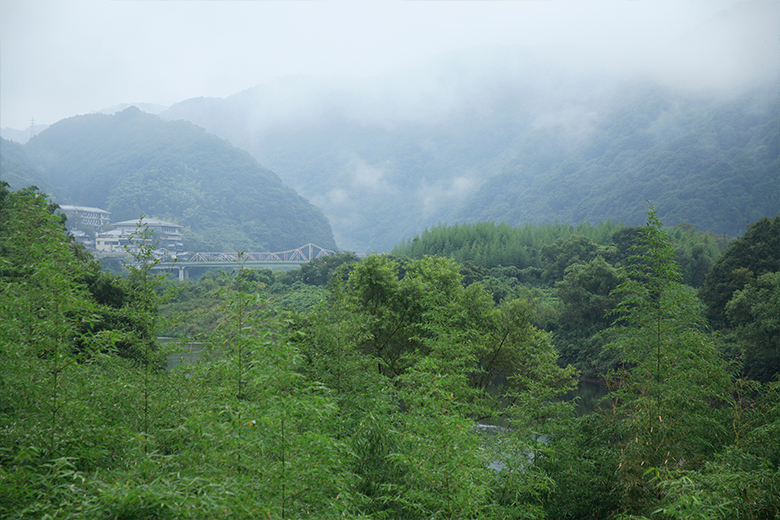
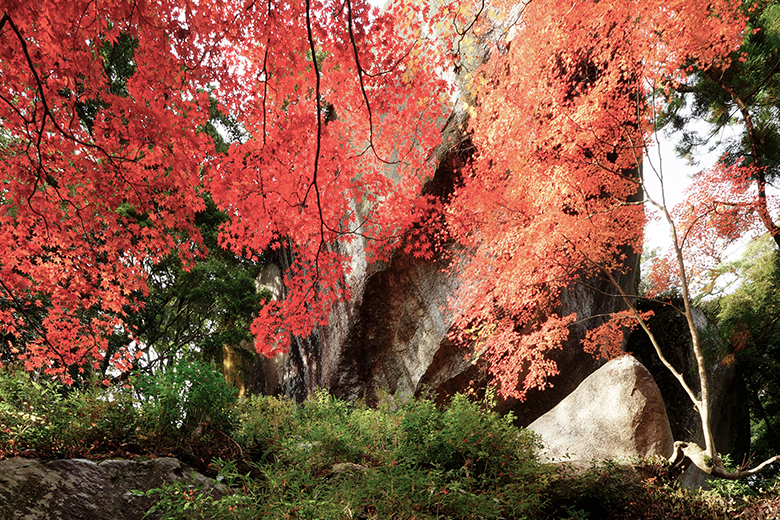
Ascending further up the steep trail toward the summit, you will visit historic medieval sites, including the Ninomaru Ruins (where Emperor Go-Daigo is believed to have established a stronghold in the 14th century) and the Anzaisho Ruins (believed to be his temporary residence). Nearby lies Momiji Park, home to about 80 maple trees which bring seasonal color from the fresh greenery of spring to the lush leaves of summer and brilliant autumn foliage.
Connecting with Buddhist Traditions and Inner Fulfillment
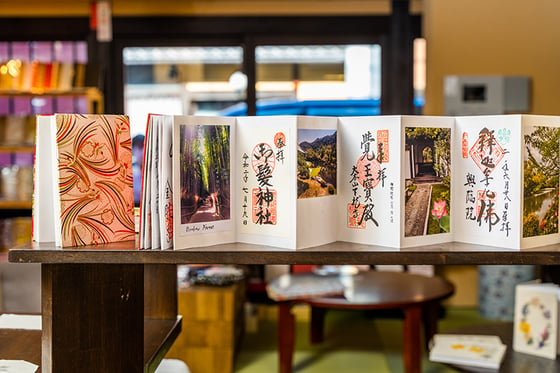
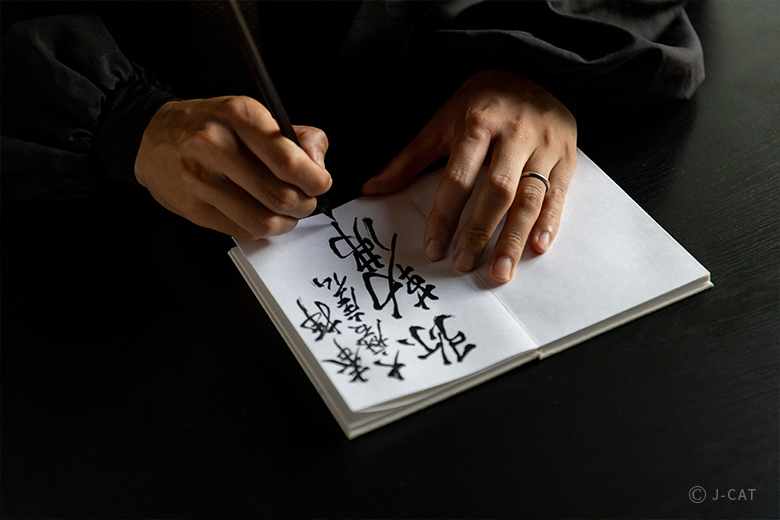
After approximately one hour of walking the ascetic trail and paying respects to the cliff-carved Buddhas, your journey draws to a close. Passing the Daishido Hall, you will return to the main temple quarters for a refreshing cup of Japanese tea. The experience concludes with Vice Head Priest Kobayashi presenting you with a sacred goshuin, or temple stamp.
*The "Miroku Butsu" goshuin shown in the photos can be purchased on-site (cash only).
*Guests who own a goshuin stamp book (goshuincho) are encouraged to bring it along.
As the vice head priest shares legends surrounding the megaliths and stories from the temple’s history, you can reflect on the Buddhist teachings associated with the mountain. Time spent walking the ascetic trail offers a chance to step away from everyday life and reflect on what matters personally.
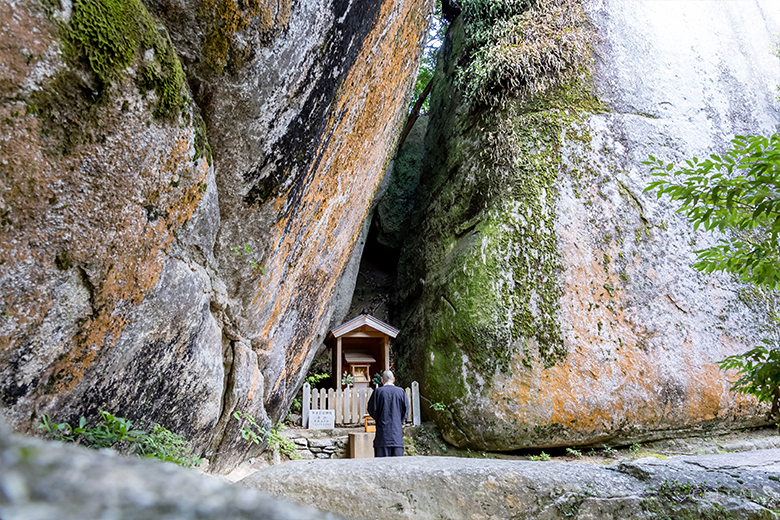
Far removed from Kyoto’s better known temples, Kasagidera Temple offers a different perspective on Buddhist practice, with centuries of history and a dramatic mountain landscape. At this secluded sanctuary on Mt. Kasagi, step away from the city and spend time walking, reflecting, and learning about the traditions of the mountain.
Shikasagizan Kasagidera Temple
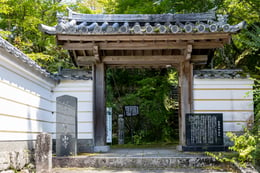
Shikasagizan Kasagidera Temple
Kasagidera is a Shingon Buddhist temple on Mt. Kasagi, at the southern edge of Kyoto Prefecture. According to the Konjaku Monogatarishu, a 12th-century collection of tales, the mountain got its name when a son of Emperor Tenji placed his hat (kasa) there. The grounds include an ascetic trail once walked by Shugendo mountain ascetics, and the temple is known for its autumn leaves and for the seas of clouds visible from near the summit from autumn into early winter.
Location

Kasagidera Temple
Soraku-gun, Kyoto

Request for booking
Select first preferred date (JST)
October 2026
Sun
Mon
Tue
Wed
Thu
Fri
Sat
Instant Booking
Request Booking

17
Full

17
Unavailable
- Instant Booking: Your reservation is confirmed immediately upon payment.
- Request Booking: You will receive confirmation after the host reviews your request.
If your preferred dates are not available, you can explore recommended experiences or .

Kyoto

110 mins


English-speaking guide included

Cancel free up to 2 days prior
Things to Know
Price
Maximum number
Experience itinerary
Payment
Booking deadline
Cancellation policy
Guest requirements
Clothes
Things to Bring
Further remarks
Contact Us
If you have any questions, please contact us using the form below.
We also accept bookings from corporate clients and travel agencies.
Recommended Experiences
Explore by Destination & Theme

You Might Also Like










Last Minute Availability