Tour Dazaifu Tenmangu in Fukuoka with a Shinto Priest and See Its Contemporary Art with a Curator


Overview
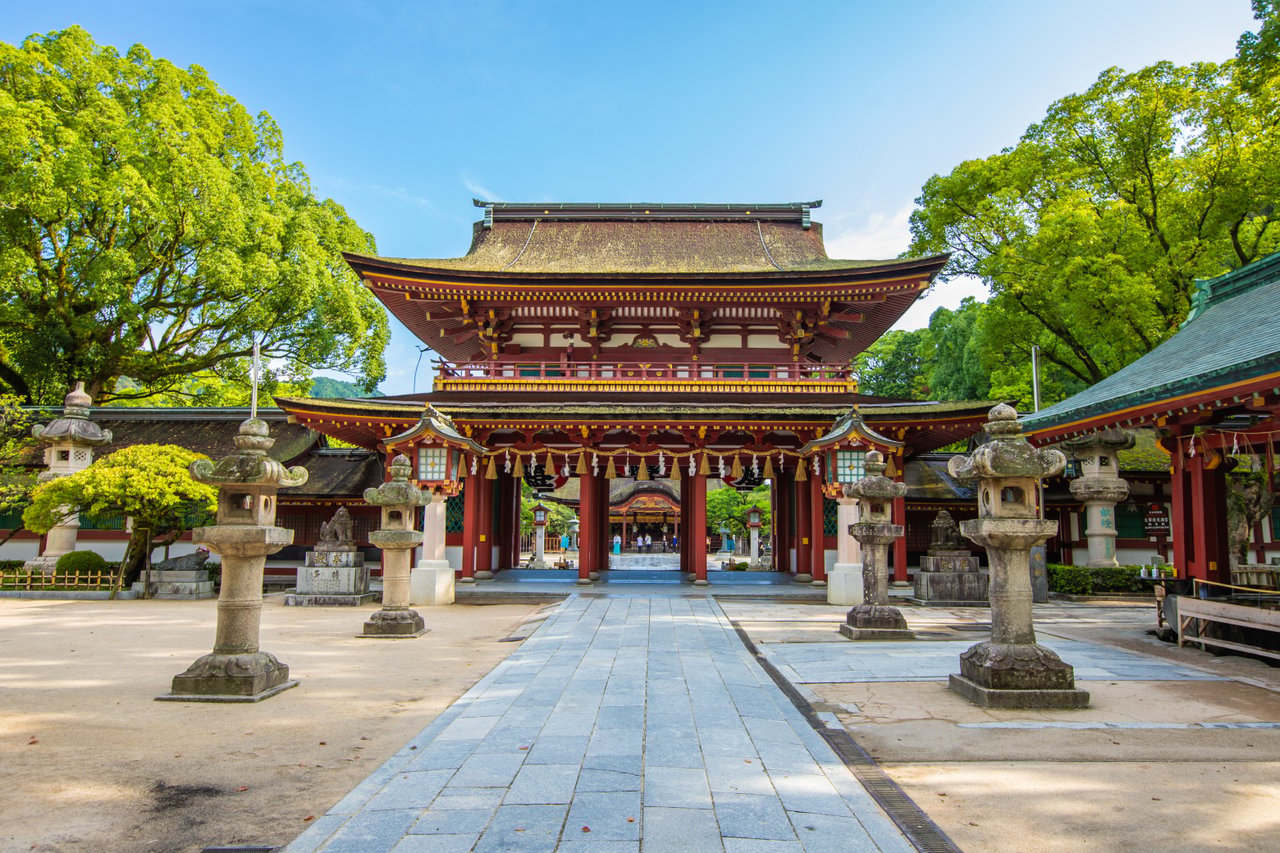
Visit Dazaifu Tenmangu in Fukuoka, the head shrine of Japan's Tenmangu shrines and the shrine dedicated to Sugawara no Michizane, the scholar revered as the god of learning. On this private tour, a Shinto priest introduces the shrine's traditions and an art curator guides you through its contemporary art. You will also take part in seishiki sanpai, a formal prayer ritual, and enjoy tea with local sweets before receiving a commemorative gift to take home.
Key Features
- Discover Dazaifu Tenmangu, where history meets contemporary art, guided by the dual perspectives of two experts
- Take part in seishiki sanpai, the formal paying of respects when visiting a Shinto shrine, gaining firsthand insight into sacred etiquette and the living religious traditions of the shrine
- Exclusively through Wabunka, guests can enjoy expert commentary on contemporary art, tea with specialty Umegae mochi alongside a shrine priest, and a special commemorative gift
Details
The Sacred Cultural Heritage of Dazaifu and the Tenmangu Shrines
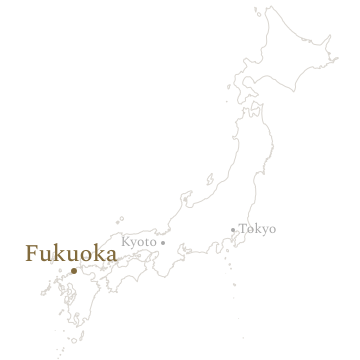
Dazaifu, less than an hour from central Fukuoka, has a history stretching back more than 1,300 years. As northern Kyushu’s gateway to Asia, it was once a major center of government, diplomacy, and international exchange. Here stands Dazaifu Tenmangu, one of Japan's foremost Shinto shrines and the head shrine of some 10,000 Tenmangu shrines nationwide. The shrine honors Sugawara no Michizane, a scholar, poet, and politician of the Heian period (794–1185), who is revered as Tenjin, the deity of learning.
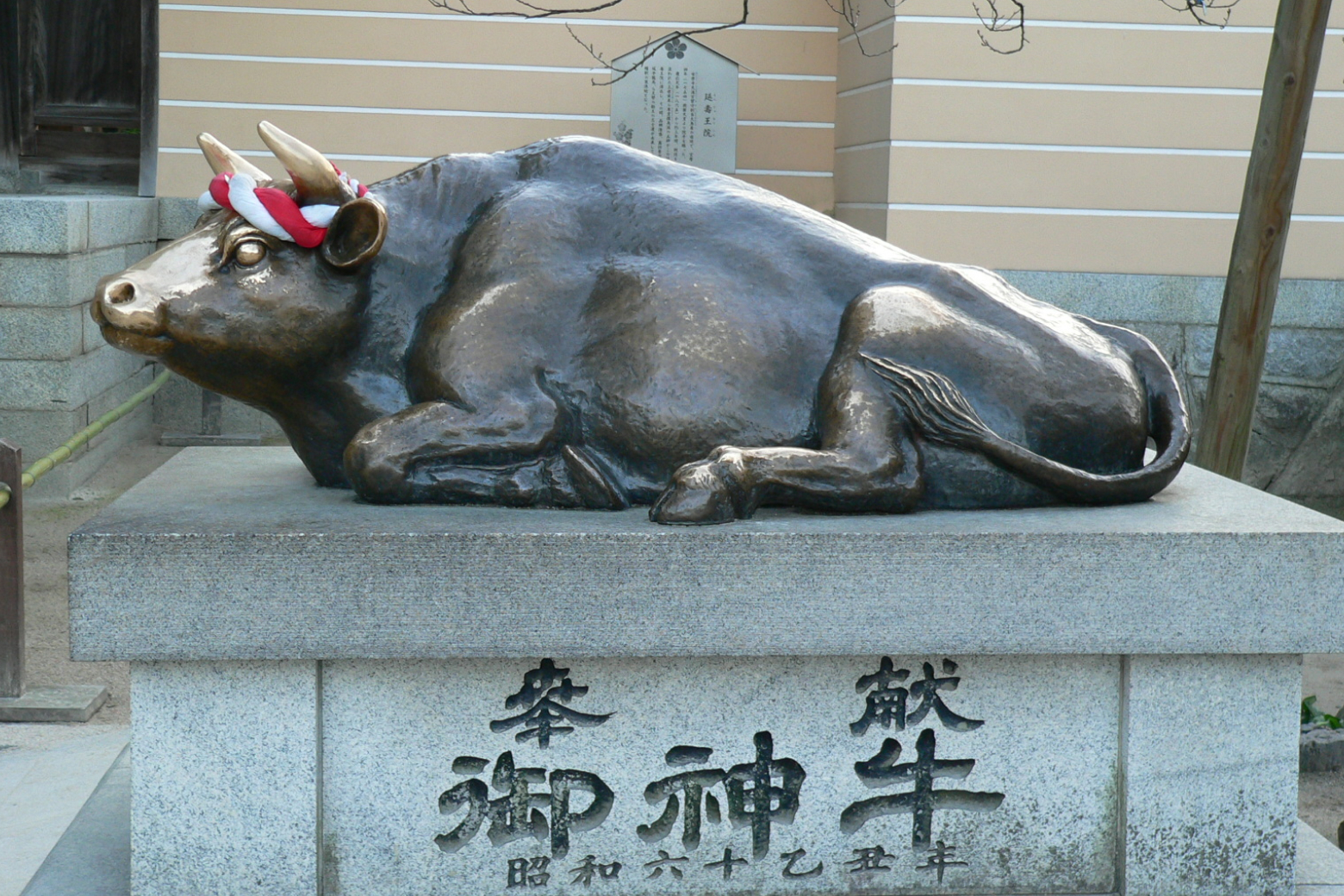
After being exiled from Kyoto, Michizane spent his final years in Dazaifu. According to shrine tradition, when he died in 903, the ox pulling the cart carrying his body stopped and refused to go any further. He was buried on that spot, and the shrine’s main sanctuary stands there today.
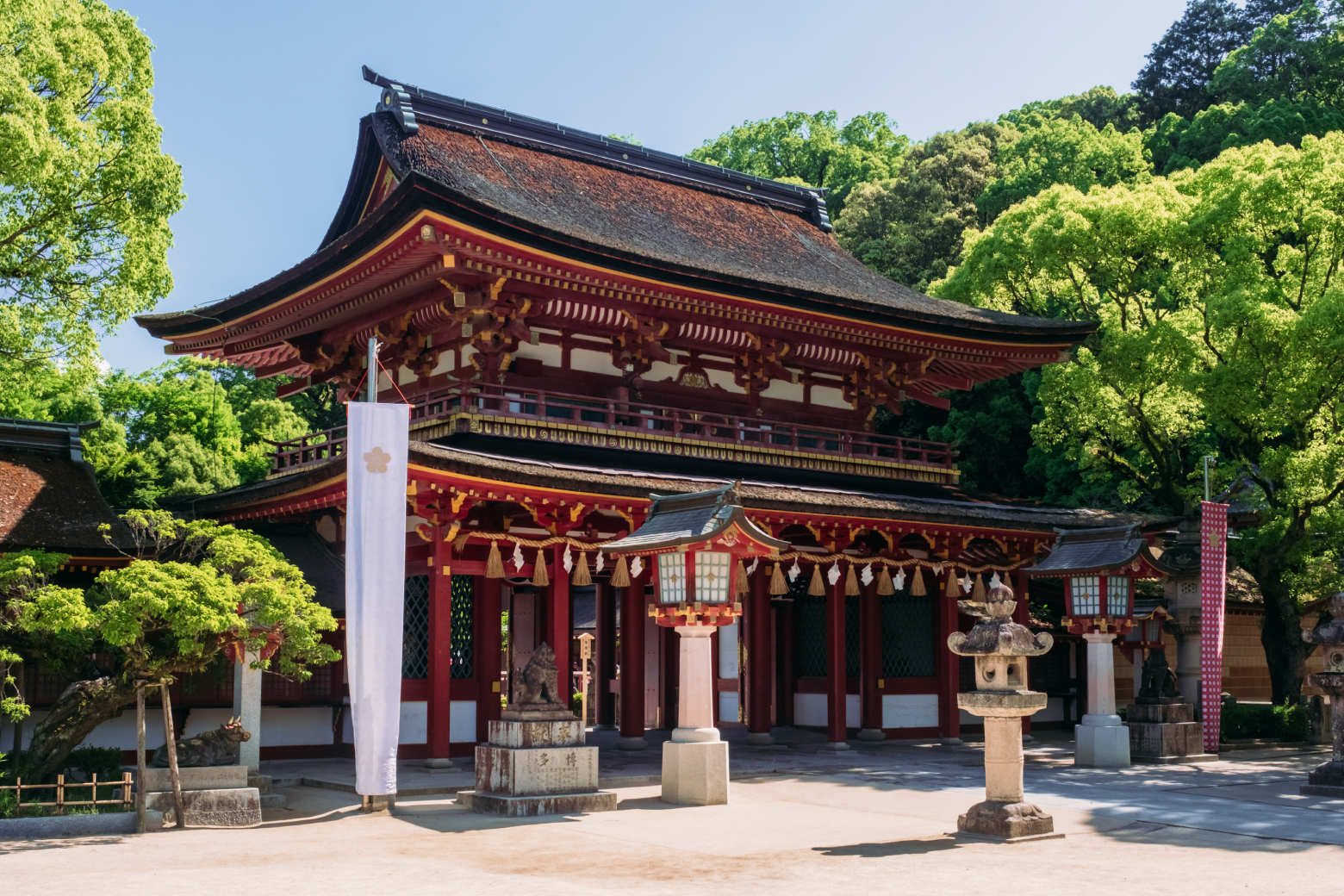
The shrine has been overseen by Michizane's descendants for generations, and the current chief priest is the 40th to hold the position The main sanctuary, rebuilt in 1591, is designated an Important Cultural Property of Japan.
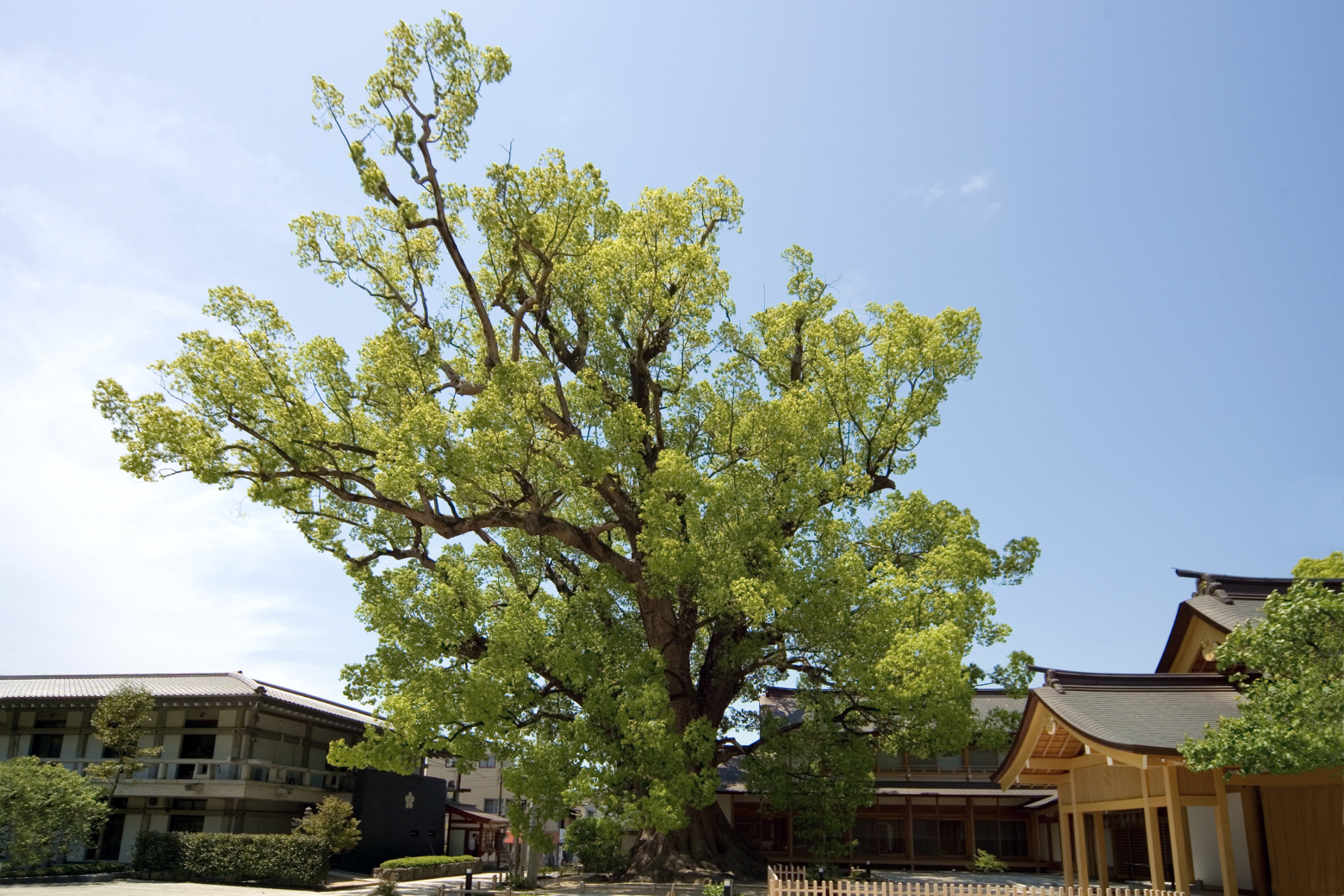
Michizane's legacy is also reflected in the shrine's natural surroundings. Among its most cherished features is the sacred Tobiume, or "flying plum," said to have followed him from Kyoto. Today, plum trees, ancient camphor trees, and other seasonal greenery give the shrine grounds their distinctive natural character.
Guided by a Shinto Priest, Explore the Shrine and Pay Respects in the Main Sanctuary
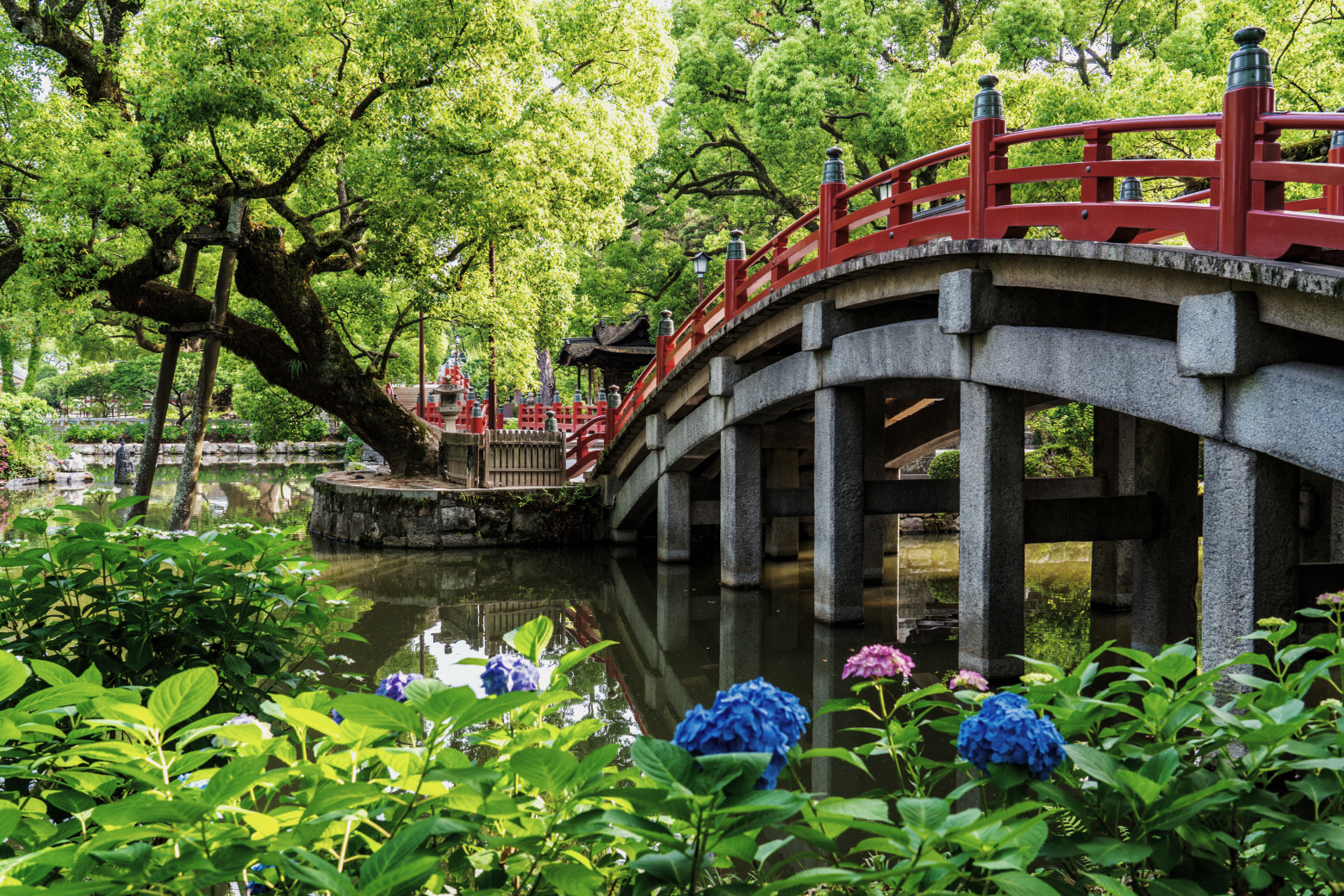
This first half of this private Wabunka experience centers on guidance from a shrine priest, introducing points of historic and spiritual significance within the shrine’s grounds. Whereas a visitor on their own might simply walk past some of these or regard them as simple visual features, priestly commentary reveals the stories and meanings of the torii gates, purification font, sacred bridges, ox statues, plum trees, and other features of Dazaifu Tenmangu.
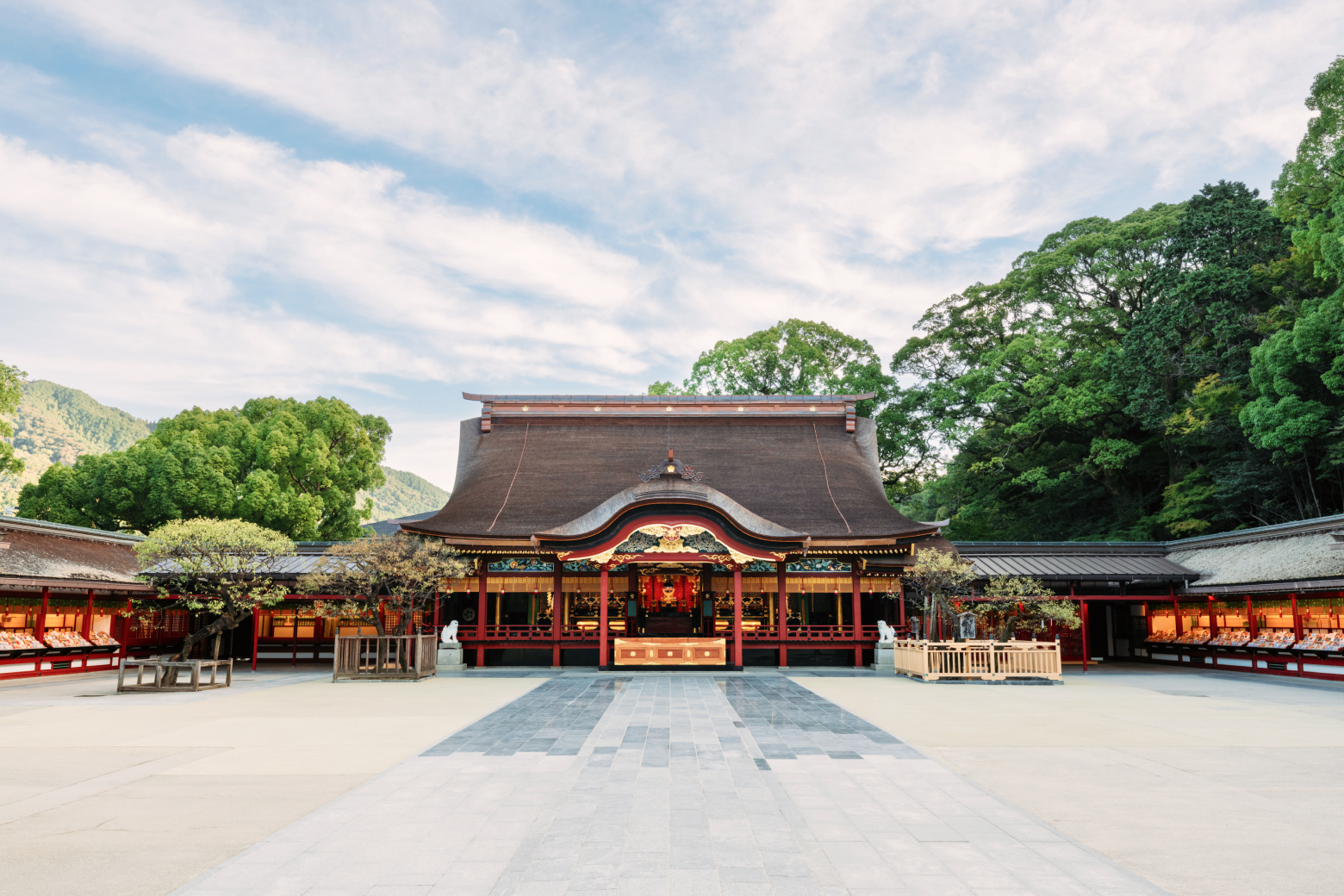
After the tour, take part in seishiki sanpai, the formal paying of religious respects to the kami enshrined in the main sanctuary. Unlike an ordinary visit in which visitors briefly pray from outside the sanctuary, seishiki sanpai represents a more formalized ritual of announcing one’s visit to the enshrined deity. This central rite of Shinto worship is conducted by the shrine priests, and lay participants follow their lead to conduct a series of ritualized greetings and honor including the offering of a tamagushi – a sanctified tree branch – to the kami.
Following seishiki sanpai and a guided tour of Dazaifu Tenmangu, gather at Oyamada Teahouse for tea and umegae-mochi while your priestly guide shares the story and tradition behind this local delicacy. Dating back to the Edo period (1603-1868), this long-established teahouse is helmed by its sixth-generation proprietress and serves as an official purveyor to Dazaifu Tenmangu, with its toasted sweet bean rice cake known as “Umegae mochi” as an official offering at the shrine on ceremonial occasions. Set within the area surrounding the shrine, it offers a serene setting to unwind and immerse yourself in the lingering mood of your visit.
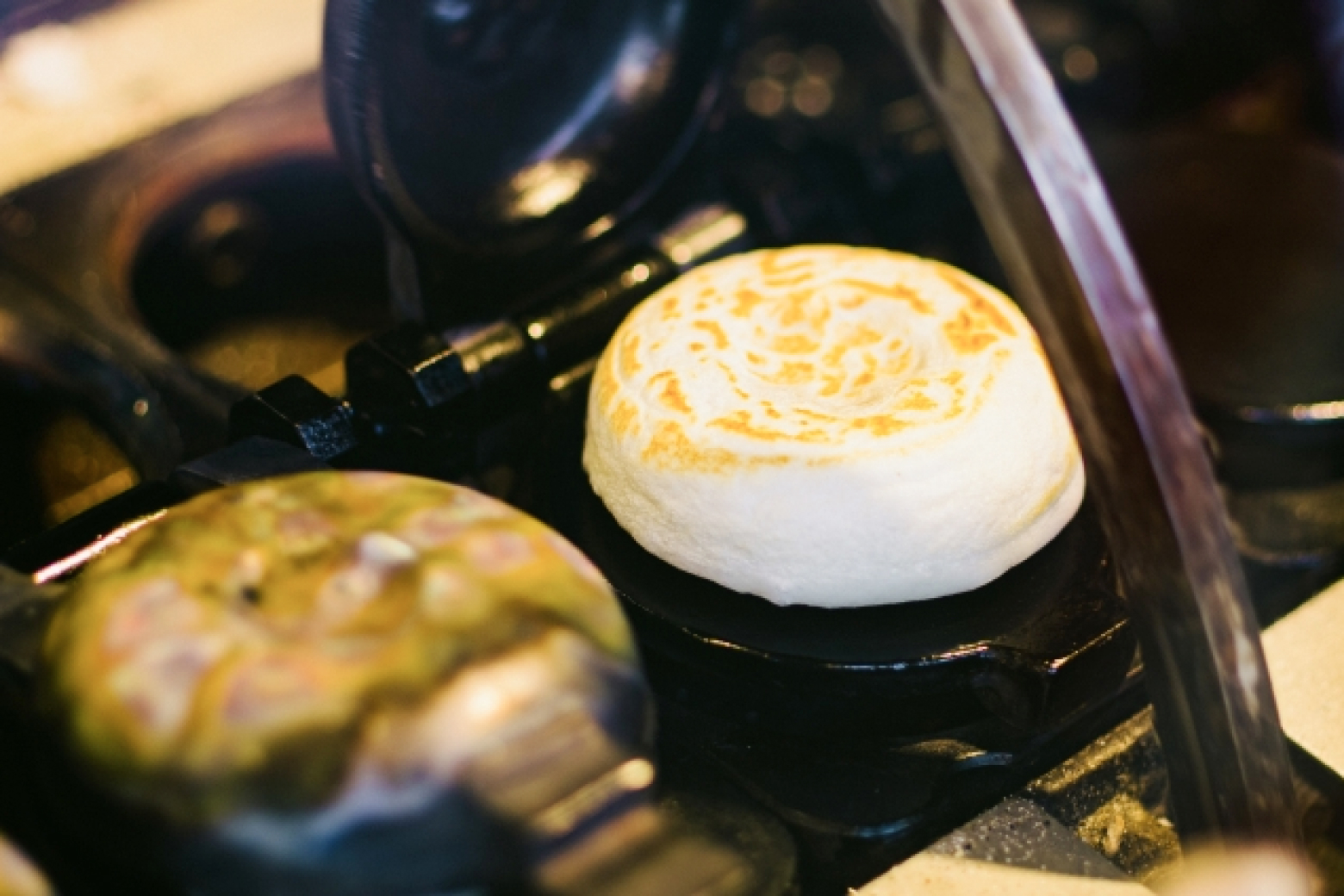
A toasted rice cake filled with sweet azuki bean paste and marked with a plum-blossom design, Umegae mochi is Dazaifu’s signature sweet for a reason: it harks back to a local legend about Sugawara no Michizane in which an elderly woman surreptitiously offered rice cake to the outlaw Sugawara to help him survive the harshest and most destitute of his years in exile. Enjoying this sweet treat after visiting his burial place connects the shrine’s grand history with a humble act of kindness venerated in Dazaifu to this day.
Guided by an Art Curator, Discover Dazaifu Tenmangu’s Impressive Collection of Modern Art Befitting Michizane’s Legacy
During his lifetime, the Tenjin was not only an accomplished scholar but also a gifted poet and literary figure. For centuries, his association with artistic and intellectual achievement has drawn writers, calligraphers, craftspeople, and artists to Dazaifu. Works reflecting the leading creative ideas of different periods have been dedicated to the shrine in gratitude for the blessings of its kami, and in the process it has amassed an impressive cultural legacy befitting that association.
Following the priest-led spiritual tour and religious rites of the shrine, this exclusive Wabunka experience includes a curator-led art tour with expert commentary that sheds light on deeper context behind and insights into the art in the collection.
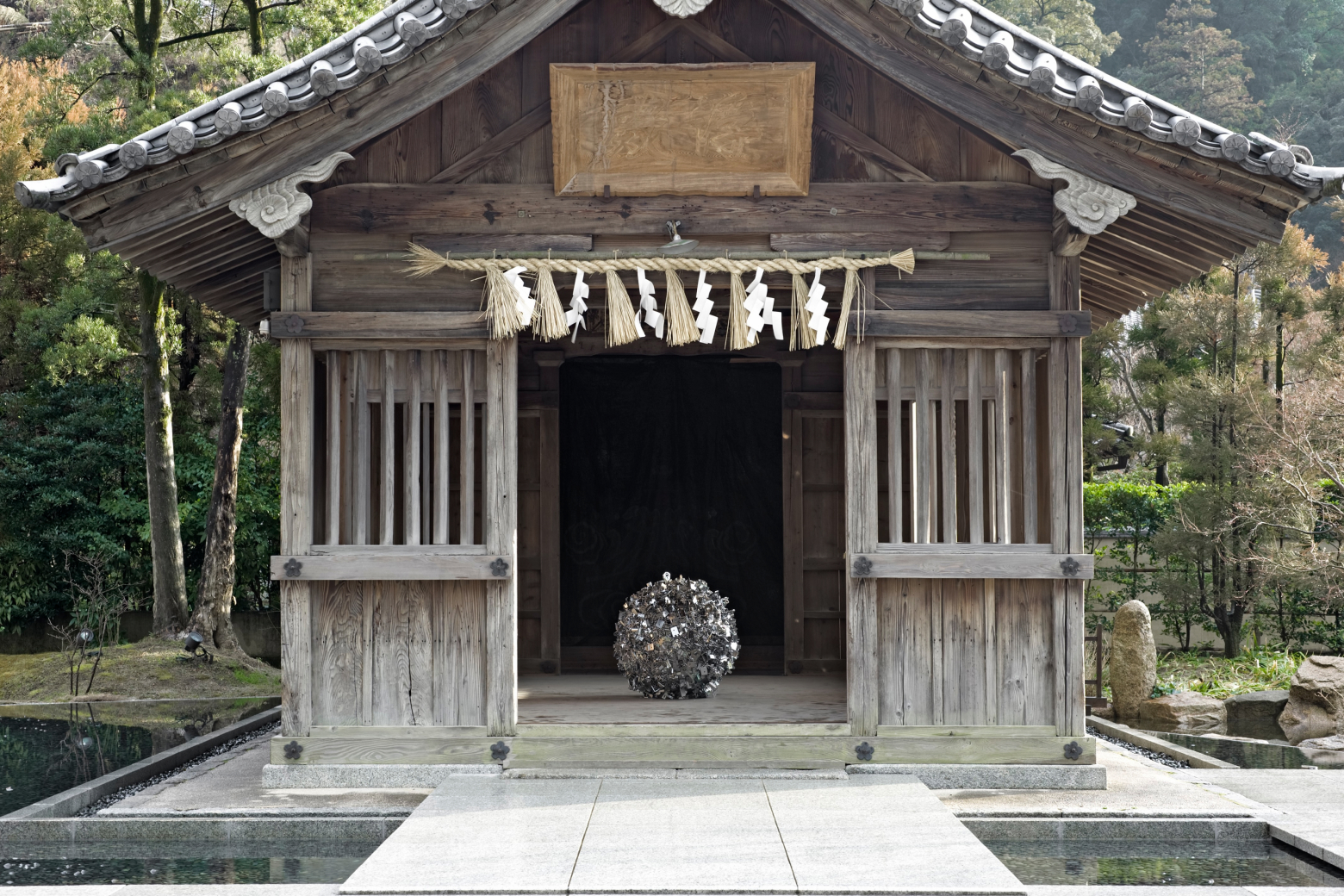
This unique dual-guide approach to the shrine visit helps to illuminate the site from two distinct and yet complementary angles that help foster a deeper appreciation for the legacy of Sugawara no Michizane and his descendants. Since 2006, the shrine’s association with art has been further nurtured today through the Dazaifu Tenmangu Art Program. For two decades and counting, artists have been invited to live and work in Dazaifu, experiencing the shrine, its history, and its surroundings so as to produce art inspired by it.
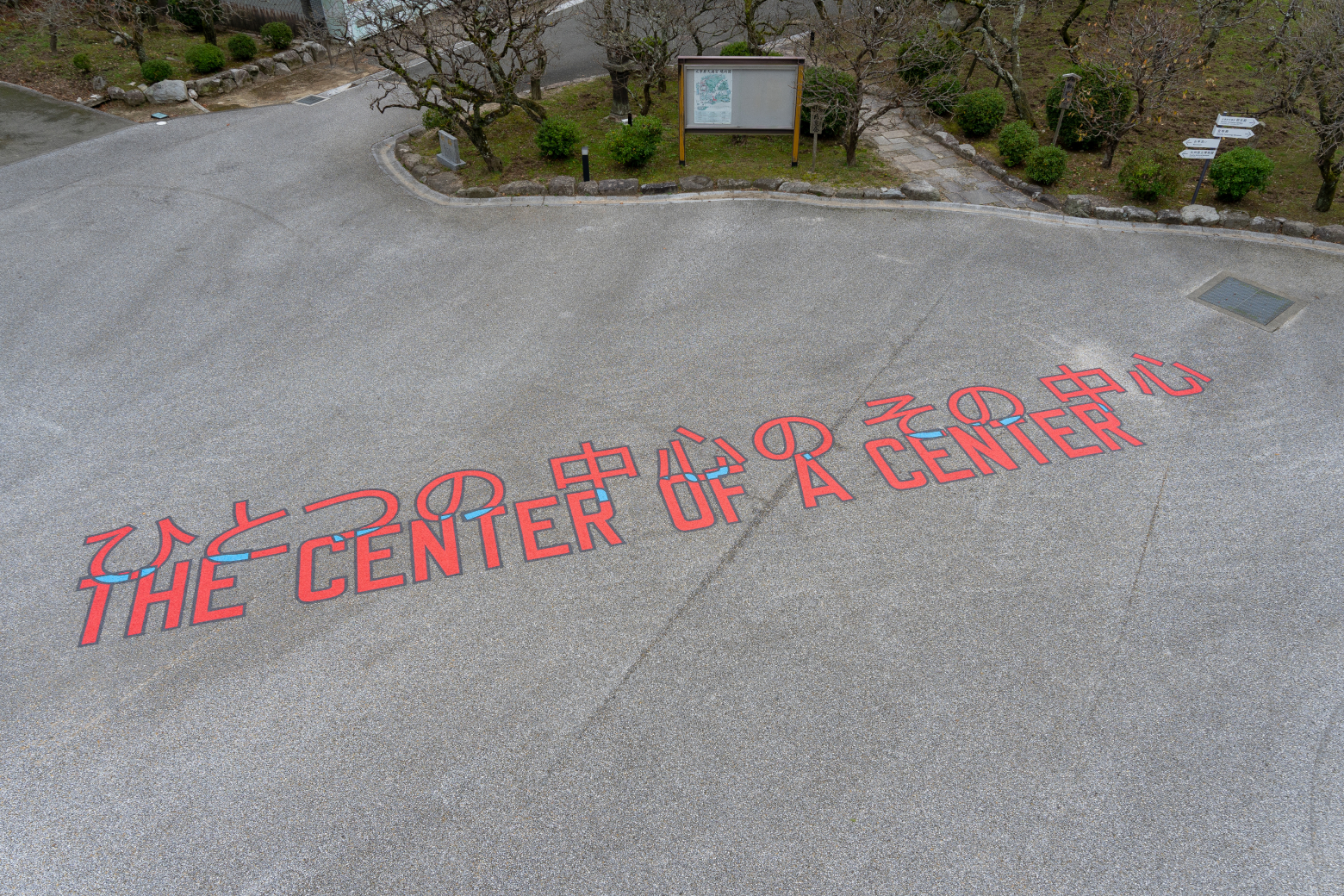
Works by such contemporary artists can now be encountered throughout the grounds, and the shrine now bills its grounds as an active art museum in addition to a holy site. Some of these works have become permanent outdoor installations, allowing even unaware visitors to encounter contemporary art in passing, indeed allowing the shrine grounds to function as an open-air art museum. But thanks to in-depth dual guidance, Wabunka visitors can enjoy a deeper understanding of the full picture.
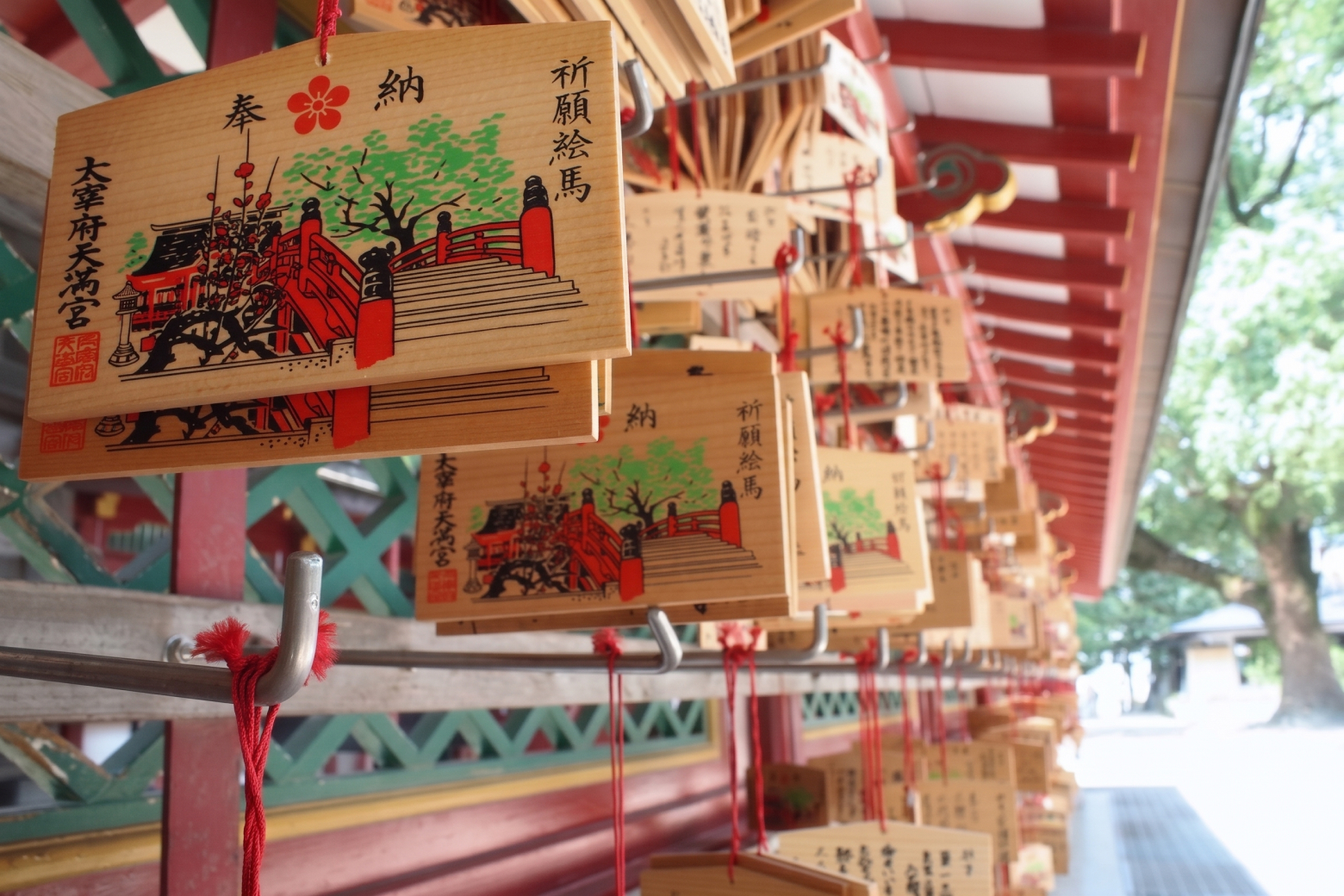
To complete your experience, enjoy inscribing your own ema. These are wooden votive tablets traditionally used to record prayers or wishes which can be seen on display at Shinto shrines across the country. You will also receive a special gift to take home as a keepsake. Displaying these items in your home or gifting them to a friend upon return are sure to conjure up memories and conversation of this special visit to a storied holy site of Japan for many years to come.
Faith, Art, and the People Who Sustain Them: A Dazaifu Tenmangu Visit that Transcends
Dazaifu Tenmangu attracts visitors from throughout Japan and overseas, but without expert guidance, many visitors only scratch the surface of the powerful spirituality and storied history it has to offer. Go beyond a brief excursion from Fukuoka and immerse yourself in this sacred legacy through guided ritual, expert commentary on art, and direct conversation with a priest. Hear directly from the caretakers of the shrine’s sacred legacy, from its sacred traditions and history to its proudly continued role in modern artistic life.
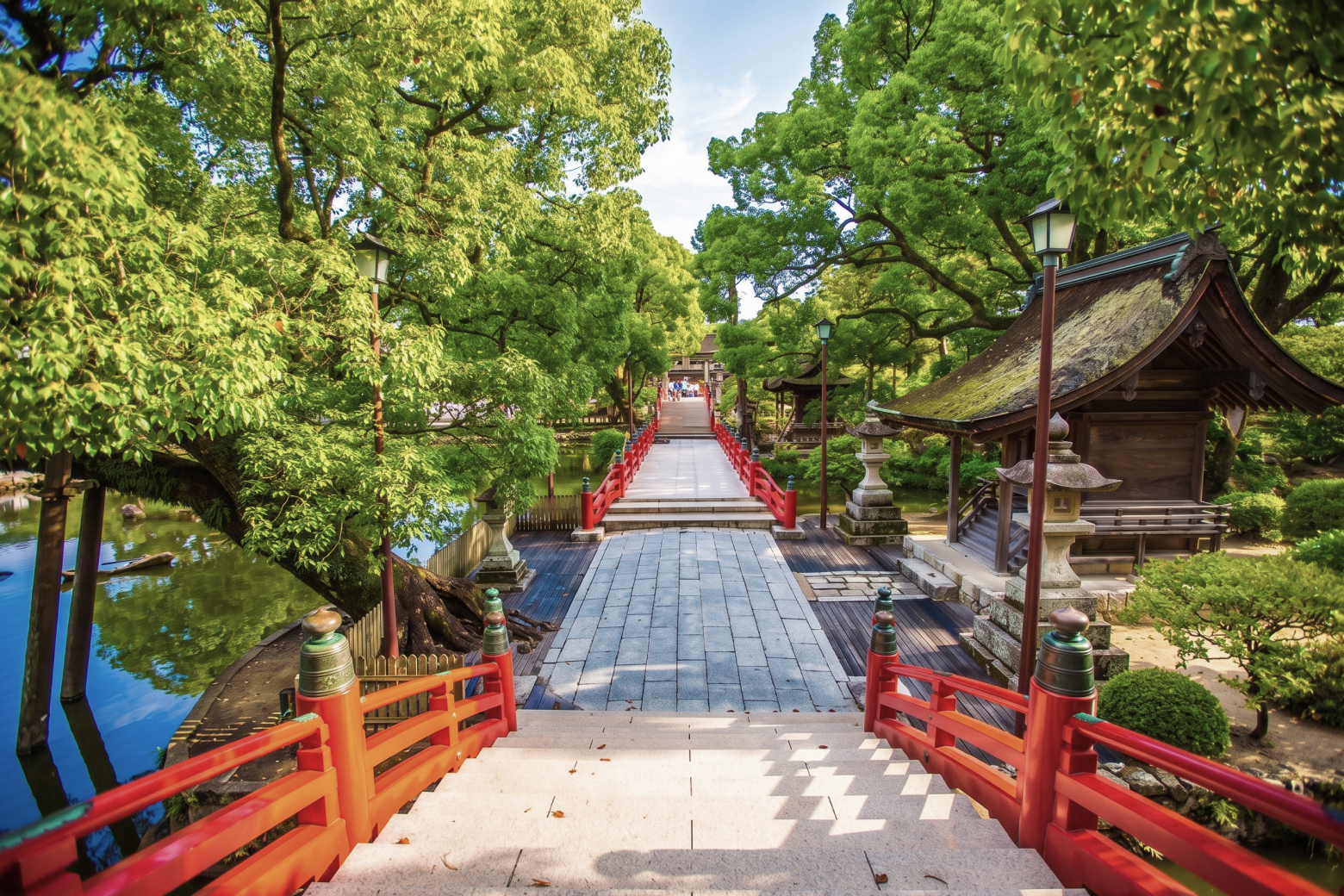
Even while honoring the legacy of Sugawara no Michizane, Dazaifu Tenmangu has never limited its concerns to simply looking backward. Its enduring faith, natural landscape, accumulated cultural treasures, and ongoing engagement with contemporary artists are as much about the present and the future as they are about the past. Enjoy a slower look beyond the rightfully celebrated scenery of the shrine, and a deeper understanding of it as a living spiritual and artistic institution shaped by over a millennium of devotion.
Dazaifu Tenmangu
Dazaifu Tenmangu
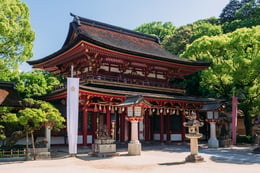
Dazaifu Tenmangu is a premier Shinto shrine and the head of the Tenjin faith. Enshrining Sugawara no Michizane—a 9th-century scholar and statesman revered as the kami of learning and the arts—it has been a center of worship for over a millennium. Its expansive grounds showcase sacred architecture, historic treasures, contemporary art, and seasonal nature. The shrine houses a vast collection of contemporary art, and continues its long-standing role as a patron of culture by inviting artists from Japan and overseas to create works inspired by its heritage.
Location

Dazaifu Tenmangu
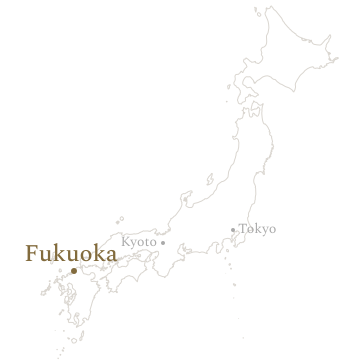
Dazaifu, Fukuoka Prefecture
Request for booking
Select first preferred date (JST)
October 2026
Sun
Mon
Tue
Wed
Thu
Fri
Sat
Instant Booking
Request Booking

17
Full

17
Unavailable
- Instant Booking: Your reservation is confirmed immediately upon payment.
- Request Booking: You will receive confirmation after the host reviews your request.
If your preferred dates are not available, you can explore recommended experiences or .

Fukuoka

120 mins


English-speaking guide included

Cancel free up to 8 days prior
Things to Know
Price
Maximum number
Experience itinerary
Payment
Booking deadline
Cancellation policy
Guest requirements
Clothes
Further remarks
Contact Us
If you have any questions, please contact us using the form below.
We also accept bookings from corporate clients and travel agencies.
Recommended Experiences
Explore by Destination & Theme

You Might Also Like




Last Minute Availability