
Kintsugi in Tokyo
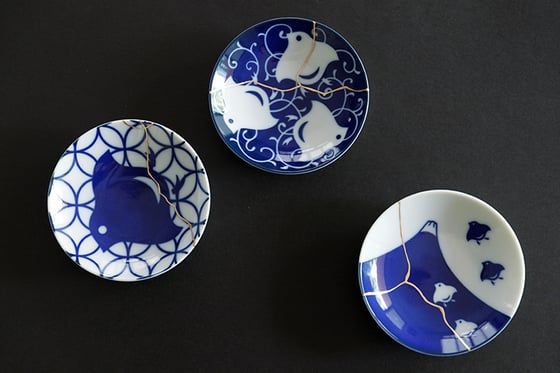
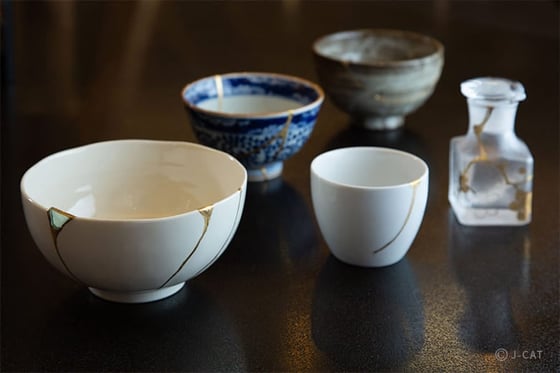
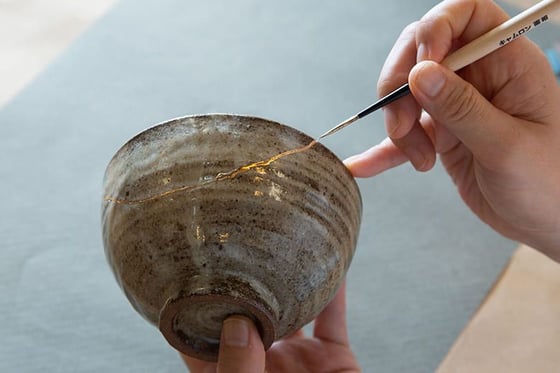
Imperfections can be beautiful. That is the lesson taught at Tokyo workshops showcasing kintsugi, the art of mending damaged objects with gold. Amidst the bustle of the capital, kintsugi reminds us all to slow down and take time to heal.
The Philosophy of Repair
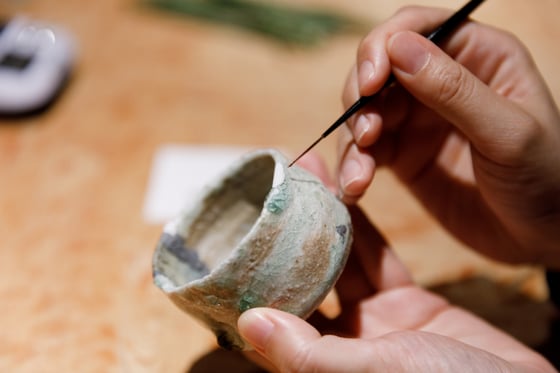
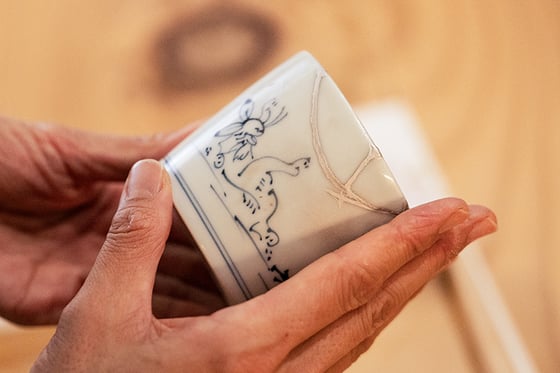
Across Japan, kintsugi developed as a way to keep cherished bowls and cups in use, especially within the world of tea. When a vessel cracked or chipped, artisans used natural lacquer from the lacquer tree as an adhesive, then dusted the join with fine gold or silver powder. The repaired line gleams rather than disappears, so the break becomes part of the object’s “landscape.” This approach reflects an everyday ethic: instead of hiding damage or throwing things away, you quietly acknowledge what has happened and continue to live with the piece.
Kintsugi in the Edo Capital
Lacquer repairs themselves go back to ancient times, but kintsugi as we recognise it today took shape around the 15th century, as tea culture flourished. In the early Edo period (1603–1868), when Edo (now Tokyo) grew into a huge city of samurai, merchants, and craftspeople, demand for tea utensils and porcelain tableware surged. Imported Chinese pieces and domestic wares from kilns across Japan circulated through Edo’s tea houses and affluent households, and specialist lacquer workshops repaired valued items. In this urban setting, a fine kintsugi repair could even raise a vessel’s status, turning an accident into a sign that the piece had been chosen and cared for over time.
Mending with Gold in Modern Tokyo
Today Tokyo did not originate kintsugi, yet it plays an important role in how the practice lives on. As the country’s capital and a major center for design and contemporary craft, it is home to restoration studios handling both everyday ceramics and museum-level works, as well as small ateliers where artisans teach the multi-step process with natural materials. When you encounter kintsugi in Tokyo, you are seeing a centuries-old repair technique adapted to modern city life, where ideas about sustainability, personal objects, and aesthetics meet. The experiences below offer one way to explore this craft and its way of thinking together with practitioners based in Tokyo.
'%3e%3cpath%20d='M17.7232%2016.0003L11.5898%209.86701L12.5335%208.92334L19.6105%2016.0003L12.5335%2023.0773L11.5898%2022.1337L17.7232%2016.0003Z'%20fill='%23A48953'/%3e%3c/g%3e%3c/svg%3e)

![[Multi-Day Journey] Cultural Treasures: Kanazawa, Hida-Takayama and Kyoto](https://images.microcms-assets.io/assets/a061b71b7a084ccfa781f19d8659cbbd/4b824a8328d14f7fa310ef6e42b0cb10/itinerary-long6_PCKV%20(3).jpg)
![[Multi-Day Journey] Cultural Treasures: Kanazawa, Hida-Takayama and Kyoto](https://images.microcms-assets.io/assets/a061b71b7a084ccfa781f19d8659cbbd/bc039d0dad3f421899c443c5c8f90b67/itinerary-long6_SPKV%20(2).jpg)
![[Multi-Day Journey] Curated Classics: Tokyo, Hakone and Kyoto](https://images.microcms-assets.io/assets/a061b71b7a084ccfa781f19d8659cbbd/23a57a9ac9fa4512a225078df4bca55b/itinerary-long_PCKV.jpg)
![[Multi-Day Journey] Curated Classics: Tokyo, Hakone and Kyoto](https://images.microcms-assets.io/assets/a061b71b7a084ccfa781f19d8659cbbd/86530336584c4e8e9c424baa5e5ee476/itinerary-long1_SPKV.jpg)
![[Multi-Day Journey] Immersive Japanese Crafting Experience in Tokyo, Kanazawa, Kyoto, Nara & Osaka](https://images.microcms-assets.io/assets/a061b71b7a084ccfa781f19d8659cbbd/4800c2ae1c50403ab615998a32665f83/itinerary-long_pCKV.png)
![[Multi-Day Journey] Immersive Japanese Crafting Experience in Tokyo, Kanazawa, Kyoto, Nara & Osaka](https://images.microcms-assets.io/assets/a061b71b7a084ccfa781f19d8659cbbd/77306edd65104c09b8c14fce465c7812/itinerary-long_SPKV%201.png)


Kintsugi experiences in Tokyo
5 experiences found


Our concierge team is at your service
- • Transportation arrangements
- • Organizing your experiences and itinerary
- • Additional details about specific experiences
Please contact us for any questions or requests
about our activities or service.
We will get in touch with you shortly.
Sign up to receive email updated on
new experiences, stories,
special promotions and more.