
Dyeing in Kyoto
The centuries-old tradition of aizome dyeing lives vibrantly in Kyoto. Vats of indigo await in traditional workshops for travelers who want to craft a unique piece of Japanese culture with their own two hands and touch Japan’s ancient past.
Kyoto's Heritage in Color
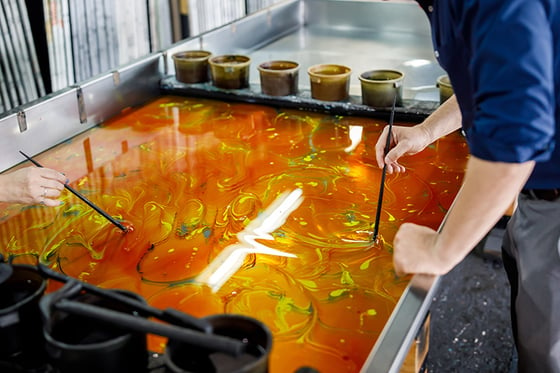
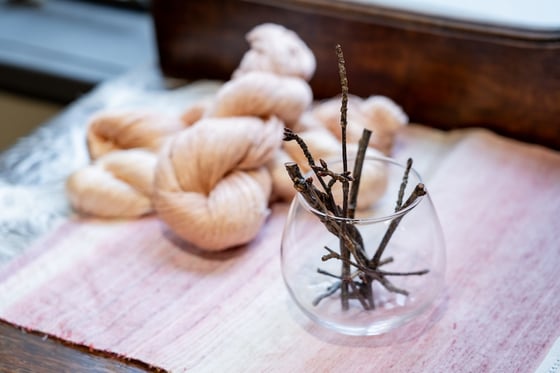
For more than a thousand years, Kyoto has been one of Japan’s major centers for dyed textiles, supplying cloth for the imperial court, temples, and prosperous townspeople. Dyeing in this context is not just coloring fabric. Artisans work with silk or other fibers to draw patterns, control how dyes soak in or resist the cloth, and fix subtle shades that will move and catch the light when worn as kimono or displayed indoors. From the Edo period (1603–1868), such work in the city became known collectively as “Kyoto dyeing,” shaped by access to clear river water and to plant-based dyes that produced celebrated colors such as deep purples and reds.
The Flowering of Dyeing Techniques
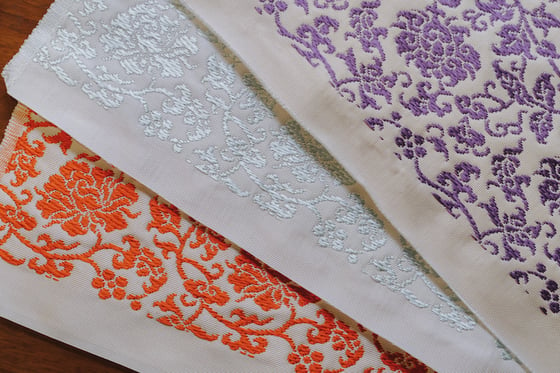
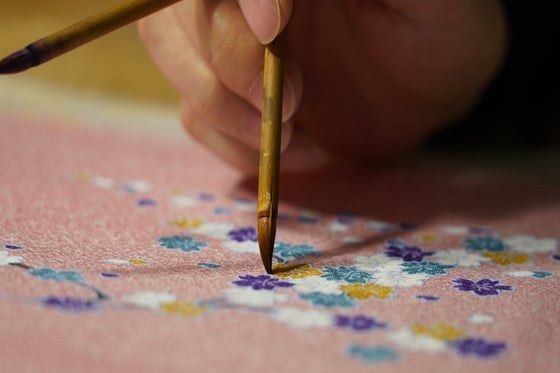
As the city flourished in the late 17th and 18th centuries, Kyoto craftsmen developed distinctive styles. Kyo-yuzen, a pictorial dyeing technique, turned plain white silk into something like a hanging scroll, with hand-drawn landscapes, flowers, and seasonal motifs separated by fine lines of resist paste. Kyo-kanoko shibori, a form of tie-dye, created tiny raised dots that resemble a fawn’s spots, originally prized for courtly garments. Other specialists focused on solid colors, perfecting Kyo-muji dyeing and the deep black of Kyo-kuro montsuki used for formal attire. Over time, natural dyes were joined by imported chemical dyes, yet Kyoto workshops continued to value precise color, crisp pattern edges, and a finish suited to the city’s elegant clothing culture.
Dyed Beauty in Modern Kyoto
Today, Kyoto dyeing remains closely linked to kimono and obi worn at life milestones, as well as costumes for theater and dance. Some artisans also apply traditional methods to wall hangings, fashion accessories, and interior fabrics, adapting motifs to contemporary taste while keeping the slow, hand-led processes. As you explore Kyoto, you may notice dyed shop curtains, banners, or garments that carry traces of these techniques. The experiences below offer ways to encounter this dyeing heritage at work in the city today.
Textile Crafts experiences in Kyoto
7 experiences found

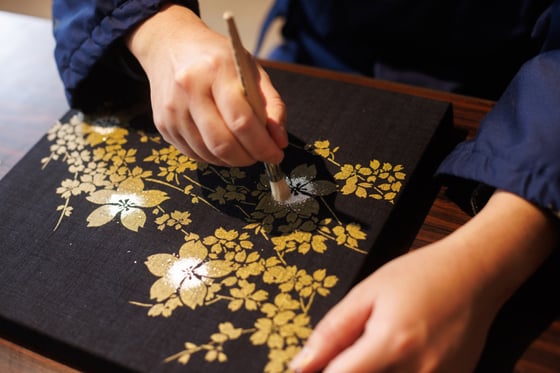
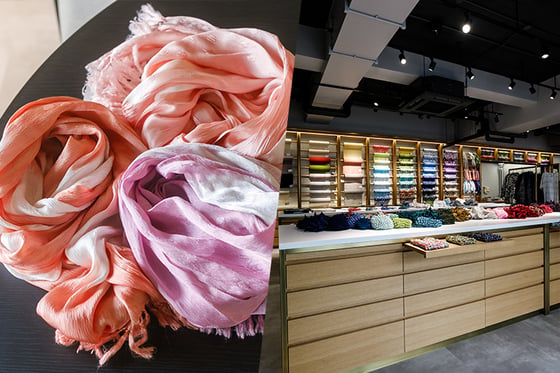
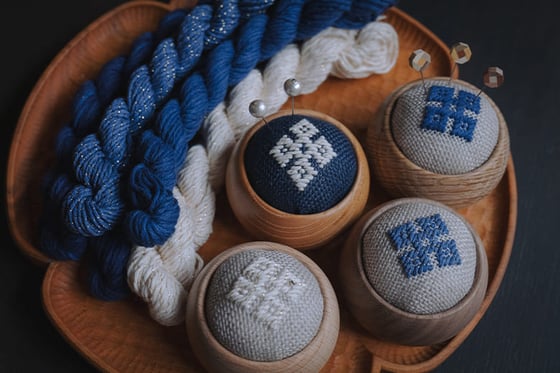
'%3e%3cpath%20d='M17.7232%2016.0003L11.5898%209.86701L12.5335%208.92334L19.6105%2016.0003L12.5335%2023.0773L11.5898%2022.1337L17.7232%2016.0003Z'%20fill='%23A48953'/%3e%3c/g%3e%3c/svg%3e)

![[Experiential Stay] Stay at Historic Hiiragiya Ryokan and Create Your Own Silk Shawl or Handkerchief using Traditional Plant-Based Dyeing Techniques](https://wabunka-lux.jp/cdn-cgi/image/format=auto,width=720,onerror=redirect/https://images.microcms-assets.io/assets/a061b71b7a084ccfa781f19d8659cbbd/cfcfe77522054435b092c0b8e483e620/hiiragiya-atelier-shimura_PCKV.jpg)
![[Experiential Stay] Stay at Historic Hiiragiya Ryokan and Create Your Own Silk Shawl or Handkerchief using Traditional Plant-Based Dyeing Techniques](https://wabunka-lux.jp/cdn-cgi/image/format=auto,width=720,onerror=redirect/https://images.microcms-assets.io/assets/a061b71b7a084ccfa781f19d8659cbbd/4f6be3d057d3429594507d833568875c/hiiragiya-atelier-shimura_SPKV.jpg)
![[Multi-Day Journey] Immersive Japanese Crafting Experience in Tokyo, Kanazawa, Kyoto, Nara & Osaka](https://wabunka-lux.jp/cdn-cgi/image/format=auto,width=720,onerror=redirect/https://images.microcms-assets.io/assets/a061b71b7a084ccfa781f19d8659cbbd/4800c2ae1c50403ab615998a32665f83/itinerary-long_pCKV.png)
![[Multi-Day Journey] Immersive Japanese Crafting Experience in Tokyo, Kanazawa, Kyoto, Nara & Osaka](https://wabunka-lux.jp/cdn-cgi/image/format=auto,width=720,onerror=redirect/https://images.microcms-assets.io/assets/a061b71b7a084ccfa781f19d8659cbbd/77306edd65104c09b8c14fce465c7812/itinerary-long_SPKV%201.png)



Our concierge team is at your service
- • Transportation arrangements
- • Organizing your experiences and itinerary
- • Additional details about specific experiences
Please contact us for any questions or requests
about our activities or service.
We will get in touch with you shortly.
Sign up to receive email updated on
new experiences, stories,
special promotions and more.