
Temple & Shrine in Kyoto
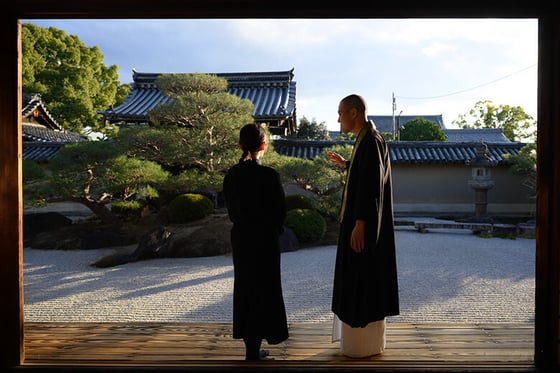
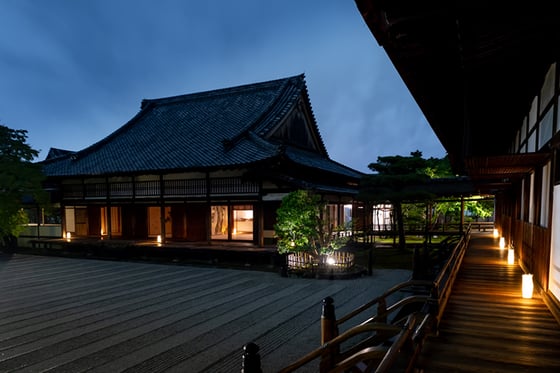
Witnesses to centuries of Japanese history, the temples of Kyoto offer a quiet place among green, stone, and wood to contemplate the country’s past. Come connect with Kyoto’s heritage while enjoying masterpieces of ancient architecture.
The Sacred Foundations of Kyoto
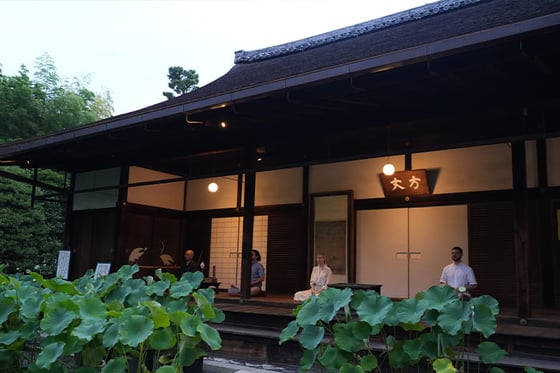
From 794 to 1868, Kyoto was Japan’s imperial capital, and temples and shrines shaped both the city plan and people’s daily rhythms. Buddhist temples grew into complexes of wooden halls, pagodas and gardens where monks preserved images, scriptures and ritual practices. Shinto shrines developed as compounds marked by vermilion gates, worship halls and sacred trees, focused on local deities known as kami. For many centuries, these two traditions were not sharply divided in Kyoto. The same family might visit a shrine for a festival and a nearby temple to remember ancestors, and some sites housed both buildings within one enclosure.
A Thousand Years of Temple Culture
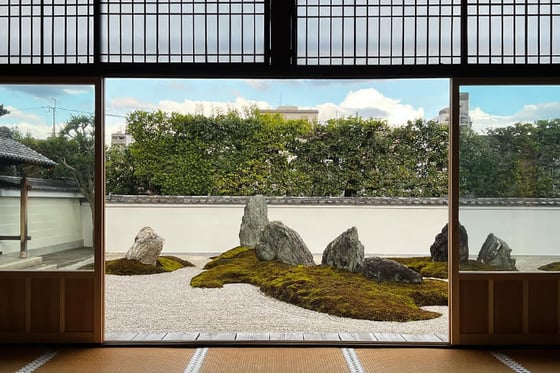
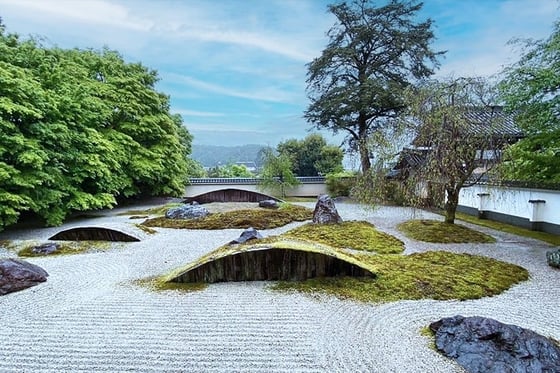
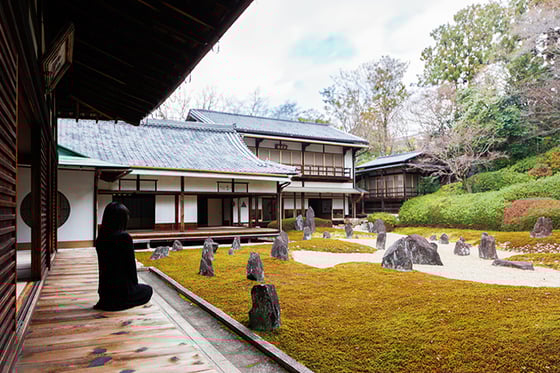
When the court moved to the new capital of Heian-kyō, today’s Kyoto, older shrines such as the Kamo shrines were formally positioned to guard the city, while large temples like Tōji were built at the main gate as symbols of protection. As tastes changed, new temple styles appeared. Around the 11th century, aristocrats sponsored temples with pond gardens that suggested an ideal Pure Land paradise. From around the 13th to 16th centuries, Zen monasteries in Kyoto refined dry rock gardens, tea culture and ink painting, turning temple spaces into laboratories for new arts. Civil wars in the late 15th century destroyed many buildings, and later rulers rebuilt and even relocated groups of temples, so religious sites helped redraw Kyoto’s streets as well as its skyline.
Where Spirit and Stone Meet
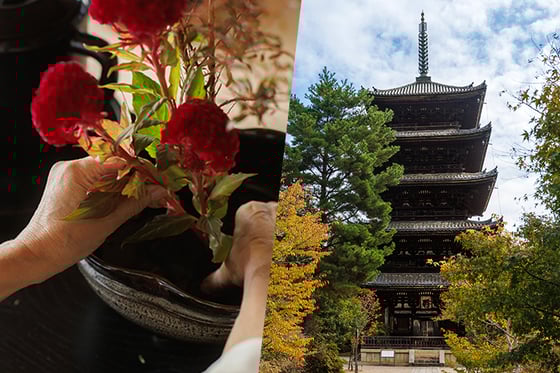
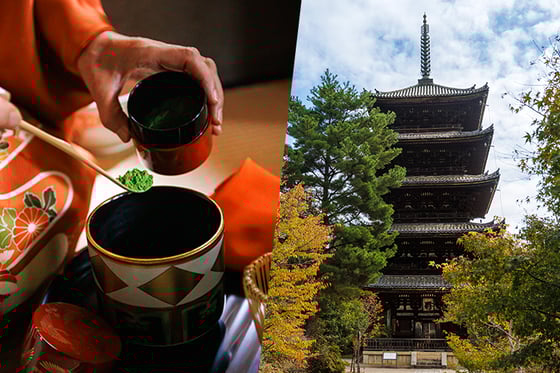
Today, Kyoto is said to have around two thousand temples and shrines, many recognized as cultural properties or World Heritage monuments. You may notice how pagoda silhouettes, tiled temple roofs and shrine forests appear in almost every direction, and how seasonal festivals and bell ringing still structure the city’s calendar. The experiences below offer different ways to encounter this long relationship between Kyoto and its temples and shrines.
Temple & Shrine experiences in Kyoto
10 experiences found


Our concierge team is at your service
- • Transportation arrangements
- • Organizing your experiences and itinerary
- • Additional details about specific experiences
Please contact us for any questions or requests
about our activities or service.
We will get in touch with you shortly.
Sign up to receive email updated on
new experiences, stories,
special promotions and more.