
[Experiential Stay] Luxury Central Tokyo Stay and City Tour of the Architecturally Historic Marunouchi Area
Overview
Tokyo’s Marunouchi and Hirakawacho neighborhoods in many ways sit right at the very heart of Japan. At the center of political power in Tokyo, this is an area in which the Edo shoguns once dwelled – as does the Emperor to this day. Tokyo Station – to which by design all of Japan’s rail traffic ultimately flows toward – is also here. This exclusive 1-night, 2-day Wabunka stay itinerary captures a full cross-section of its historic architectural, aesthetic, and cultural charms. Tour the central Marunouchi district of Tokyo with architectural expert Shuko Koike as your guide. Stay at the luxurious Kitano Hotel Tokyo, which has long served diplomatic and business VIPs, experiencing true Japanese hospitality in a room that embodies the country’s culture and aesthetics.
.jpg)
.jpg)
.jpg)
.jpg)
.jpg)
.jpg)
.jpg)
.jpg)

.jpg)
.jpg)
location_on Tokyo | schedule 1 night |
account_balance_wallet from ¥231,000 / 2 guests | group 1 - 6 participants |
record_voice_over Available in English | event_available Cancel free up to 5 days prior (accommodation) |
*The indicated price is a reference estimate based on the selection of all listed content. Each component can be arranged individually. The price represents the lowest available rate. Please note that prices are subject to change based on the season and room availability.
*The itinerary and prices depicted are a model plan. Itineraries can be customized at guest request, so please feel free to enquire.
*The above rate is the minimum price for two guests. For groups of three and more, an additional fee applies. Please contact us for more information.
Itinerary Highlights
The Kitano Hotel Tokyo | A member of Relais & Châteaux, an internationally recognized association of luxury hotels and restaurants, this property is known for its attentive hospitality and high standards of service. Guests can enjoy a stay surrounded by interiors that reflect the beauty of Japan’s four seasons, offering a refined sense of Japanese aesthetics throughout the property. |
|---|---|
Marunouchi City Tour | This special accommodation plan includes a guided architectural tour of the Marunouchi and Tokyo Station area, centered around the Imperial Palace. Led by architectural culture curator Shuko Koike, the tour traces the district’s development through its buildings and urban landscape. Through both the walk and your stay, discover how Tokyo evolved into the vibrant metropolis it is today. |
* The itinerary depicted is a model itinerary – transportation arrangements, schedule, and length of stay can all be modified to suit guest needs. Please enquire for itinerary details.
*Additional fees apply for optional features.
Details
Day 1 | 1:00 PM
A First Step into Tokyo’s Historic Core
There is a case for calling Marunouchi the epicenter of Japan itself: smack dab between the central hub of Tokyo Station and the Imperial Palace, this is an area of both skyscrapers and early modern architectural splendor. When Japan’s doors to the world were thrown open after more than two centuries of self-imposed isolation in 1854, much of the country’s modernization began here – and has moved at a breakneck pace ever since. Tokyo Station itself is the bridging, binding, beating heart of the extensive railway network of Japan.
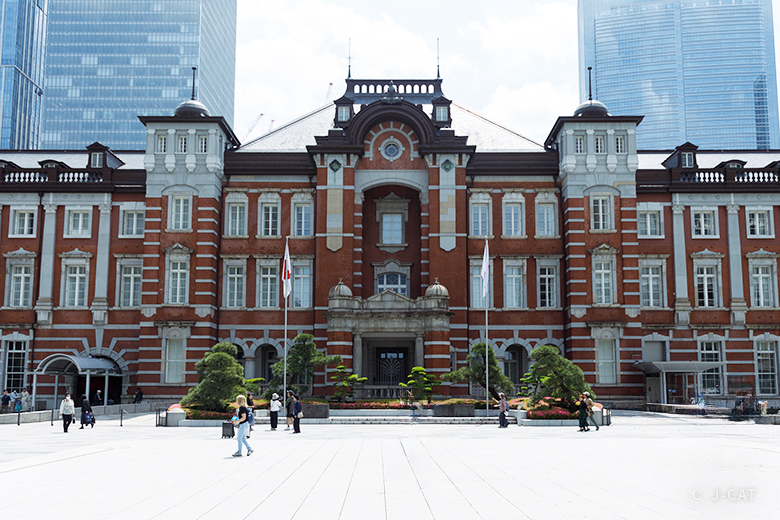
There is no better way to appreciate the whirlwind of profound changes that arose with the ousting of the last Shogun from power than to tour the area with an expert on architecture and development. Tokyo’s Asakusa area and the city of Kyoto may be Japan’s leading destinations for tourism centered on temples, shrines, and other ancient buildings, but Marunouchi offers an entirely different charm.
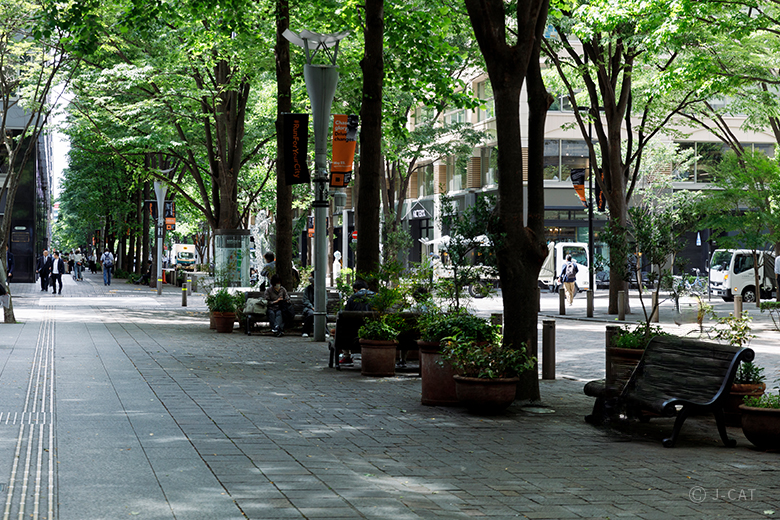
The Hirakawacho neighborhood of Tokyo’s Chiyoda Ward was part of the grounds of Edo Castle during the Edo period (1603-1868), and so historically dominated by the residences of high-ranking samurai in the Shogun’s government. Even today, Hirakawacho sits at the geographic heart of national political power, adjacent to the national Diet Building and the Official Residence of the Prime Minister. It is in this august milieu that the Kitano Hotel Tokyo sits.
Day 1 | 1:30 PMSimply no Substitute for a View from the Streets: Tokyo through the Eyes of an Architectural Expert
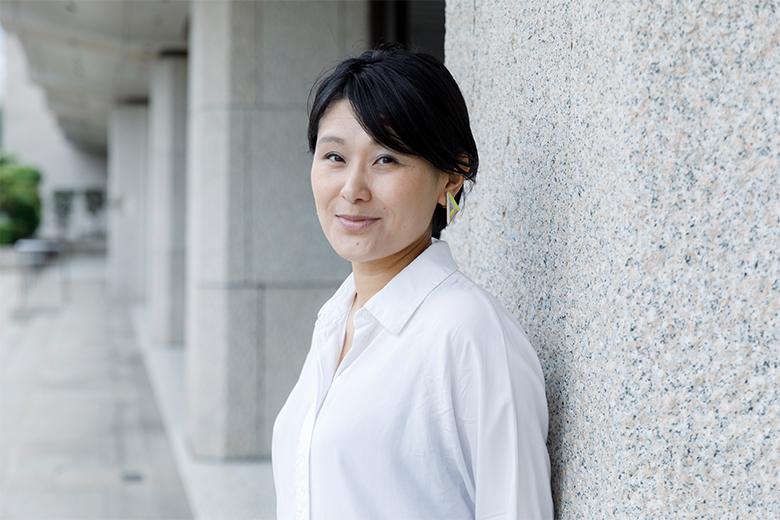
Your navigator and guide is architectural culture curator Shuko Koike, who has worked under the Agency for Cultural Affairs at the National Archives of Modern Architecture since returning from a career in New York. Says Koike, “It was actually my overseas experience that brought me back to an appreciation of the achievements of Japanese architecture and culture.” Koike’s homegrown yet international perspective illuminates a view of Marunouchi in a way no other can.
When recounting the urban and architectural charms of Marunouchi, it would be sacrilege not to begin with the area’s eponymous Tokyo Station Marunouchi Building, a structure designed in 1914 by Tatsuno Kingo (1854-1919) incorporating urban planning concepts by German architect Franz Baltzer (1857-1927) and a magnificent central gate for the exclusive use of the Imperial Family. The building suffered extensive damage during the 1923 Great Kanto Earthquake and again during the 1945 Tokyo Air Raids, but 2007 saw it restored to the glory of its original design.
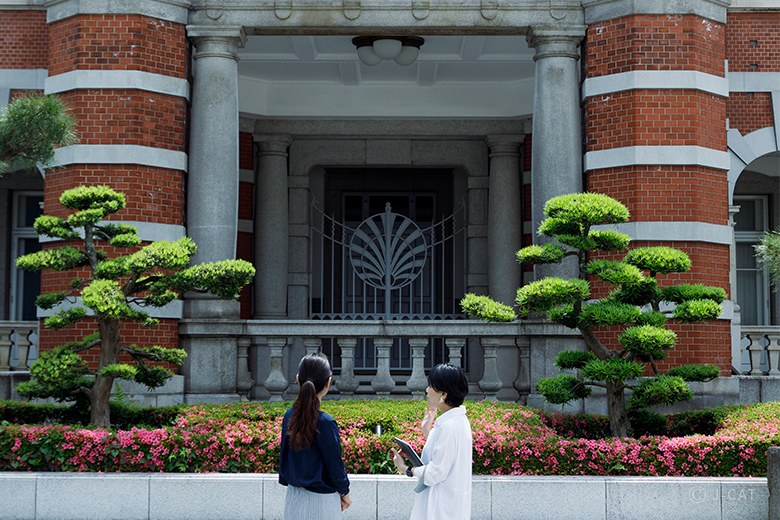
The next stop is Kitte Marunouchi, which originally housed the mail sorting facilities of the now-defunct Ministry of Communications. Constructed at the fulcrum between Marunouchi’s iconic brick age and the modern era of reinforced concrete, it achieved a unique charm by embodying this evolution in its design, along with a unique blend of Japanese sensibilities and Western architectural culture.
The area’s other office buildings also showcase Western modernist architectural culture, thanks to the invitation of numerous architects from abroad to incorporate new designs and techniques into a variety of developments after the country’s opening to the wider world in the 1860s. Although most have since been redeveloped into skyscrapers, many retain their street-level brick or stone facades and other original design elements.
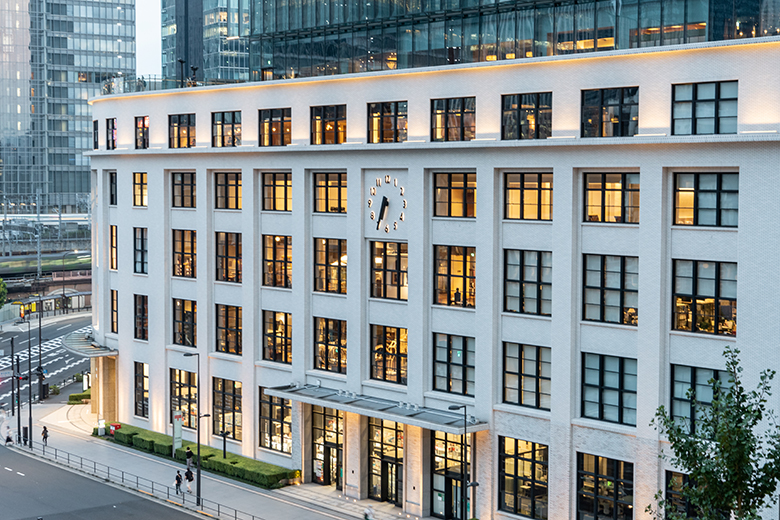
Today, Marunouchi unfurls outward from the intersection of Marunouchi Naka-dori (literally: “Central Avenue”) and Gyoko-dori (“Avenue of the Emperor’s Passage”) – the latter of which connects the station directly to the grounds of the Imperial Palace and was built for the exclusive vehicle use of the Imperial Family.
After learning the intangible story of this tangible cityscape, you’re sure to see the legacy of its majestic architectural development anew. Understanding the history behind this development really brings home the sense of how dramatically Japan has changed in the less than two centuries since it opened its doors to the wider world, and began actively courting and assimilating foreign influence.
Day 1 | 3:00 PM
Bridging Tokyo and New York: The Kitano Hotel Tokyo
In the adjacent Hirakawacho neighborhood of Tokyo’s Chiyoda Ward – seat of power and residence of both the Tokugawa Shoguns of the Edo Period and the modern Prime Ministers and Diet (Parliament) of Japan today – the Kitano Hotel Tokyo has been refining and perfecting its elegant approach to hospitality for over half a century.
.jpg)
The property’s history began as the Kitano Arms, a complex of extended stay serviced apartments, which opened in 1964. A decade later, its founder Tsuguto Kitano opened sister property the Kitano Hotel New York – the first Japanese hotel in Manhattan – in 1974 after participating in the construction of the Japan Pavilion at the World’s Fair. The latter property continues to host guests from around the world.
.jpg)
In 2019, the Kitano Arms was reborn as the Kitano Hotel Tokyo, continuing a legacy of global hospitality that draws on the rich service and design cultures of Tokyo and New York, and of trusted support for international exchange and business.
.jpg)
The hotel interior and its guest rooms incorporate the traditional Japanese color palette throughout, drawing upon the property’s core conceptual principle, described in the simple phrase “For Comfort.” The space weaves Japanese aesthetics into modern comforts, gently enveloping its guests with a deeply relaxing atmosphere.
Day 1 | 6:00 PM
World-class Hospitality That Transports You Far from the City Crowds
The Kitano Hotel Tokyo belongs to the Relais & Châteaux association of top-class hotels and restaurants. Aimed at protecting and promoting the rich diversity of hospitality and culinary traditions from around the globe, Relais & Châteaux has always offered inspiring journeys. This spirit is embodied in the hotel's tranquility, comfort, and heartfelt service.
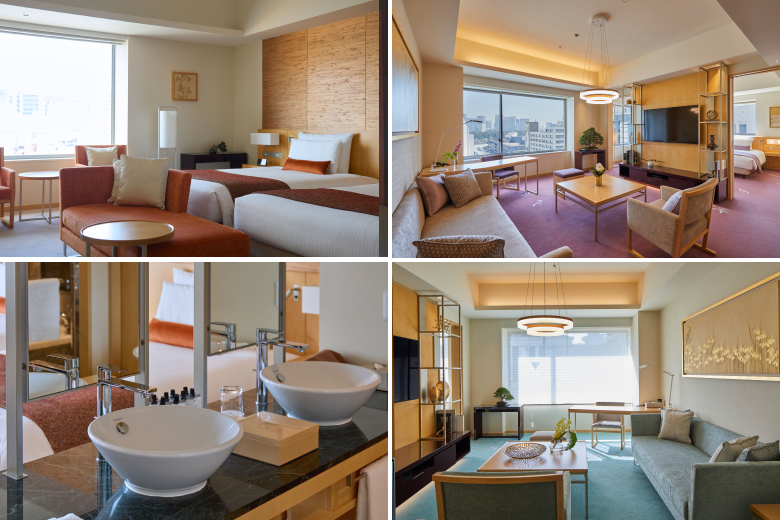
The principle of “exceptional livability” has guided the property since its days as a long-term stay apartment, and remains foundational to this day. The guest room interior design draws upon artwork and four colors themed around the four seasons of Japan with a meticulous design sense that reflects uniquely Japanese aesthetics.
.jpg)
Executive chef Takeshi Kamo is an eminent Swiss-trained culinary talent who has served a wide variety of distinguished guests including royalty and government dignitaries from across the globe. In 2017, he was awarded the Chevalier of the Order of the Agricultural Merit (French: Ordre du Mérite Agricole) by the French Republic. Working with the motto of “French cuisine, undiluted,” Kamo brings out the pure flavor of each ingredient, serving dishes that are easy on travel-weary digestion.
*Dinner is available as an additional paid option.
.jpg)
Day 2 | 7:00 AM
A Last Morning at the Hotel Marked by a Chef’s Breakfast
In the L’Orangerie Koh-an main dining room, enjoy a breakfast that begins with four appetizers carefully curated by the chef. Homemade yogurt, compote, smoothie, and fruit salad come together for a light and natural combination that is perfect for starting the day. Next, choose from a Japanese or Western set meal of thoughtfully selected ingredients.
.jpg)
The Afterglow of a Stay Immersed in Japanese Aesthetics and Hospitality
Authentic, uniquely Japanese hospitality isn’t the sole purview of traditional ryokan inns, as The Kitano Hotel Tokyo demonstrates with its Japanese traditional essence of meticulous attention to detail, nestled within modern comfort. That meticulousness and thoughtfulness shines through in every last detail – such as the washi paper room key cases featuring designs representing the four seasons of Japan.
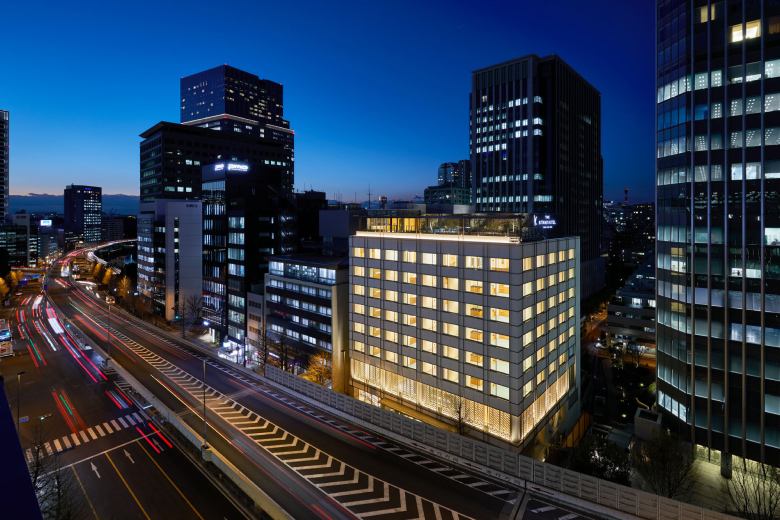
There are things that can only be discovered through real presence in a place, aspects only knowable by treading its grounds with your own two feet and seeing it up close with your own two eyes. And there are yet others that it takes a keenly trained eye to see. This is a plan that opens up both: luxuriating in Hirakawa-cho and exploring Marunouchi with Koike to discover the lesser-known side of this region of power at the political and infrastructural center of Japan.
.jpg)
And if this is just the beginning of a new chapter in your Japan travels, you’re apt to find that this fascinating new perspective stays with you: a new node of insight in the network of intersecting discoveries and experiences that make up the inspiring tapestry of travel. The spirit of traditional top-class hospitality that has long thrived in Hirakawacho, the heart of Japan since the Edo period – along with the glimpse into a pivotal turning point in the architectural, cultural, and urban history of Japan right at ground zero of those changes – is sure to live on in your memories for many years to come.
The Kitano Hotel Tokyo
location_on 2-16-15 Hirakawacho, Chiyoda-ku, Tokyo, 102-0093
near_meApproximately 1 minute on foot from Exit 4 of Nagatacho Station on the Tokyo Metro Yurakucho, Hanzomon, and Namboku Lines
near_meApproximately 7 minutes on foot from Akasaka-mitsuke Station on the Tokyo Metro Ginza and Marunouchi Lines
Things to know
Check-in and Check-out Times | Check-in: From 3:00 PM - 12:00 AM (midnight) Check-out: Until 11:00 AM |
|---|---|
Experience Start Time | Day 1 |
Meal Start Times | Dinner (additional option)
Breakfast |
Hotel Facilities | Onsen |
Room Information |
|
Amenities | |
Price | The price covers accommodation, curated experiences, breakfast and relevant taxes for two adult guests. Rooms at a lower rate than the listed price are also available. Please let us know if you would like to request one. For guests with children aged 0–5, breakfast is available at a child rate of JPY 2,500 (tax and service charge included). Please let us know at the time of reservation if you would like this. *Additional fees apply for optional features. |
Maximum number | Up to 6 people per booking All experiences are private for your group. We do not arrange mixed sessions. |
Experience itinerary | Day 1
Day 2
*The Marunouchi City Tour can also be rescheduled to Day 2. *The itinerary depicted is a model itinerary – transportation arrangements, schedule, and length of stay can all be modified to suit guest needs. Please enquire for itinerary details. |
Payment | Payment in advance (Credit card (JPY) only) |
Booking deadline | If you wish to arrange the following services, please contact us no later than the deadlines below: <Accommodation/Experience:> At least 6 days before the check-in date We may not be able to accommodate your request after the above deadlines, and we appreciate your understanding. |
Cancellation policy | You may cancel your reservation and receive a refund as follows: <Accommodation> 5 or more days before the check-in date: 100% refund 4 days or less before (including same-day cancellation or No-show ): 100% cancellation fee <Experience> 14 or more days before the check-in date: 100% refund 13 days or less before (including same-day cancellation or No-show) 100% cancellation fee Cancellations are calculated based on the check-in date. Important Notes: |
Guest Requirements | Adult rate applies to all guests (free of charge for infants when sharing a bed). Guests under 18 years of age must check in with an adult aged 18 or older. <Experience> Adult rate applies to guests aged 13 and over. Children under 13 may accompany adults at no extra cost. |
Clothes | <Experience> Clothing and footwear that are easy to walk around in are recommended. (e.g., pants and sneakers) . |
Further Remarks | The room assigned may vary depending on availability. Please note that the room facilities may differ from those listed. For groups of three or more, accommodation may be arranged in two or more separate rooms. This plan falls under price category A. This plan can also be booked as accommodation-only. If you would like this option, please let us know when booking. <Experience> The experience is conducted privately. Guests are requested to assemble at Marunouchi South Exit of Tokyo Station 10 minutes before the starting time of the experience. Arrival later than 15 minutes after the starting time will result in cancellation. Due to unavoidable circumstances, programs or workshops are subject to last-minute changes and cancellations. As this is a walking tour, participants are advised to leave any luggage for the day in a coin locker ahead of the experience. Guests may also check in to their hotel in advance and take a taxi from the hotel to the meeting point. Please note that taxi fares are at the guest’s own expense. Participants needing to take a break during the tour may do so at a cafe, in which case the experience duration will be extended. Guests will be responsible for covering cafe fees for themselves and their guides. In the event of rain, the tour will be conducted primarily indoors. Rescheduling will only be arranged in the event that the experience is deemed unsafe or impossible to hold due to bad weather. If no notice is provided, the experience will proceed as scheduled. |
Please contact us for any questions or requests
about our activities or service.
We will get in touch with you shortly.
Sign up to receive email updated on
new experiences, stories,
special promotions and more.