Lush Landscapes, Splendid Soundscapes, and Historic Heritage in Kamakura
'%3e%3cpath%20id='location_on_2'%20d='M11.9998%2019.7748C13.8331%2018.2081%2015.3123%2016.554%2016.4373%2014.8123C17.5623%2013.0706%2018.1248%2011.5748%2018.1248%2010.3248C18.1248%208.49147%2017.5456%206.9748%2016.3873%205.7748C15.229%204.5748%2013.7665%203.9748%2011.9998%203.9748C10.2331%203.9748%208.77064%204.5748%207.6123%205.7748C6.45397%206.9748%205.8748%208.49147%205.8748%2010.3248C5.8748%2011.5748%206.4373%2013.0706%207.5623%2014.8123C8.6873%2016.554%2010.1665%2018.2081%2011.9998%2019.7748ZM11.9998%2020.3248C11.8665%2020.3248%2011.7331%2020.304%2011.5998%2020.2623C11.4665%2020.2206%2011.3415%2020.1498%2011.2248%2020.0498C10.6248%2019.4998%209.9748%2018.8456%209.2748%2018.0873C8.5748%2017.329%207.92064%2016.5248%207.3123%2015.6748C6.70397%2014.8248%206.19564%2013.9415%205.7873%2013.0248C5.37897%2012.1081%205.1748%2011.2081%205.1748%2010.3248C5.1748%208.3248%205.82897%206.65397%207.1373%205.3123C8.44564%203.97064%2010.0665%203.2998%2011.9998%203.2998C13.9331%203.2998%2015.554%203.97064%2016.8623%205.3123C18.1706%206.65397%2018.8248%208.3248%2018.8248%2010.3248C18.8248%2011.2081%2018.6206%2012.104%2018.2123%2013.0123C17.804%2013.9206%2017.2998%2014.804%2016.6998%2015.6623C16.0998%2016.5206%2015.4498%2017.3248%2014.7498%2018.0748C14.0498%2018.8248%2013.3998%2019.4748%2012.7998%2020.0248C12.6891%2020.1248%2012.5634%2020.1998%2012.4226%2020.2498C12.2816%2020.2998%2012.1406%2020.3248%2011.9998%2020.3248ZM12.0043%2011.6498C12.418%2011.6498%2012.7706%2011.5025%2013.0623%2011.2078C13.354%2010.9133%2013.4998%2010.5591%2013.4998%2010.1453C13.4998%209.73164%2013.3525%209.37897%2013.0578%209.0873C12.7633%208.79564%2012.4091%208.6498%2011.9953%208.6498C11.5816%208.6498%2011.229%208.79714%2010.9373%209.0918C10.6456%209.3863%2010.4998%209.74047%2010.4998%2010.1543C10.4998%2010.568%2010.6471%2010.9206%2010.9418%2011.2123C11.2363%2011.504%2011.5905%2011.6498%2012.0043%2011.6498Z'%20fill='%23756E66'/%3e%3c/g%3e%3c/g%3e%3c/svg%3e) Kamakura
Kamakura'%3e%3cpath%20id='Vector'%20d='M9%206L17.897%204.12695C18.2078%204.06152%2018.5%204.29864%2018.5%204.61622V7.5M4%2011.5V8C4%207.72386%204.22386%207.5%204.5%207.5H20.5C20.7761%207.5%2021%207.72386%2021%208V18C21%2018.2761%2020.7761%2018.5%2020.5%2018.5H11M9.74522%2016.7492C9.90952%2016.9809%2010%2017.2343%2010%2017.4997C10%2018.6043%208.433%2019.4997%206.5%2019.4997C4.567%2019.4997%203%2018.6043%203%2017.4997C3%2017.2338%203.09077%2016.9801%203.25558%2016.748M3.25555%2015.248C3.09076%2015.4801%203%2015.7338%203%2015.9997C3%2017.1042%204.567%2017.9997%206.5%2017.9997C6.84749%2017.9997%207.18315%2017.9707%207.5%2017.9168M9.74576%2015.2499C9.90972%2015.4814%2010%2015.7345%2010%2015.9997C10%2016.5446%209.61859%2017.0386%209%2017.3994M4%2015.8997C3.38141%2015.539%203%2015.0449%203%2014.5C3%2013.3954%204.567%2012.5%206.5%2012.5C8.433%2012.5%2010%2013.3954%2010%2014.5C10%2015.6046%208.433%2016.5%206.5%2016.5C6.15251%2016.5%205.81685%2016.4711%205.5%2016.4172'%20stroke='%23756E66'%20stroke-width='0.8'%20stroke-linecap='round'%20stroke-linejoin='round'/%3e%3c/g%3e%3c/g%3e%3c/svg%3e) from ¥75,000 /person
from ¥75,000 /person'%3e%3cpath%20id='schedule_2'%20d='M12.3498%2011.8498V7.3498C12.3498%207.25064%2012.3161%207.16756%2012.2488%207.10056C12.1816%207.03339%2012.0983%206.9998%2011.9988%206.9998C11.8995%206.9998%2011.8165%207.03339%2011.7498%207.10056C11.6831%207.16756%2011.6498%207.25064%2011.6498%207.3498V11.8498C11.6498%2011.9426%2011.6665%2012.0325%2011.6998%2012.1193C11.7331%2012.2063%2011.7915%2012.2915%2011.8748%2012.3748L15.4998%2015.9998C15.5665%2016.0665%2015.6456%2016.104%2015.7373%2016.1123C15.829%2016.1206%2015.9165%2016.0831%2015.9998%2015.9998C16.0831%2015.9165%2016.1248%2015.8331%2016.1248%2015.7498C16.1248%2015.6665%2016.0831%2015.5831%2015.9998%2015.4998L12.3498%2011.8498ZM12.0041%2020.6998C10.8012%2020.6998%209.67014%2020.4716%208.61081%2020.0151C7.55147%2019.5586%206.63005%2018.939%205.84655%2018.1563C5.06289%2017.3736%204.44255%2016.4534%203.98555%2015.3956C3.52839%2014.3376%203.2998%2013.2071%203.2998%2012.0041C3.2998%2010.8012%203.52805%209.67014%203.98455%208.61081C4.44105%207.55147%205.06064%206.63005%205.8433%205.84655C6.62597%205.06289%207.54622%204.44255%208.60405%203.98555C9.66206%203.52839%2010.7926%203.2998%2011.9956%203.2998C13.1984%203.2998%2014.3295%203.52806%2015.3888%203.98456C16.4481%204.44106%2017.3696%205.06064%2018.1531%205.8433C18.9367%206.62597%2019.5571%207.54622%2020.0141%208.60405C20.4712%209.66205%2020.6998%2010.7926%2020.6998%2011.9956C20.6998%2013.1984%2020.4716%2014.3295%2020.0151%2015.3888C19.5586%2016.4481%2018.939%2017.3696%2018.1563%2018.1531C17.3736%2018.9367%2016.4534%2019.5571%2015.3956%2020.0141C14.3376%2020.4712%2013.2071%2020.6998%2012.0041%2020.6998ZM11.9998%2019.9998C14.2165%2019.9998%2016.104%2019.2206%2017.6623%2017.6623C19.2206%2016.104%2019.9998%2014.2165%2019.9998%2011.9998C19.9998%209.78314%2019.2206%207.89564%2017.6623%206.3373C16.104%204.77897%2014.2165%203.9998%2011.9998%203.9998C9.78314%203.9998%207.89564%204.77897%206.3373%206.3373C4.77897%207.89564%203.9998%209.78314%203.9998%2011.9998C3.9998%2014.2165%204.77897%2016.104%206.3373%2017.6623C7.89564%2019.2206%209.78314%2019.9998%2011.9998%2019.9998Z'%20fill='%23756E66'/%3e%3c/g%3e%3c/g%3e%3c/svg%3e) 120mins
120mins'%3e%3cpath%20id='group_2'%20d='M3.0752%2016.9584C3.0752%2016.5251%203.1877%2016.1626%203.4127%2015.8709C3.6377%2015.5792%203.94145%2015.341%204.32395%2015.1561C5.14145%2014.7743%205.94603%2014.4626%206.7377%2014.2209C7.52936%2013.9792%208.54186%2013.8584%209.7752%2013.8584C11.0085%2013.8584%2012.021%2013.9792%2012.8127%2014.2209C13.6044%2014.4626%2014.4089%2014.7743%2015.2264%2015.1561C15.6089%2015.341%2015.9127%2015.5792%2016.1377%2015.8709C16.3627%2016.1626%2016.4752%2016.5251%2016.4752%2016.9584V17.5084C16.4752%2017.6751%2016.4044%2017.8417%2016.2627%2018.0084C16.121%2018.1751%2015.9419%2018.2584%2015.7252%2018.2584H3.8252C3.60853%2018.2584%203.42936%2018.1876%203.2877%2018.0459C3.14603%2017.9042%203.0752%2017.7251%203.0752%2017.5084V16.9584ZM20.1752%2018.2584H18.3502C18.3835%2018.1417%2018.4127%2018.0201%2018.4377%2017.8934C18.4627%2017.7666%2018.4752%2017.6382%2018.4752%2017.5084V16.9584C18.4752%2016.4251%2018.3839%2015.9252%2018.2014%2015.4589C18.0191%2014.9926%2017.7604%2014.5924%2017.4252%2014.2584C17.8085%2014.3584%2018.1835%2014.4876%2018.5502%2014.6459C18.9169%2014.8042%2019.2919%2014.9751%2019.6752%2015.1584C20.0585%2015.3417%2020.3627%2015.5931%2020.5877%2015.9124C20.8127%2016.2317%2020.9252%2016.5804%2020.9252%2016.9584V17.5084C20.9252%2017.7251%2020.8544%2017.9042%2020.7127%2018.0459C20.571%2018.1876%2020.3919%2018.2584%2020.1752%2018.2584ZM9.7752%2011.2584C9.0327%2011.2584%208.39711%2010.9941%207.86845%2010.4654C7.33961%209.93657%207.0752%209.3009%207.0752%208.5584C7.0752%207.8159%207.33961%207.18023%207.86845%206.6514C8.39711%206.12273%209.0327%205.8584%209.7752%205.8584C10.5177%205.8584%2011.1533%206.12273%2011.6819%206.6514C12.2108%207.18023%2012.4752%207.8159%2012.4752%208.5584C12.4752%209.3009%2012.2108%209.93657%2011.6819%2010.4654C11.1533%2010.9941%2010.5177%2011.2584%209.7752%2011.2584ZM16.2252%208.5584C16.2252%209.3009%2015.9609%209.93657%2015.4322%2010.4654C14.9034%2010.9941%2014.2677%2011.2584%2013.5252%2011.2584C13.8305%2010.8791%2014.0652%2010.4581%2014.2292%209.99565C14.3932%209.53331%2014.4752%209.05323%2014.4752%208.5554C14.4752%208.0574%2014.3877%207.5834%2014.2127%207.1334C14.0377%206.6834%2013.8085%206.2584%2013.5252%205.8584C14.2677%205.8584%2014.9034%206.12273%2015.4322%206.6514C15.9609%207.18023%2016.2252%207.8159%2016.2252%208.5584ZM3.7752%2017.5584H15.7752V16.9584C15.7752%2016.7084%2015.7127%2016.4917%2015.5877%2016.3084C15.4627%2016.1251%2015.2252%2015.9417%2014.8752%2015.7584C14.1752%2015.3751%2013.4252%2015.0792%2012.6252%2014.8709C11.8252%2014.6626%2010.8752%2014.5584%209.7752%2014.5584C8.6752%2014.5584%207.7252%2014.6626%206.9252%2014.8709C6.1252%2015.0792%205.3752%2015.3751%204.6752%2015.7584C4.3252%2015.9417%204.0877%2016.1251%203.9627%2016.3084C3.8377%2016.4917%203.7752%2016.7084%203.7752%2016.9584V17.5584ZM9.7752%2010.5584C10.3252%2010.5584%2010.796%2010.3626%2011.1877%209.9709C11.5794%209.57923%2011.7752%209.1084%2011.7752%208.5584C11.7752%208.0084%2011.5794%207.53757%2011.1877%207.1459C10.796%206.75423%2010.3252%206.5584%209.7752%206.5584C9.2252%206.5584%208.75436%206.75423%208.3627%207.1459C7.97103%207.53757%207.7752%208.0084%207.7752%208.5584C7.7752%209.1084%207.97103%209.57923%208.3627%209.9709C8.75436%2010.3626%209.2252%2010.5584%209.7752%2010.5584Z'%20fill='%23756E66'/%3e%3c/g%3e%3c/g%3e%3c/svg%3e) Private: 1~6
Private: 1~6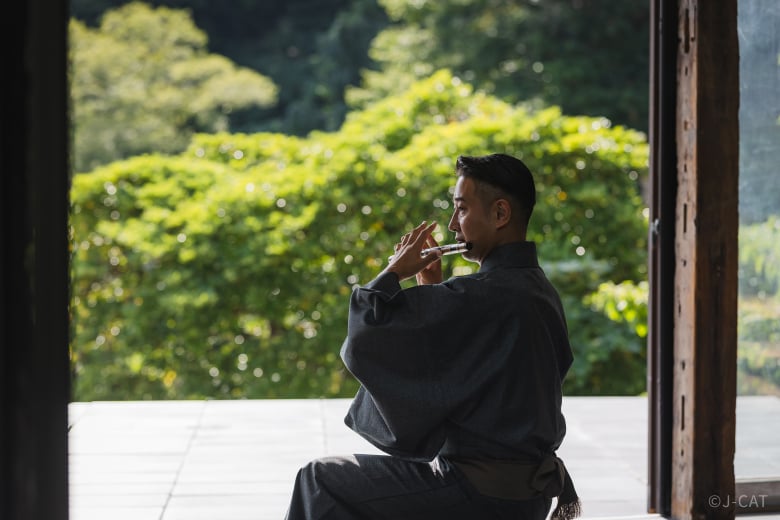
Overview
Kuneru House is a unique “third place” nestled in the ancient city of Kamakura, where visitors can experience the charm and history of Japan’s traditional musical instruments. In this special private experience, Wabunka guests enjoy a private performance and talk – centered on the history of Japanese musical instruments – with world-renowned Japanese traditional musician Shogo Yoshii. The plan also features a hands-on playing experience of the shinobue bamboo flute. Yoshii conceived of this plan together with Kuneru House owner Chizuko Koseki, as part of a shared mission to make the charms of Japan and its local traditions more accessible to visitors from overseas.
Key Features
- At Kuneru House’s hillside perch in Kamakura, delight in traditional musical instruments unique to the islands of Japan
- Enjoy a performance of the shinobue bamboo flute and the kokyu fiddle by world-class Japanese traditional musician Shogo Yoshii before getting a chance to play the shinobue yourself under his guidance
- As an option (additional charges apply), visit Kamigo Morinoie camp and training center in neighboring Yokohama to take in a performance of the Japanese drums known as taiko, and experience playing them yourself
'%3e%3cpath%20d='M12.504%2011.7308C12.9492%2011.7308%2013.3291%2011.5723%2013.6438%2011.2552C13.9586%2010.9383%2014.116%2010.5572%2014.116%2010.112C14.116%209.66683%2013.9575%209.28683%2013.6403%208.972C13.3233%208.65733%2012.9422%208.5%2012.497%208.5C12.0519%208.5%2011.672%208.6585%2011.3573%208.9755C11.0425%209.2925%2010.885%209.67358%2010.885%2010.1188C10.885%2010.5639%2011.0436%2010.9439%2011.3608%2011.2587C11.6778%2011.5734%2012.0589%2011.7308%2012.504%2011.7308ZM12.5005%2019.677C14.38%2018.041%2015.866%2016.3772%2016.9583%2014.6855C18.0506%2012.9938%2018.5968%2011.5307%2018.5968%2010.2962C18.5968%208.46675%2018.0176%206.95675%2016.8593%205.76625C15.701%204.57592%2014.248%203.98075%2012.5005%203.98075C10.753%203.98075%209.30013%204.57592%208.1418%205.76625C6.98346%206.95675%206.4043%208.46675%206.4043%2010.2962C6.4043%2011.5307%206.95046%2012.9938%208.0428%2014.6855C9.13513%2016.3772%2010.621%2018.041%2012.5005%2019.677ZM12.5005%2021.0193C10.1505%2018.9411%208.38038%2017.0029%207.19005%2015.2048C5.99955%2013.4067%205.4043%2011.7706%205.4043%2010.2962C5.4043%208.18075%206.09313%206.43583%207.4708%205.0615C8.8483%203.68717%2010.5249%203%2012.5005%203C14.4762%203%2016.1528%203.68717%2017.5303%205.0615C18.908%206.43583%2019.5968%208.18075%2019.5968%2010.2962C19.5968%2011.7706%2019.0015%2013.4067%2017.811%2015.2048C16.6207%2017.0029%2014.8505%2018.9411%2012.5005%2021.0193Z'%20fill='%23756E66'/%3e%3c/g%3e%3c/svg%3e)
Kamakura

120 mins

¥75,000 /person
from ¥75,000 /person
Private: 1 - 6
'%3e%3cpath%20id='record_voice_over_2'%20d='M22.0748%209.05862C22.0748%2010.092%2021.8831%2011.067%2021.4998%2011.9836C21.1165%2012.9003%2020.6081%2013.717%2019.9748%2014.4336C19.8915%2014.517%2019.7998%2014.5711%2019.6998%2014.5961C19.5998%2014.6211%2019.5066%2014.5904%2019.4201%2014.5039C19.3399%2014.4237%2019.3036%2014.3336%2019.3113%2014.2336C19.319%2014.1336%2019.3651%2014.042%2019.4498%2013.9586C20.0498%2013.292%2020.5206%2012.542%2020.8623%2011.7086C21.204%2010.8753%2021.3748%209.99196%2021.3748%209.05862C21.3748%208.12529%2021.204%207.24195%2020.8623%206.40862C20.5206%205.57529%2020.0498%204.82529%2019.4498%204.15862C19.3665%204.07529%2019.3206%203.98204%2019.3123%203.87887C19.304%203.7757%2019.3441%203.68404%2019.4328%203.60387C19.5108%203.5237%2019.5998%203.49612%2019.6998%203.52112C19.7998%203.54612%2019.8915%203.60029%2019.9748%203.68362C20.6081%204.40029%2021.1165%205.21695%2021.4998%206.13362C21.8831%207.05029%2022.0748%208.02529%2022.0748%209.05862ZM17.3248%209.05862C17.3248%209.44546%2017.2581%209.81712%2017.1248%2010.1736C16.9915%2010.5303%2016.8081%2010.8503%2016.5748%2011.1336C16.5081%2011.217%2016.429%2011.2628%2016.3373%2011.2711C16.2456%2011.2795%2016.1566%2011.2404%2016.0701%2011.1539C15.9899%2011.0737%2015.9498%2010.9878%2015.9498%2010.8961C15.9498%2010.8045%2015.9831%2010.717%2016.0498%2010.6336C16.2331%2010.4003%2016.3748%2010.151%2016.4748%209.88562C16.5748%209.62012%2016.6248%209.34446%2016.6248%209.05862C16.6248%208.74196%2016.5732%208.45821%2016.4701%208.20737C16.3669%207.95637%2016.2268%207.71512%2016.0498%207.48362C15.9831%207.40029%2015.9498%207.31279%2015.9498%207.22112C15.9498%207.12945%2015.9899%207.04354%2016.0701%206.96337C16.1566%206.87687%2016.2456%206.83779%2016.3373%206.84612C16.429%206.85445%2016.5081%206.90029%2016.5748%206.98362C16.8116%207.27129%2016.9959%207.58487%2017.1276%207.92437C17.2591%208.26387%2017.3248%208.64196%2017.3248%209.05862ZM8.6248%2011.7586C7.88231%2011.7586%207.24672%2011.4943%206.71806%2010.9656C6.18922%2010.4368%205.9248%209.80112%205.9248%209.05862C5.9248%208.31612%206.18922%207.68045%206.71806%207.15162C7.24672%206.62295%207.88231%206.35862%208.6248%206.35862C9.3673%206.35862%2010.0029%206.62295%2010.5316%207.15162C11.0604%207.68045%2011.3248%208.31612%2011.3248%209.05862C11.3248%209.80112%2011.0604%2010.4368%2010.5316%2010.9656C10.0029%2011.4943%209.3673%2011.7586%208.6248%2011.7586ZM1.9248%2018.0086V17.4586C1.9248%2017.0253%202.03314%2016.6628%202.2498%2016.3711C2.46647%2016.0795%202.7748%2015.842%203.1748%2015.6586C3.9748%2015.2753%204.85814%2014.9628%205.8248%2014.7211C6.79147%2014.4795%207.7248%2014.3586%208.6248%2014.3586C9.52481%2014.3586%2010.4581%2014.4795%2011.4248%2014.7211C12.3915%2014.9628%2013.2748%2015.2753%2014.0748%2015.6586C14.4748%2015.842%2014.7831%2016.0795%2014.9998%2016.3711C15.2165%2016.6628%2015.3248%2017.0253%2015.3248%2017.4586V18.0086C15.3248%2018.2253%2015.254%2018.4045%2015.1123%2018.5461C14.9706%2018.6878%2014.7915%2018.7586%2014.5748%2018.7586H2.6748C2.45814%2018.7586%202.27897%2018.6878%202.1373%2018.5461C1.99564%2018.4045%201.9248%2018.2253%201.9248%2018.0086ZM2.6248%2018.0586H14.6248V17.4586C14.6248%2017.1586%2014.5373%2016.917%2014.3623%2016.7336C14.1873%2016.5503%2013.9748%2016.392%2013.7248%2016.2586C13.0915%2015.9253%2012.304%2015.642%2011.3623%2015.4086C10.4206%2015.1753%209.50814%2015.0586%208.6248%2015.0586C7.74147%2015.0586%206.82897%2015.1753%205.8873%2015.4086C4.94564%2015.642%204.15814%2015.9253%203.5248%2016.2586C3.2748%2016.392%203.0623%2016.5503%202.8873%2016.7336C2.7123%2016.917%202.6248%2017.1586%202.6248%2017.4586V18.0586ZM8.6248%2011.0586C9.17481%2011.0586%209.64564%2010.8628%2010.0373%2010.4711C10.429%2010.0795%2010.6248%209.60862%2010.6248%209.05862C10.6248%208.50862%2010.429%208.03779%2010.0373%207.64612C9.64564%207.25445%209.17481%207.05862%208.6248%207.05862C8.0748%207.05862%207.60397%207.25445%207.2123%207.64612C6.82064%208.03779%206.6248%208.50862%206.6248%209.05862C6.6248%209.60862%206.82064%2010.0795%207.2123%2010.4711C7.60397%2010.8628%208.0748%2011.0586%208.6248%2011.0586Z'%20fill='%23756E66'/%3e%3c/g%3e%3c/g%3e%3c/svg%3e)
English-speaking host
'%3e%3cpath%20id='event_available_2'%20d='M10.9498%2016.4586L14.9498%2012.4586C15.0165%2012.3919%2015.0956%2012.3544%2015.1873%2012.3461C15.279%2012.3378%2015.3665%2012.3753%2015.4498%2012.4586C15.5331%2012.5419%2015.5748%2012.6253%2015.5748%2012.7086C15.5748%2012.7919%2015.5331%2012.8753%2015.4498%2012.9586L11.4748%2016.9336C11.3248%2017.0836%2011.1498%2017.1586%2010.9498%2017.1586C10.7498%2017.1586%2010.5748%2017.0836%2010.4248%2016.9336L8.5498%2015.0586C8.48314%2014.9919%208.44564%2014.9128%208.4373%2014.8211C8.42897%2014.7294%208.46647%2014.6419%208.5498%2014.5586C8.63314%2014.4753%208.71647%2014.4336%208.7998%2014.4336C8.88314%2014.4336%208.96647%2014.4753%209.0498%2014.5586L10.9498%2016.4586ZM5.7998%2020.7586C5.36647%2020.7586%205.00814%2020.6169%204.7248%2020.3336C4.44147%2020.0503%204.2998%2019.6919%204.2998%2019.2586V6.85859C4.2998%206.42526%204.44147%206.06693%204.7248%205.78359C5.00814%205.50026%205.36647%205.35859%205.7998%205.35859H7.7998V3.45859C7.7998%203.34193%207.8373%203.24609%207.9123%203.17109C7.9873%203.09609%208.08314%203.05859%208.1998%203.05859C8.31647%203.05859%208.4123%203.09609%208.4873%203.17109C8.5623%203.24609%208.5998%203.34193%208.5998%203.45859V5.35859H15.4998V3.40859C15.4998%203.30859%2015.5331%203.22526%2015.5998%203.15859C15.6665%203.09193%2015.7498%203.05859%2015.8498%203.05859C15.9498%203.05859%2016.0331%203.09193%2016.0998%203.15859C16.1665%203.22526%2016.1998%203.30859%2016.1998%203.40859V5.35859H18.1998C18.6331%205.35859%2018.9915%205.50026%2019.2748%205.78359C19.5581%206.06693%2019.6998%206.42526%2019.6998%206.85859V19.2586C19.6998%2019.6919%2019.5581%2020.0503%2019.2748%2020.3336C18.9915%2020.6169%2018.6331%2020.7586%2018.1998%2020.7586H5.7998ZM5.7998%2020.0586H18.1998C18.3998%2020.0586%2018.5831%2019.9753%2018.7498%2019.8086C18.9165%2019.6419%2018.9998%2019.4586%2018.9998%2019.2586V10.8586H4.9998V19.2586C4.9998%2019.4586%205.08314%2019.6419%205.2498%2019.8086C5.41647%2019.9753%205.5998%2020.0586%205.7998%2020.0586ZM4.9998%2010.1586H18.9998V6.85859C18.9998%206.65859%2018.9165%206.47526%2018.7498%206.30859C18.5831%206.14193%2018.3998%206.05859%2018.1998%206.05859H5.7998C5.5998%206.05859%205.41647%206.14193%205.2498%206.30859C5.08314%206.47526%204.9998%206.65859%204.9998%206.85859V10.1586Z'%20fill='%23756E66'/%3e%3c/g%3e%3c/g%3e%3c/svg%3e)
Cancel free up to 7 days prior
Details
Kuneru House: Bridging Cultures and Connecting People
Kanagawa Prefecture’s Kamakura City was the foundational seat of power of Minamoto no Yoritomo’s bakufu samurai government from the close of the 12th Century. It also lends its name to the Kamakura Period (1185-1333) which blossomed therefrom, when the locus of political power shifted away from the Imperial Court in favor of the samurai warlords. During this time, a rustic but refined spirit and aesthetic of “simple, honest, and strong” flourished. It is this traditional heritage that Yoshii seeks to share, along with its ethos that he describes as one of “cherishing what you have now.”
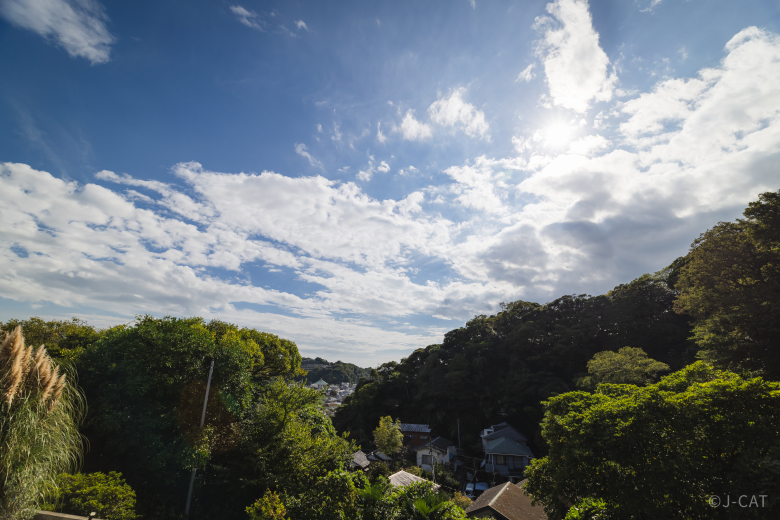
A view of the mountains and sky from Kuneru House
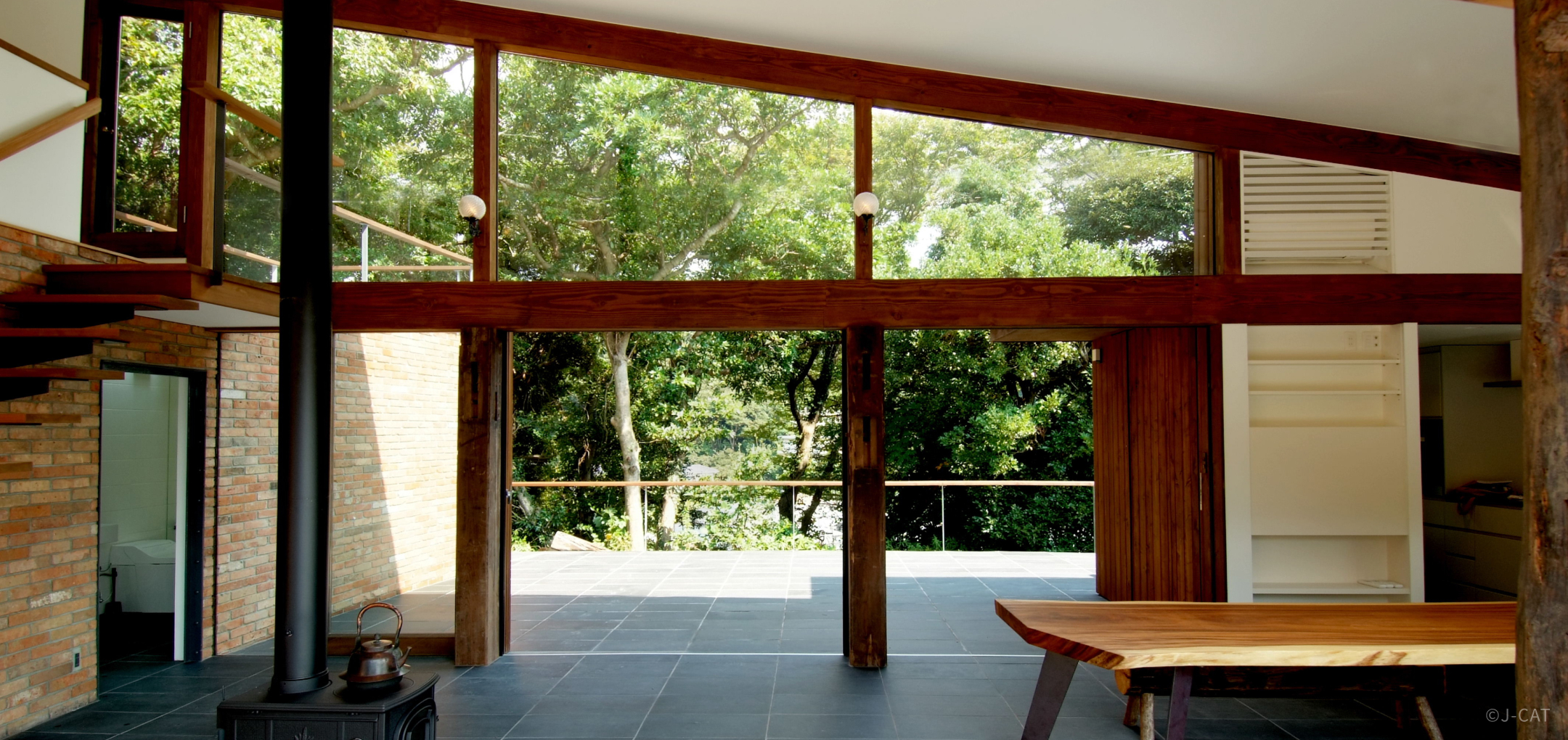
The city of Kamakura itself remains a beautiful remnant of this samurai heyday, a jewel surrounded by greenery and the sea. It is here on a small foothill ridge in the city, with lush and endless vistas of the mountains and open sky, that Kuneru House stands. With pillars reclaimed from traditional home roof beams and walls of antique British brick, it exudes a perfect harmony of Japanese and Western styling, and a warmth slowly cultivated over years.
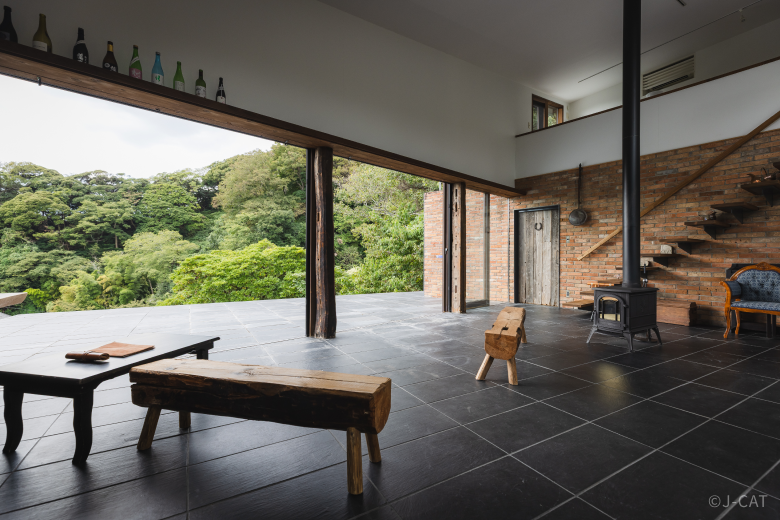
Taisho Period (1912-1926) outdoor lamps are part of the collection of antique pieces on display
Experience the World of Wagaku Music with a Seasoned Veteran Musician
A main draw of this experience is the guide: world-class traditional Japanese musician Shogo Yoshii. Wabunka guests enjoy a private performance by Yoshii on the shinobue (a transverse bamboo flute) and the kokyu (a bowed string instrument like a violin or fiddle) – as well as receiving direct instruction from Yoshii and hands-on practice in playing the shinobue. This unique experience was the joint brainchild of Yoshii and Chizuko Koseki – Yoshii’s taiko drumming student and the owner of Kuneru House – as the two connected over their desire to share the regional traditional music and instruments with visitors to Japan. In this space where connection and dialogue take center stage, these encounters are opportunities for connection and bonding.
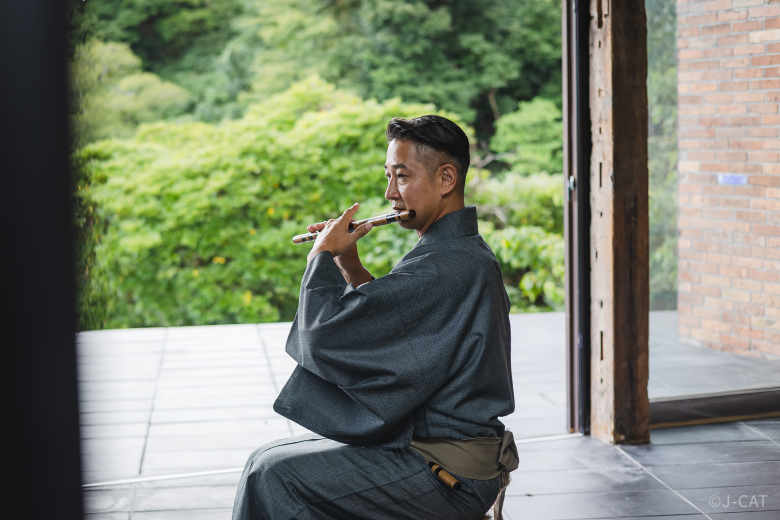
Yoshii’s traditional Japanese garb and instruments form a harmonious fusion with the modern westernized essence of Kuneru House
Yoshii – an accomplished performer on the shinobue, the kokyu, and the taiko drums – developed an interest in world folk music during his youth, which prompted him to conduct fieldwork studying the indigenous performing arts of Japan. Since then, he has brought his traditional expertise and performance chops to bear in collaborations with not only other traditional performers, but also classical and dance musicians, melding Japan’s folk musical instruments and traditions beautifully into a variety of other genres to broaden their reach. Today, he has performed over 1200 live shows in over 40 countries around the world, recently playing live in Paris as part of a promotional presentation for the Osaka World Expo.
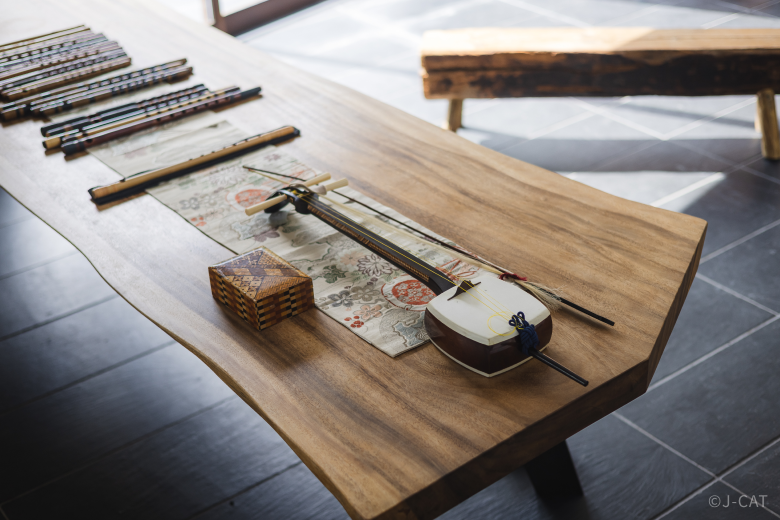
The shinobue and kokyu, crafted of bamboo and wood, are right at home on the solid wood antique tabletops
“A spirit of rustic, unaffected sincerity – valuing quality and inner substance over quantity and surface gloss – blossomed here during the Kamakura Period,” says Yoshii. “That’s something emblematic of Japan. We’re an island nation with limited space and resources. But as a culture we have historically cherished what we had rather than coveting what we lacked. ‘This is all we have – and yet, we have all this,’ you know? The shinobue and the kokyu – the instruments we play in this experience – come from that tradition, themselves made from the bounties of nature, drawing on natural shapes, and cherished in the same simple forms for centuries.”
The Charm and History of Some of Japan’s Long Beloved Musical Instruments
This experience begins with a short talk on the characteristics and history of Japanese fue flutes and kokyu fiddles, followed by a performance by Yoshii on both instruments. In the magnificently atmospheric venue of Kuneru house, with its stunning views of Kamakura, this is an unparalleled chance to let yourself become enthralled in the country’s history and culture.
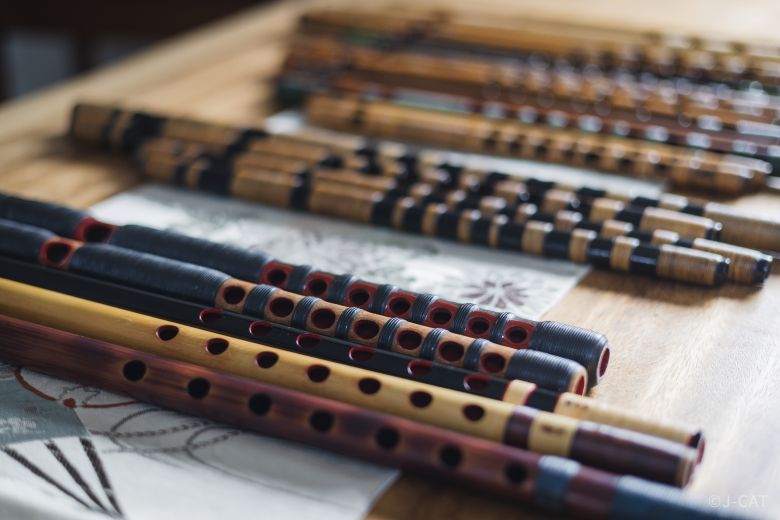
Yoshii has a diverse collection of traditional flutes, from the ryuteki “dragon flute” to the nohkan Noh flute to the shinobue, which he uses in his performances
Yoshii deftly illuminates the history and cultural background of these instruments. Japanese fue flutes are marked by various forms in a lineage that evolved over time: in the Heian Period (794-1185), the version known as the ryuteki played a central role in court music known as gagaku. It was later supplanted by the nohkan, used in Noh and Kabuki, which eventually evolved into the shinobue – popular in festival music and other vernacular folk music. In this, we can see that the instrument has small variations according to time and place, which have helped it survive to the modern day.
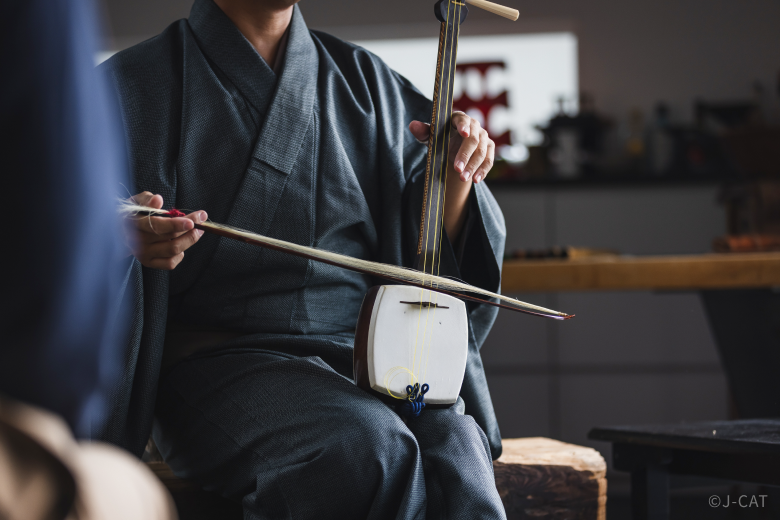
The striking visual character and sonic timbre of the kokyu is notably distinct from Western equivalents like the violin or cello
The origins of the kokyu are less clear, with theories abounding, but it is believed to have already existed as a fully formed instrument by approximately 400 years ago at the start of the Edo Period. This is a string instrument played vertically in the lap with a loosely-strung bow. Compare this to a famous Western equivalent, the violin, which is played horizontally at the neck with a tautly-strung bow.
.png)
At a Yoshii performance alongside Kamakura’s stunning natural beauty, all other thoughts gradually fade away
Yoshii’s performance itself illuminates the difference between Western and Japanese music. As he puts it, “While Western music tends to be aesthetically focused on the harmony between notes, Japanese music tends to focus more on the individual notes themselves. Even playing a single note on a single instrument, the timbre can be muddied or given vibrato by changes in intensity of breath or pressure. This leads to vastly different expressions.” Yoshii says that Western musicians have at times sought out his instruction to learn these unique Japanese techniques.
Feeling as One with Traditional Instruments in Nature
After Yoshii’s performance, it’s finally your turn to give the shinobue a try. Yoshii’s instruction – in how to hold the instrument, how to finger it, and how to shape your lips as you play – is attentive and intuitive, making this experience accessible to anyone regardless of whether they have experience playing flutes or not.
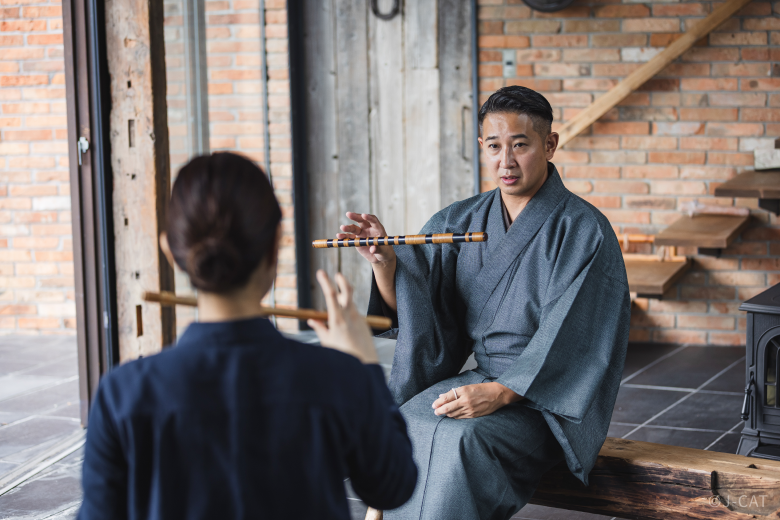
Begin by following Yoshii’s lead on how to hold and finger the shinobue
Especially for those new to playing transverse flutes, Yoshii says that it is essential to find the joy of producing beautiful sounds rather than strive to play melodies. For this, getting in tune with your own senses is far more important than knowledge or technique. “This is a simple instrument, designed for anyone to play,” says Yoshii. “That’s why it has been loved for so many centuries and why it has changed so little even as it evolved. With a little time, anyone can definitely pick it up.”
.jpg)
“I want to make sure that each and every person experiences the joy of playing,” says Yoshii
After getting the hang of playing notes, you might get a taste for the oneness that musicians can find between themselves, the instrument, and the natural environment. You might even get comfortable enough to gaze out at the Kamakura mountain view while you play – just as you are apt to during Yoshii’s performance. Try to play while taking in the whisper of the wind or the chirrup of birdsong, and let these natural soundscapes carry you along. The shinobue is a rustic instrument that draws upon a deep foundational relationship with nature, made as it is from a simple cut stalk of bamboo. According to Yoshii, this gives a propensity for a distinct harmony with the natural environment.
The Joy of Traditional Music through Taiko Drums, Firsthand (Optional)
As an optional add-on, guests in this experience can also try out the Japanese drum known as the taiko. Again, begin by taking in a performance by Yoshii before trying out the instrument for yourself under his guidance. The taiko plays an essential central role in Yoshii’s performance repertoire and artistic inspiration alike, captivating his audiences all over the world.
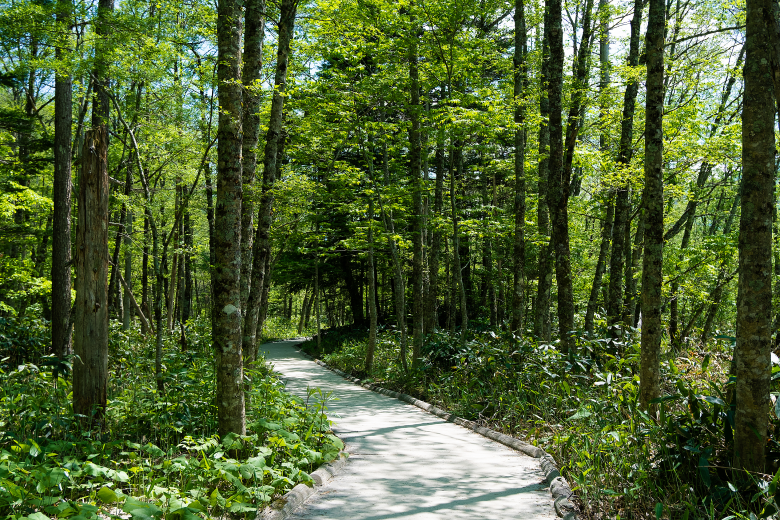
Even in the bustling port city of Yokohama, there is a sanctuary of lush greenery and quiet, perfect for playing taiko *This photo is for illustrative purposes
For the taiko experience, move from Kuneru House in Kamakura to Kamigo Morinoie in neighboring Yokohama. This is one of Yoshii’s favorite practice spots, amazingly surrounded by even more greenery than Kuneru House – and fewer homes too, making it ideal for indulging in the thunderous sounds of the taiko without concern for disturbing the neighbors. After watching Yoshii perform, you can try playing for yourself.
* Kamigo Morinoie in Yokohama is approximately 20 minutes by car from Kuneru House in Kamakura. Taxi arrangements can be made for guests, but guests are responsible for the payment on site themselves.
.png)
Japanese taiko drums give them a unique and distinct punch owing to their size and stretched leather construction *This photo is for illustrative purposes
Of all the traditional musical instruments of Japan, it is the taiko that has seen the most recent resurgence of popularity with modern young people. “Actually, I think the taiko is an instrument with broad appeal across all ages and genders, a pure accessible experience of the joy of music,” says Yoshii. It’s immediately easy to produce sound with, and has a straightforward, palpable, unmistakable power – making it truly an experience in the traditional spirit of simplicity and strength.
The Beauty of the Ephemeral and the Timeless in Traditional Instruments
This plan features live performance by Yoshii on multiple traditional instruments, drawing on various genres of music and performance art. It also offers a window into the mindset that Yoshii has long prized – making the most of each instrument in its natural form. “In our advanced capitalist society, it’s easy to end up constantly feeling like something is missing,” says Yoshii. “But when you look at it the other way – again, ‘This is all I have, but I do have all this’ – you can find real joy in the here and the now right in front of you.”
.png)
These traditional instruments continue to draw on natural materials and designs which have changed only minimally with the times
Another thing Yoshii deeply values is acceptance of the instruments as they are, enjoying the singularity and individuality of each – and the human encounters they bring. “Change is not something dictated, but something that emerges naturally through contact between performers, cultures, and instruments.”
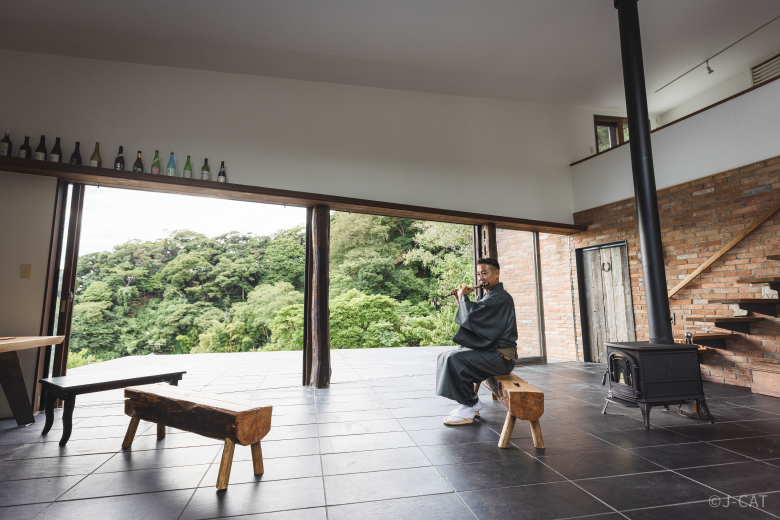
The sound of the shinobue has an exceptional presence across the mountains under an open sky
These are material traditions that have been cherished and passed down, both preserved in their original form and subtly evolving according to a central spirit. Experience all of this by playing the shinobue, kokyu, and taiko for yourself – gaining new insights and deeper connection with the culture and history of Kamakura in the process.
Kuneru House / Shogo Yoshii
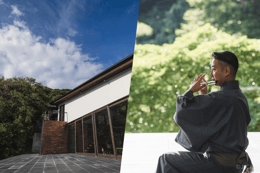
Kuneru House / Shogo Yoshii
Kuneru House
This private facility was founded as “a place for conversation” by owner Chizuko Koseki, who drew on her experience living in the UK for many years to create a design that combines the best of Japanese and Western cultures. Its interior features a curated collection of unique furnishings and architectural elements from antique British bricks to beams from old Japanese houses.
Shogo Yoshii
A taiko drummer, shinobue flautist, and player of the kokyu fiddle – as well as a composer and conductor of traditional-style Japanese music, Yoshii first honed his professional musical skills as a member of the Kodo Taiko Performing Arts Ensemble in Niigata Prefecture’s Sado Island. After striking out on his own, he branched out into genre-bending collaborative projects in dance and classical music. Since 2019, he has led the traditional instrumental group Waraku Soden.
Yoshii has performed over 1,200 live shows in over 40 countries around the world.
Location
'%3e%3cpath%20d='M12.504%2011.7308C12.9492%2011.7308%2013.3291%2011.5723%2013.6438%2011.2552C13.9586%2010.9383%2014.116%2010.5572%2014.116%2010.112C14.116%209.66683%2013.9575%209.28683%2013.6403%208.972C13.3233%208.65733%2012.9422%208.5%2012.497%208.5C12.0519%208.5%2011.672%208.6585%2011.3573%208.9755C11.0425%209.2925%2010.885%209.67358%2010.885%2010.1188C10.885%2010.5639%2011.0436%2010.9439%2011.3608%2011.2587C11.6778%2011.5734%2012.0589%2011.7308%2012.504%2011.7308ZM12.5005%2019.677C14.38%2018.041%2015.866%2016.3772%2016.9583%2014.6855C18.0506%2012.9938%2018.5968%2011.5307%2018.5968%2010.2962C18.5968%208.46675%2018.0176%206.95675%2016.8593%205.76625C15.701%204.57592%2014.248%203.98075%2012.5005%203.98075C10.753%203.98075%209.30013%204.57592%208.1418%205.76625C6.98346%206.95675%206.4043%208.46675%206.4043%2010.2962C6.4043%2011.5307%206.95046%2012.9938%208.0428%2014.6855C9.13513%2016.3772%2010.621%2018.041%2012.5005%2019.677ZM12.5005%2021.0193C10.1505%2018.9411%208.38038%2017.0029%207.19005%2015.2048C5.99955%2013.4067%205.4043%2011.7706%205.4043%2010.2962C5.4043%208.18075%206.09313%206.43583%207.4708%205.0615C8.8483%203.68717%2010.5249%203%2012.5005%203C14.4762%203%2016.1528%203.68717%2017.5303%205.0615C18.908%206.43583%2019.5968%208.18075%2019.5968%2010.2962C19.5968%2011.7706%2019.0015%2013.4067%2017.811%2015.2048C16.6207%2017.0029%2014.8505%2018.9411%2012.5005%2021.0193Z'%20fill='%231A150E'/%3e%3c/g%3e%3c/svg%3e)
Kuneru House
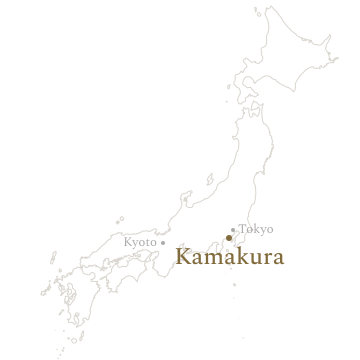
Kamakura City, Kanagawa
Request for booking
Select first preferred date (JST)
April 2026
Sun
Mon
Tue
Wed
Thu
Fri
Sat
Instant Booking
Request Booking

17
Full

17
Unavailable
- Instant Booking: Your reservation is confirmed immediately upon payment.
- Request Booking: You will receive confirmation after the host reviews your request.
If your preferred dates are not available, you can explore recommended experiences or .
Kamakura
120 mins
¥75,000 /person
Private: 1 - 6
English-speaking host
Cancel free up to 7 days prior
Things to know
Contact Us
If you have any questions, please contact us using the form below.
We also accept bookings from corporate clients and travel agencies.
Kamakura
from ¥75,000 /person120 minsPrivate: 1-6